What Is a Digital Escape Room? A Guide for Higher Education
What Is a Digital Escape Room, and Why Are Educators Talking About It?
Your students are disengaged. Lecture slides are going unread. Formative assessments feel like a chore. Sound familiar? A digital escape room might be exactly the pedagogical shake-up you have been looking for.
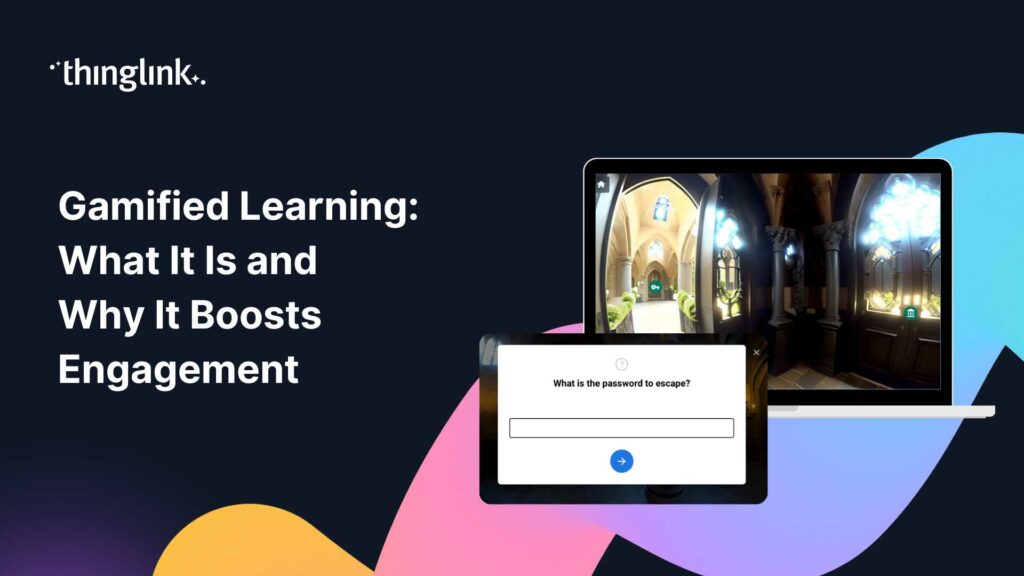
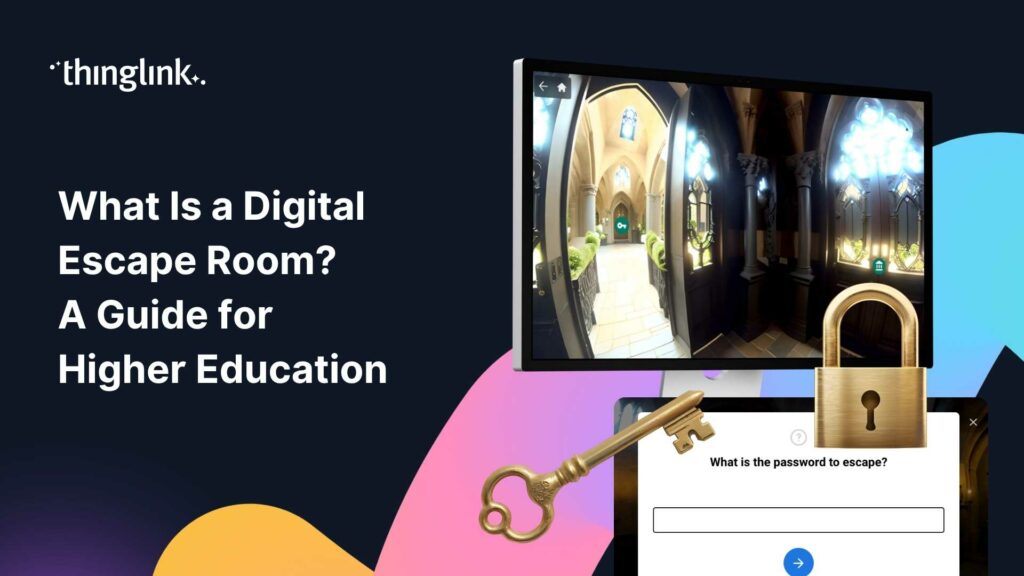
A digital escape room is an online learning activity that places students inside a series of interconnected challenges, puzzles, and scenarios. To progress, they must apply knowledge, think critically, and solve problems in sequence. There is no physical room, no padlock, and no dramatic countdown timer on the wall. Instead, the entire experience lives inside a browser, making it accessible to students anywhere in the world.
In higher education, the format has become one of the most exciting tools in the active-learning toolkit. This post explains what digital escape rooms are, why they work in university and college settings, and how platforms like ThingLink make them surprisingly straightforward to build.
How Does a Digital Escape Room Actually Work?
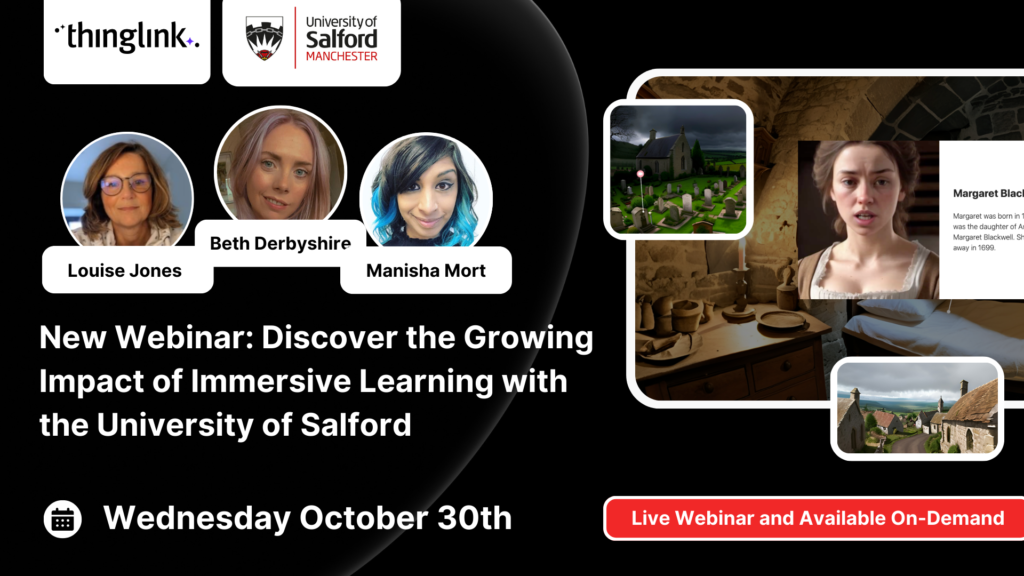
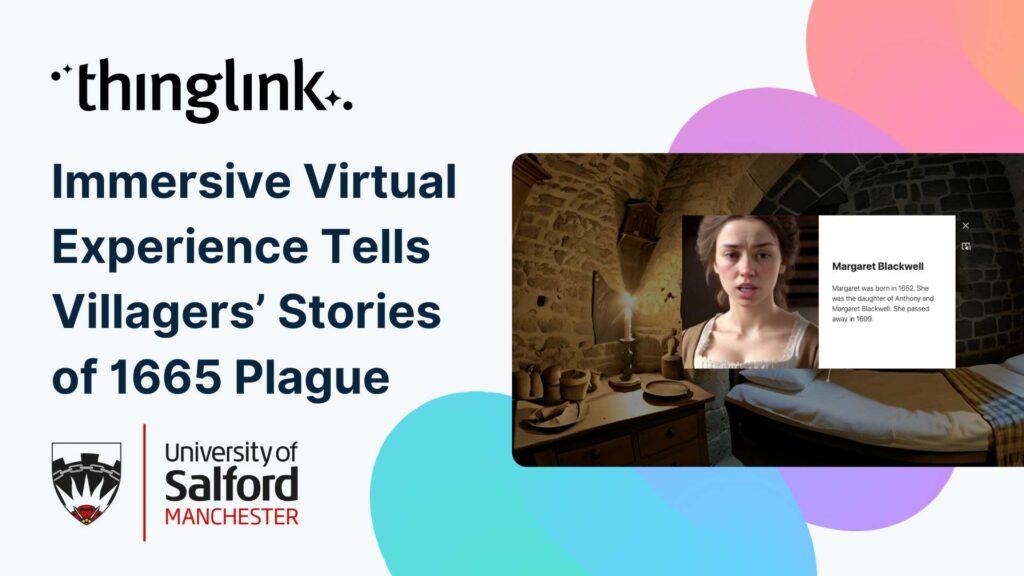
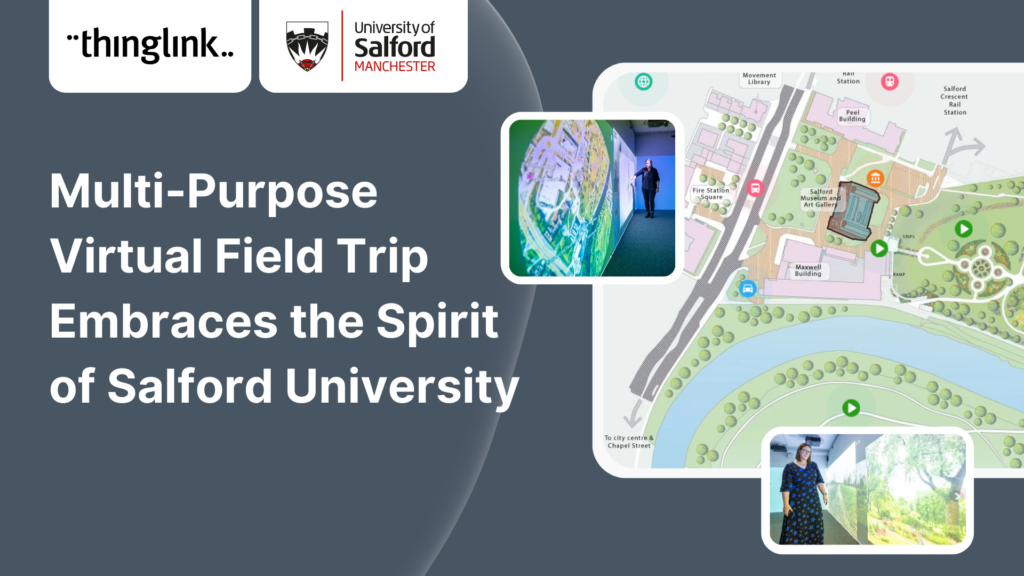
In action! Explore this example created by Salford University’s Manisha Mort and Kevin Ingham.
At its core, a digital escape room is a scenario-driven experience. Students encounter a situation, gather clues embedded in their environment, answer questions or complete tasks, and unlock the next scene only when they get it right.
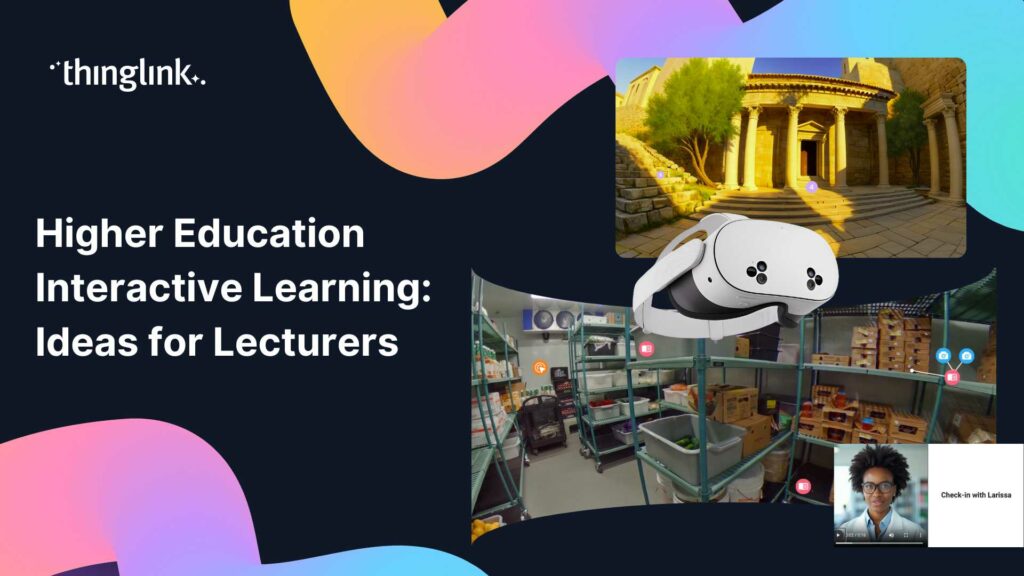
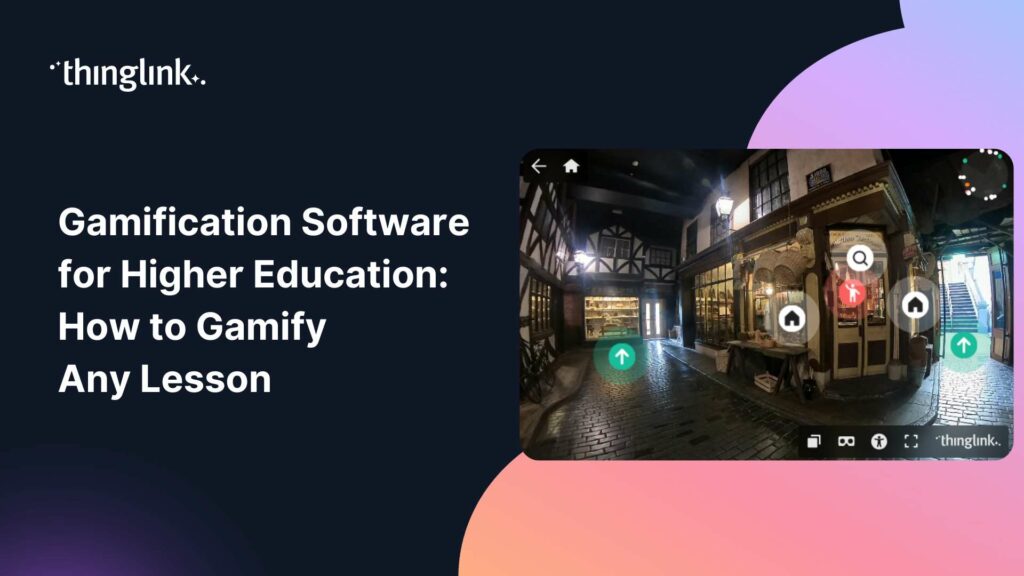
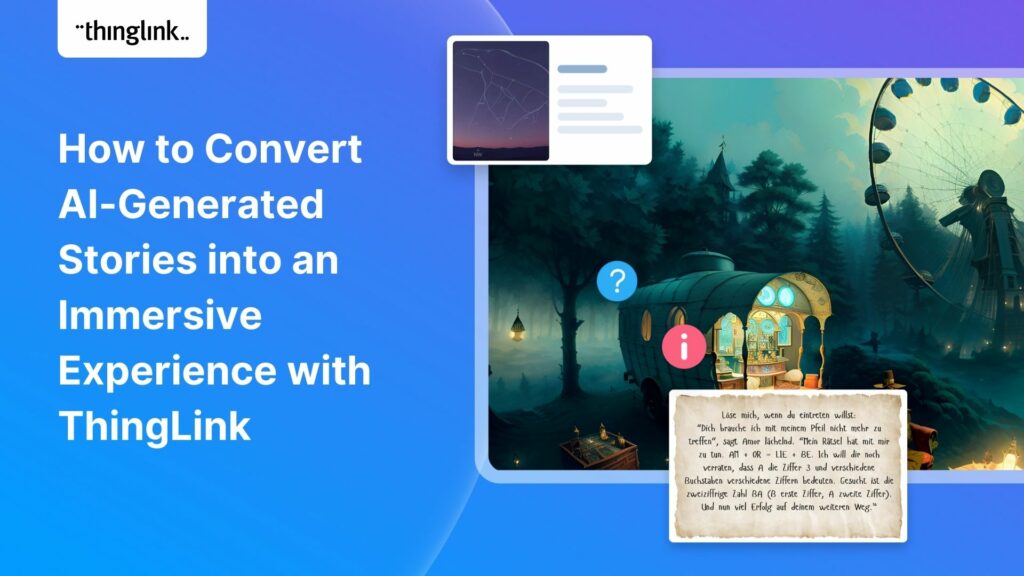
In a ThingLink escape room, this structure is built using linked interactive scenes. Each scene might be a 360° image, a photograph, a video, or a combination. Hotspots layered on top of those visuals carry quizzes, embedded documents, audio explanations, or further instructions. Answer correctly, and you escape – either to the end of the experience, or to the next scene. Answer incorrectly, and you are directed back to review the material and try again.
The result is an experience that feels more like a game than a test, yet every interaction is tied directly to a learning objective.
Why Digital Escape Rooms Work Especially Well in Higher Education
They Make Assessment Feel Like A Mission
Traditional formative assessment often feels disconnected from real practice. A digital escape room reframes assessment as a mission. Students are not answering questions for the sake of it; they are solving a problem because the scenario demands it. That shift in framing changes how students engage with the content.
Research in game-based learning consistently points to increased motivation, deeper retention, and greater willingness to revisit material when it is presented in a game format. A digital escape room delivers all of that without requiring specialist gaming software or a budget for bespoke development.
They Support Complex, Discipline-Specific Learning
Higher education learning often involves navigating ambiguity, weighing competing evidence, and making professional judgements. Digital escape rooms are ideal for this kind of challenge because they can simulate realistic environments and decisions.
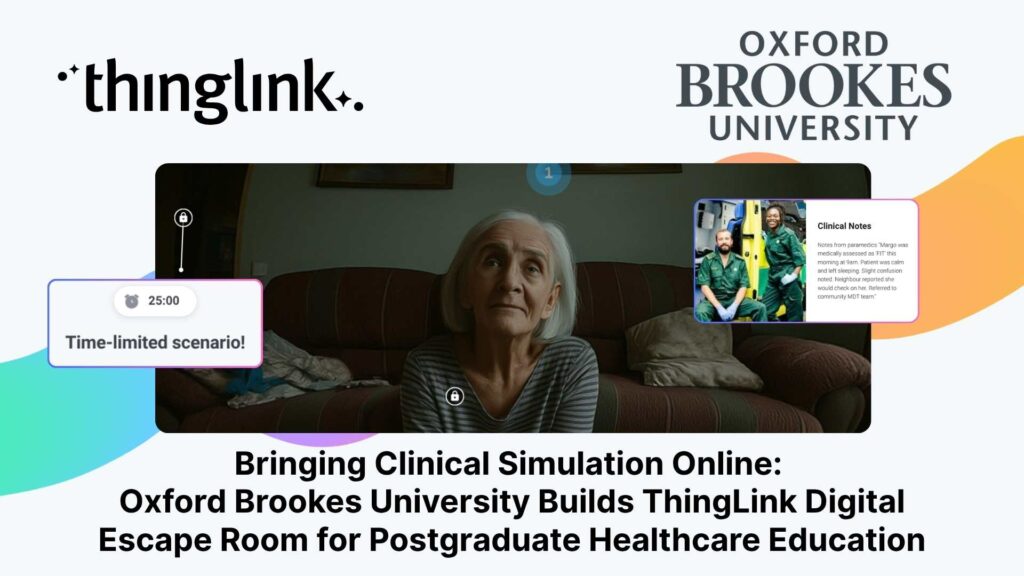
A postgraduate healthcare programme at Oxford Brookes University used ThingLink to build a clinical simulation escape room for its students. The experience placed learners inside realistic healthcare scenarios where they had to identify risks, apply protocols, and demonstrate clinical reasoning, all online. You can read the full story in the Oxford Brookes University case study.
See another great example of how ThingLink supports immersive learning for medical schools and healthcare teams in this Sepsis Escape Room from University of Central Lancashire.
They Scale Across Large Cohorts
One of the practical challenges in higher education is delivering meaningful, interactive learning to hundreds of students at once. A digital escape room solves this elegantly. Once built, it can be shared with an entire cohort via a single link. Students work through it in their own time, at their own pace, on any device.
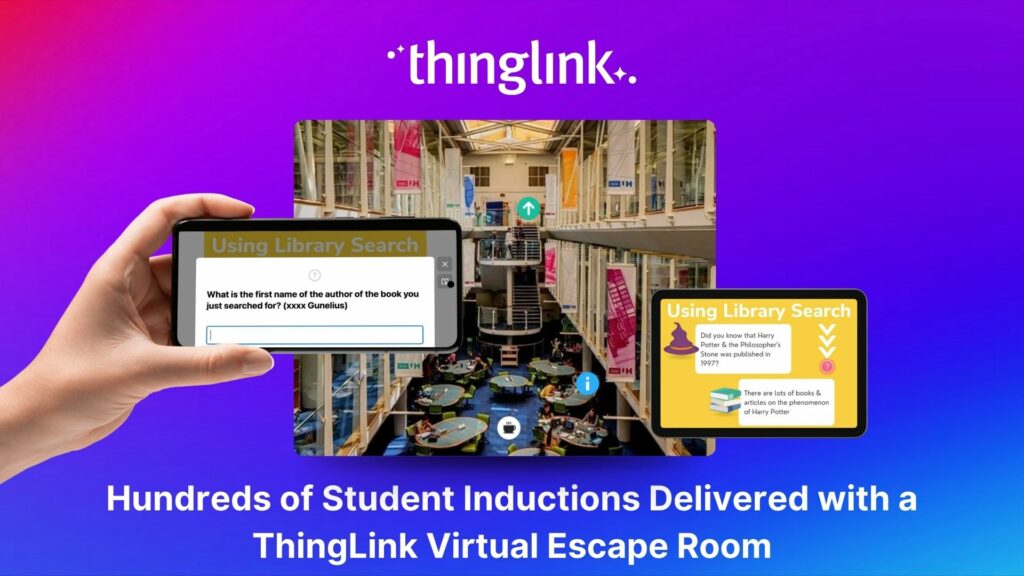
University of Hertfordshire used a ThingLink virtual escape room to deliver student inductions to hundreds of learners simultaneously, removing the bottleneck of timetabled in-person sessions. Find out how in their student inductions case study.
What Can You Teach with a Digital Escape Room?
The format is more flexible than it might first appear. Here are some of the use cases that higher education educators are already exploring.
Discipline-Specific Knowledge Checks
Law, medicine, engineering, social work, business. Any discipline that involves applying knowledge to realistic scenarios is a natural fit. Students move through a simulated case, environment, or problem and must demonstrate competence at each stage.
Student Induction and Campus Orientation
Digital escape rooms are a creative way to introduce new students to policies, processes, resources, and expectations. Instead of handing out a PDF, you guide students through an interactive environment where they discover the information by doing.
Research and Information Literacy Skills
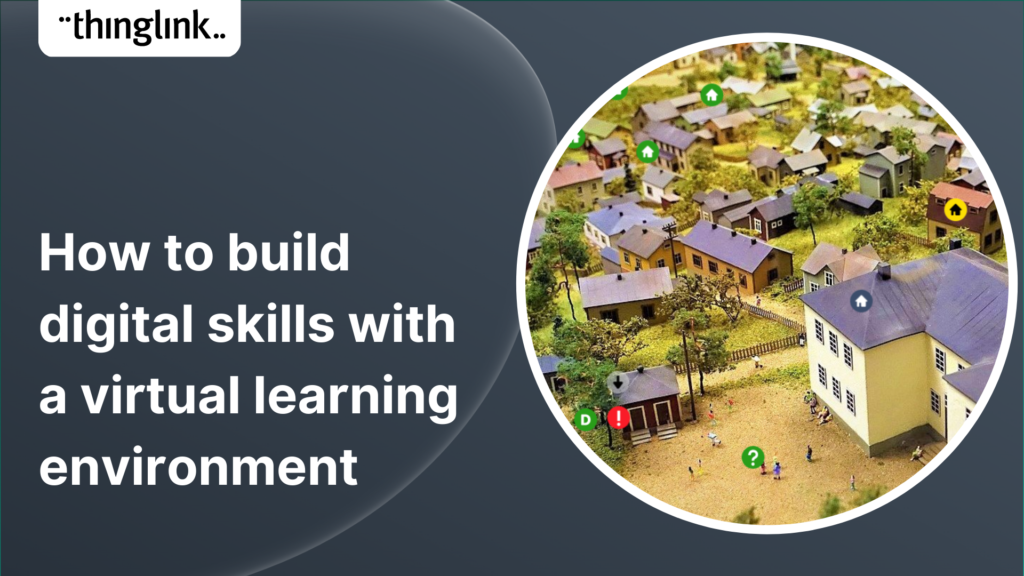
Hide clues inside academic databases, citation tools, or library resources. Require students to locate and evaluate sources before they can unlock the next stage. This approach embeds digital skills naturally into the activity rather than treating them as a separate module. The post on building digital skills with a virtual learning environment has further ideas on this approach.
Clinical and Professional Simulations
For programmes in healthcare, social care, education, or counselling, escape rooms can simulate the kind of high-stakes decision-making that students will face in placement. They provide a safe space to practise before the real thing – just as in the two clinical healthcare examples we showed you above.
How Do You Build a Digital Escape Room with ThingLink?
You do not need to be a developer or an instructional design specialist to get started. ThingLink’s editor lets you upload images or 360° photographs, add hotspots that carry your content and questions, and link scenes together to create a branching path.
The platform’s AI-assisted creation tools can also help you structure your scenario, draft scene descriptions, and plan your learning journey faster. Learn more about the next generation of ThingLink and its AI-assisted creation flow.
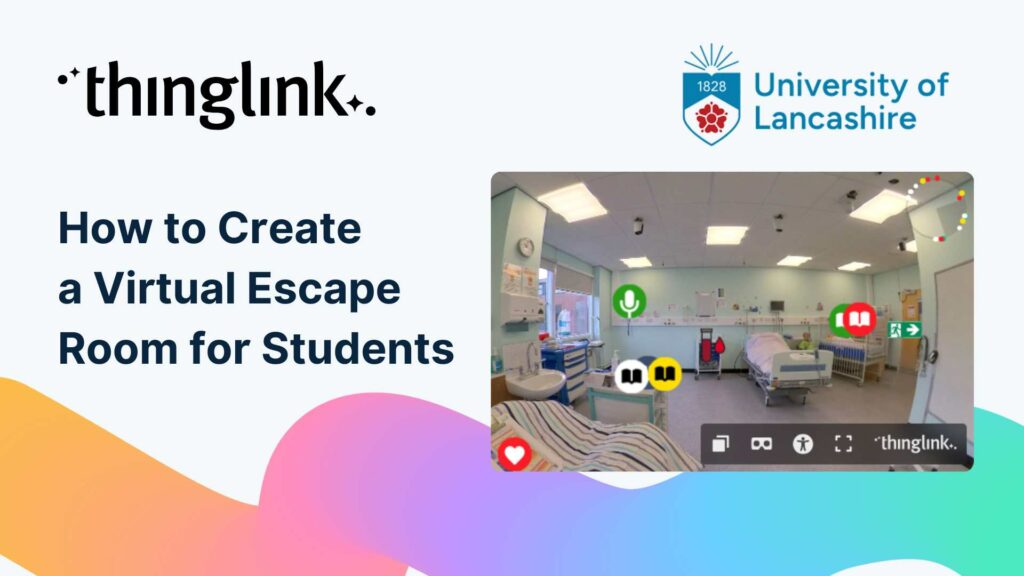
For a step-by-step walkthrough designed specifically for student-facing experiences, the guide on how to create a virtual escape room for students is an excellent starting point.
You can also explore the broader how to make a virtual escape room guide for more structural and design advice.
If your focus is on staff development or compliance training rather than student learning, the post on virtual escape rooms for employee training covers that context too.
Digital Escape Rooms Are Part of a Bigger Shift in Higher Ed
The growing interest in digital escape rooms reflects something broader: a recognition that passive content delivery is not enough. Students in higher education need to practise thinking, deciding, and applying knowledge in contexts that feel meaningful.
Immersive, scenario-based formats are increasingly seen as the answer. Whether you are interested in digital escape rooms specifically, or in the wider world of interactive and immersive learning, ThingLink gives you the tools to build experiences that genuinely challenge your students.
Explore what immersive learning looks like across education and training, or discover how shared immersive spaces are transforming education and training at scale.
Ready to build your first digital escape room? Start with the step-by-step guide here and see how quickly you can create something your students will actually want to complete.