How Immersive Learning Can Transform Technical and Vocational Education
Are you seeking innovative solutions to elevate your vocational education programs? Do you find traditional methods struggle to keep pace with the demands of a rapidly evolving workforce? Immersive Learning and Training should be your next step. It is a powerful, transformative tool poised to redefine the landscape of technical and vocational education and training (TVET). This comprehensive approach leverages cutting-edge but highly accessible technology to deliver unparalleled learning experiences, directly addressing the core challenges faced by educators and TVET institutions.
TVET White Paper
Gain deeper insights into the transformative potential of immersive VR in vocational education. Download our comprehensive white paper for detailed research and case studies.
Addressing the Challenges in Technical and Vocational Training
Vocational education, by its very nature, demands practical application and hands-on experiences. However, numerous obstacles can impede the delivery of truly effective and scalable training.
Limited Equipment Access
Providing every student with individual in-person access to expensive, specialized equipment can be a logistical and financial roadblock. This often results in shared resources, limited practice time, and a bottleneck in skill development. When you combine this shortage of equipment with a shortage of available and suitably qualified instructors and trainers, these bottlenecks become stoppages that start to impact workforce development on a national scale.
High Safety Risk Environments
Training in fields such as construction, manufacturing, or healthcare frequently involves exposure to hazardous situations, materials and machinery. Ensuring student safety while providing realistic experience and a chance to use practical skills is a constant, delicate balance.
Insurance and Liability Constraints
The inherent risks in hands-on learning opportunities can lead to significant insurance premiums and liability concerns for educational institutions, often limiting the scope and intensity of practical exercises.
Multi-Campus Delivery Challenges
Maintaining consistent quality and access to resources across multiple campuses or remote learning environments presents considerable difficulties, impacting program standardization and equity.
Standardizing Training Quality
Ensuring that every student receives the same high-quality instruction and achieves a consistent level of competency is a perpetual challenge, particularly when relying on varied instructors and facilities.
Workforce Readiness Pressure
The ultimate goal of vocational education is to prepare students for immediate entry into the workforce. The pressure to produce highly skilled, job-ready graduates who meet industry demands is intense and unrelenting.
Why Immersive Learning is the Game-Changer That Vocational Training Needs Now
Immersive learning directly mitigates these challenges. It offers a safe, accessible, and highly effective environment for skill development, bridging the gap between theoretical knowledge and practical application without the typical constraints.
What Do We Mean by Immersive Learning?
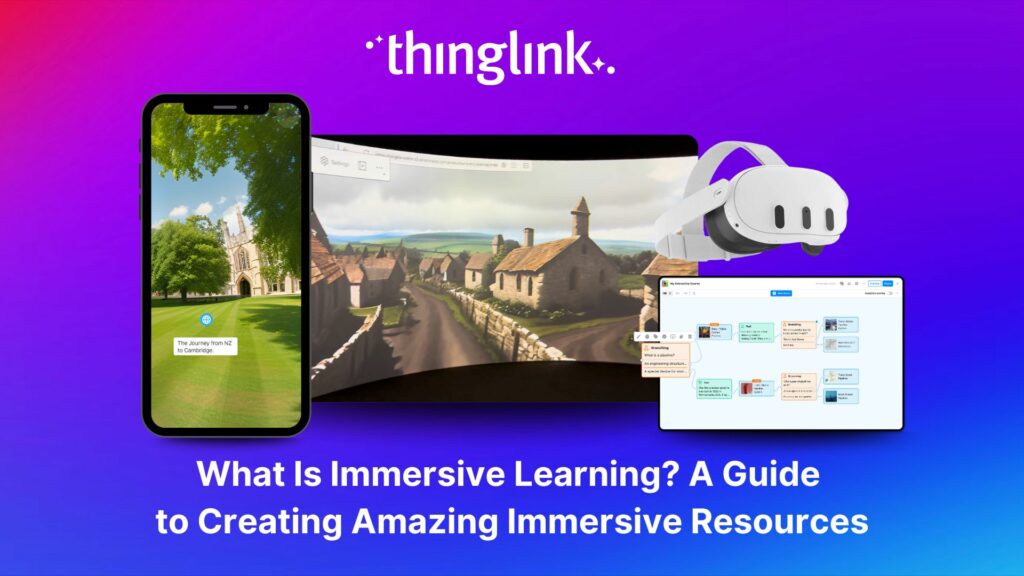
At this stage it is worth clarifying what is meant by the term “Immersive Learning”. Immersive Learning experiences encompass a range of technologies and methods that all (to a varying degree) place learners in realistic, interactive environments to enhance engagement, skill development, and knowledge retention:
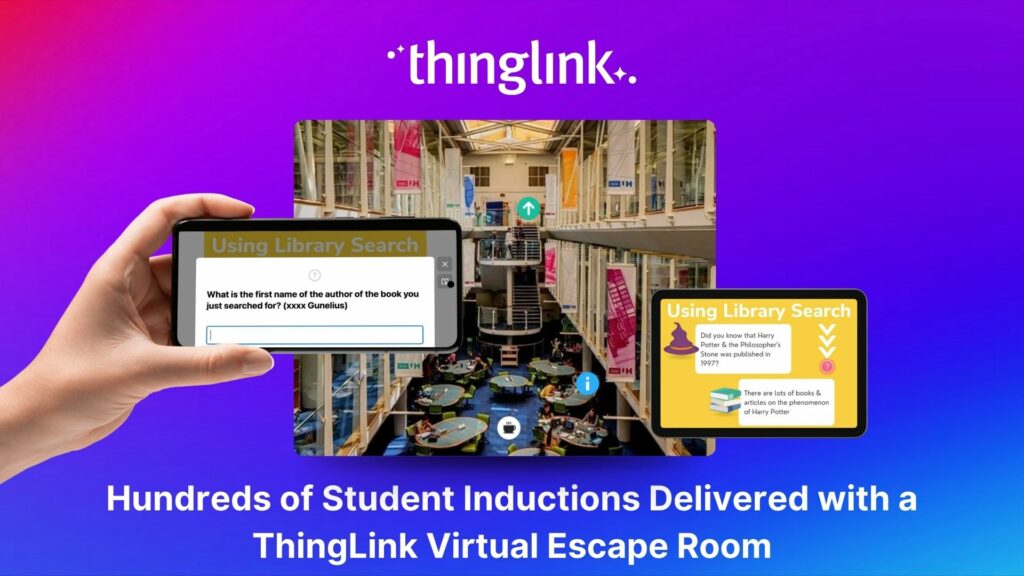
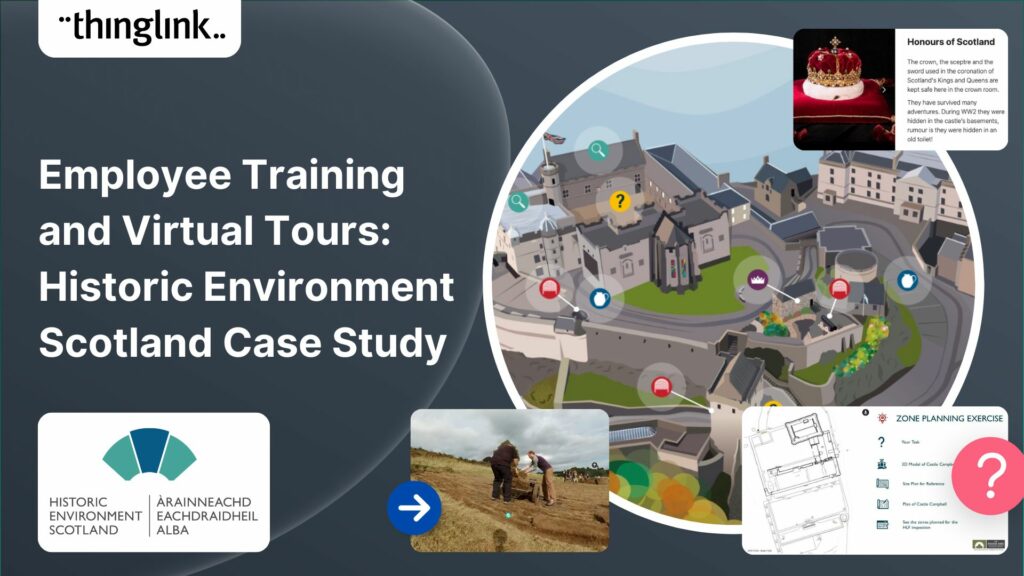
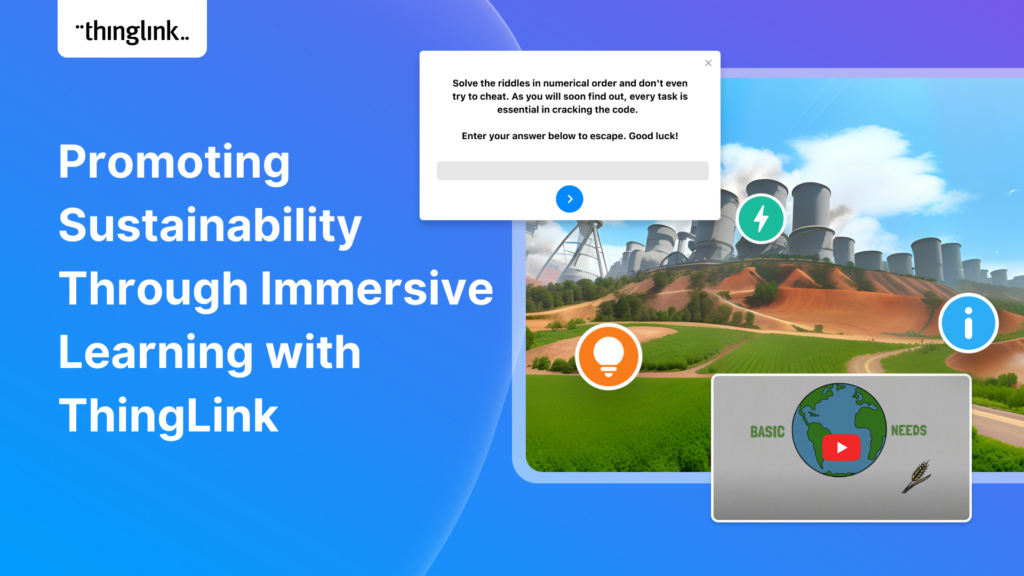
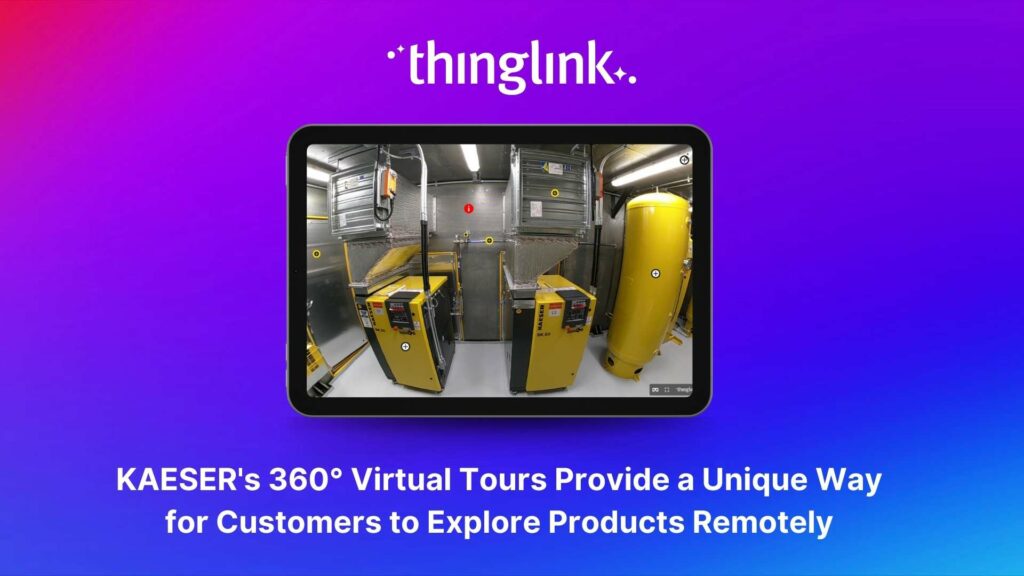
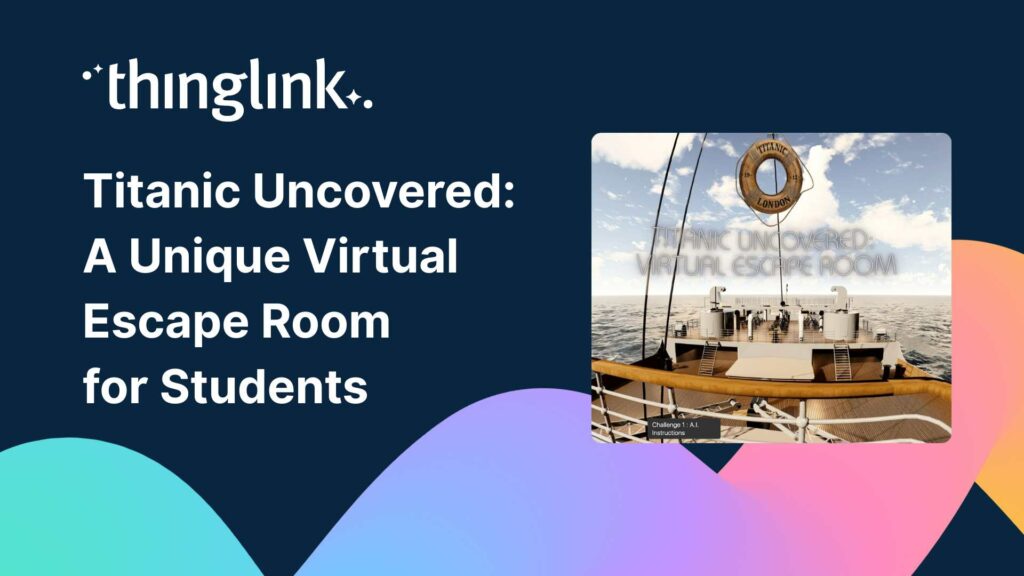
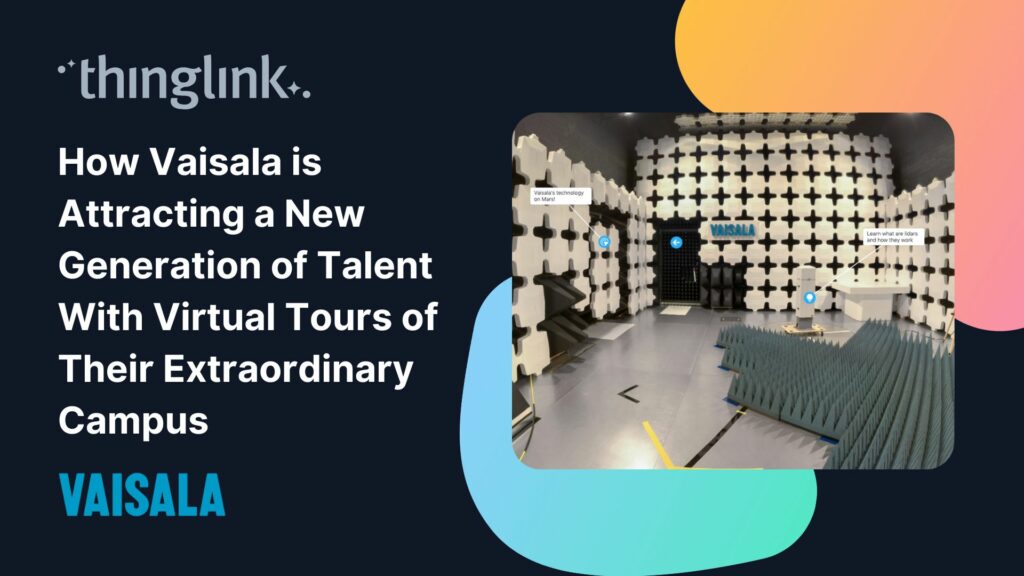
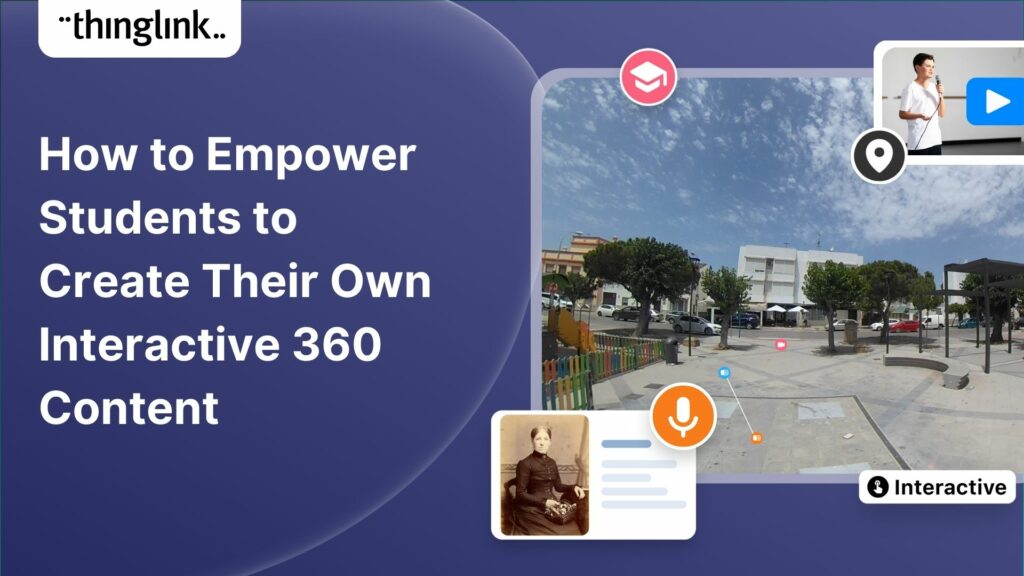
360° Images, Videos and Virtual Tours: Realistic recreations of workplaces that learners can explore individually, in groups, independently or in a guided, linear way. They are particularly effective for orientation, safety training, and problem-solving challenges, where they can even be gamified into formats such as virtual escape rooms.
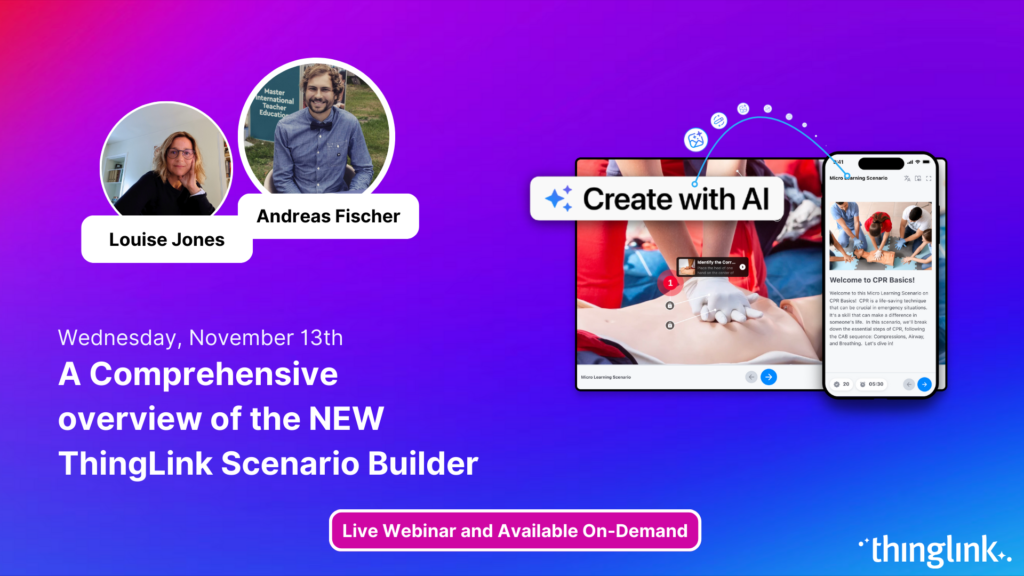
Scenario-Based Learning: Interactive modules where learners make choices that shape outcomes and consequences, either testing knowledge, or introducing and experimenting with new skills. Scenarios can be linear, or branched to simulate real-world decision-making, especially when combined with 360° media.
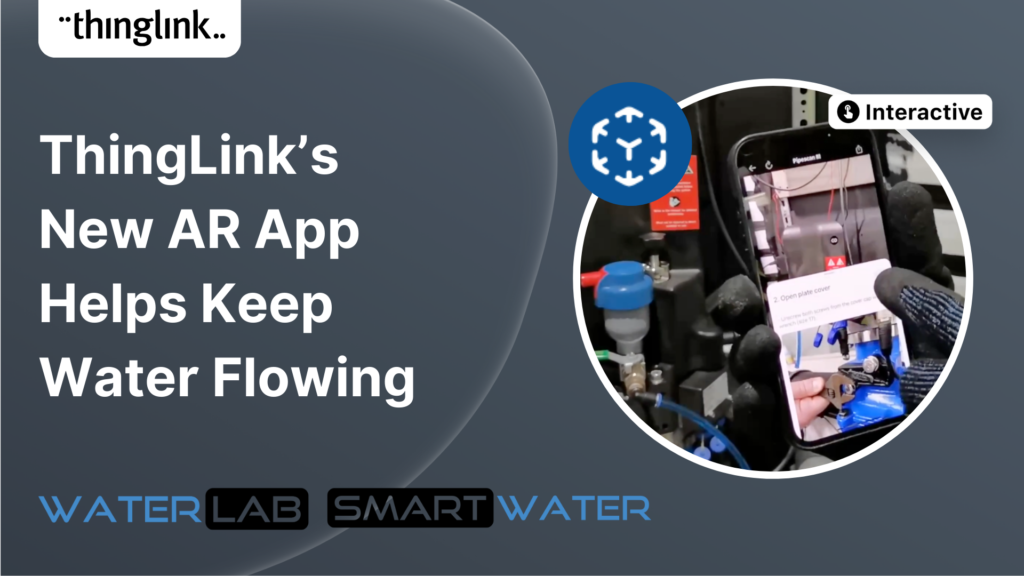
Augmented Reality (AR): Digital overlays on physical equipment or environments to provide instructions, guidance, or interactive training directly in the real world. Also referred to as Mixed Reality, given that the learner is experiencing both the virtual and the real world in tandem.
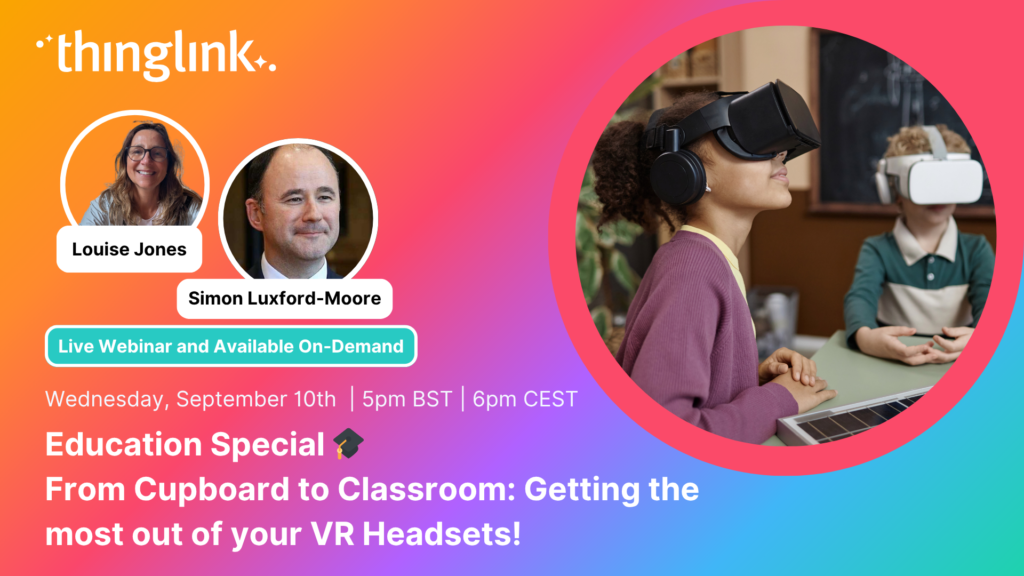
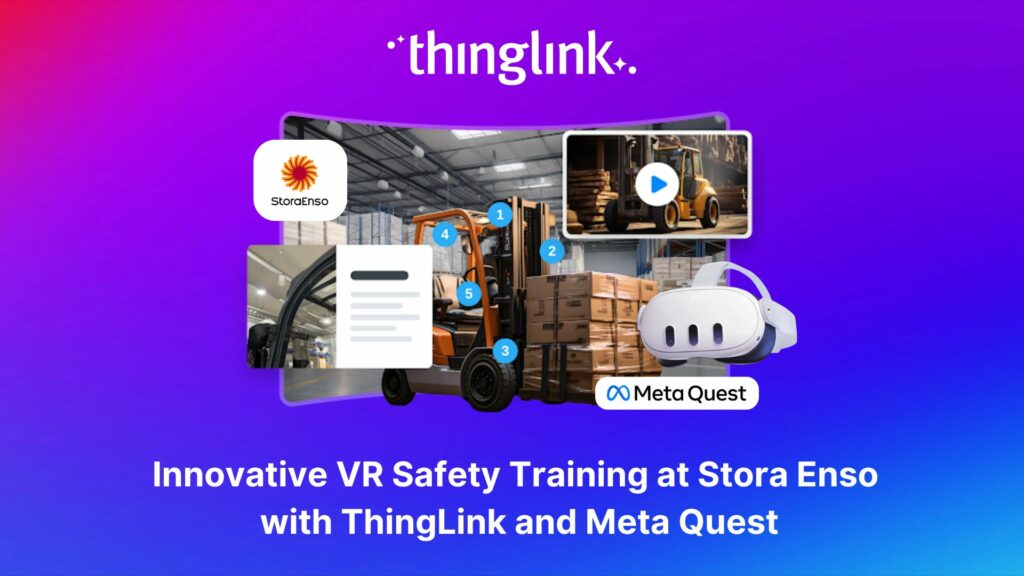
Virtual Reality (VR): Fully immersive simulations delivered through VR headsets, VR training allows learners to practice in realistic environments, experience high-pressure situations safely, and build confidence without external distractions.
Digital Twins: Interactive 3D replicas of real-world facilities, buildings, or assets that replicate real behavior, enabling learners to experiment and see realistic outcomes.
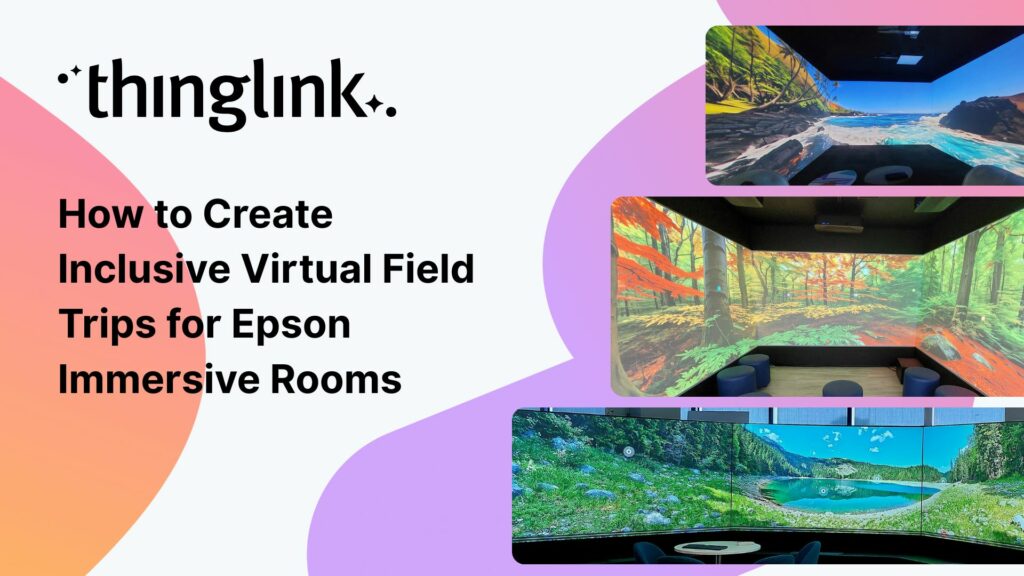
Immersive Spaces: Shared physical-digital environments that let multiple users experience a virtual space together, fostering collaboration, creativity, and problem-solving in classrooms, meeting rooms, or showrooms. These are most often delivered as immersive rooms with complete or almost complete wraparound screens or walls, but can also be delivered with interactive ceilings and floors.
Unlocking Unparalleled Learning Outcomes with Immersive Learning
How can immersive learning fundamentally change the way your trainees learn and perform? Its unique capabilities translate into tangible improvements in educational efficacy and student preparedness.
Enhancing Skill Acquisition Through Realistic Simulation
In a simulation environment, students can repeatedly practice complex procedures and master intricate skills without the fear of real-world consequences, damage and danger to themselves, to others or to equipment, and without the cost of resource depletion. This unlimited, consequence-free practice accelerates skill acquisition far beyond what traditional methods can offer.
Boosting Engagement and Knowledge Retention
The experiential learning that takes place with immersive technology inherently captures attention and sustains student engagement. When learners are actively involved in virtual scenarios, their motivation increases, leading to significantly higher knowledge retention rates compared to passive learning approaches.
Fostering Critical Thinking and Problem-Solving Abilities
Within an immersive simulation, students are regularly confronted with realistic problems and the decision-making scenarios that they would meet in real-life. This forces them to analyze situations, evaluate options, and implement solutions, thereby honing their critical thinking and problem-solving skills in a dynamic, realistic setting.
Key Features of the ThingLink Immersive Learning Solution
ThingLink is designed to meet the rigorous demands of vocational education, offering features that empower both the learning content creators (educators) and the end users (learners).
Realistic, Role-Specific and Customizable Modules
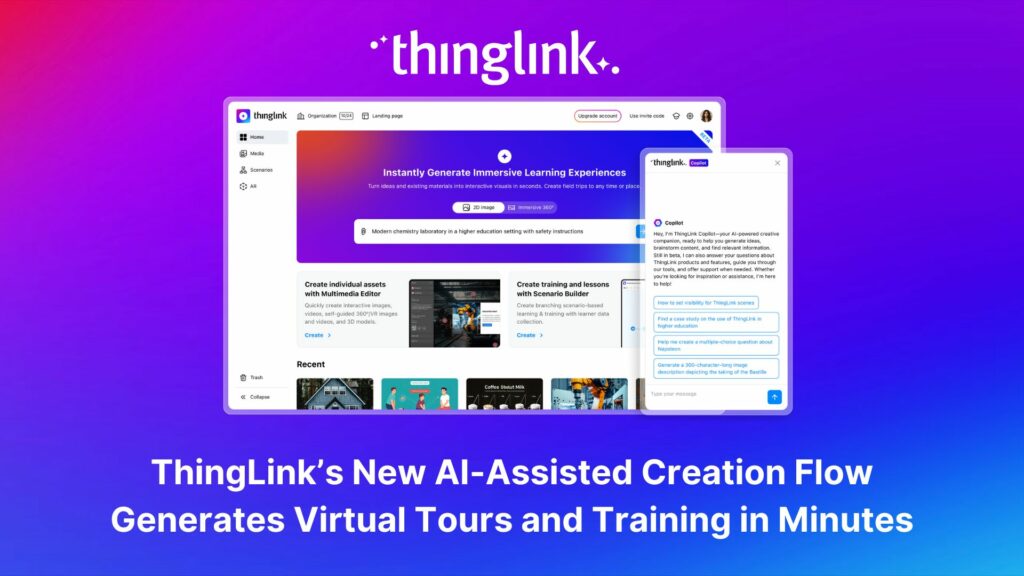
ThingLink is the easiest way for anyone to quickly and efficiently create highly realistic, role-specific training modules that accurately reflect real-world working conditions. Your training is fully customizable, and can incorporate a vast variety of multimedia content, including powerful AI-generation tools. allowing you to tailor scenarios to any curriculum requirements and to specific industry standards.
Real-Time Performance Tracking and Analytics
ThingLink provides robust analytics tools that can track student performance in real-time. This allows instructors to identify areas of strength and weakness, provide targeted feedback, and monitor progress comprehensively. This data-driven approach ensures continuous improvement and personalized learning paths.
Scalable Solutions for Any Institution Size
Whether you are a small vocational school or a large multi-campus institution, ThingLink offers scalable solutions. It can accommodate varying numbers of users and diverse program needs without compromising performance or quality. In addition to offering different plan sizes according to number of learners, ThingLink is designed to be deliverable on any size or type of screen. This means that training content can be created and delivered initially on personal, portable low-cost devices such as tablets and smartphones, and can then be shared to training-specific hardware such as VR headsets and immersive rooms, once budgets allow.
TVET White Paper
Gain deeper insights into the transformative potential of immersive VR in vocational education. Download our comprehensive white paper for detailed research and case studies.
Tangible Benefits for Your Vocational Educational Institution
Adopting immersive VR is an investment that yields significant returns for your institution, directly impacting your operational efficiency and educational outcomes.
Reducing Training Costs and Resource Demands
By minimizing the need for expensive physical equipment, consumables, and facility usage, immersive learning for vocational skills significantly reduces overall training costs. It also optimizes the use of instructor time by allowing for more self-directed practice.
Improving Student Readiness and Employability
Training with immersive learning technology provides a higher level of practical proficiency and confidence. This translates into increased employability and a smoother transition into chosen careers, making your programs more attractive to prospective students.
Attracting and Retaining Top Talent
Institutions that embrace innovative technologies like immersive training often attract more ambitious and forward-thinking applicants. This modern approach to vocational education also helps retain both students and instructors by offering a dynamic and effective learning environment.
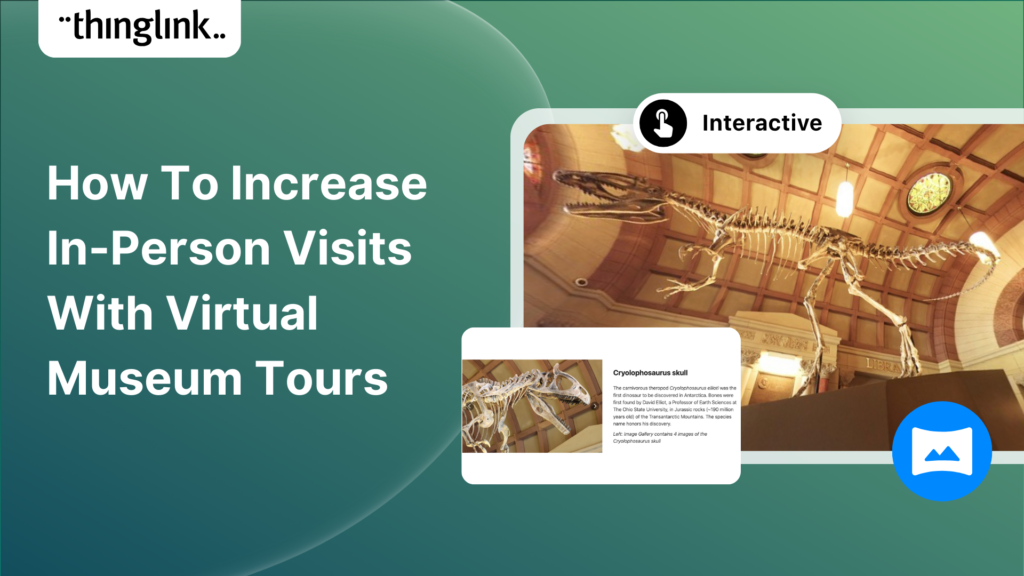
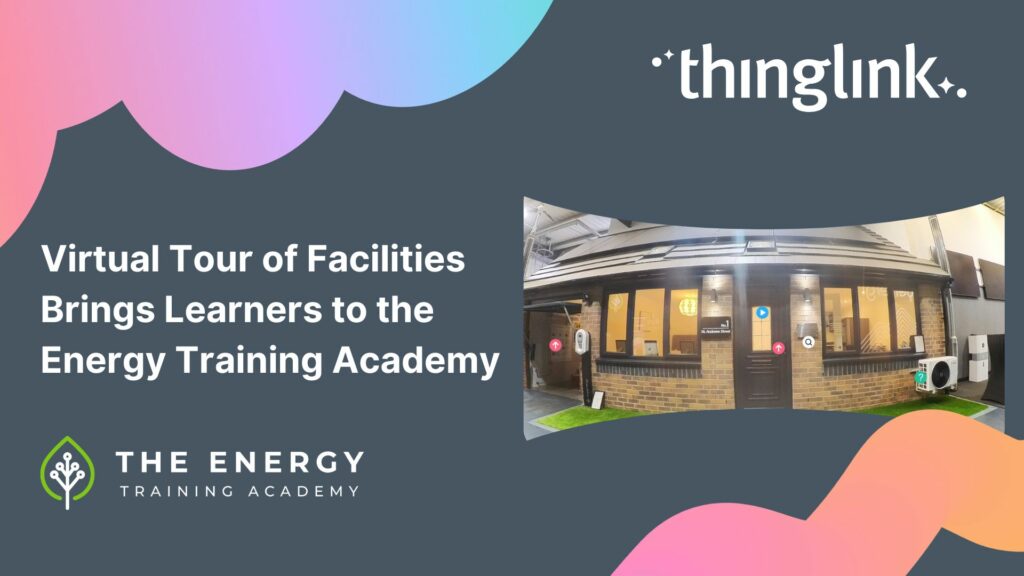
One example of this in action is the Energy Training Academy in Scotland. Their virtual tour in ThingLink promotes the ETA as a cutting edge training provider, and promotes industry collaboration. Trainees use the tour to check details pre-arrival, and the training material is easy to update as the facility develops. Read more below.
TVET Immersive Learning Environment Use Cases with ThingLink
ThingLink’s immersive solutions are versatile and applicable across a wide spectrum of vocational fields, demonstrating practical value for numerous disciplines.
Construction & Trades
Train students in safely operating heavy machinery, executing complex construction tasks, and adhering to site safety protocols in hazardous virtual environments.
Case Study:
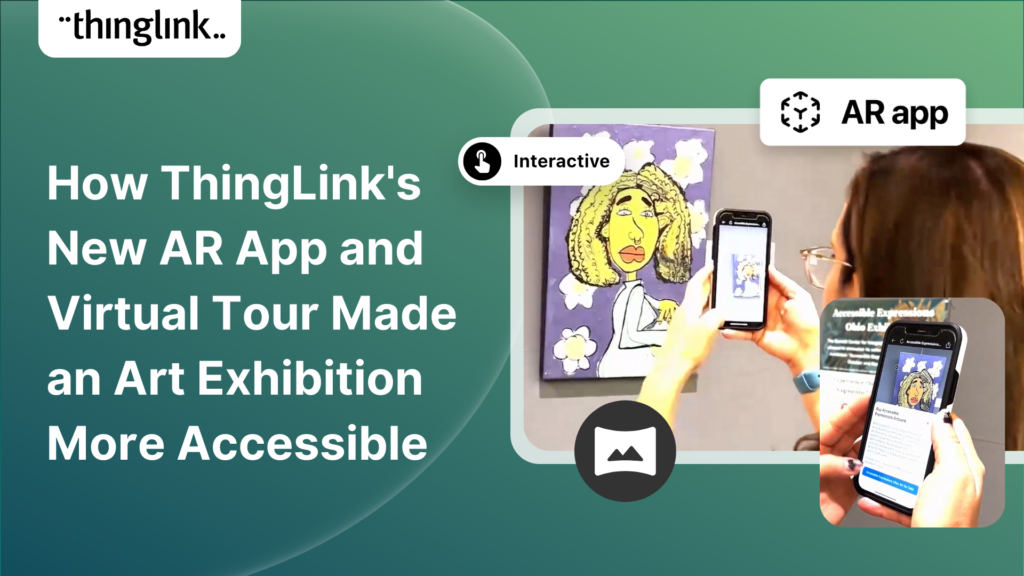
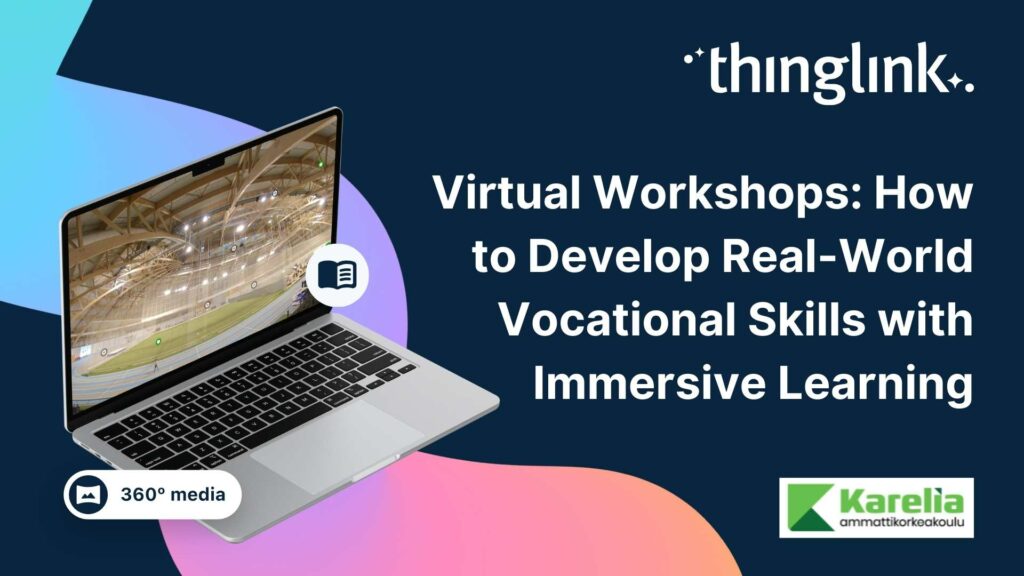
Karelia University of Applied Sciences Create Virtual Workshops and Virtual Site Walkthroughs for Construction Course. Read more below.
Healthcare Skills Training
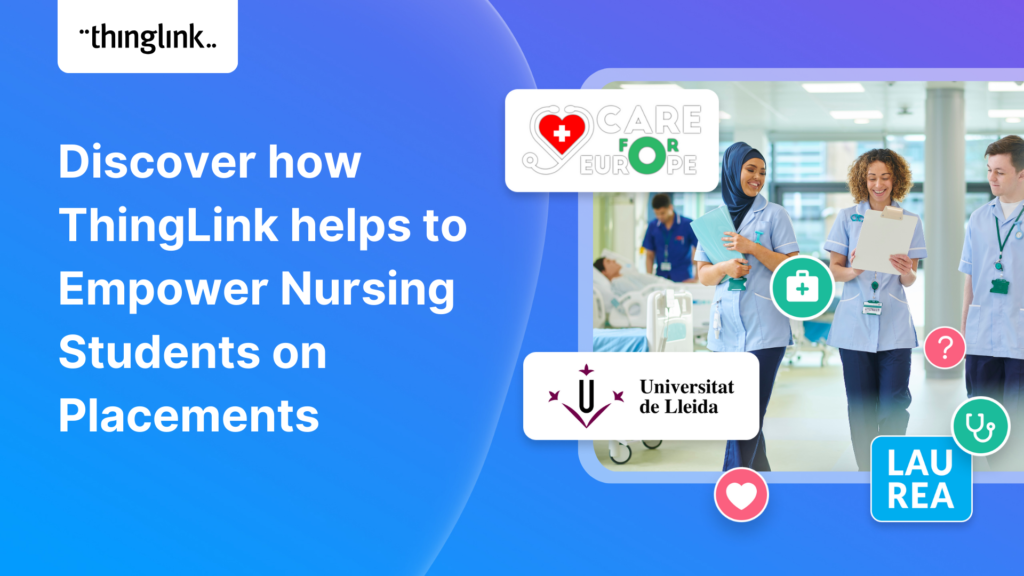
Allow future healthcare professionals to practice patient assessment, surgical procedures, and emergency response in realistic, risk-free simulations.
Case Study:
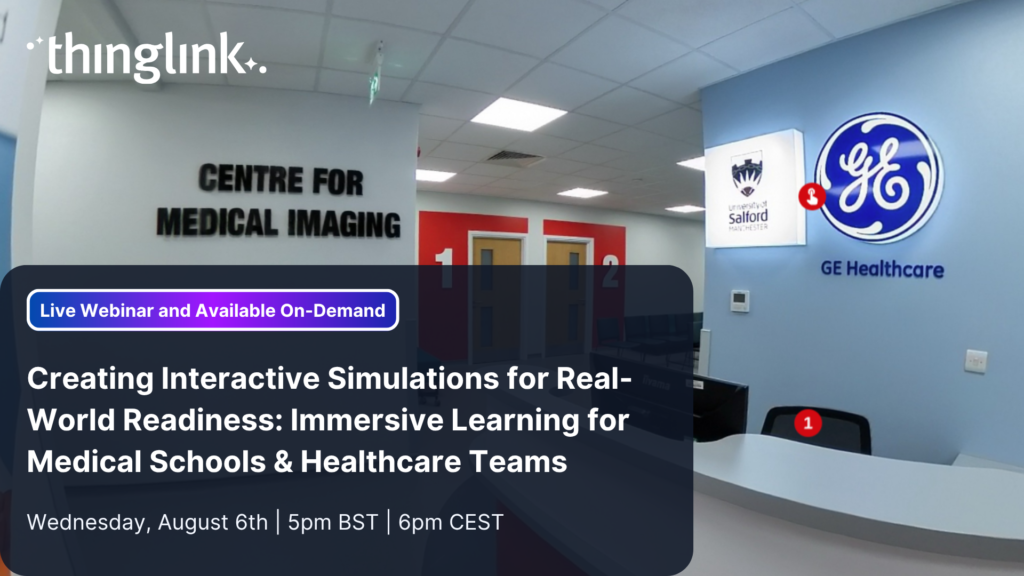
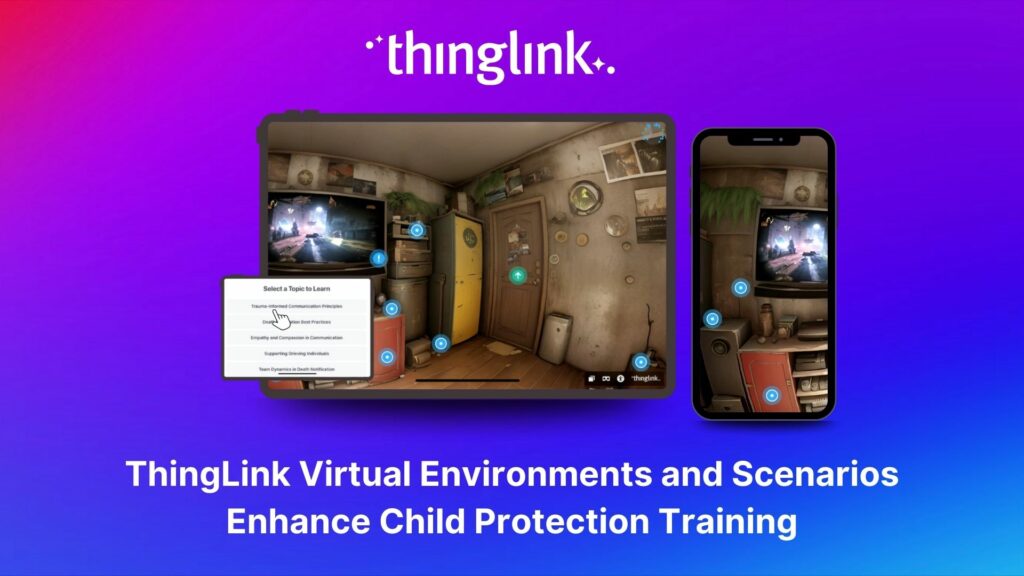
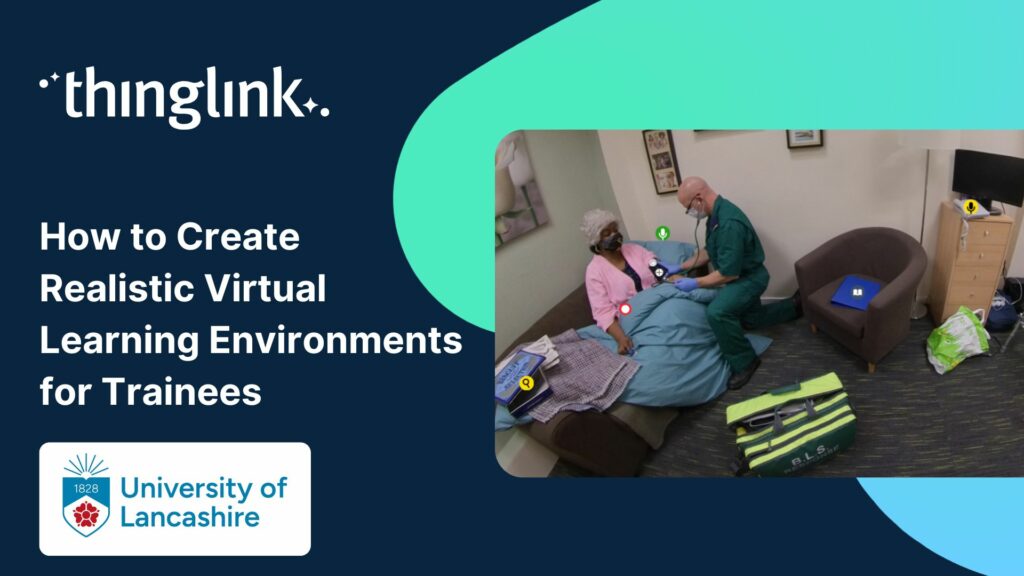
ThingLink immersive virtual training environment was created and delivered for inter-disciplinary training for healthcare professionals at the University of Lancashire, allowing medicine, pharmacy, occupational therapy, physiotherapy, paramedics, social work and Physician Associate professionals to train together. Read more below.
Electrical & Technical Programs
Provide hands-on experience with wiring and supply diagrams, troubleshooting, and high-voltage system maintenance in a controlled virtual space.
Case Study:
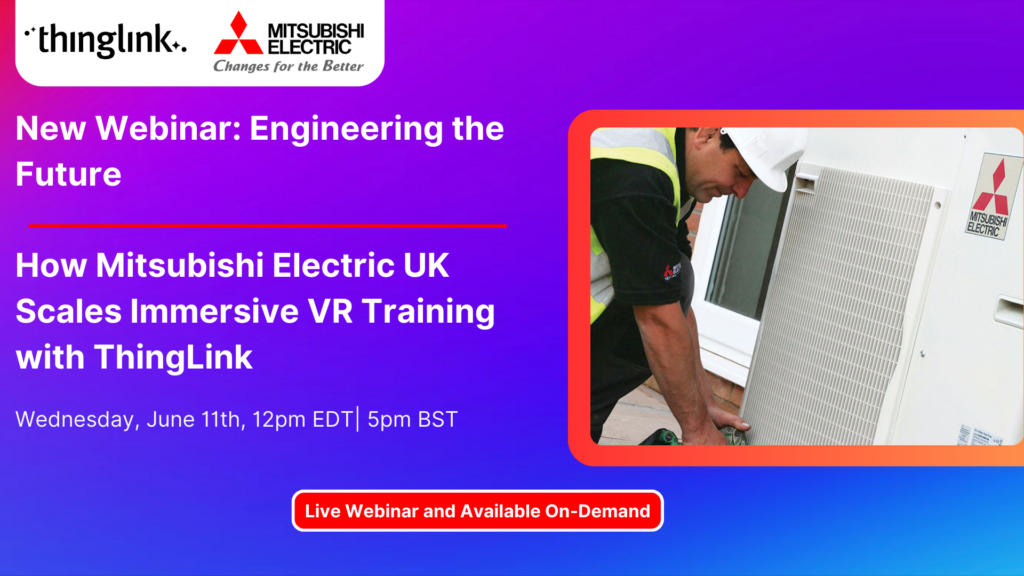
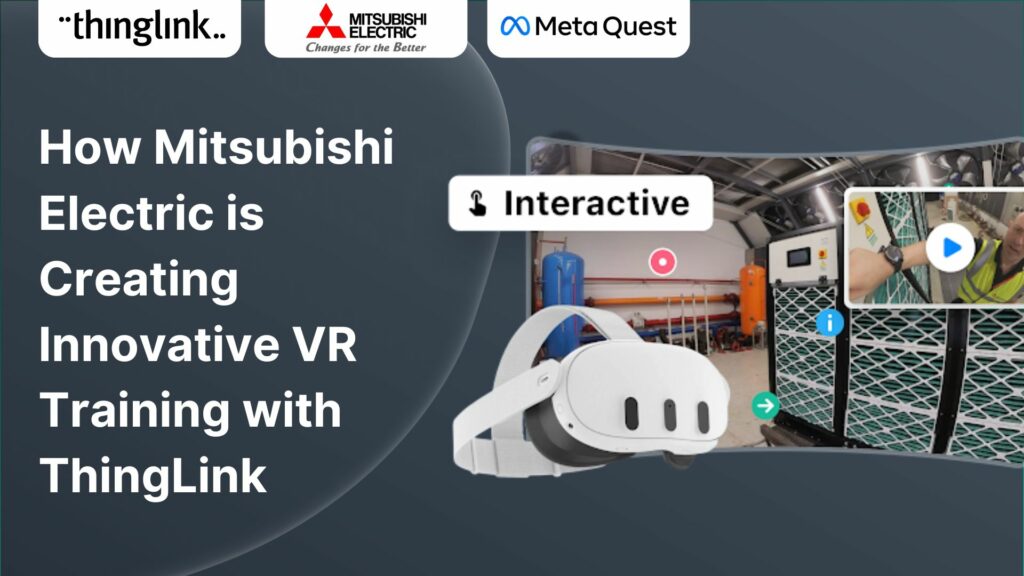
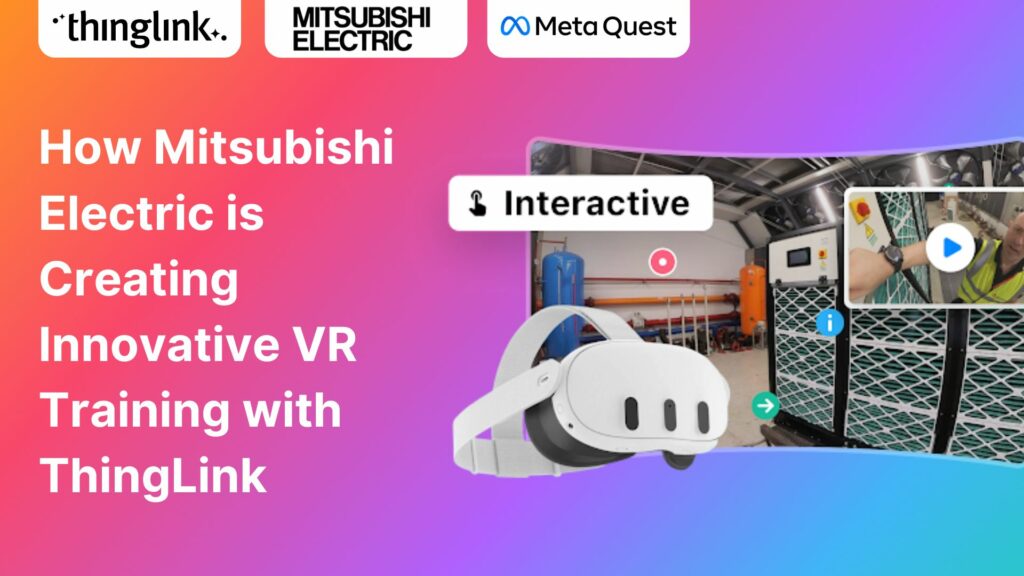
Mitsubishi Electric uses ThingLink to create and deliver multi-session VR training courses via Meta Quest 3. The learning experience is now more immersive and engaging: 99% of attendees would recommend. Read more below.
Manufacturing & Industrial
Enable learners to master equipment maintenance, and quality control procedures in a simulated setting.
Case Study:
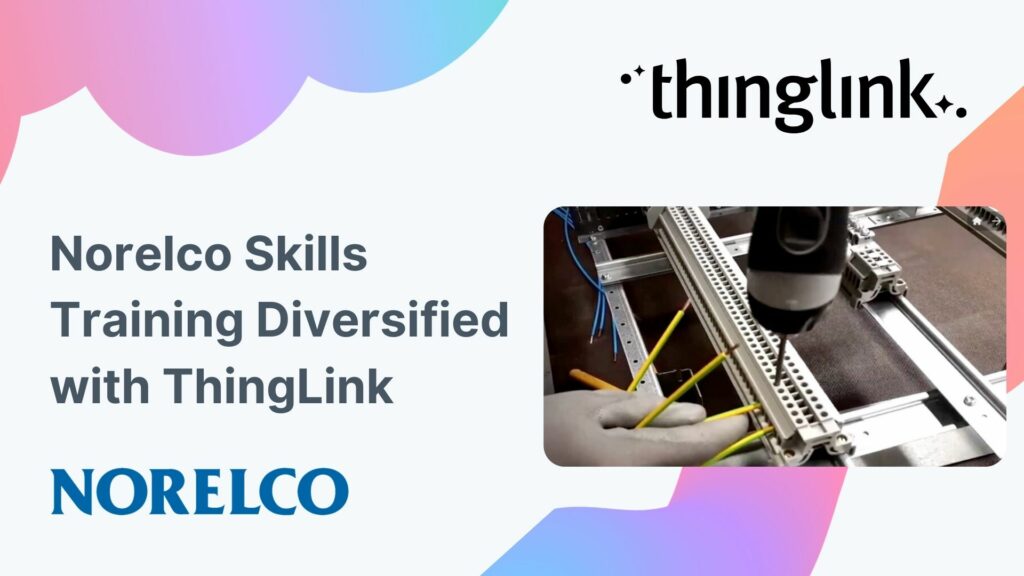
Norelco is a Finnish manufacturer of electricity distribution systems. They wanted to invest in skills training and development programs for new hires. Their solution was a ThingLink online training environment created in collaboration with the University of Applied Sciences XAMK and the vocational school Samiedu. The learning environment includes videos presenting the work steps, key instructions for new skills and links to additional information. Read more below.
Hospitality & Service Training
Develop essential customer service skills, hotel operations management, and culinary techniques through interactive scenarios.
Case Study:
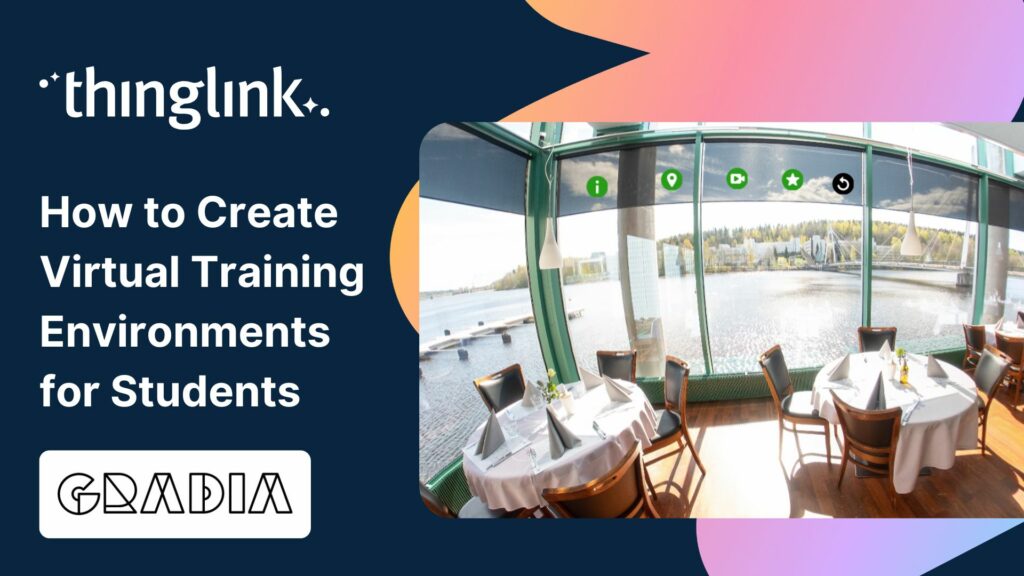
Gradia is an educational association in Central Finland which offers vocational education, high school education and provides learning to business customers. They crated virtual learning environments from sites such as hotels for students on their sustainable tourism course. Read more below.
Ready to Revolutionize Your Vocational Training?
Are you prepared to equip your students with the skills they need to excel in the modern workforce, while simultaneously optimizing your educational delivery? The future of vocational education is immersive, and the time to embrace it is now.
Book a Personalized Demo
Experience the power of immersive VR firsthand. Schedule a personalized demonstration to see how our platform can address your specific institutional needs and challenges.
Explore ThingLink Scenario Builder for Vocational Training
Discover the flexibility and creative power of our Scenario Builder, and see how easily you can customize and create new training modules tailored to your unique curriculum. Read more at our dedicated Vocational Training Page.