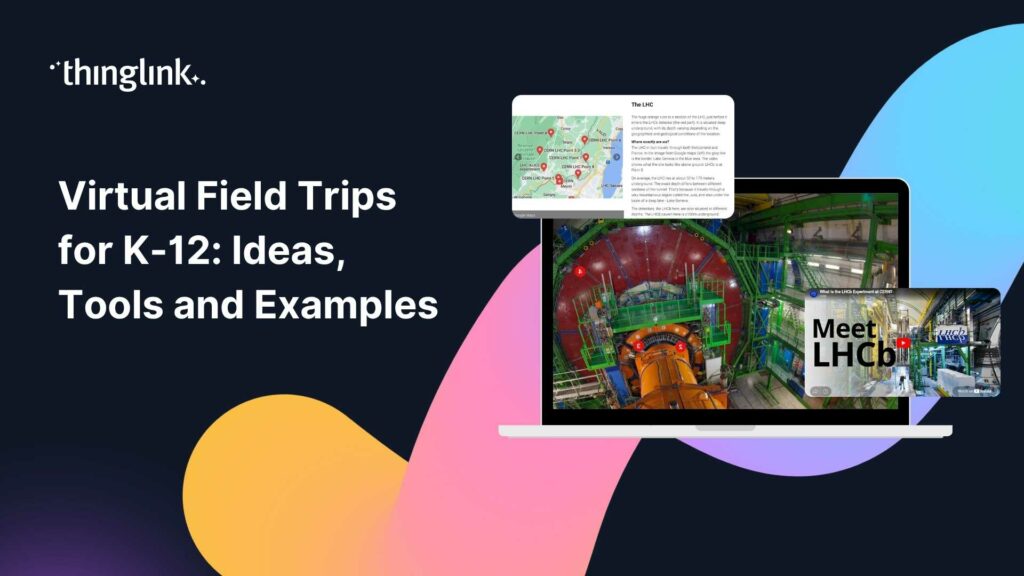
Virtual Field Trips for K-12: Ideas, Tools and Examples
What if your students could stand inside a working observatory, walk the floors of a historic building, or explore a rainforest ecosystem — all before lunch? Virtual field trips make this possible, and they do far more than replicate a physical outing. When designed well, they build genuine student digital learning skills, deepen curriculum engagement, and give every learner equal access to experiences that geography, budget, or mobility might otherwise put out of reach.
This guide is for headteachers, classroom teachers, and district digital learning leads who want practical ideas, proven tools, and concrete examples to bring virtual field trips into K-12 learning. Whether you are just starting out or ready to hand the creative reins to your students, there is something here for you.
Why Virtual Field Trips Belong in Your K-12 Strategy
The case for virtual field trips goes well beyond convenience. Yes, they remove the logistical headaches of permission slips, coaches, and packed lunches. But the deeper value is pedagogical.
When students engage with interactive, immersive content, they are not passive observers. They make choices, explore at their own pace, respond to embedded questions, and reflect on what they have discovered. These are exactly the habits that underpin strong student digital learning skills: critical thinking, information literacy, and the ability to navigate and create digital content with purpose.
Research consistently points to active, inquiry-based learning as more effective than passive consumption. A well-crafted virtual field trip sits squarely in that active category.
Equity and Access
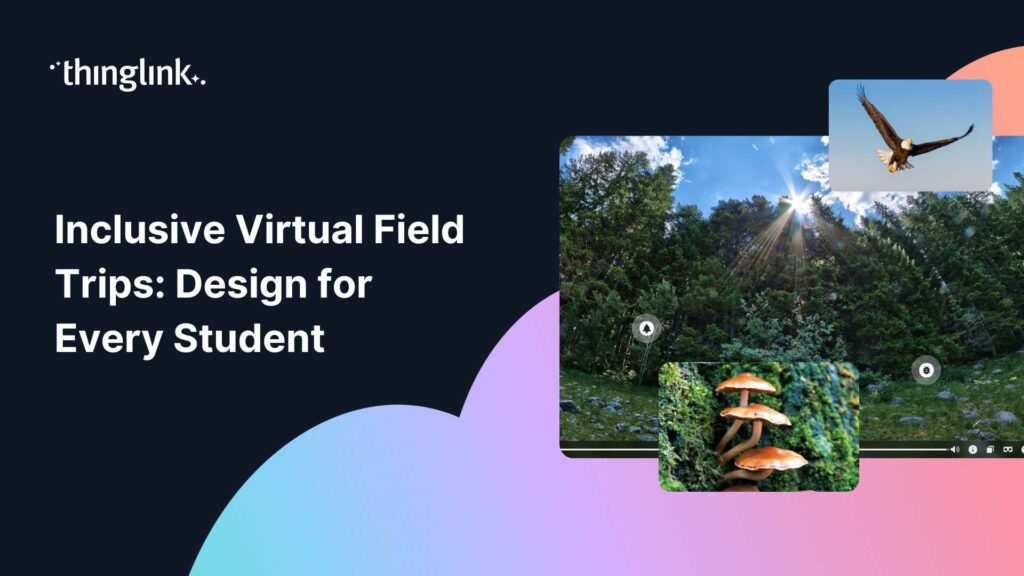
Virtual field trips also close gaps that physical trips cannot. Students with disabilities, those from lower-income families, English language learners, and pupils in rural or remote areas all benefit from experiences that do not require travel.
Inclusion is not a footnote. It is one of the strongest arguments for making virtual field trips a core part of your school’s digital learning offer.
What Makes a Great Virtual Field Trip
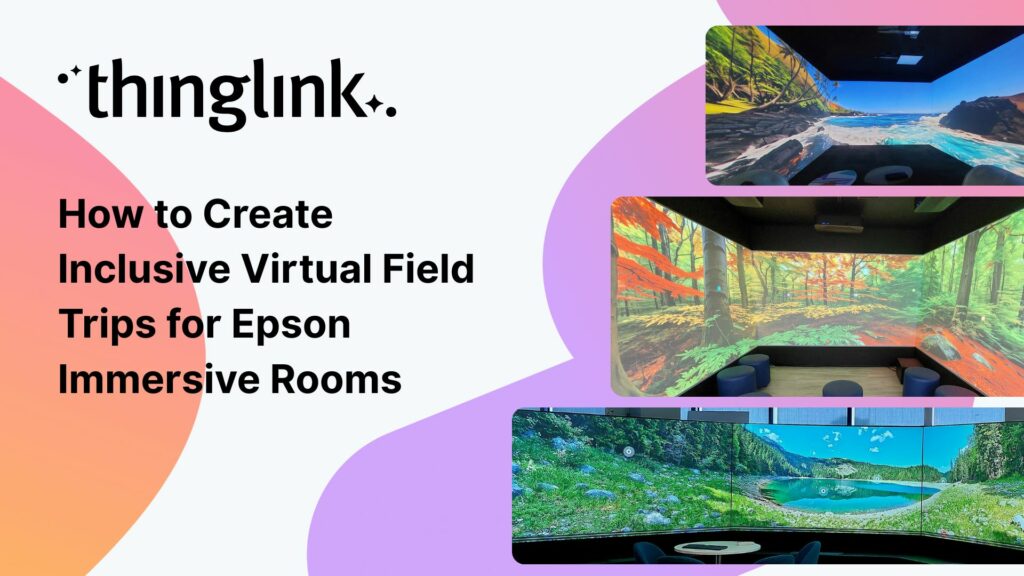
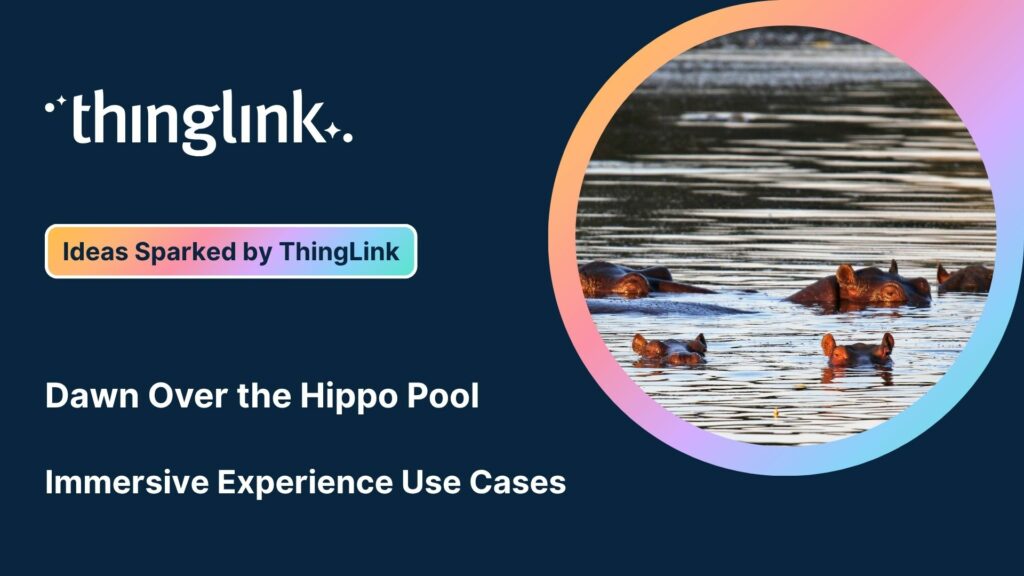
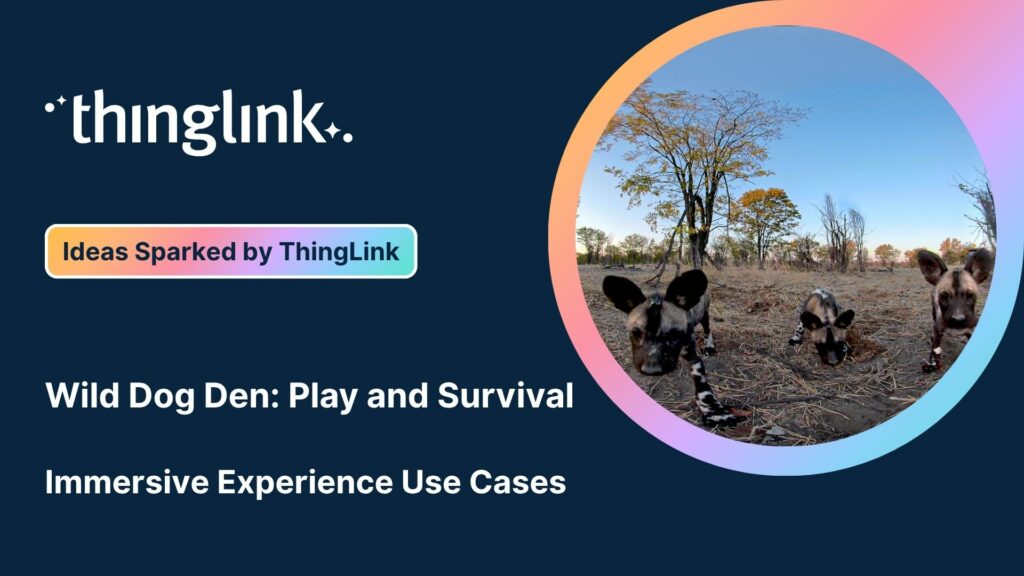
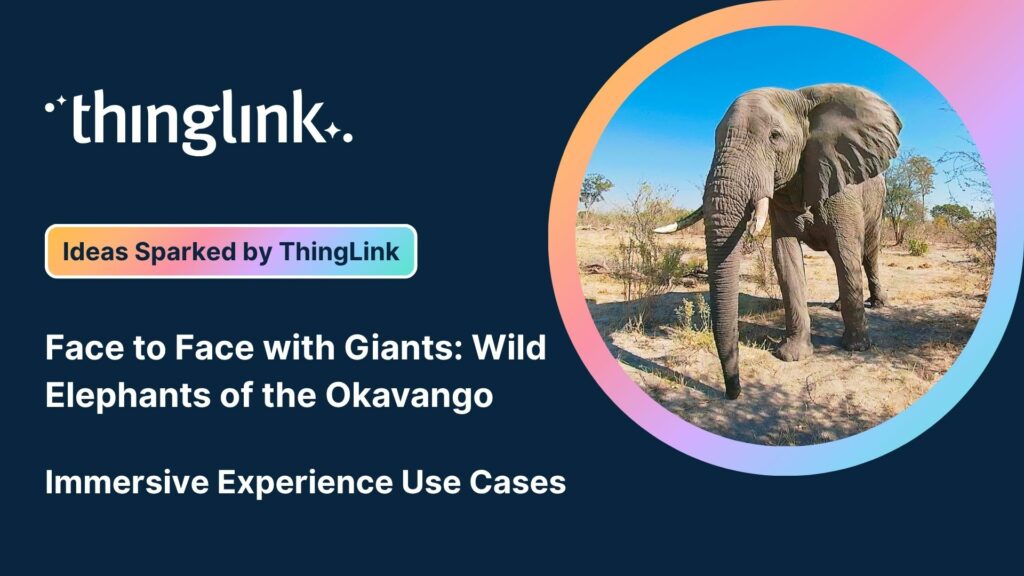
In action! Explore this example.
Not all virtual field trips are equal. A video walkthrough of a museum is a start, but it is not truly interactive. The experiences that generate the most learning share a few key characteristics.
Interactivity. Students should be able to click, explore, respond, and make decisions. Embedded questions, audio explanations, image hotspots, and branching scenarios all move the experience from watching to doing.
Curriculum alignment. The best virtual field trips are built with specific learning objectives in mind. Whether you are exploring habitats in science, primary sources in history, or spatial data in geography, the content should connect directly to what students need to know and be able to do.
Student agency. Giving learners choices about where to go and what to investigate deepens engagement and supports differentiation. A student who has explored a concept in their own order and at their own pace is far more likely to retain it.
Opportunities for student creation. The most powerful shift you can make is moving students from consumers to creators. When they build their own virtual field trips, they develop research skills, digital communication skills, and genuine pride in their work.
Virtual Field Trip Ideas Across Subject Areas
Need inspiration? Here are subject-specific ideas that work across K-12 settings, from primary classrooms to high school electives.
Science and Geography
- A virtual visit to a weather observatory, where students interact with real data, instrument explanations, and atmospheric science content. The Mount Washington Observatory’s ThingLink virtual experience is a compelling real-world example of exactly this.
- An interactive ecosystems tour, where each zone of a habitat contains embedded information, video clips, and comprehension questions.
- A geology field trip using 3D-scanned rock samples that students can examine from every angle, made possible through tools like ThingLink Capture.
History and Social Studies
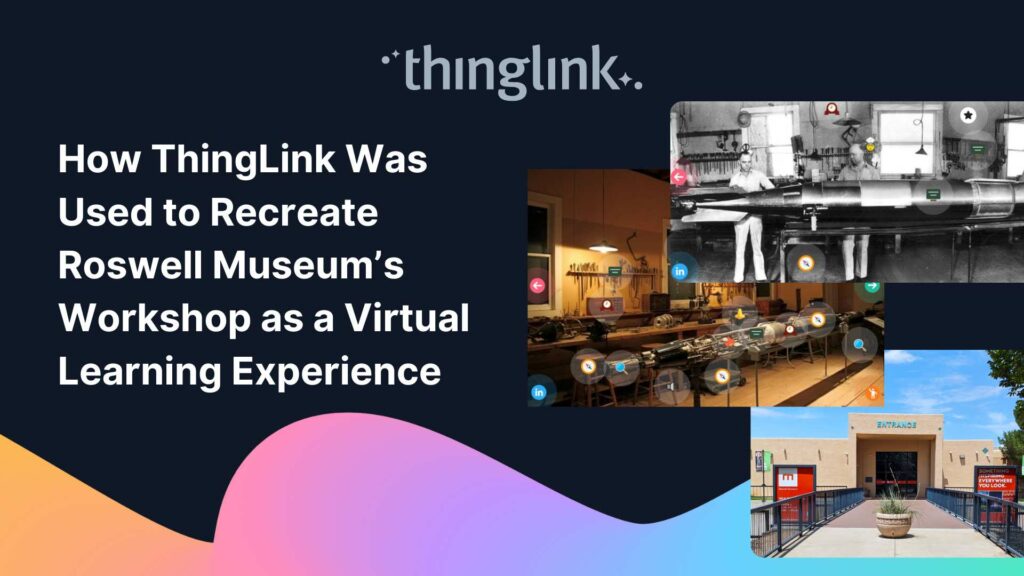
- A 360° tour of a historical site or reconstructed environment, with primary source documents and contextual hotspots embedded throughout.
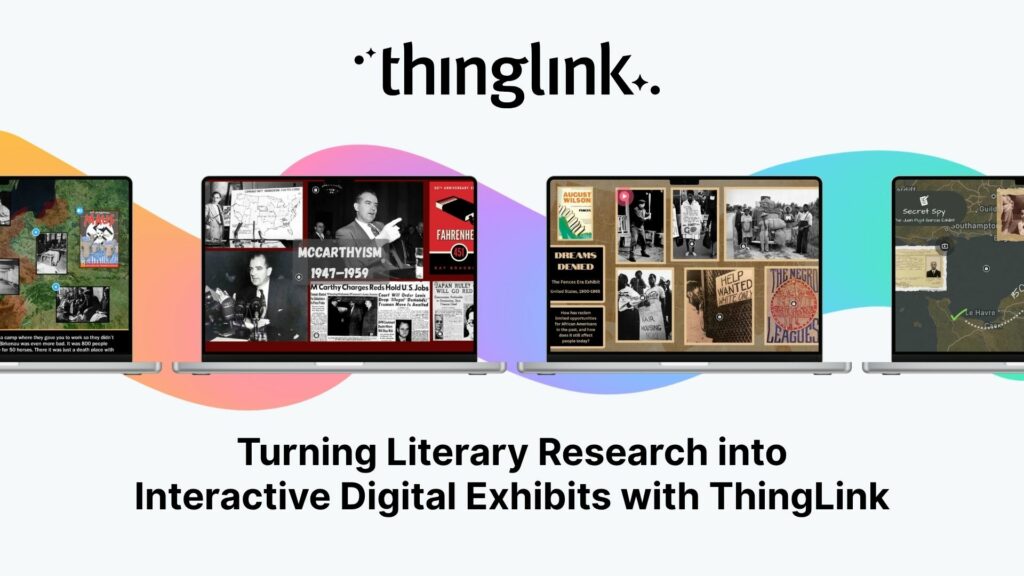
- A student-created virtual exhibition where learners research a historical period and build their own interactive display, combining project-based learning with student digital learning skills.
- A community heritage walk using local photographs, oral history recordings, and maps assembled into an interactive image.
English Language Arts and Media Literacy
- A virtual author’s study, linking images of significant places to excerpts, biographical notes, and writing prompts.
- A collaborative storytelling project where student groups each build one scene of a shared narrative using interactive images.
Tools to Create and Deliver Virtual Field Trips
You do not need a production team or a specialist in immersive technology to create compelling virtual field trips. The right platform makes the process accessible to any teacher, regardless of prior technical experience.
ThingLink: Interactive Images, 360° and Beyond
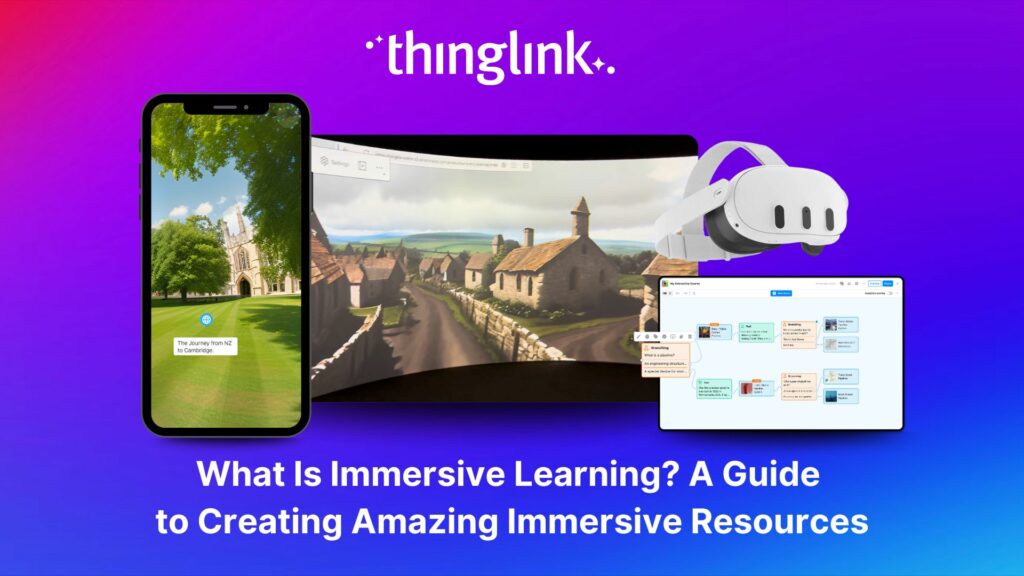
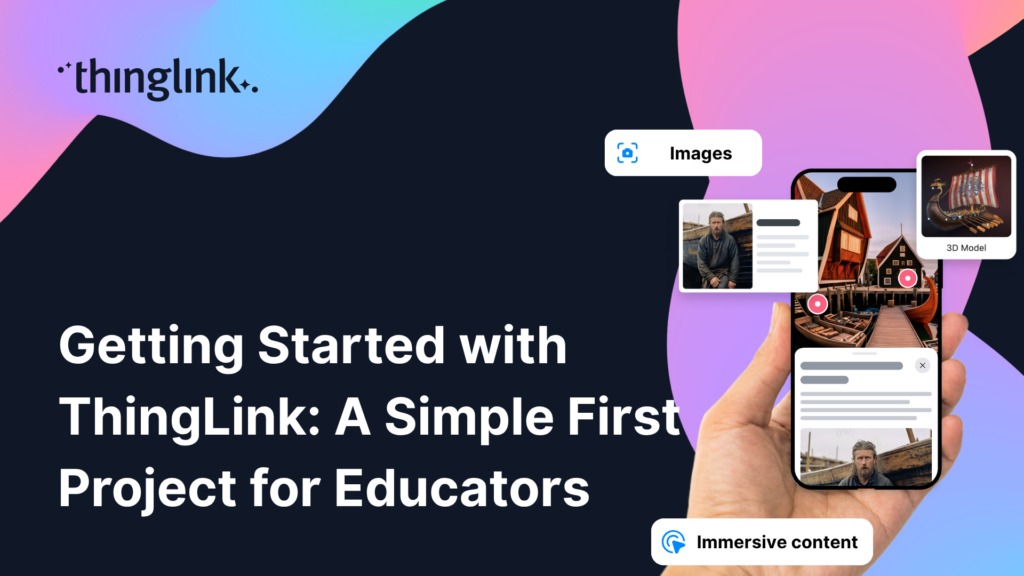
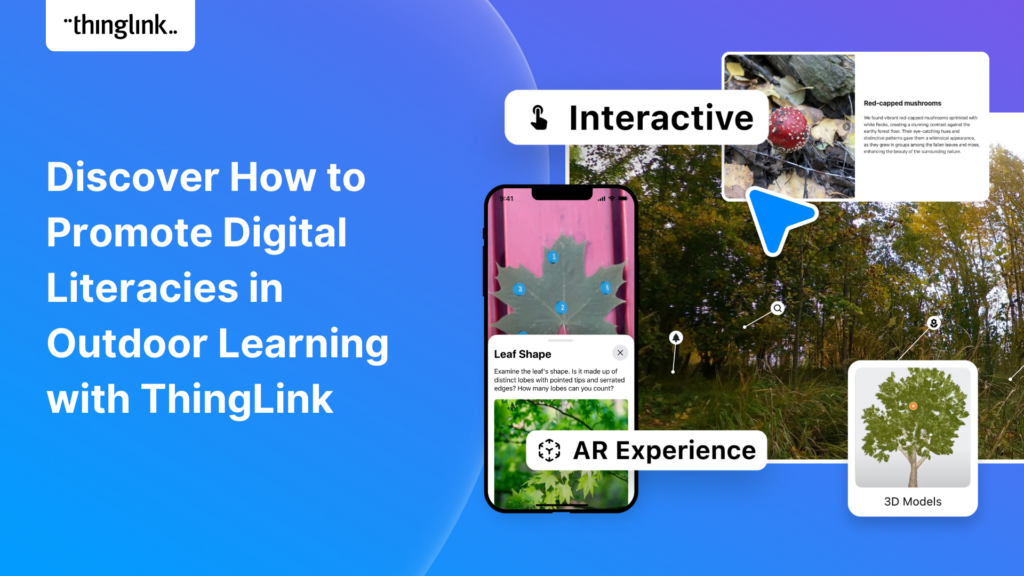
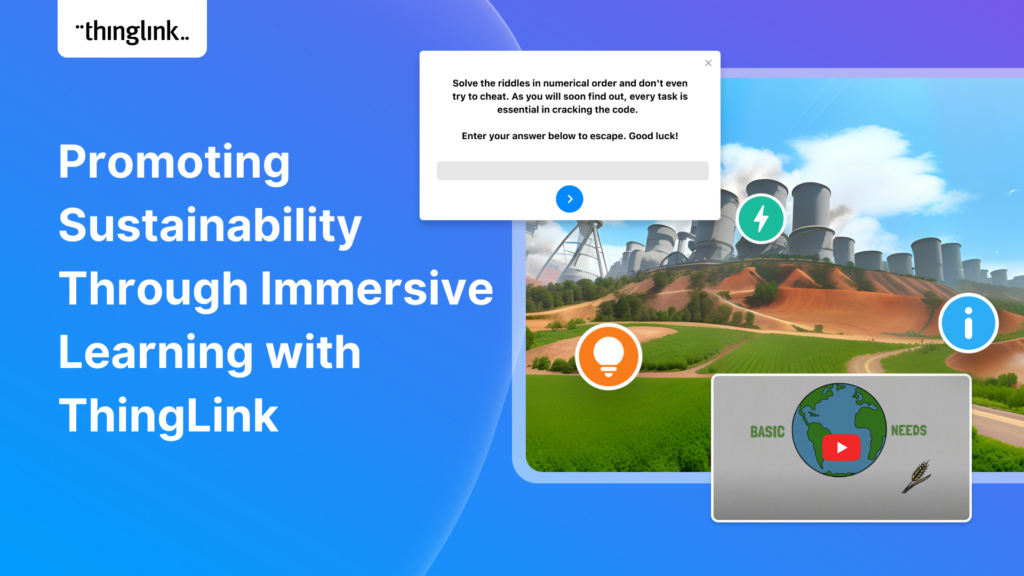
ThingLink is built for exactly this kind of content. You can create interactive images, embed 360° photography, layer in video, audio, text, quizzes, and links, and publish the result as a shareable experience that works on any device. No specialist hardware required.
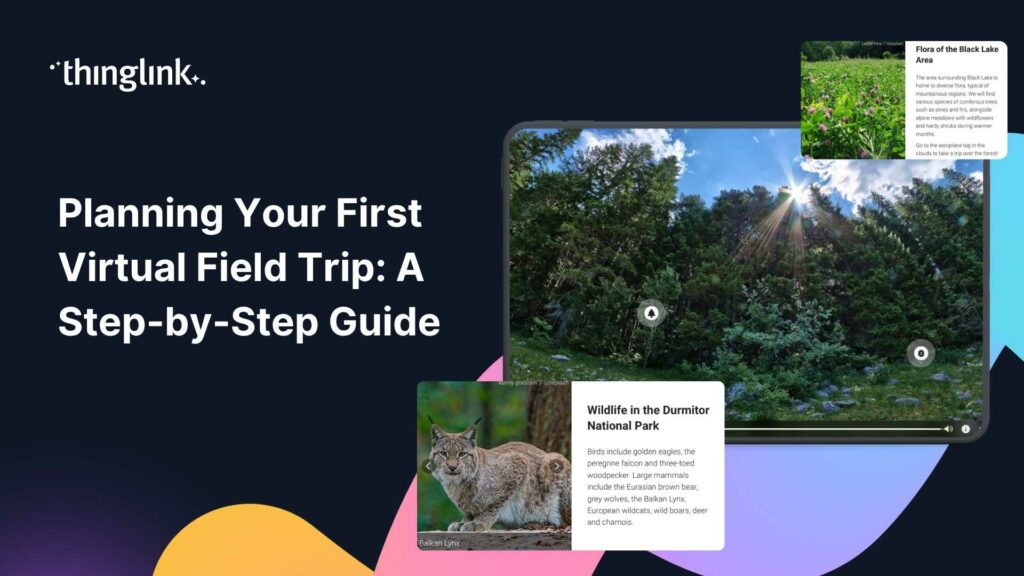
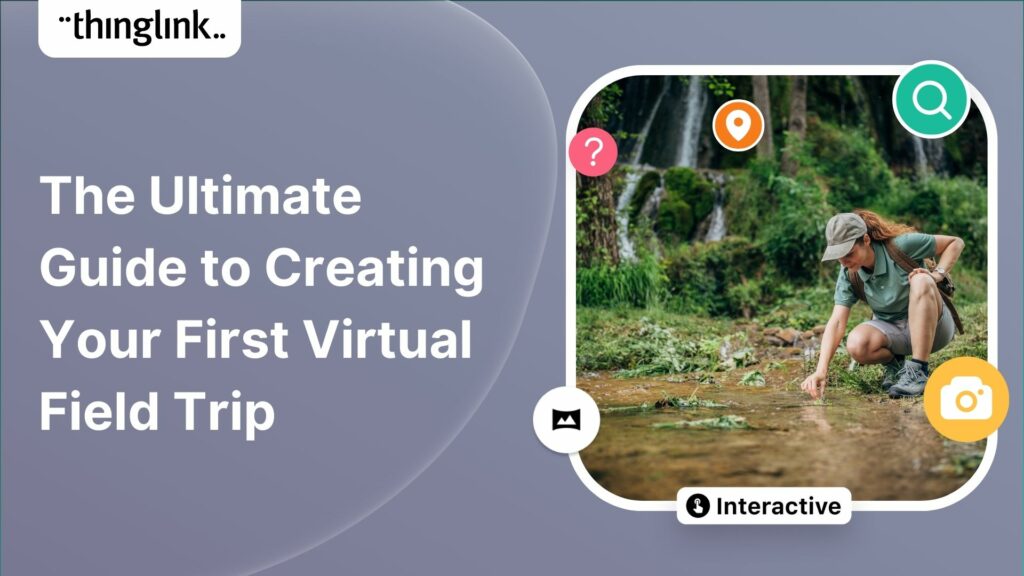
For teachers who want a step-by-step starting point, the ultimate guide to creating your first virtual field trip walks you through the process from choosing your format to publishing and sharing with students.
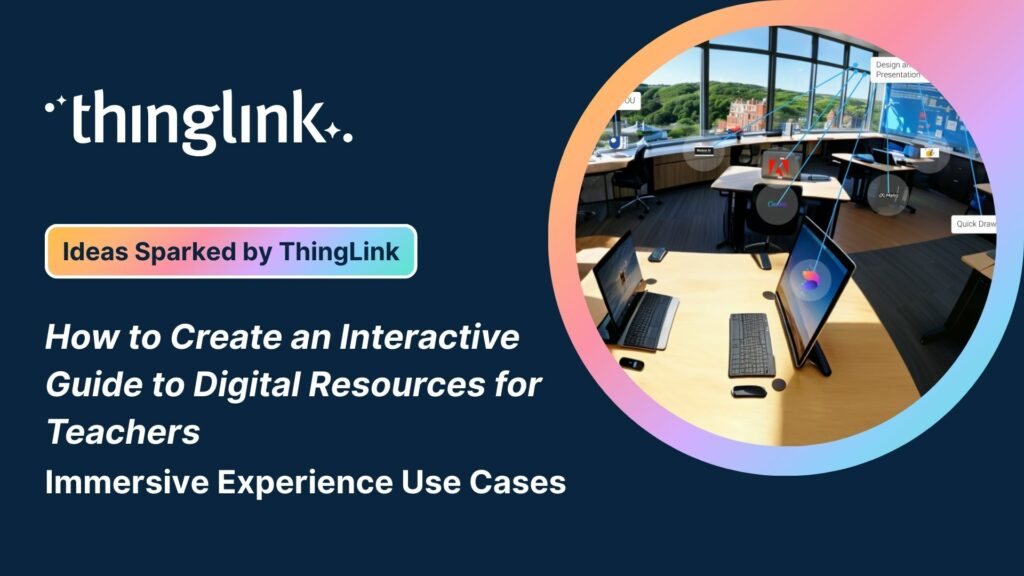
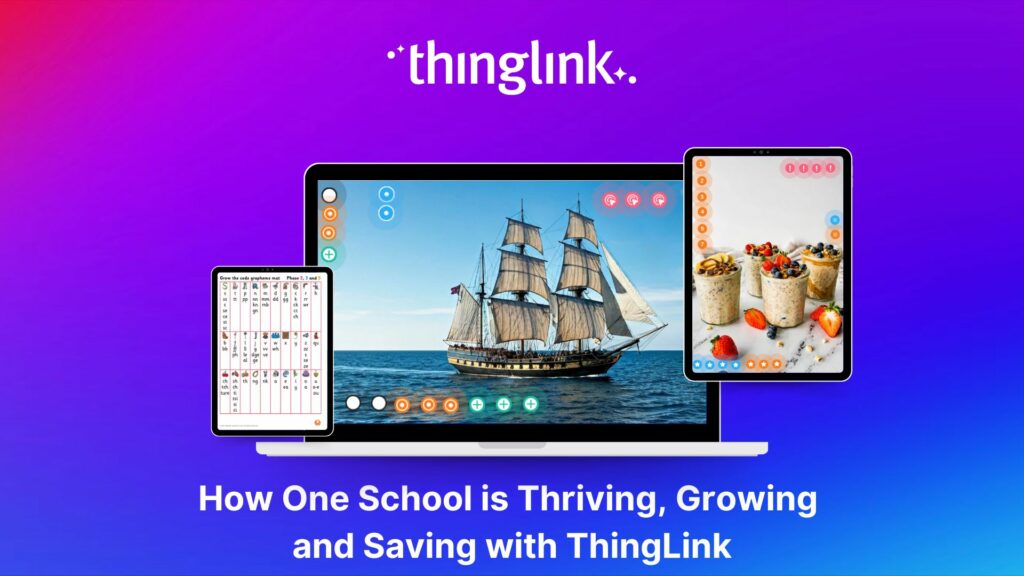
For district leads thinking about scale, ThingLink supports whole-school and multi-school deployments, with tools that help teachers collaborate and share content. Find out more about interactive learning experiences for your whole school community.
Supporting Flipped Learning
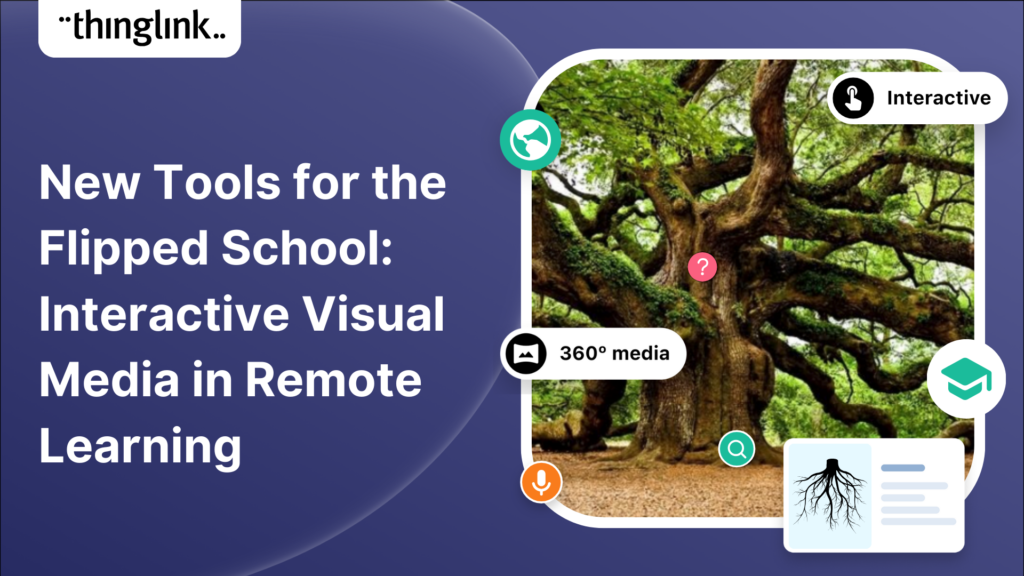
Virtual field trips pair naturally with flipped classroom models. Students complete the interactive experience at home, arriving at school having already encountered the key ideas and ready for deeper discussion. The post on interactive visual media in remote and flipped learning explores this connection in more detail.
Turning Students Into Creators: The Most Powerful Shift
The most exciting application of virtual field trips in K-12 is not teacher-built content. It is student-built content.
When you ask students to create their own interactive virtual experience, you are not just assessing their knowledge of a topic. You are developing a much richer set of student digital learning skills: research and curation, digital communication, visual storytelling, collaboration, and the ability to think about audience and purpose.
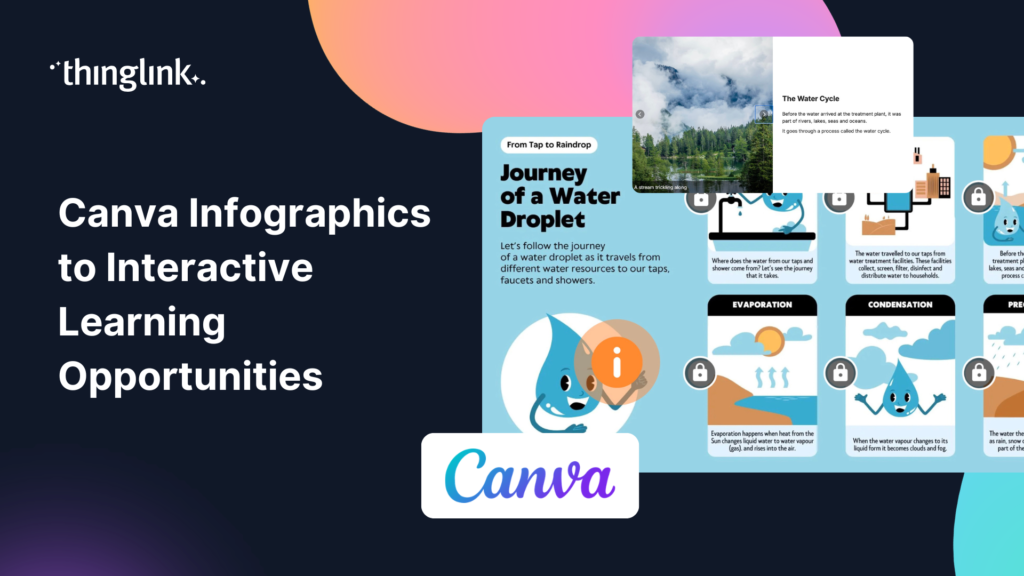
A Year 8 class researching the water cycle, for example, could each take responsibility for one stage of the cycle, building an interactive hotspot with images, their own voice narration, and a quiz question. The finished product is a collaborative, curriculum-aligned virtual field trip made entirely by students, and a powerful artefact of learning.
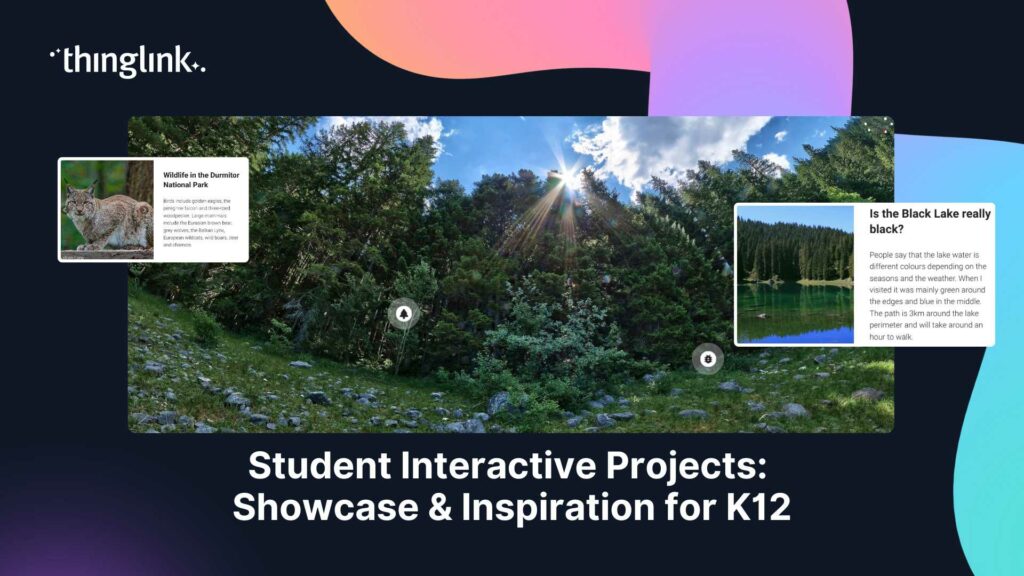
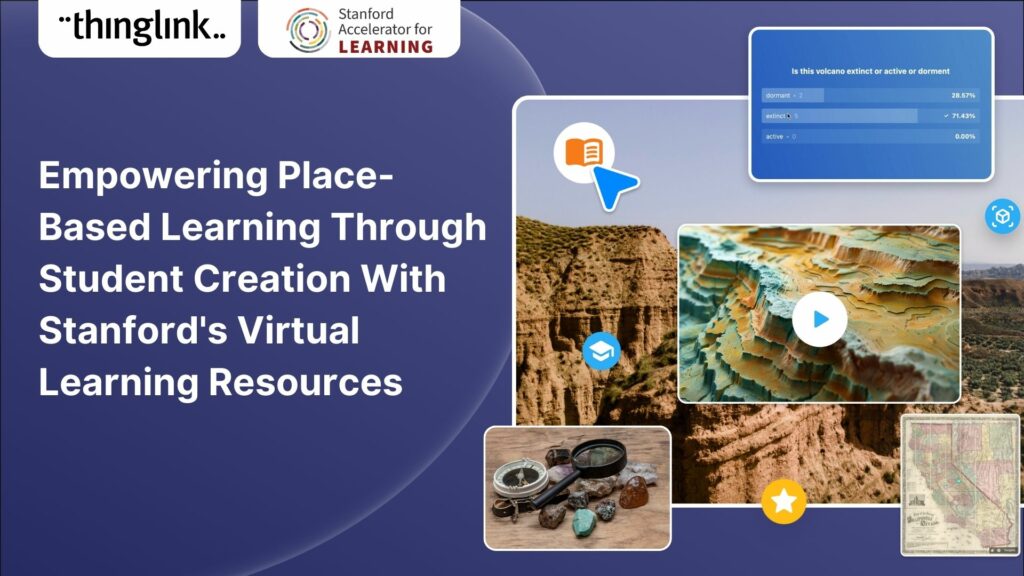
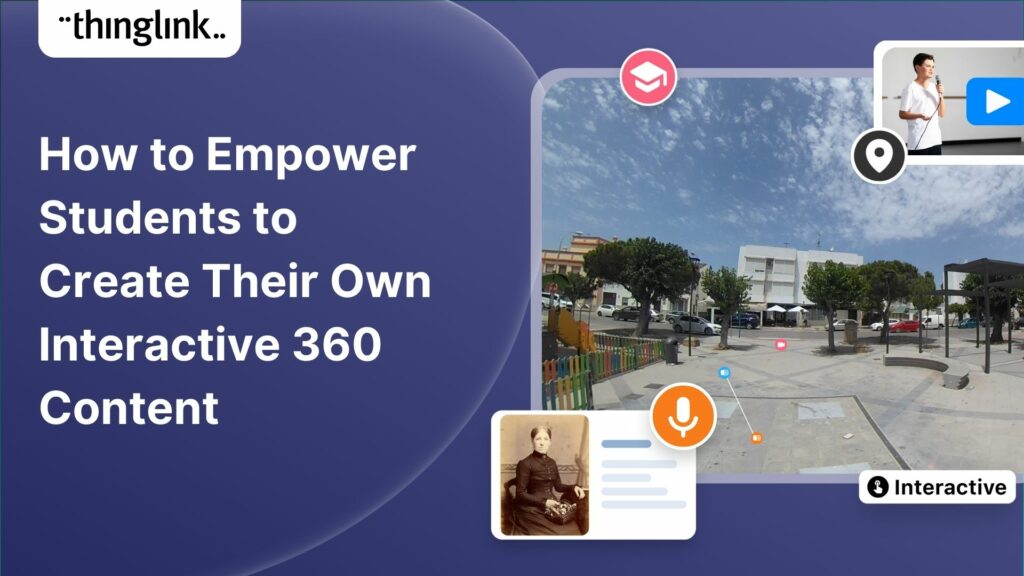
Using ThingLink, learners can research real places, organise and interpret information, capture or create multimedia, design an immersive journey, and communicate their knowledge to others. Stanford University’s Virtual Field Trips project highlights how this approach deepens subject understanding while producing a wide range of valuable skills outcomes, including creativity, critical thinking, digital literacy, collaboration, communication, storytelling, and design thinking. Explore Stanford’s research and inspiring examples of student-created virtual field trips on the Stanford Virtual Field Trips website.
Getting Staff and Leadership on Board
For headteachers and digital learning leads, the key to embedding virtual field trips at scale is making the case clearly and providing practical support for teachers.
Start small. Identify one or two enthusiastic teachers who are willing to pilot a virtual field trip in their subject. Document the process, gather student feedback, and use that evidence to build wider buy-in.
Connect it to existing priorities. Virtual field trips support digital literacy frameworks, SEND inclusion goals, and curriculum enrichment agendas that most schools already have. Frame them as a delivery mechanism for outcomes you are already pursuing, not an extra burden.
Provide time and training. Teachers who feel confident with the tools are far more likely to experiment and share what they create. Even a short professional learning session can make a significant difference. ThingLink’s educator resources and webinars are a practical starting point for professional development.
Ready to Take Your Students Somewhere New?
Virtual field trips are one of the most flexible, inclusive, and educationally rich tools available to K-12 educators right now. Whether you are building immersive science experiences, supporting curriculum-aligned history projects, or challenging students to create their own interactive environments, the opportunity to develop student digital learning skills is built into every step of the process.
The technology is accessible. The examples are real. The only question is where you want to go first.
Start with the ultimate guide to creating your first virtual field trip and take the first step today.