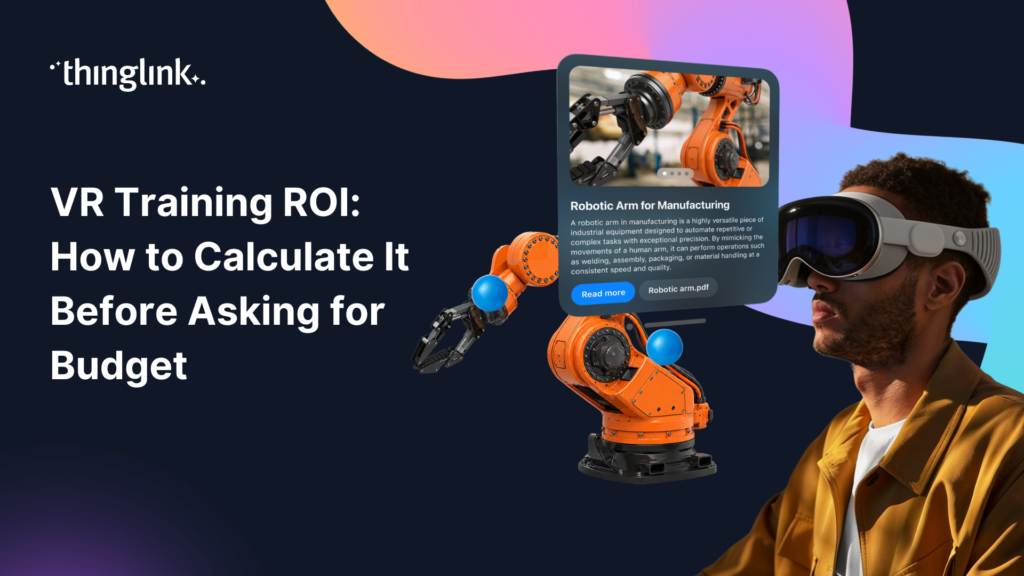
VR Training ROI: Build a Business Case Your Board Will Approve
You already know immersive learning works. You've seen the engagement numbers, heard the feedback from pilot participants, and watched colleagues at other organisations roll out virtual reality training to real effect. The harder part? Walking into a boardroom and convincing senior stakeholders to fund it.
This post is your practical guide to building a business case for VR training that speaks the language of decision-makers. We'll cover the metrics that matter, the objections you'll face, and how platforms like ThingLink make it easier to demonstrate value without requiring a six-figure hardware budget.
Why the Business Case for VR Training Is Stronger Than Ever
Immersive learning has moved well beyond the pilot phase in most industries. Organisations across healthcare, manufacturing, retail, and financial services are using virtual environments to train employees faster, more consistently, and at lower long-term cost than traditional instructor-led methods.
The shift is being driven by something boards understand well: risk and efficiency. VR training allows learners to practise high-stakes procedures in a safe environment, reducing the cost of errors, accidents, and compliance failures. At the same time, immersive formats consistently outperform passive e-learning on knowledge retention and skills transfer.
For L&D Managers, that combination of reduced risk and improved outcomes is the foundation of a compelling business case.
Start With the Problem, Not the Technology
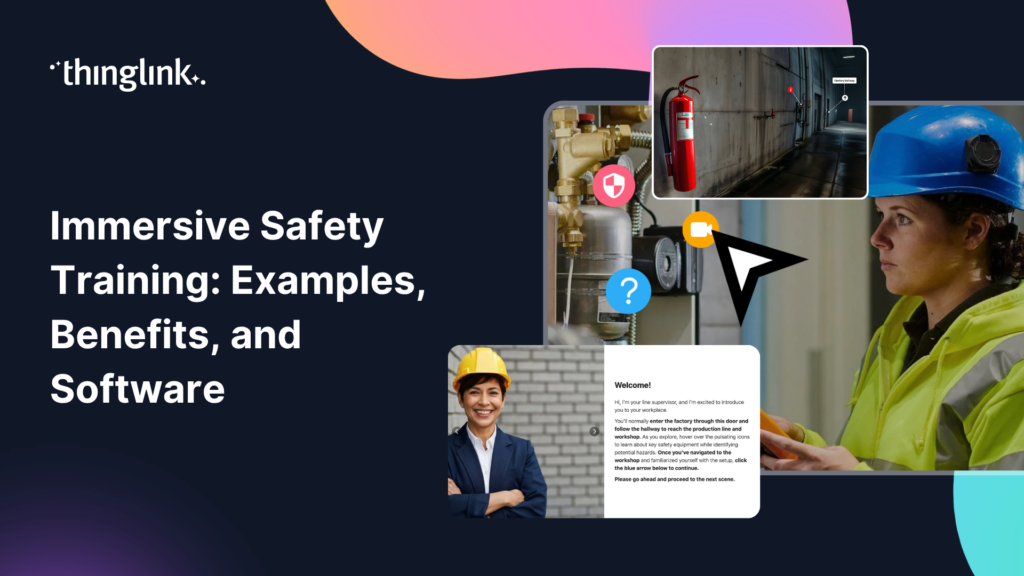
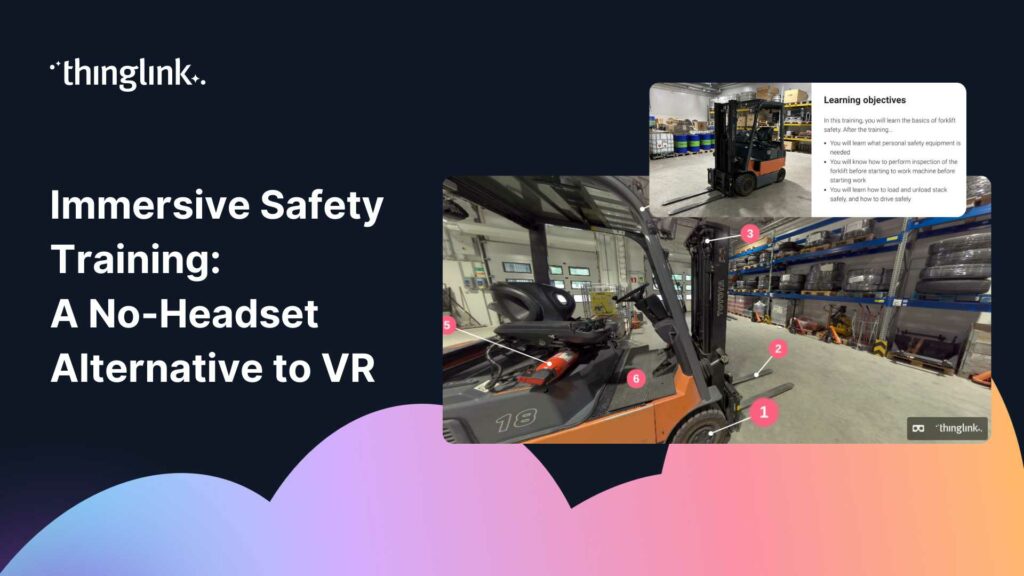
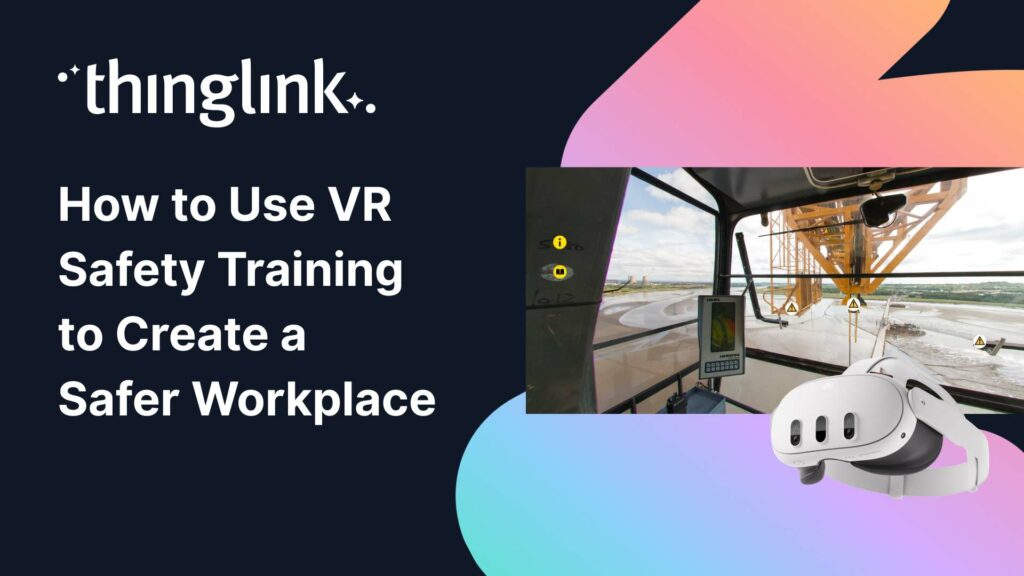
In action! Explore this example.
The most common mistake when pitching immersive learning is leading with the technology. Boards and finance teams are not interested in what VR can do in the abstract. They want to know what specific business problem it solves.
Before you open a slide deck, anchor your proposal in one or more of the following:
- A measurable performance gap. Are customer service scores below target? Is time-to-competency too long for new hires? Is compliance training failing to change behaviour on the floor?
- A cost centre that's growing. Travel costs for in-person training, agency fees for contractors, or repeated retraining due to high turnover.
- A risk that's visible to leadership. A recent incident, a failed audit, or an upcoming regulatory change that demands a new training approach.
Once you've framed the problem clearly, the technology becomes the solution rather than the subject. That reframe changes the entire conversation.
How to Frame VR Training ROI for Senior Stakeholders
ROI for immersive learning doesn't come from a single number. It comes from a combination of cost savings, performance improvements, and risk reduction. Here's how to build your financial case across each dimension.
Calculate the Cost of Current Training
Start by mapping everything you currently spend to achieve the same training outcomes you're proposing to improve. Include:
- Facilitator and trainer time (internal and external)
- Venue, travel, and accommodation costs
- Lost productivity during off-site training days
- Materials, printing, and equipment
- Retraining costs due to knowledge decay or failed assessments
This baseline number is your comparison point. Immersive learning typically reduces several of these line items significantly once content is built, because the same experience can be reused at scale without incremental cost.
Project the Cost of Immersive Content Creation
One of the most frequent objections you'll face is that creating VR or immersive content is expensive and slow. This is where platforms like ThingLink change the conversation.
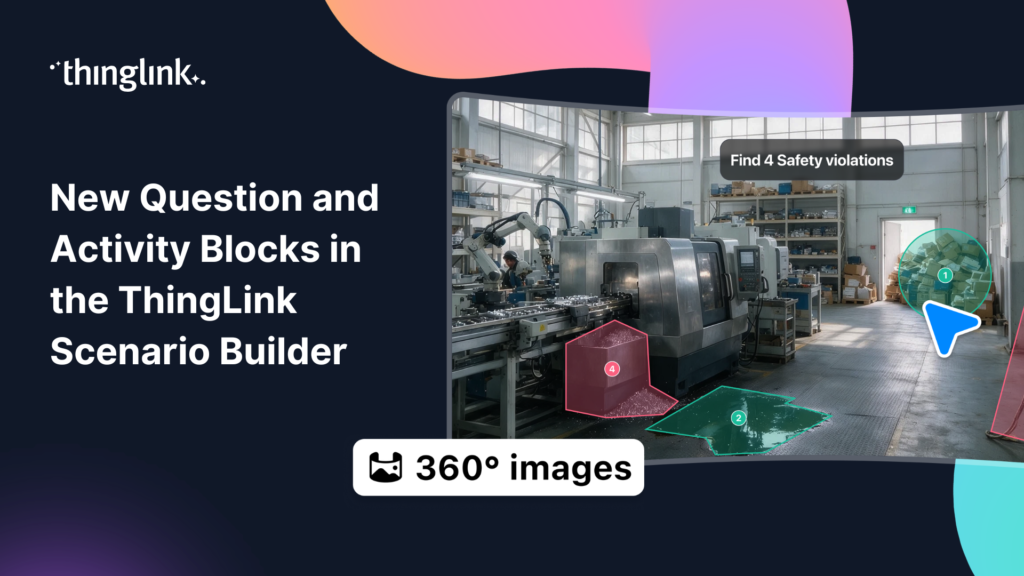
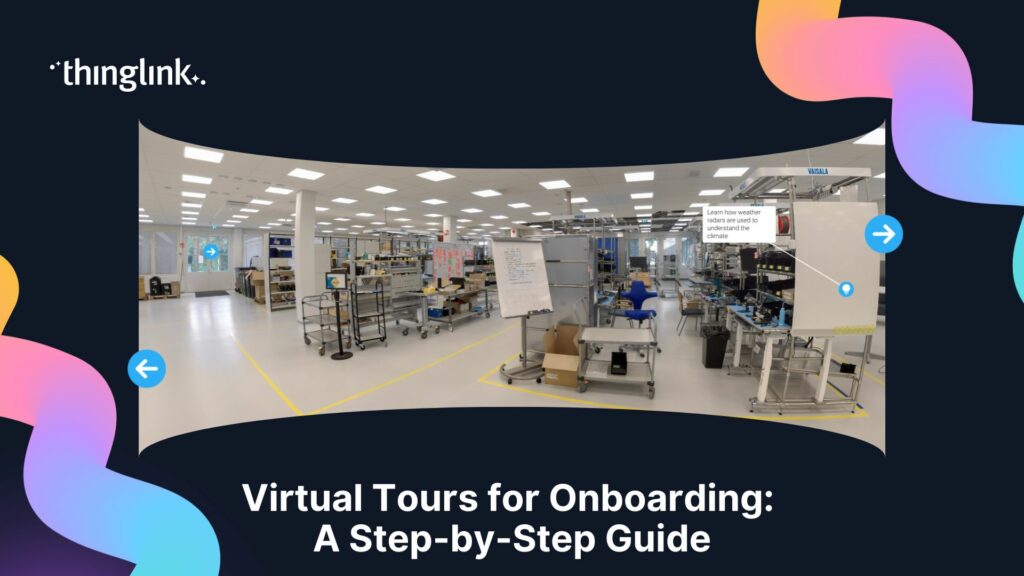
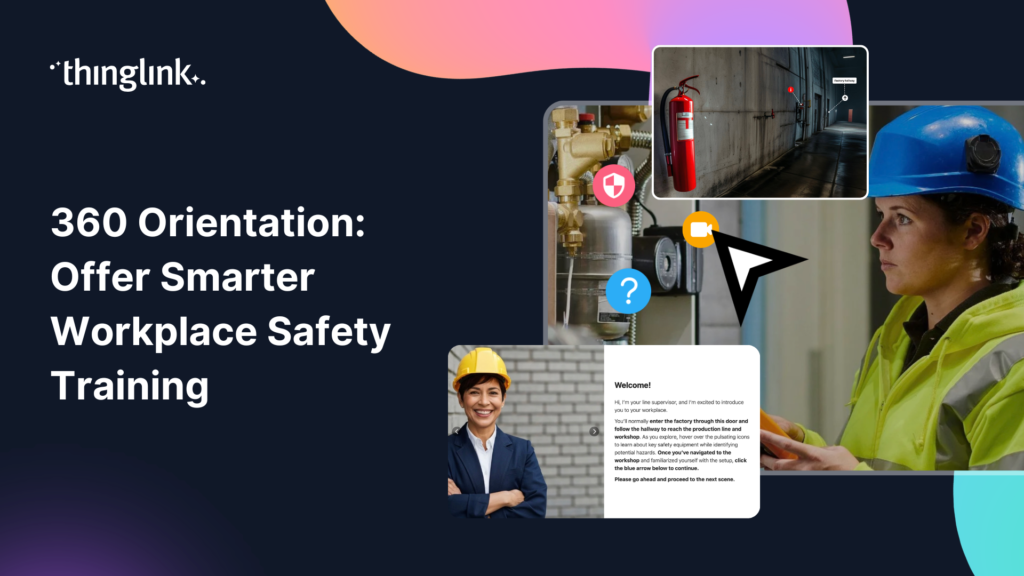
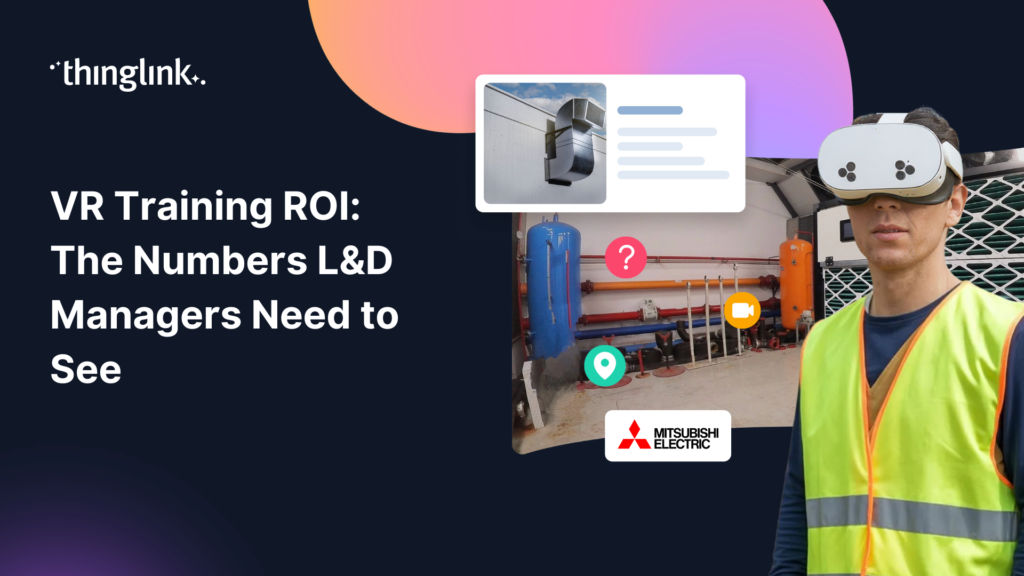
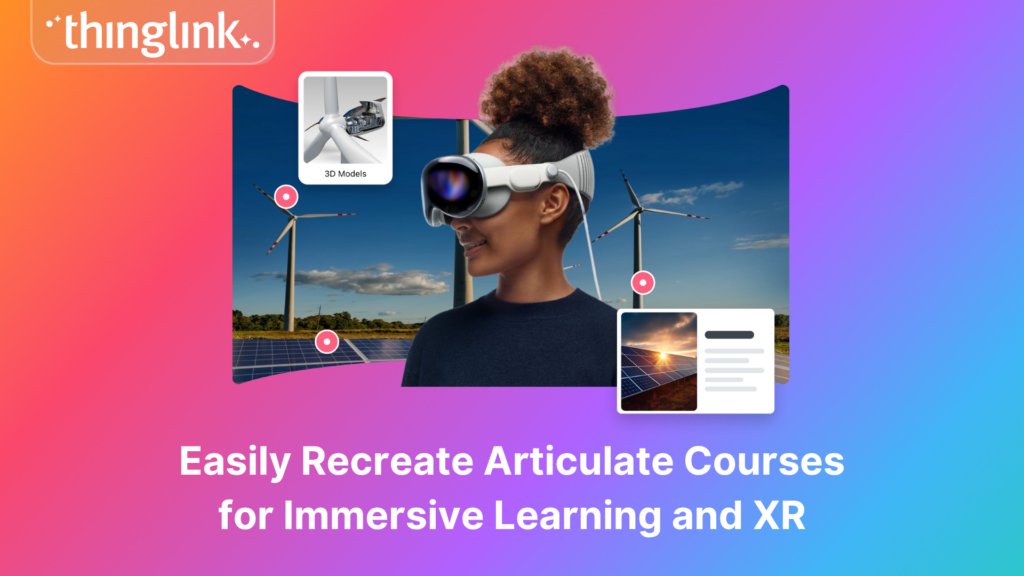
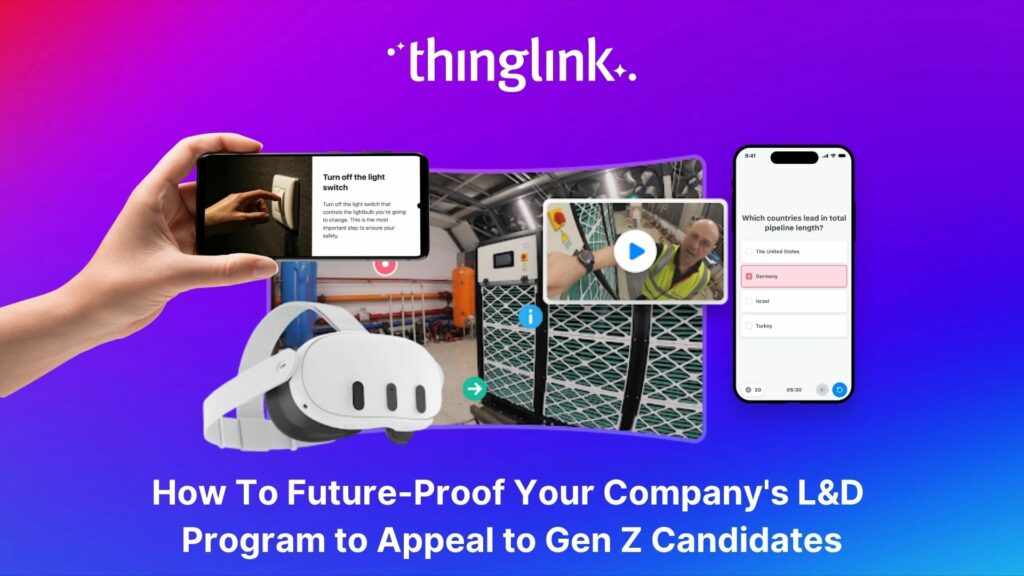
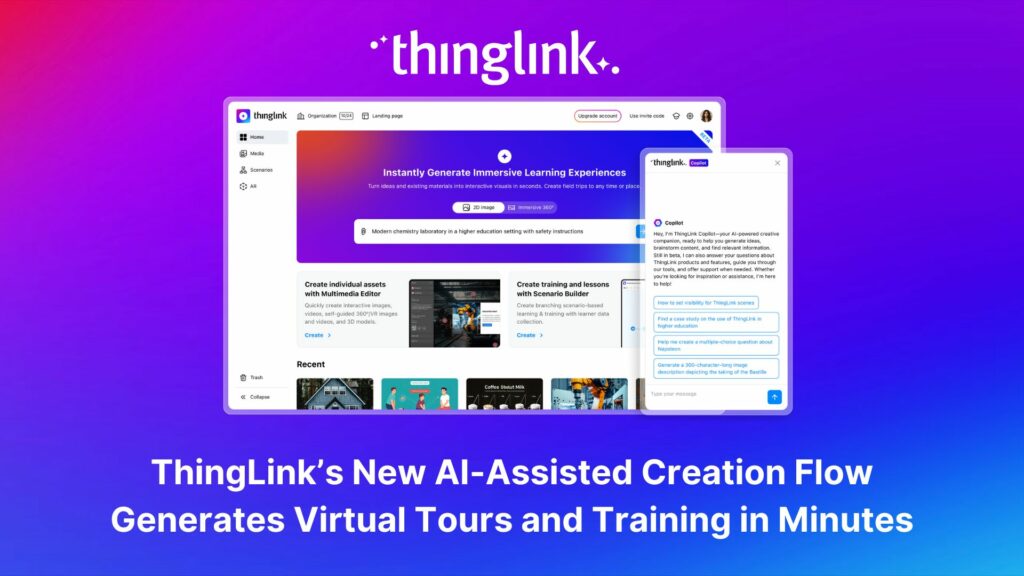
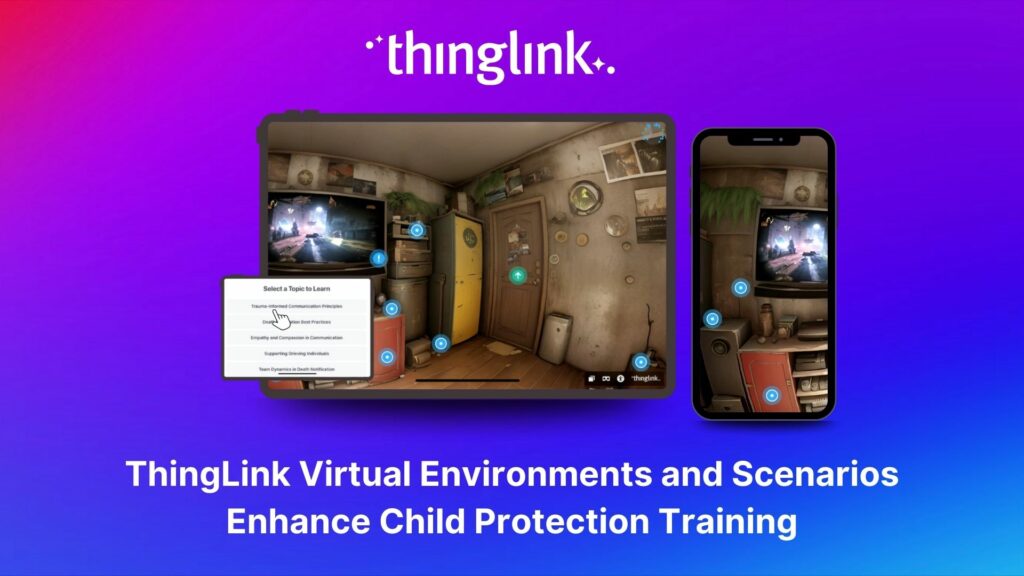
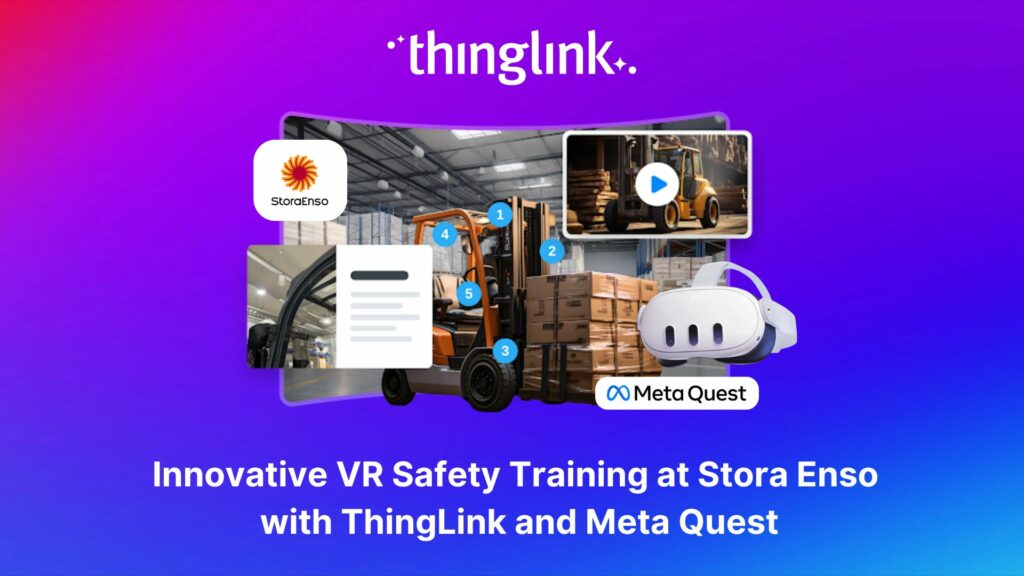
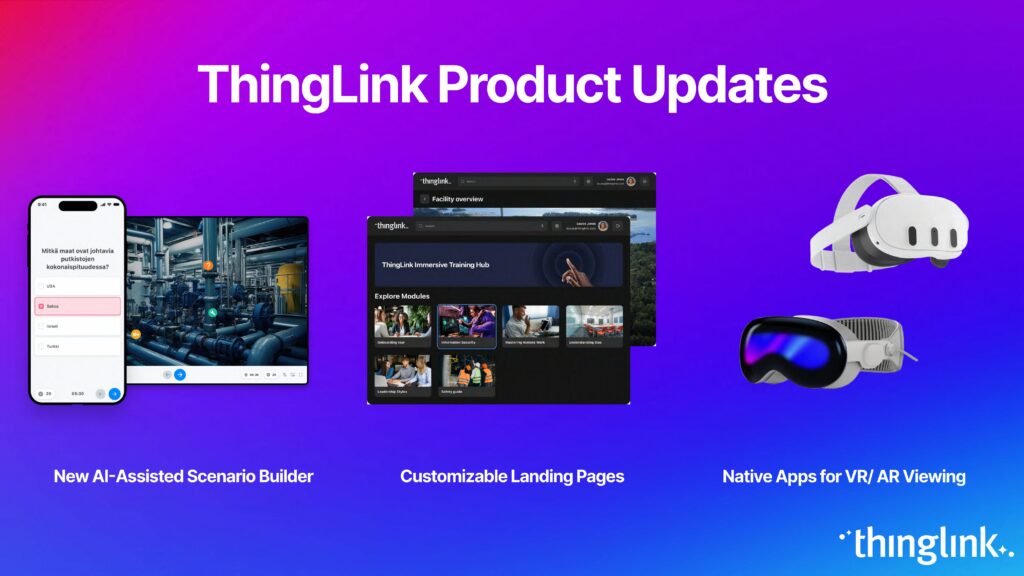
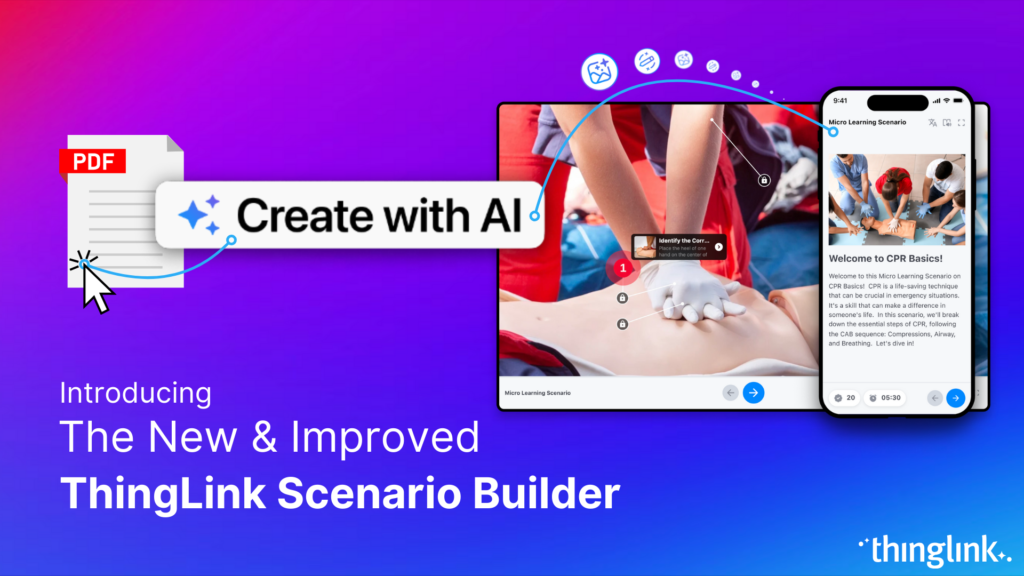
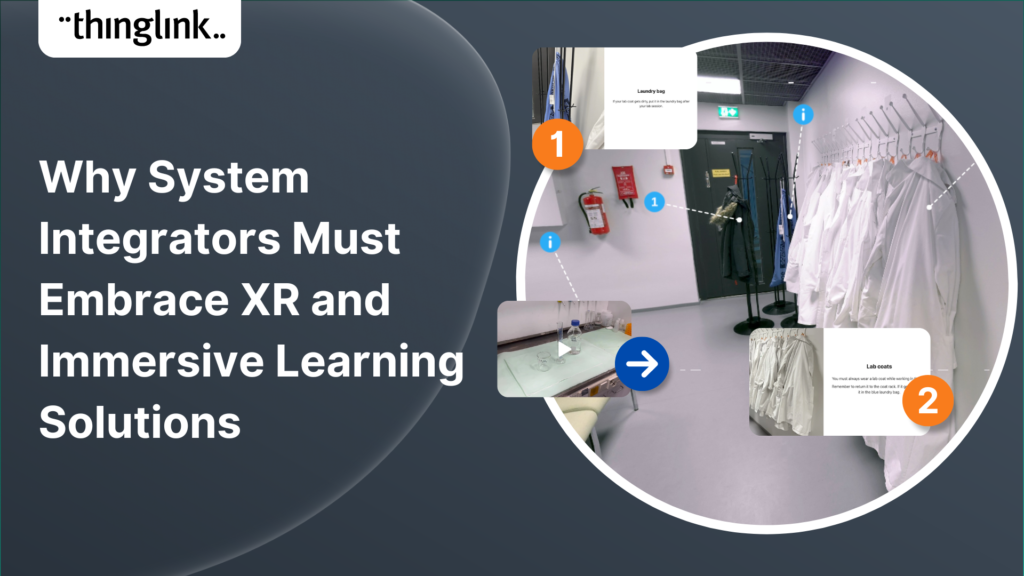
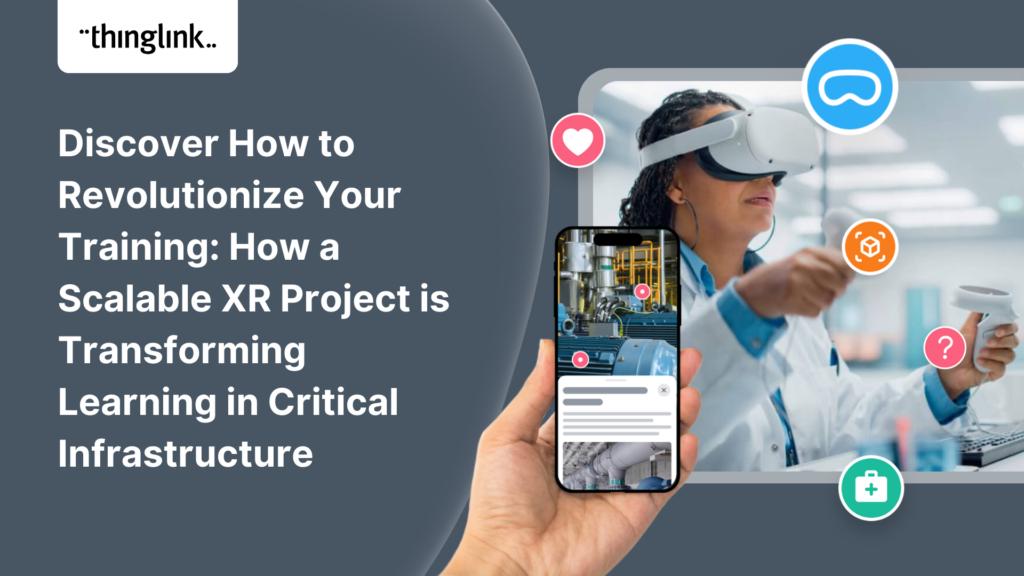
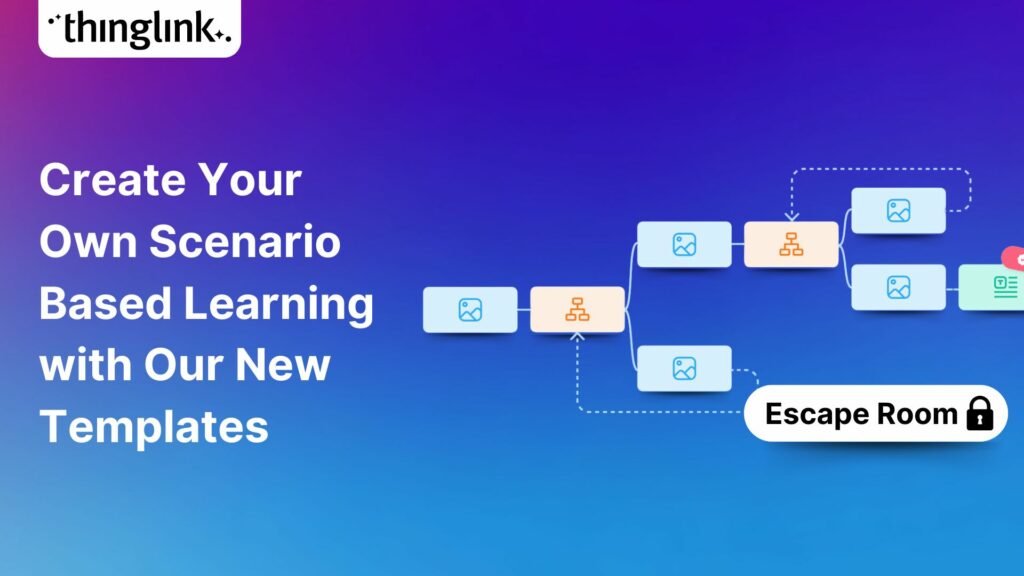
Unlike bespoke VR development studios, ThingLink gives your existing L&D team the tools to build interactive 360° environments, scenario-based learning modules, and XR experiences without specialist coding skills. Your team can start with 360° photography of your actual workplace, add interactive hotspots, embed video, quizzes, and branching scenarios, and publish to both desktop browsers and VR headsets like Meta Quest.
That dramatically lowers the cost of content creation and shortens the time from concept to deployment. It also means your team retains control over updates, which reduces ongoing maintenance costs.
See how ThingLink XR works on Meta Quest
Identify the Performance Metrics You'll Track
Boards want to know how you'll measure success. Before you present, agree on two or three KPIs that are already tracked by the business and that your training intervention is designed to move. Good examples include:
- First-time pass rate on compliance assessments
- Time-to-competency for new starters in a specific role
- Customer satisfaction scores following service skills training
- Number of incidents or near-misses in a trained environment
- Employee retention rates in cohorts who completed the programme
Linking your training outcomes to metrics the business already cares about makes your proposal much harder to deprioritise.
Addressing the Objections You'll Face
Even a well-constructed business case will face pushback. Here are the most common objections and how to handle them.
"We Don't Have the Budget for VR Hardware"
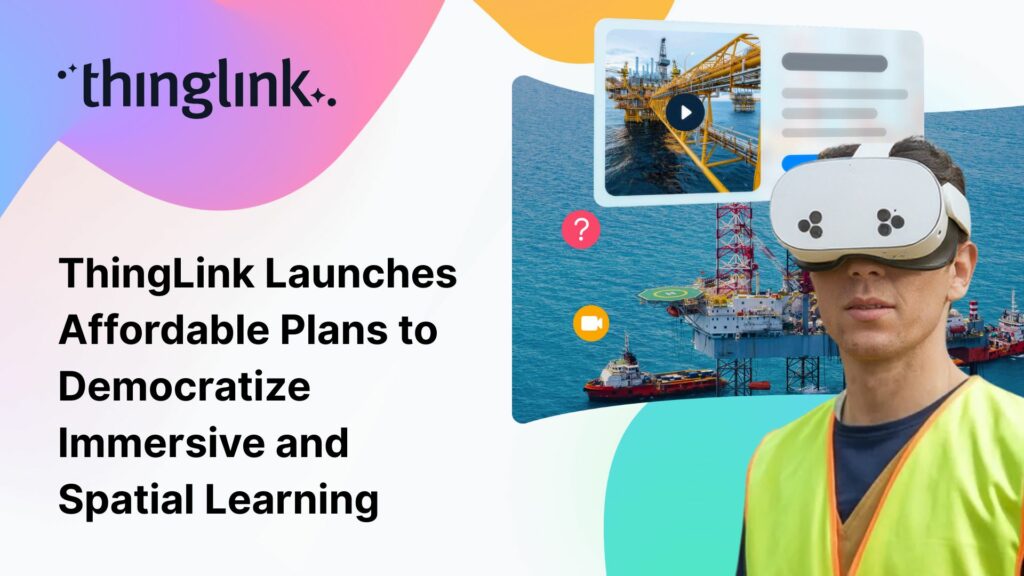
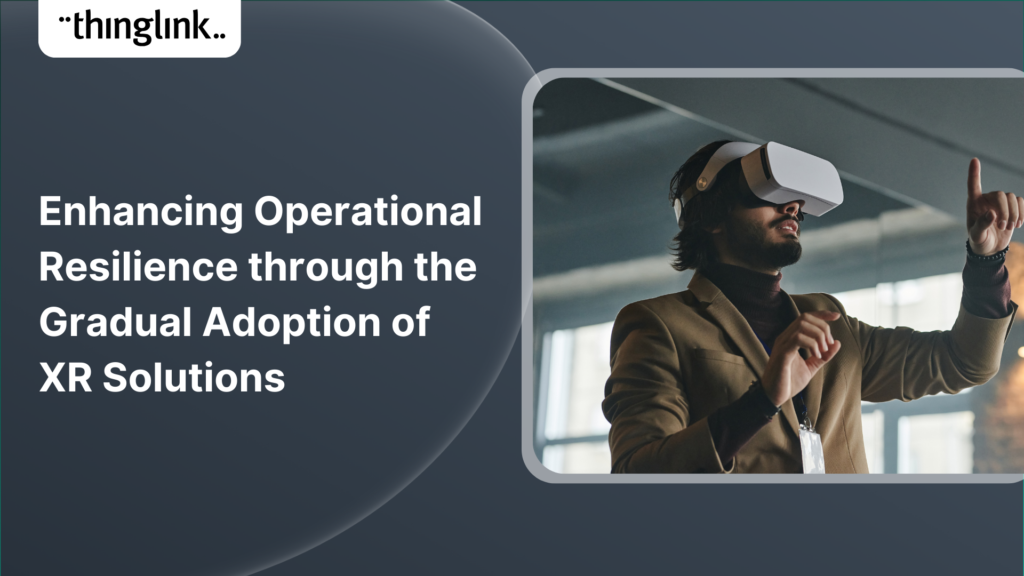
This is the objection most L&D Managers dread, but it's also the easiest to counter. Immersive learning does not require every learner to use a headset. ThingLink experiences run equally well on a standard desktop browser, a tablet, or a smartphone, making them accessible across your entire workforce without any hardware investment.
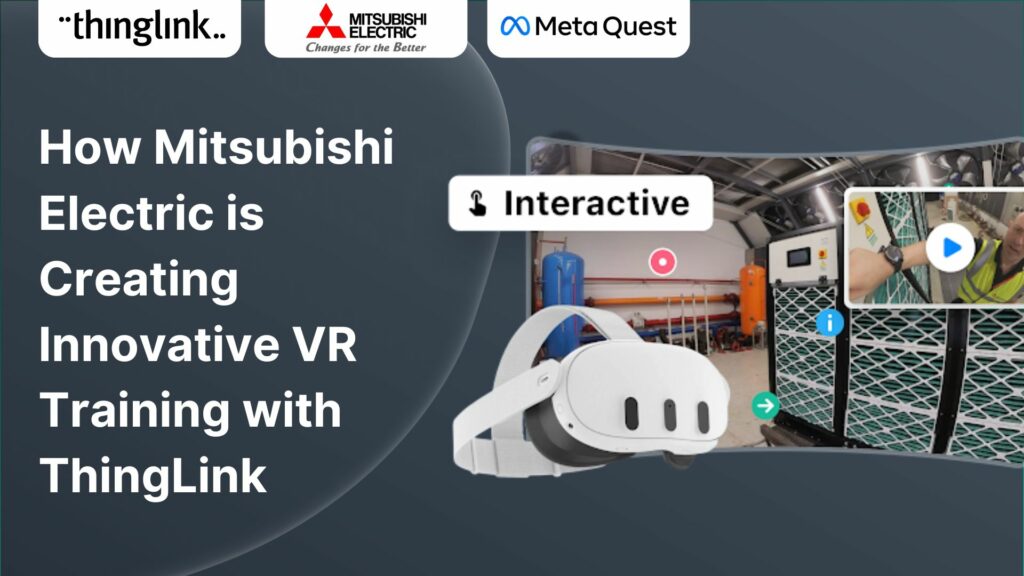
For teams who do want to leverage headsets, ThingLink's XR content is compatible with Meta Quest devices, which are increasingly available at accessible price points. You can also propose a phased approach: start browser-based, introduce headsets for specific high-value use cases once you've demonstrated ROI.
Explore ThingLink’s spatial learning tools
"Our L&D Team Doesn't Have the Technical Skills"
This is a legitimate concern that deserves a direct answer. The good news is that ThingLink is designed for educators and L&D professionals, not developers. The platform has a recognised track record as a practical authoring tool, and ThingLink offers structured onboarding to help your team build confidence quickly.
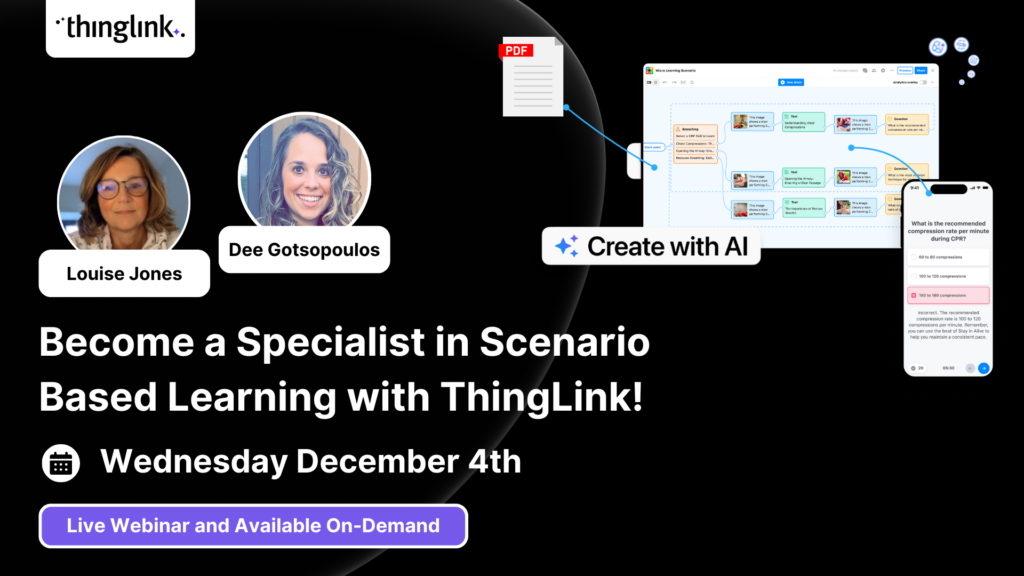
ThingLink even offers a dedicated Creator Course to help new users get up and running with interactive and immersive content production.
Learn about the ThingLink Creator Course
"How Is This Different From the E-Learning We Already Have?"
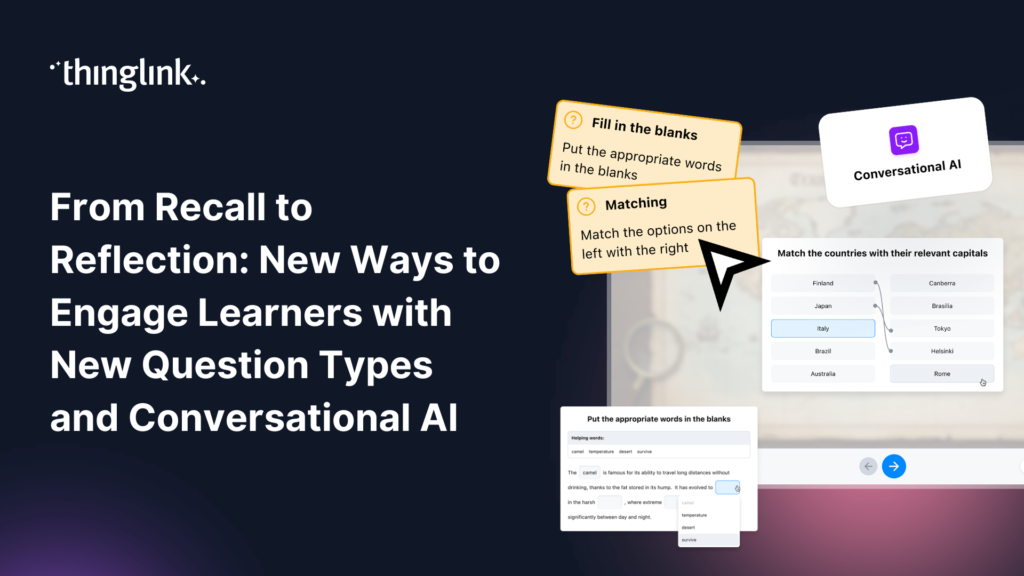
Traditional e-learning tends to be passive: learners click through slides, watch videos, and complete a quiz. Immersive learning puts learners inside a scenario where they have to make decisions, navigate environments, and experience the consequences of their choices.
The difference in engagement and knowledge retention is significant, and it's especially pronounced for skills-based training where context and consequence matter. Customer service, safety procedures, compliance behaviour, and equipment operation are all areas where scenario-based immersive learning consistently outperforms slide-based content.
See how immersive customer service training works
If your board or procurement team is evaluating ThingLink alongside other authoring tools, it's also worth noting the platform's strong independent ratings.
Read about ThingLink’s Capterra Top Performer recognition
Building the One-Page Summary Your Board Will Actually Read
Most board members won't read a 20-page proposal. You need a concise summary that communicates value in under two minutes. Structure it like this:
The Problem. State the specific performance gap, risk, or cost driver in one sentence.
The Solution. Describe immersive learning in plain language. Avoid acronyms. Focus on what learners will do differently as a result.
The Investment. Break this into one-time costs (content creation, any hardware) and ongoing costs (platform licence, content updates). Be specific.
The Return. Show the projected impact on your chosen KPIs over 12 and 24 months. Include a break-even point.
The Ask. Be clear about what you need approved: budget, headcount, a pilot programme, or all three.
Keeping this to one page with supporting appendices signals that you've done the analytical work and respect the committee's time.
Why More L&D Teams Are Moving Away from Legacy Authoring Tools
It's also worth acknowledging the broader context your proposal sits in. Many organisations are already questioning whether their current authoring tools are fit for the kind of learning experiences their workforce now expects.
If your business case includes a platform migration or an evaluation of alternatives, ThingLink is increasingly being considered by teams looking for a more flexible, immersive-first approach to content creation.
Read why L&D teams are exploring immersive learning platforms
What a Phased Pilot Looks Like in Practice
If full programme approval feels like a stretch, propose a funded pilot instead. A well-designed pilot reduces the perceived risk for stakeholders and gives you real data to support a larger investment conversation.
A typical ThingLink pilot for a corporate L&D team might involve:
- Identifying one training topic with a clear baseline metric (for example, compliance pass rates or onboarding time)
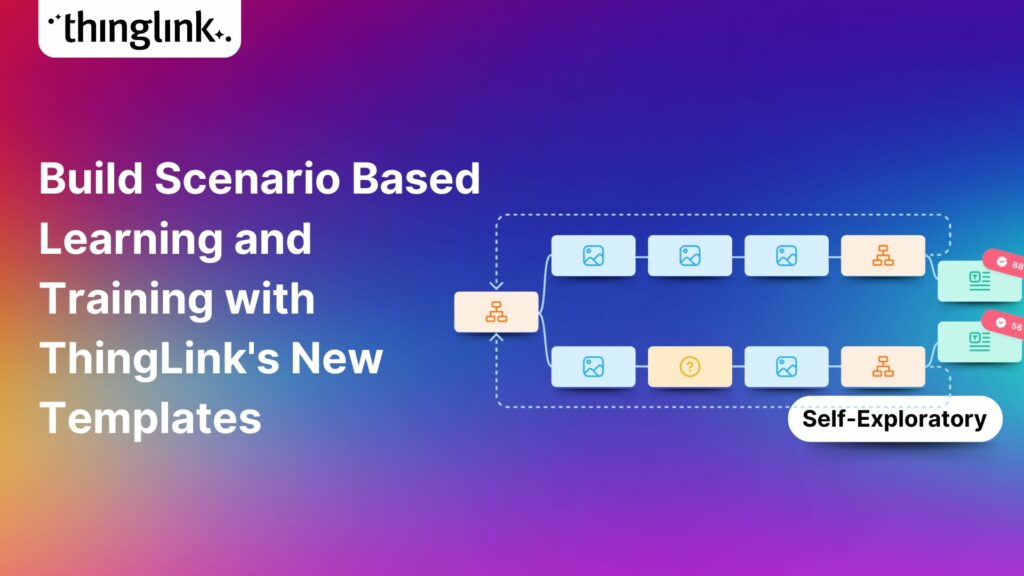
- Building one or two immersive scenarios using ThingLink's authoring tools, starting with 360° imagery of your actual workplace
- Running the experience with a defined cohort of 50 to 200 learners over 8 to 12 weeks
- Measuring outcomes against your baseline and presenting findings to leadership
This approach is lower risk, lower cost, and generates the internal evidence you need to scale. It also builds your team's capability on a live project, which strengthens the case for broader investment.
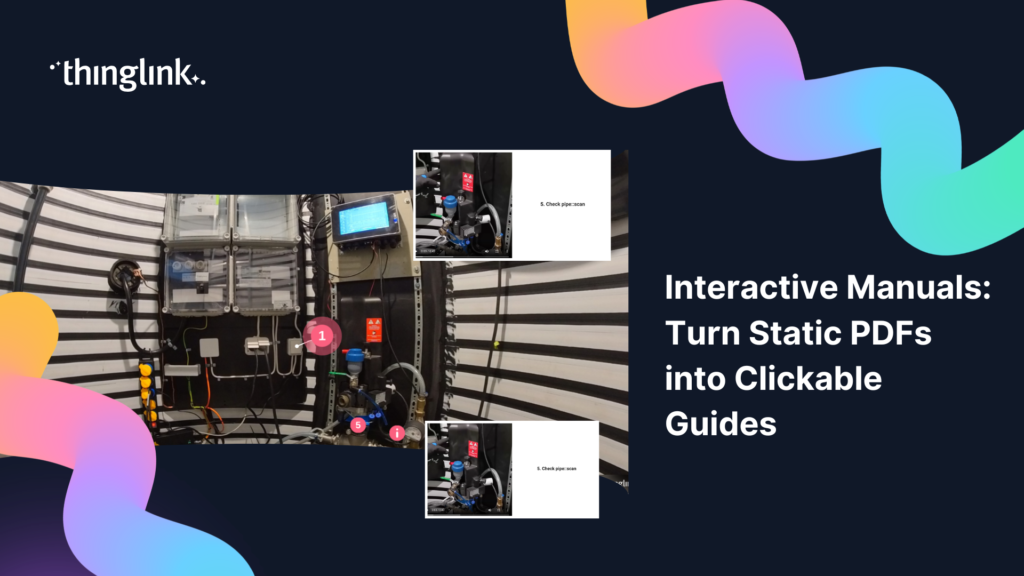
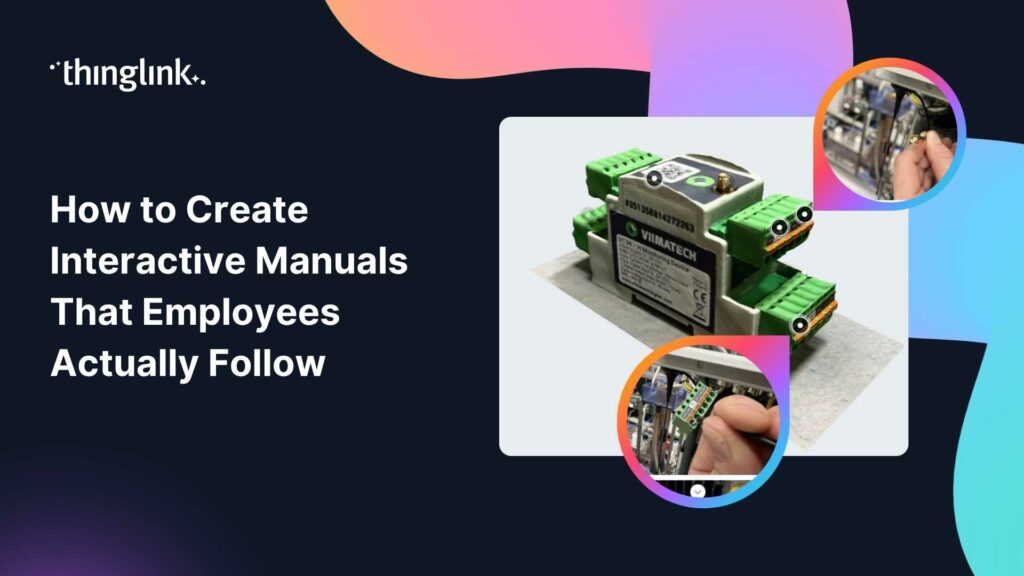
ThingLink's 3D capture tools, including the ThingLink Capture app, make it straightforward to scan physical objects and environments and bring them directly into interactive learning experiences, which is particularly valuable for technical or equipment-based training.
Learn about ThingLink Capture for 3D learning content
Your Next Step
Building a business case for immersive learning doesn't have to be a long or complicated process. The fundamentals are the same as any investment proposal: understand the problem, quantify the cost of inaction, present a credible solution, and show how you'll measure success.
ThingLink gives L&D teams a platform that's designed to deliver on that promise, without requiring specialist developers, expensive hardware rollouts, or lengthy procurement cycles.
If you're ready to explore what immersive learning could look like for your organisation, start by understanding what's possible with the tools available to you today.
Discover how ThingLink supports immersive workplace training