Immersive Learning vs Traditional Training: The Hidden Costs
You've planned the session. Booked the room. Printed the handouts. Gathered the group. And two weeks later, most of what was covered has quietly vanished from memory.
If that sounds familiar, you're not alone. Traditional classroom training has served education and workplace learning for generations, but beneath its familiar structure lie costs that rarely appear on any budget spreadsheet. We're talking about the cost of disengagement, of knowledge that doesn't stick, of learners who sit through sessions without ever truly experiencing what they're being taught.
This post explores the real price of conventional training delivery — and makes the case for why immersive learning vs traditional training is a comparison every teacher, head teacher, and instructional designer needs to have right now.
What Do We Actually Mean by "Traditional Training"?
Traditional training typically means instructor-led sessions, slide presentations, printed or PDF-based materials, and standardised assessments. It's linear, largely passive, and delivered in the same way to everyone regardless of how they learn best.
This approach isn't without merit. It's familiar, relatively easy to organise, and works reasonably well for conveying straightforward information. But the moment learning becomes complex, contextual, or skill-based, the cracks begin to show.
The Hidden Costs That Don't Appear on the Budget
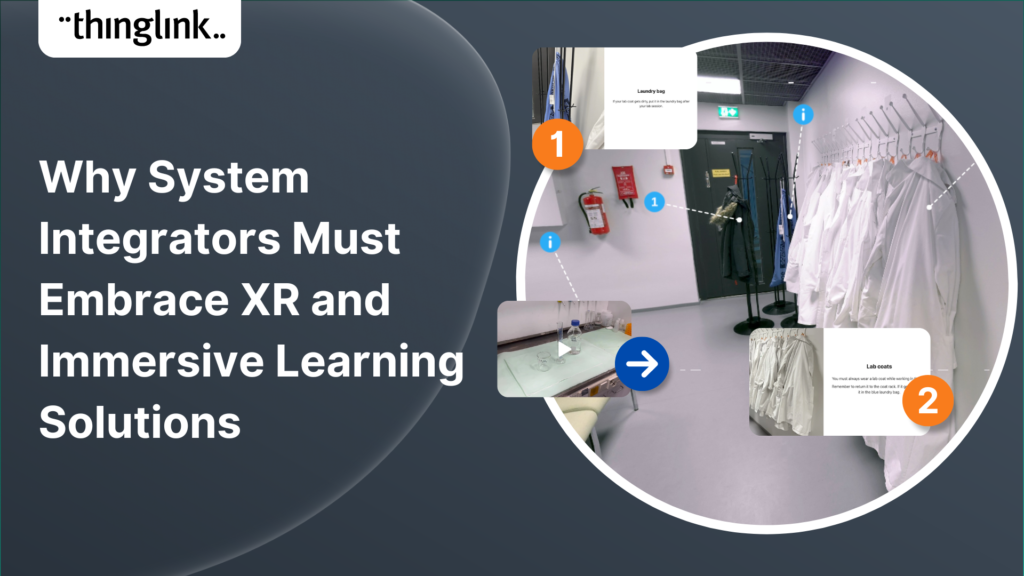
In action! Explore this example.
1. The Cost of Low Retention
Research into learning and memory has long suggested that people forget a significant proportion of new information within days if it isn't reinforced through meaningful practice. Classroom instruction that relies on passive listening gives learners very little to anchor that information to. The result? Training that has to be repeated, refreshed, or supplemented at ongoing cost.
When knowledge doesn't transfer into behaviour, the entire investment — the trainer's time, the venue, the learner's day — is undermined. For schools and organisations running compliance, safety, or skills training, this repetition cycle is expensive in both time and budget.
2. The Cost of Inaccessible Scenarios
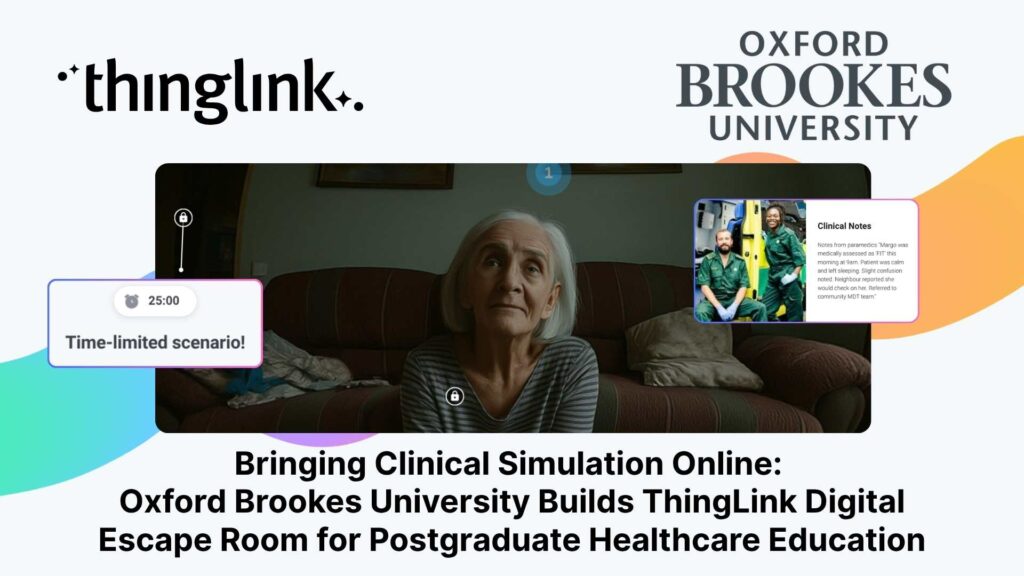
How do you train a nursing student to respond to a patient emergency before they've ever been near one? How do you prepare a vocational learner to work safely in a hazardous environment? Traditional classroom training relies on the imagination — and imagination has its limits.
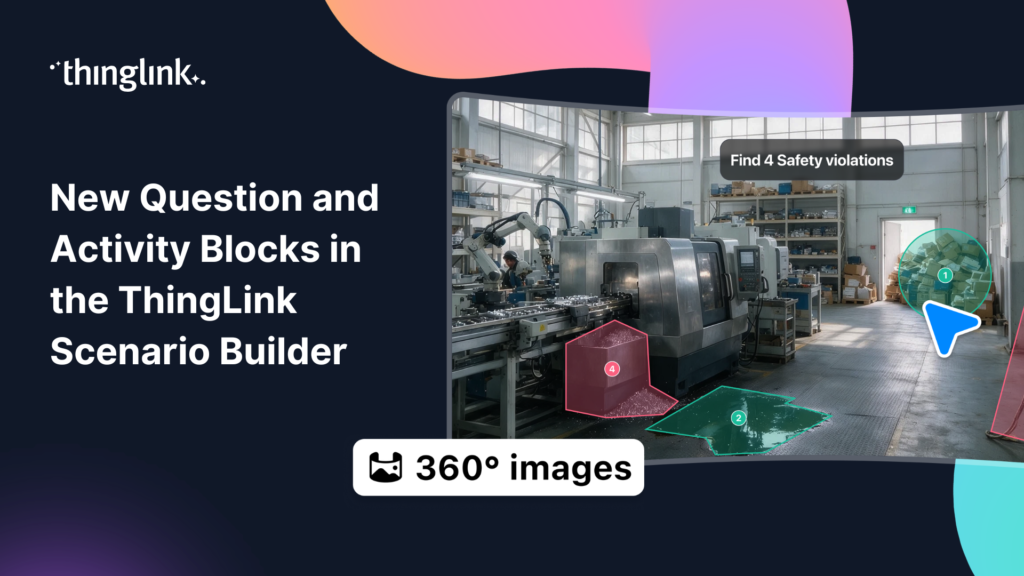
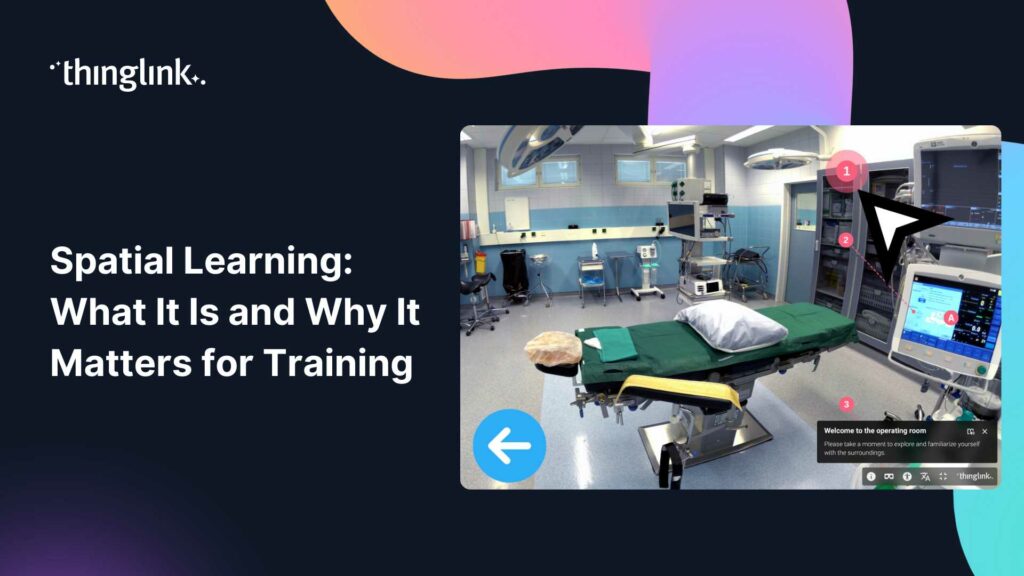
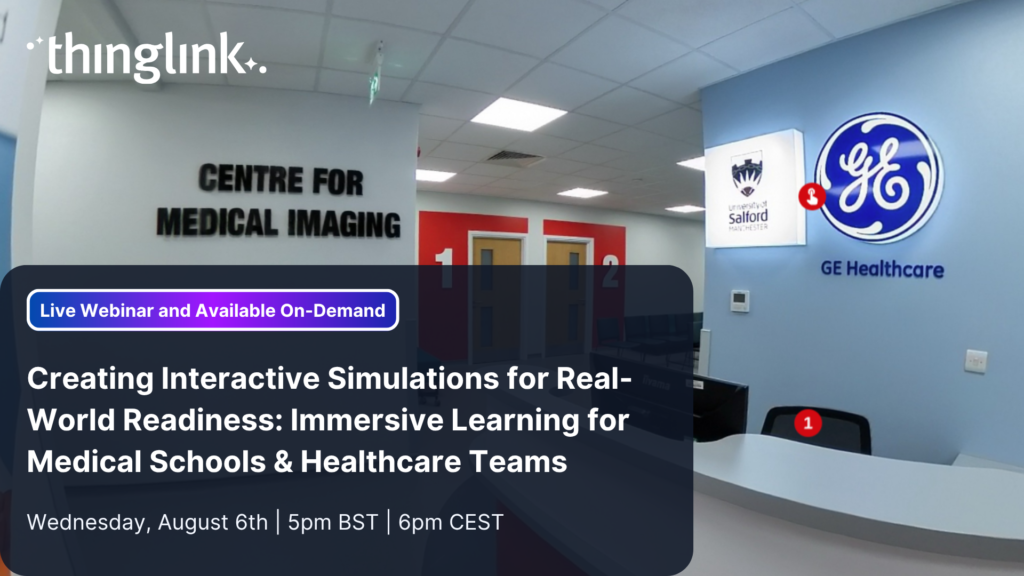
When learners can't access a real environment, they practise in the abstract. And abstract practice rarely produces the confident, competent performance that real situations demand. Bringing learners closer to reality — without real risk — is one of the most powerful things immersive learning can do. You can explore more about this in ThingLink's guide on how to create realistic virtual learning environments for trainees.
3. The Cost of One-Size-Fits-All Delivery
Classroom training moves at the pace of the session, not the pace of the learner. Some people need more time. Others are already ahead. Both groups end up underserved.
Differentiation in a traditional classroom setting takes significant teacher effort and planning. Without it, learners who are disengaged, confused, or unchallenged drift — and their outcomes reflect that drift.
4. The Cost of Logistics
Gathering people together has always required coordination: cover for absent colleagues, travel time, rooms large enough, schedules that align. For schools managing staff training days or instructional designers building programmes for dispersed teams, the organisational overhead alone is substantial.
Once you factor in printing, materials, catering, and the time spent getting everyone in the same place at the same time, traditional training starts to look far more expensive than its headline cost.
5. The Cost of Disengagement
Passive learning is rarely engaging learning. When learners are seated, listening, and expected to absorb information without interacting with it, attention wanders. This isn't a failing of the learner — it's a structural problem with the format.
Disengaged learners retain less, perform less confidently, and often need additional support. That support has a cost, too.
How Immersive Learning Addresses Each of These Problems
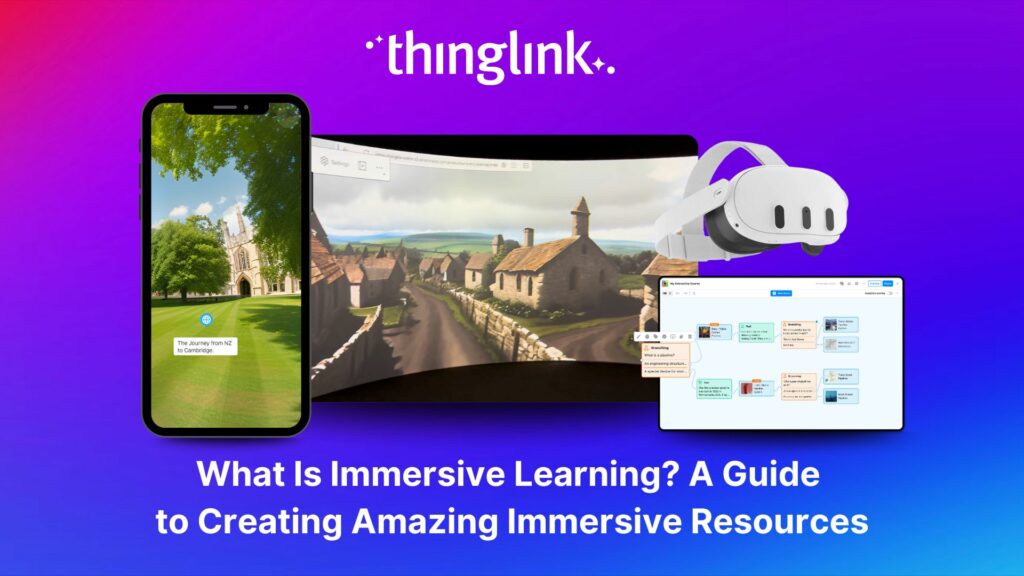
Immersive learning isn't a single product or technology. It's an approach: placing learners inside experiences that require them to think, decide, explore, and respond. And it's increasingly accessible — not just through expensive VR hardware, but through interactive images, 360° environments, scenario-based learning, and spatial tools that work on any device.
Better Retention Through Active Participation
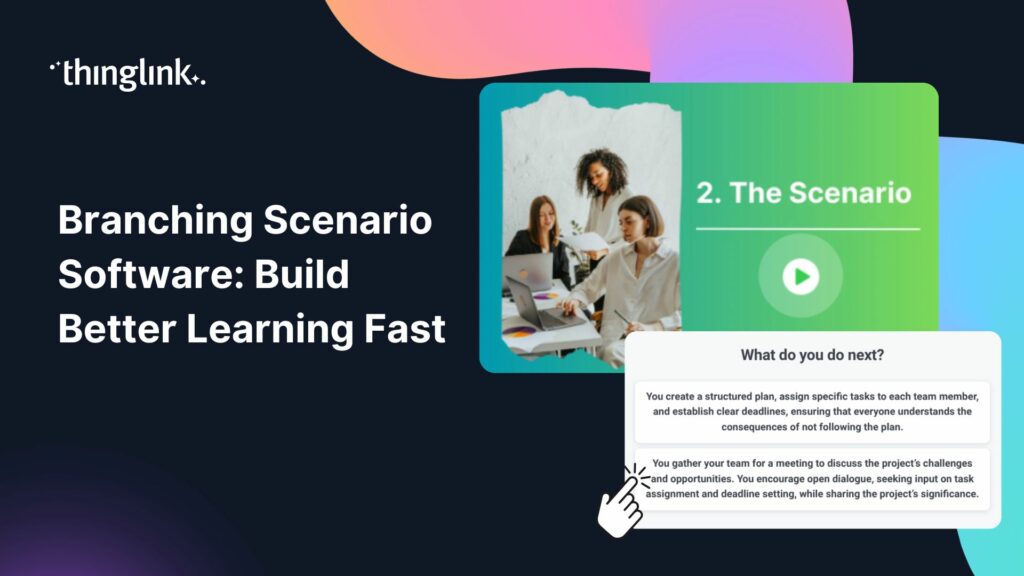
When learners make decisions inside a simulation, navigate a virtual environment, or explore an interactive scenario, they engage cognitively in a way that passive listening simply can't replicate. The experience becomes something they've done, not just something they've heard.
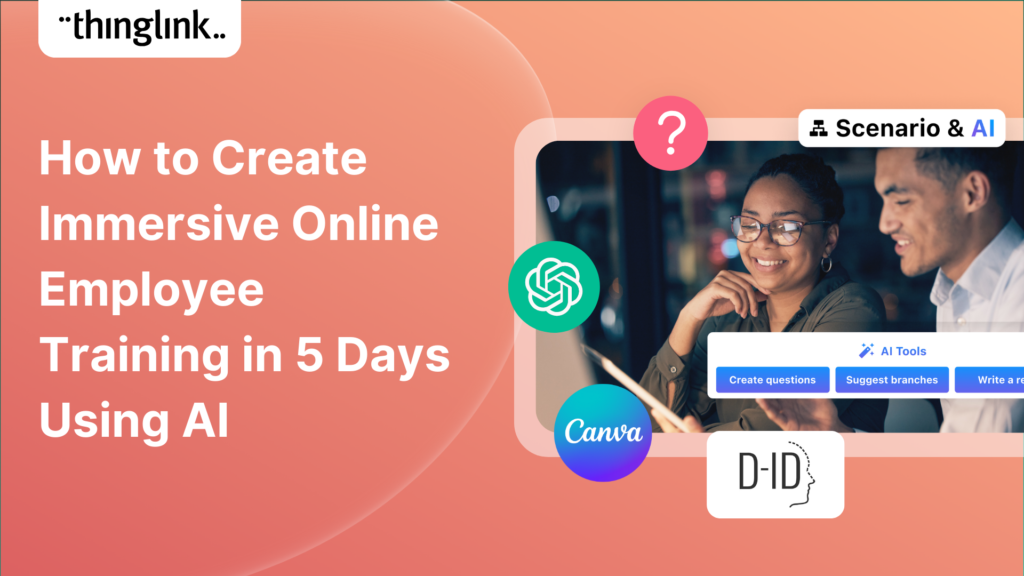
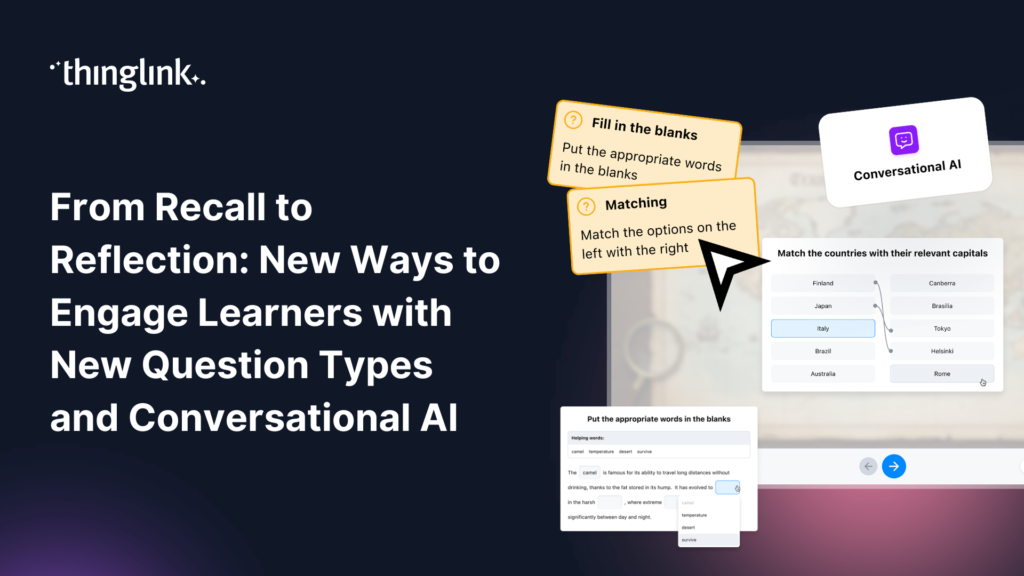
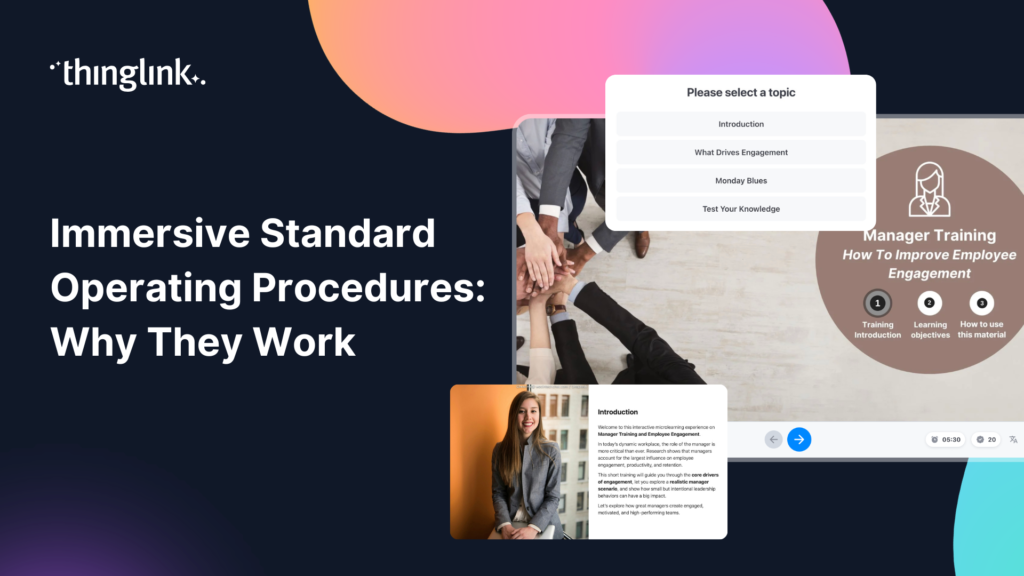
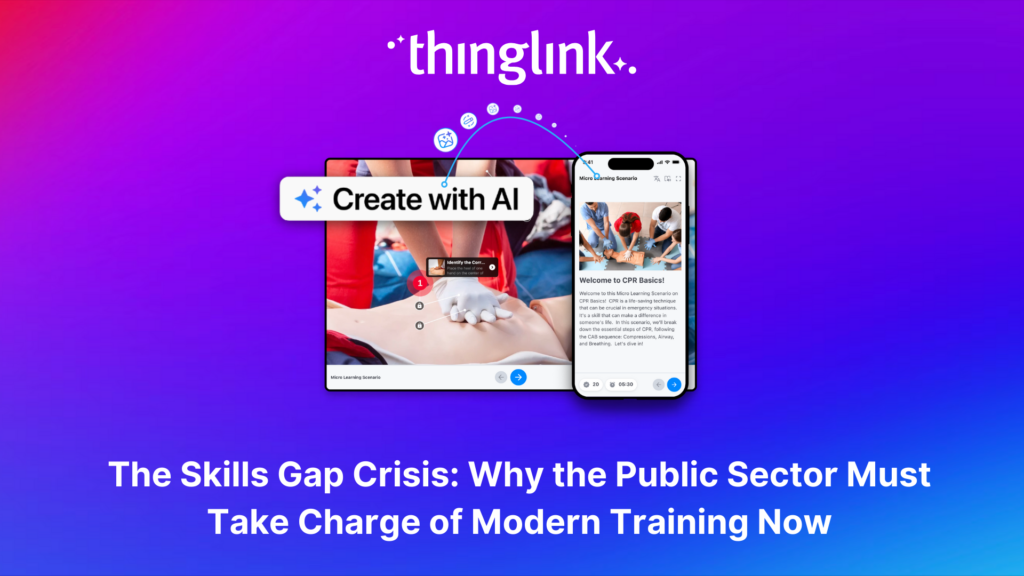
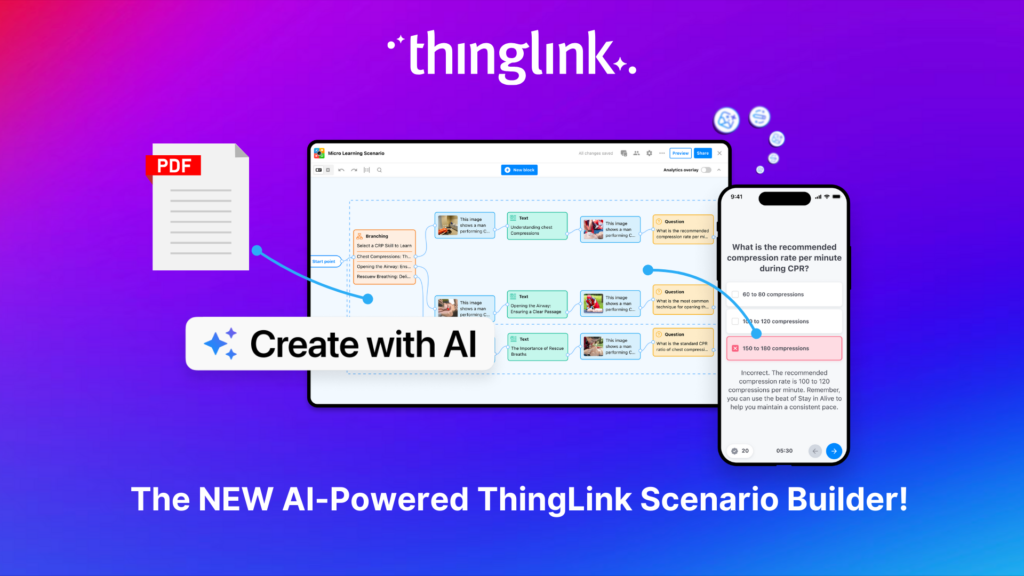
ThingLink's platform is built around this principle. Whether you're building an interactive 360° space, a branching scenario, or an AI-assisted training module, the learner is always at the centre of the experience. You can see how teams are approaching this in ThingLink's post on how to create immersive online employee training in 5 days using AI.
Safe, Realistic Practice Environments
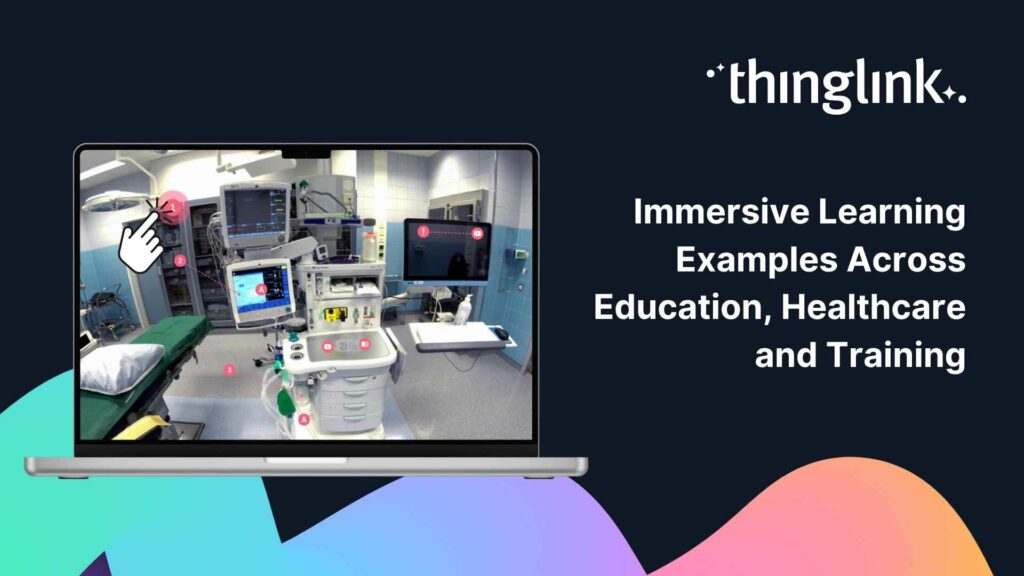
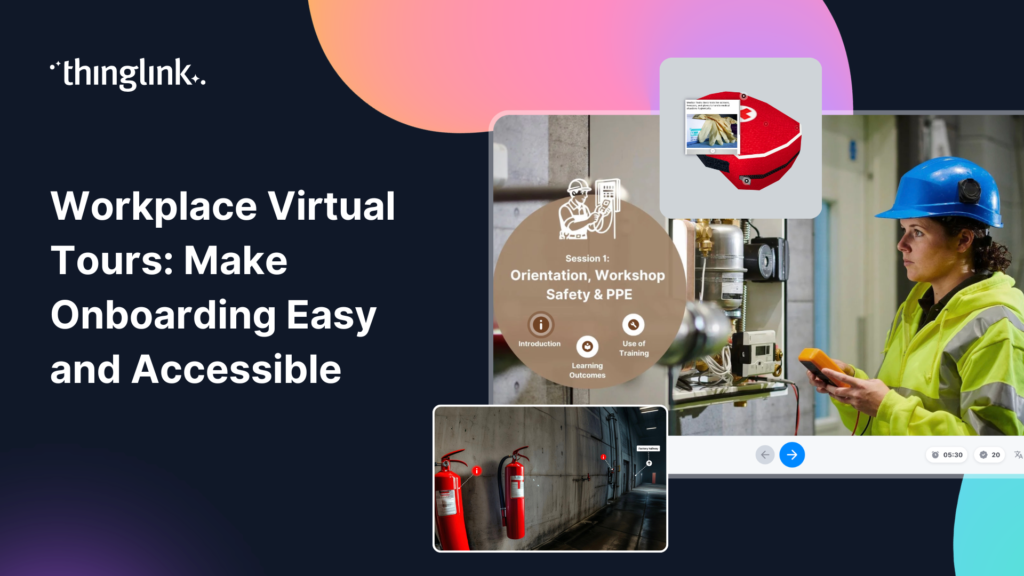
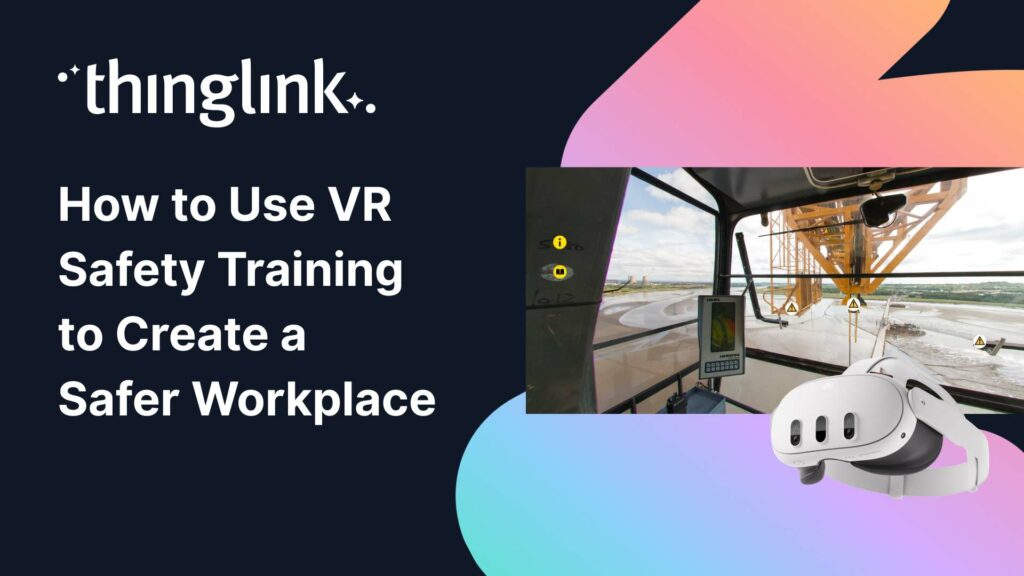
For vocational, technical, medical, and safety training, the ability to practise in a realistic but risk-free environment is transformative. Learners can encounter hazards, navigate complex equipment, and work through high-stakes scenarios without anyone being put in harm's way.
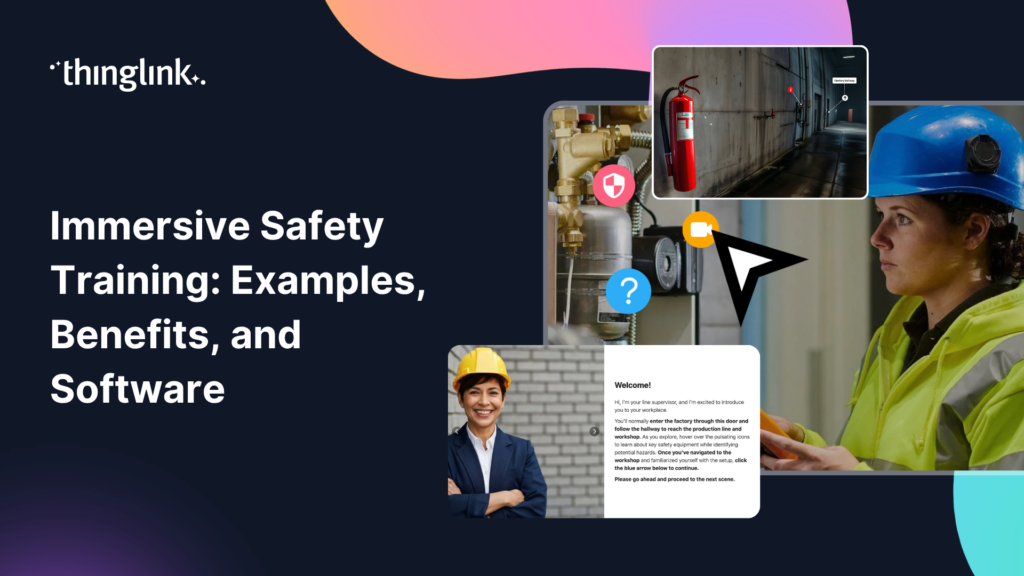
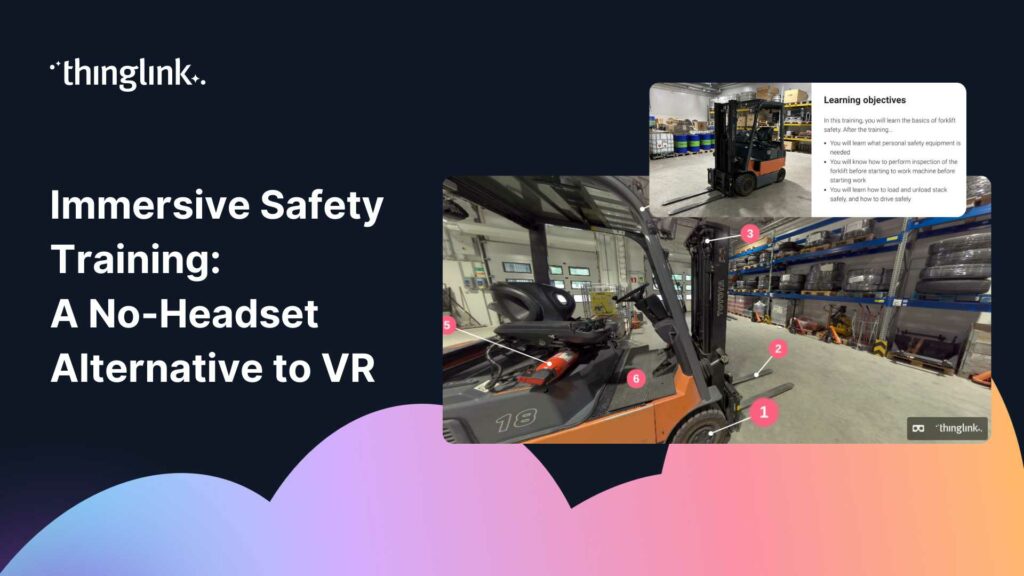
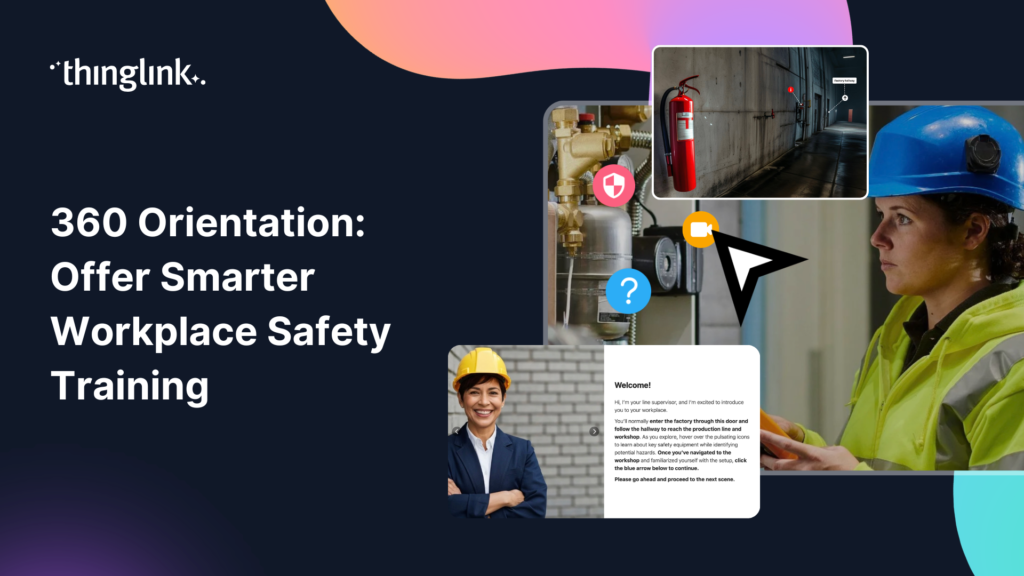
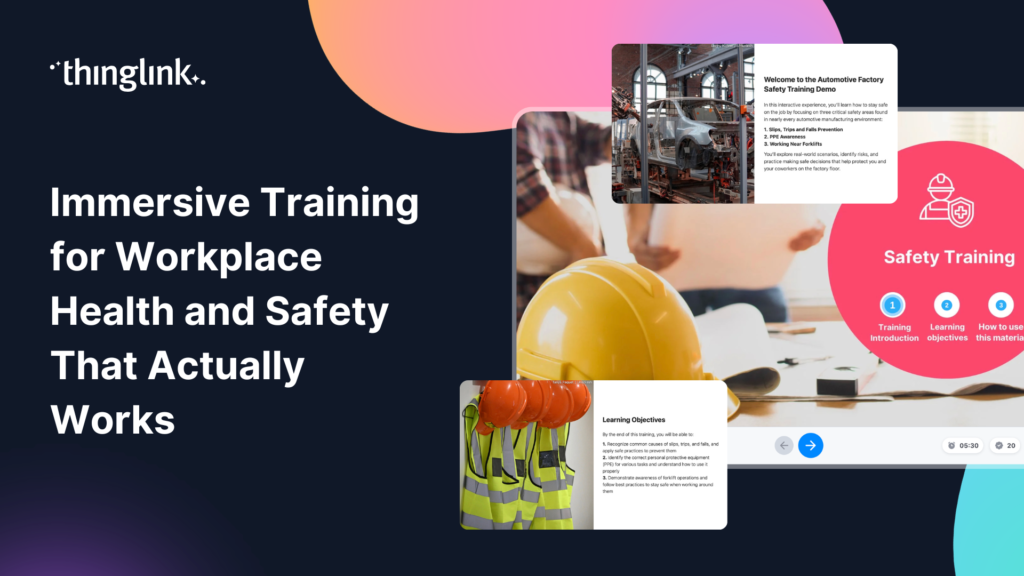
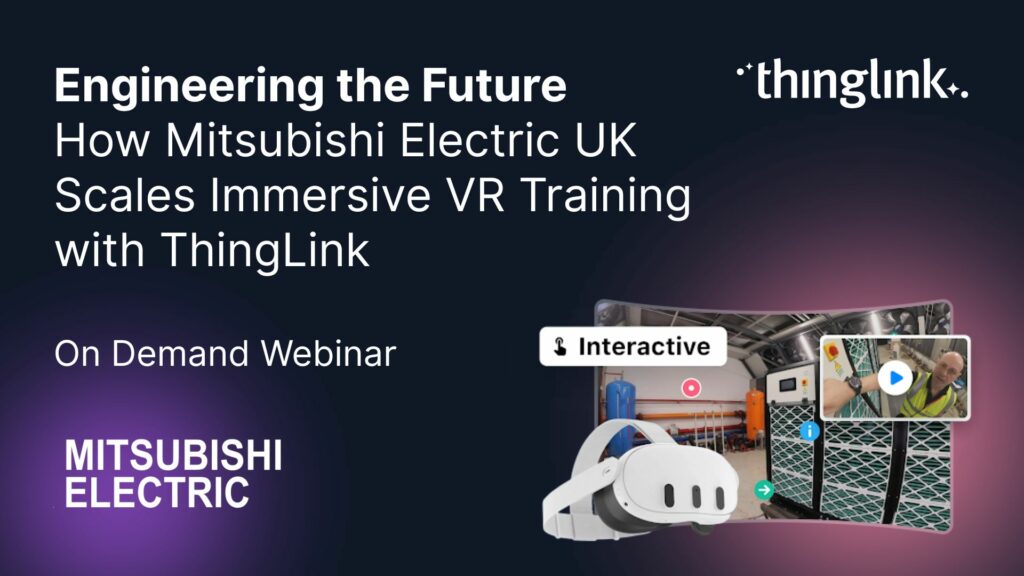
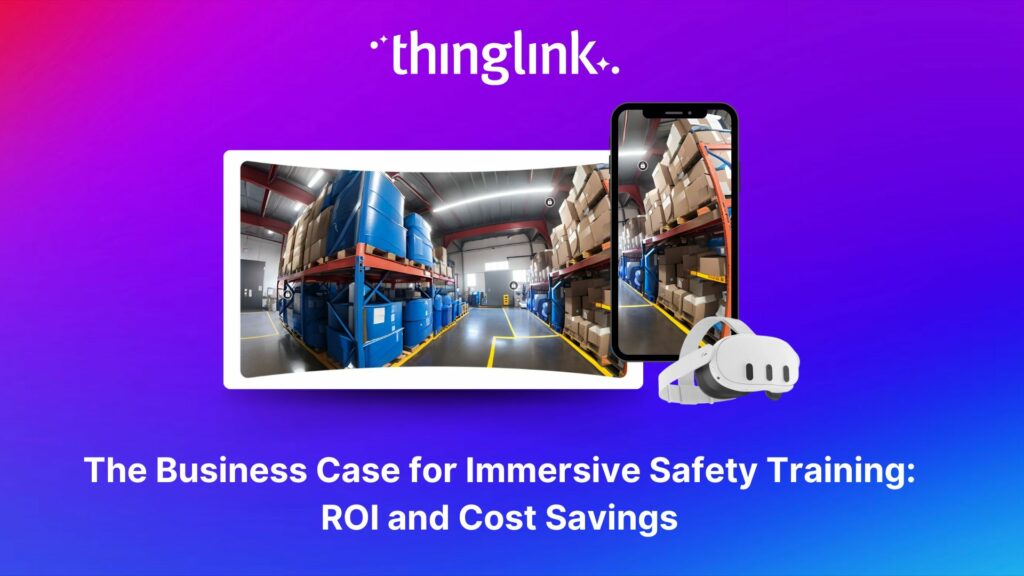
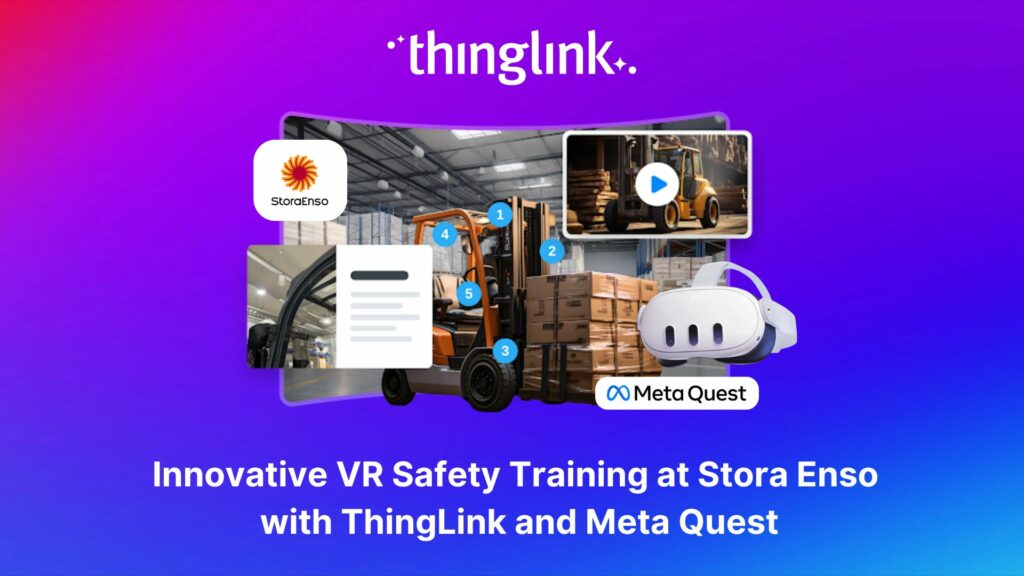
This is particularly powerful for health and safety training, where the stakes are genuinely high. ThingLink's approach to immersive training for workplace health and safety shows how this works in practice — and the business case for immersive safety training makes the ROI argument clearly.
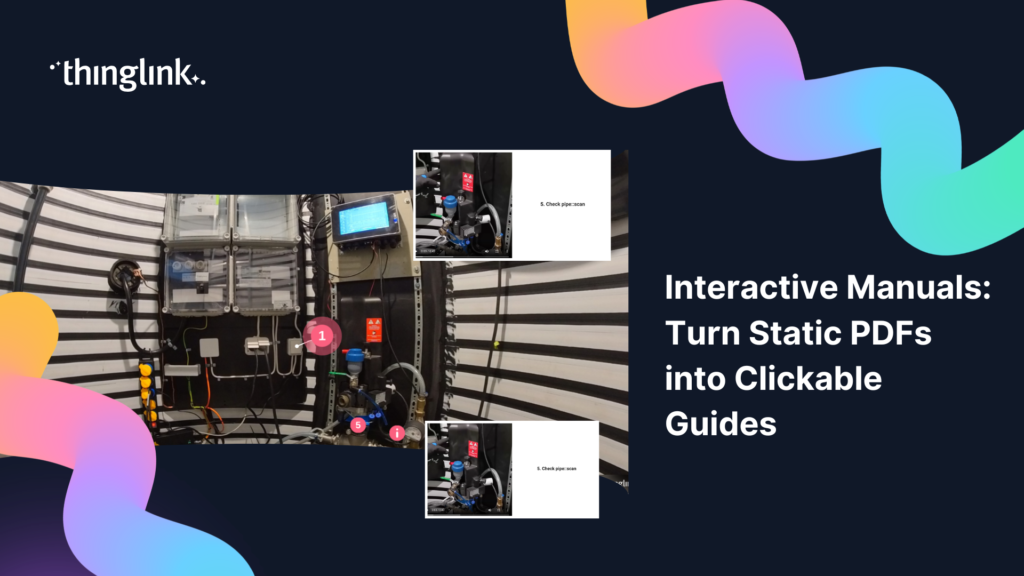
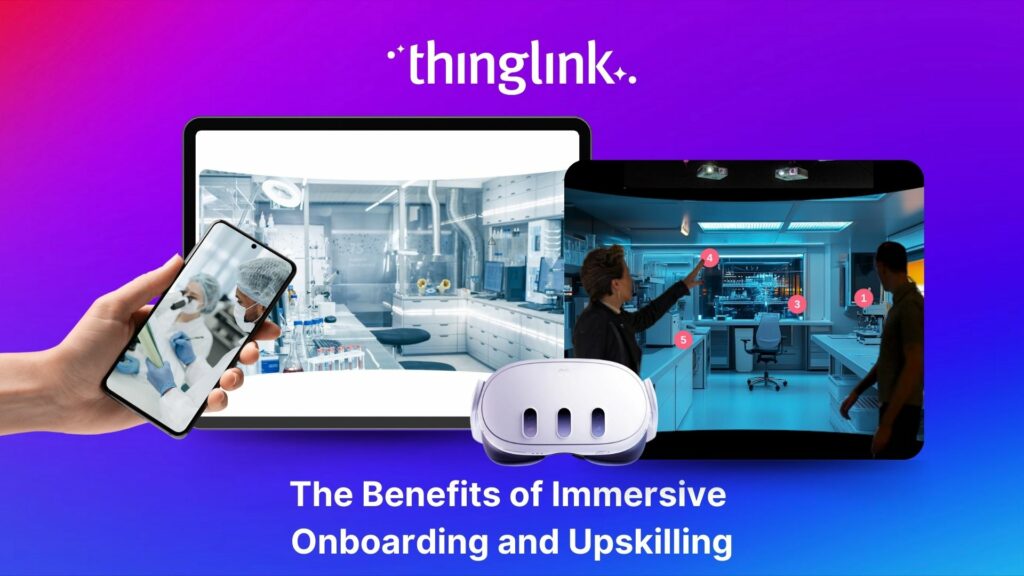
The potential extends well beyond safety. In technical and vocational education, immersive environments give learners access to workshops, laboratories, and field settings that may otherwise be unavailable. Explore this further in ThingLink's guide to how immersive learning can transform technical and vocational education.
Personalised, Self-Paced Learning Paths
Immersive learning content can be designed so that each learner moves through it at their own pace, revisits sections they found challenging, and skips ahead when they're confident. This isn't differentiation by teacher effort — it's differentiation built into the structure of the experience.
For instructional designers, this flexibility is significant. A single well-built immersive module can serve learners with very different starting points without requiring separate versions for each cohort.
Accessible Anywhere, Any Time
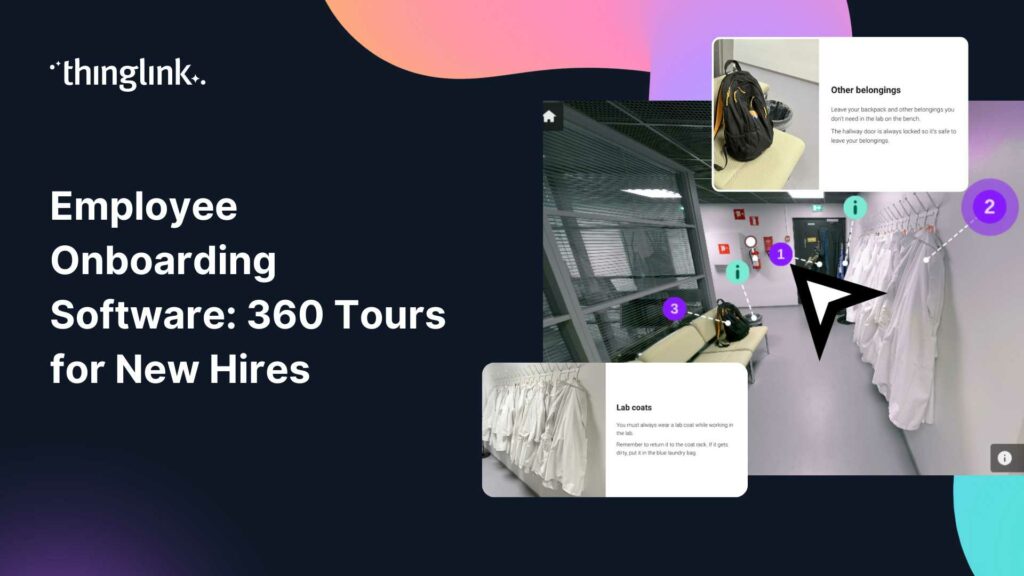
ThingLink experiences don't require everyone to be in the same room at the same time. A 360° virtual tour, an interactive scenario, or an immersive training module can be accessed by a learner at their desk, at home, or on a mobile device. The logistics overhead of traditional training largely disappears.
For schools supporting pupils with additional needs, this flexibility can be genuinely life-changing. Cedar Lodge Special School is a compelling example of what becomes possible when learning is designed to meet learners where they are — you can read their story in the post Breaking the Ceiling of Learning: How Cedar Lodge Special School Uses ThingLink to Support Pupils and Families.
Engagement That Sustains Attention
An interactive, visually rich learning environment is simply more interesting to navigate than a slide deck. Learners who are exploring, clicking, responding, and making choices are learners who are paying attention.
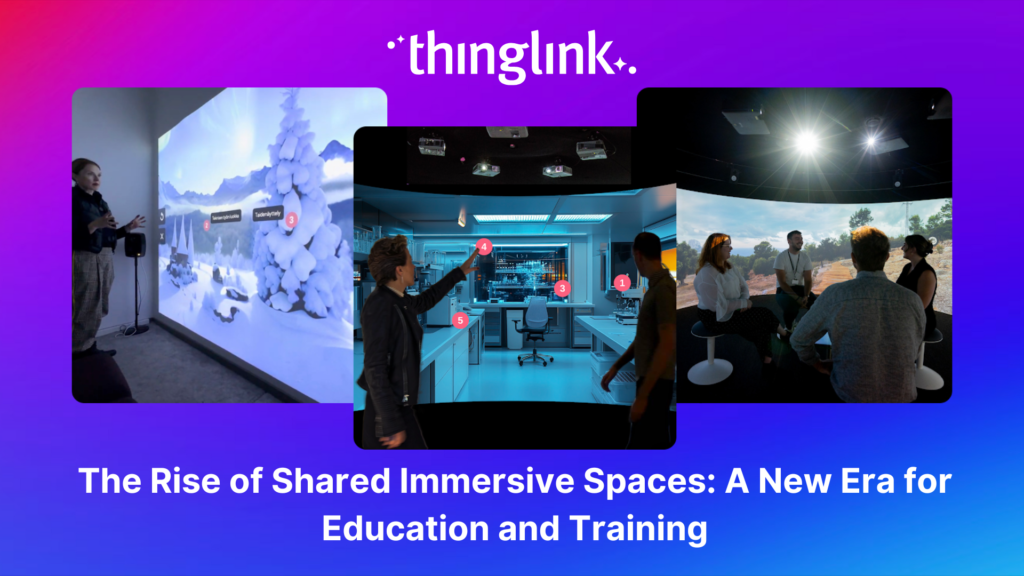
This isn't about making learning a game for its own sake. It's about designing experiences that respect learners' attention spans and reward their curiosity. The rise of shared immersive spaces in education and training speaks to exactly this shift.
What About the Cost of Switching?
This is the question most educators and instructional designers ask next. If traditional training has hidden costs, doesn't immersive learning come with its own upfront investment in tools, time, and skills?
It's a fair question — and the honest answer is that there is a learning curve. But it's a far shorter one than many people expect.
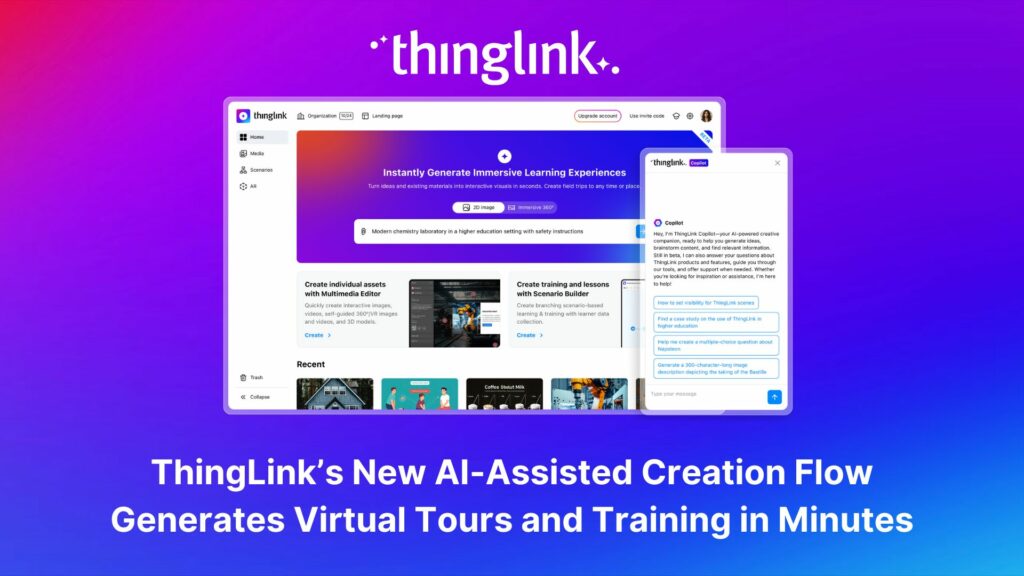
ThingLink is built to be used by educators, trainers, and instructional designers, not by developers. You don't need to code, and you don't need specialist hardware to get started. AI-assisted tools within the platform can dramatically reduce the time it takes to build your first experience. And the ThingLink Creator Course gives you everything you need to go from zero to confident: learn to create interactive and immersive experiences with the new ThingLink Creator Course.
For teams already using authoring tools and looking to explore what's possible beyond their current platform, the comparison is increasingly compelling. There's a detailed look at this in the post on Articulate alternatives and why learning teams are exploring immersive learning platforms.
Real Learning Requires Real Experience
The hidden cost of traditional classroom training is ultimately this: learners leave with information they haven't practised using, in contexts they haven't encountered, responding to challenges they haven't faced. And no matter how skilled the instructor, a PowerPoint and a room full of chairs can only take you so far.
Immersive learning doesn't replace great teaching. It extends what great teaching can do. It gives you tools to put learners inside the experience, not just in front of it. And that difference — between observing and experiencing — is where real learning happens.
If you're ready to explore what immersive learning could look like in your classroom, institution, or training programme, ThingLink gives you everything you need to get started.
Explore how to create virtual training environments for students and see what's possible when learning goes beyond the classroom wall.