Immersive Learning vs Traditional Training: 2026 Stats
You've sat through the end-of-year review. Completion rates are acceptable. Quiz scores look fine on paper. But six months later, your employees can't recall the procedure they were trained on — and you're back to square one.
If that sounds familiar, you're not alone. Learning and Development managers across every sector are grappling with the same uncomfortable truth: traditional training methods often produce short-term compliance, not lasting capability.
That's why the conversation around immersive learning vs traditional training has moved from 'interesting experiment' to urgent business priority. In this post, we break down what the research actually says about VR and immersive training formats, and what those numbers mean for your team.
Why Retention Is the Metric That Really Matters
Completion rates are easy to chase. Retention is harder to measure — and far more valuable.
Research into immersive learning methods consistently shows that learners who engage with VR and scenario-based environments retain information at significantly higher rates than those trained through slides, video, or written materials. The combination of active decision-making, spatial memory, and emotional engagement creates stronger neural pathways than passive consumption.
For L&D managers, this changes the frame entirely. A training programme with a 95% completion rate but 20% retention after 30 days is not a successful programme. One with slightly lower completion but sustained knowledge transfer six months later is worth far more to your organisation.
The latest research into VR methods of employee training explores exactly this question, pulling together evidence on how immersive formats perform against conventional e-learning and instructor-led training. It's essential reading if you're building the case internally for a shift in approach.
Immersive Learning vs Traditional Training: What the Numbers Show
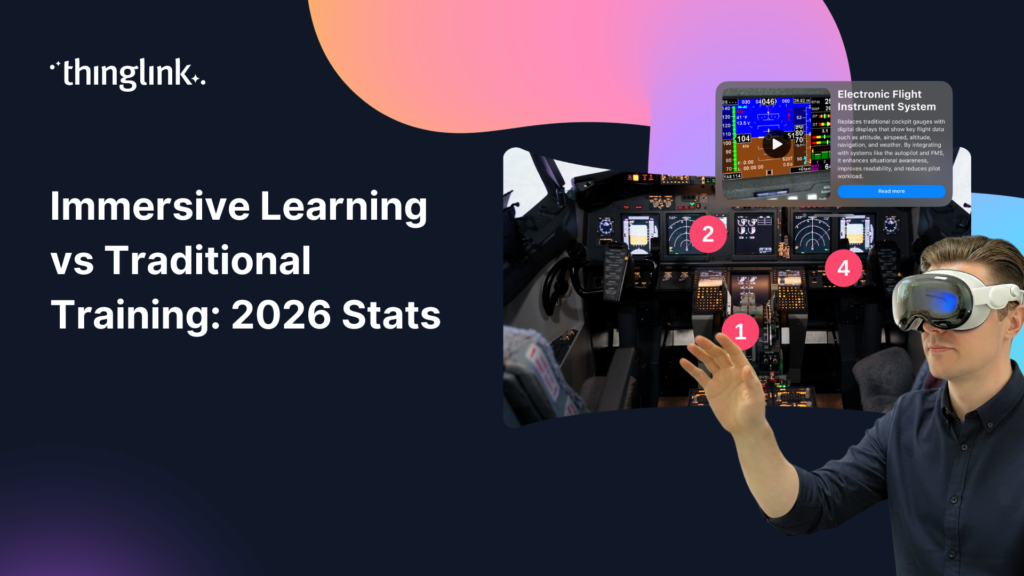
In action! Explore this example.
Retention Rates
Studies comparing immersive training to traditional methods have found that VR learners retain information at rates considerably higher than their classroom or e-learning counterparts. While exact figures vary by context and methodology, the directional evidence is consistent: experiential, scenario-based learning sticks.
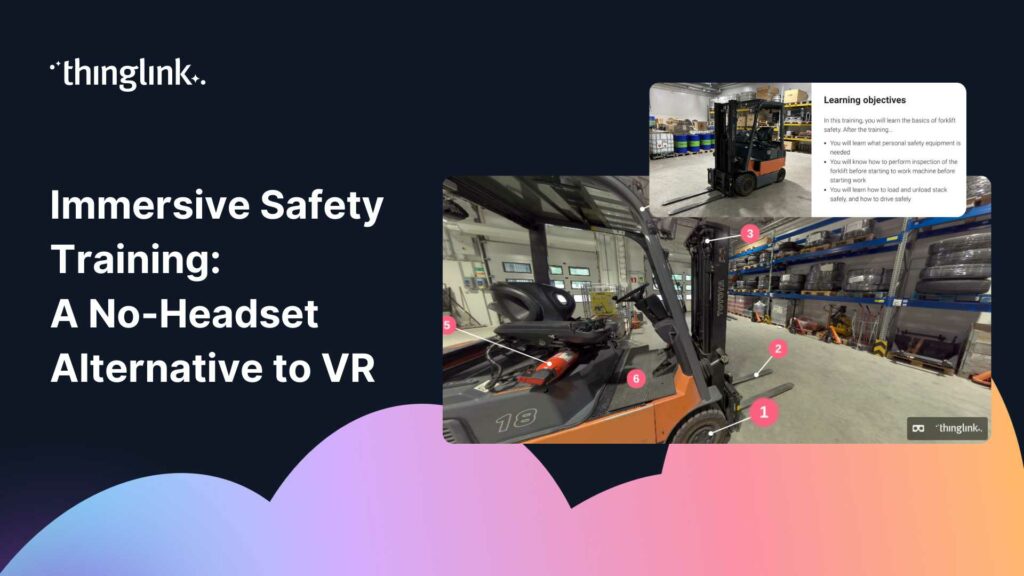
This is particularly relevant in high-stakes environments. In safety training, for example, a learner who can physically simulate an emergency procedure in a virtual environment is better prepared than one who watched a video about it. The muscle memory and decision-making practice translate directly to real-world performance.
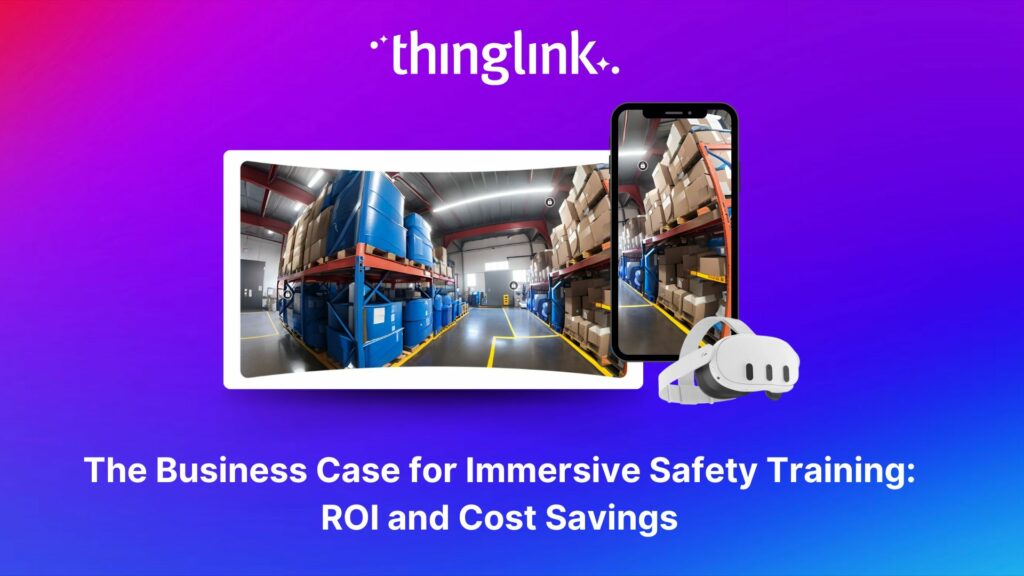
You can explore the financial implications of this in more detail in our post on the business case for immersive safety training, which examines ROI through reduced incidents, retraining costs, and faster competency development.
Training Speed
One of the more surprising findings in immersive learning research is how quickly learners reach competency compared to traditional formats.
Conventional instructor-led training often requires scheduling constraints, travel time, cohort sizes, and repeated sessions. Immersive formats, particularly those built with tools like ThingLink, can be self-paced and deployed at scale without those logistical barriers. Learners can repeat difficult scenarios on demand, progress when they're ready, and skip content they've already mastered.
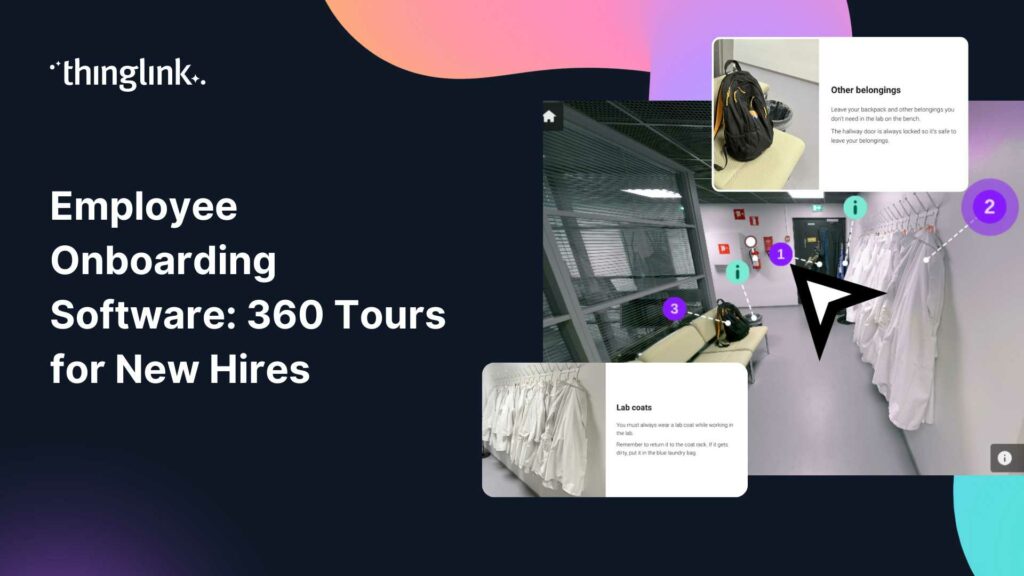
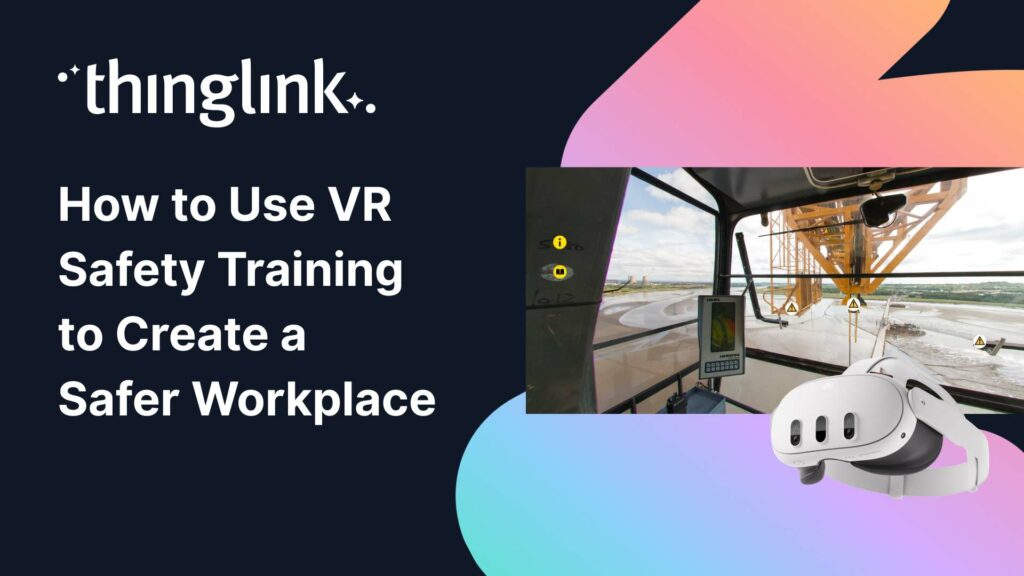
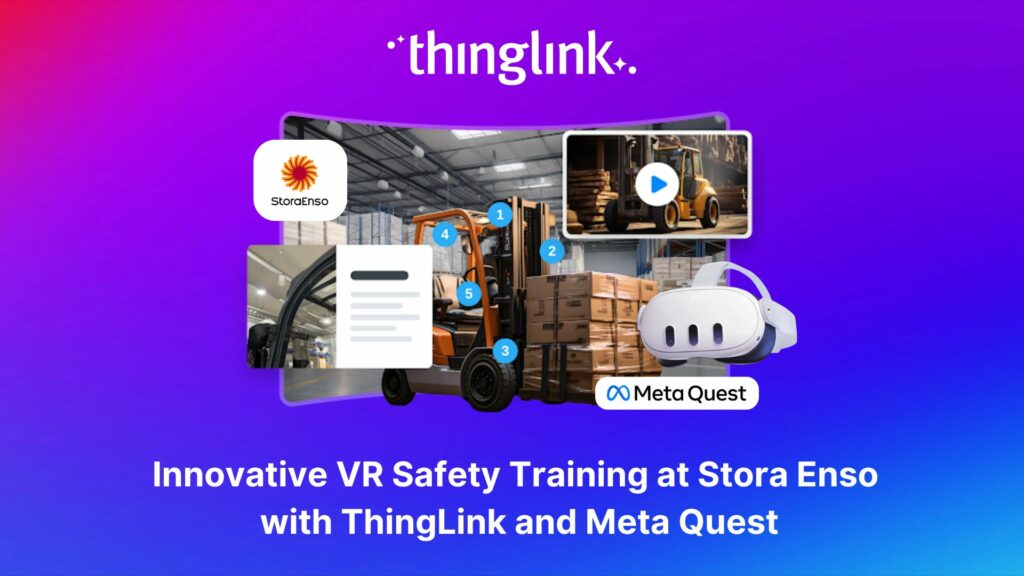
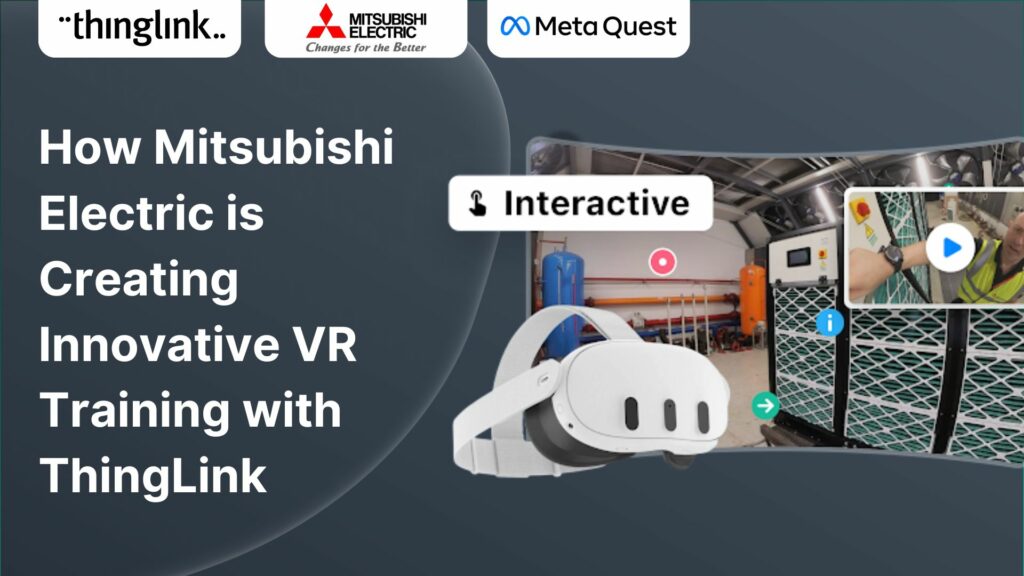
In practice, this means organisations are seeing faster time-to-competency, especially for onboarding and technical skills. A global paper manufacturer's VR safety training programme built with ThingLink and Meta Quest demonstrates how immersive induction experiences can compress onboarding timelines while improving safety awareness from day one.
Completion Rates
Here's where the data gets nuanced. Completion rates for immersive learning experiences vary widely depending on the design quality, learner motivation, and how the content is deployed.
Poorly designed VR training can have just as low completion rates as dull e-learning. The difference is that well-designed immersive experiences tend to generate significantly higher voluntary engagement. Learners return to them. They share them. They ask for more.
The format itself isn't magic. The design is. If you're building immersive training that puts learners in realistic, consequence-rich environments — where their choices matter and feedback is immediate — completion follows naturally.
Where Traditional Training Still Has a Role
Immersive learning isn't the right format for every training need, and it's worth being honest about that.
For purely informational content — policy updates, regulatory notices, quick-reference guides — a well-structured document or short video may be faster and more appropriate. Immersive formats earn their investment when the stakes are high, the skills are complex, or when emotional engagement is part of the learning objective.
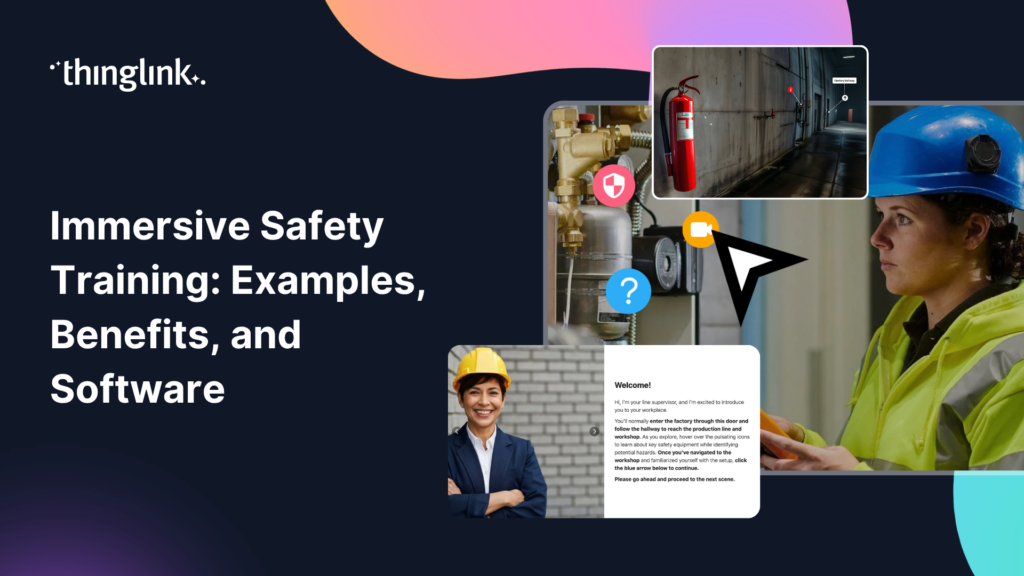
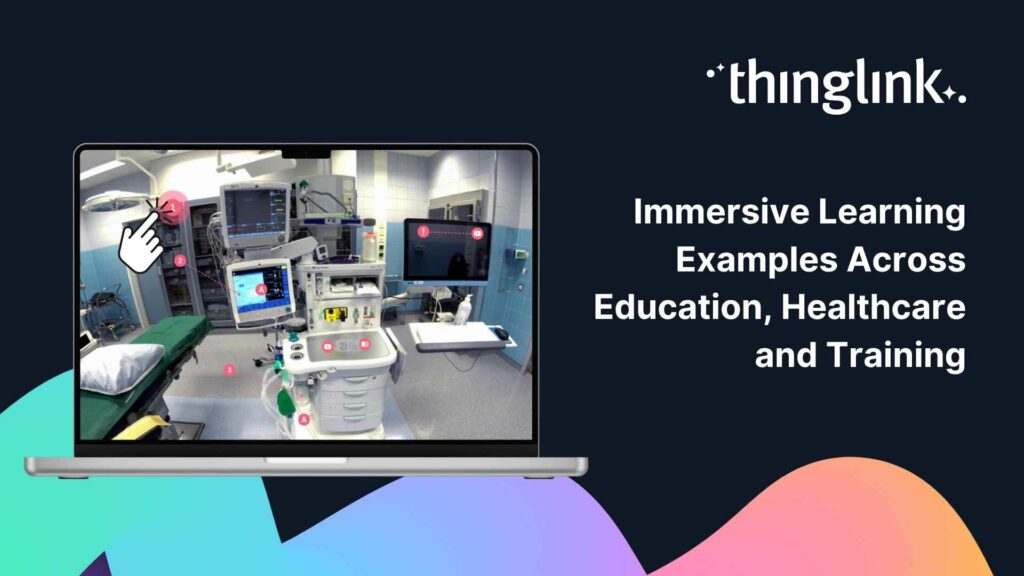
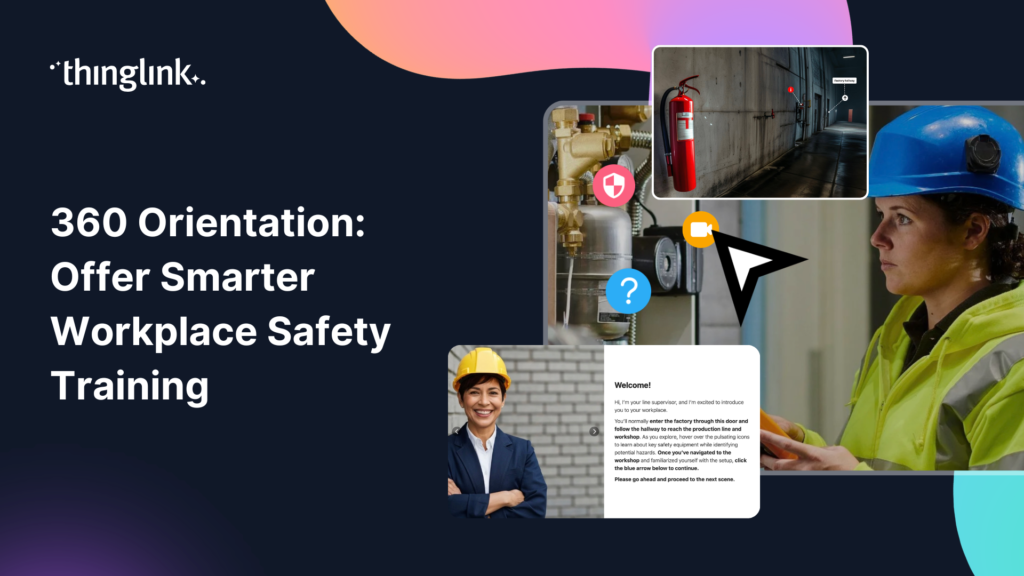
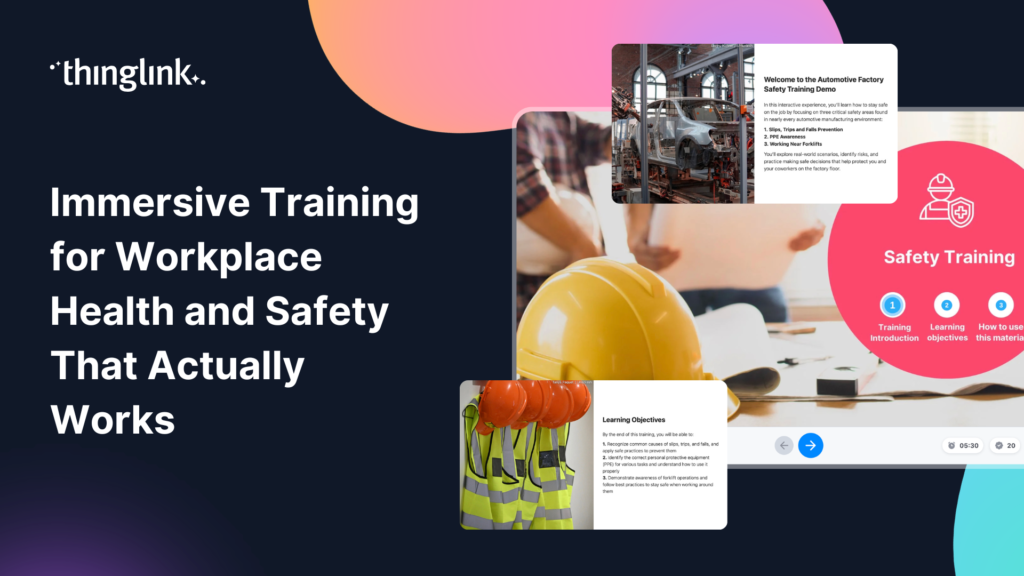
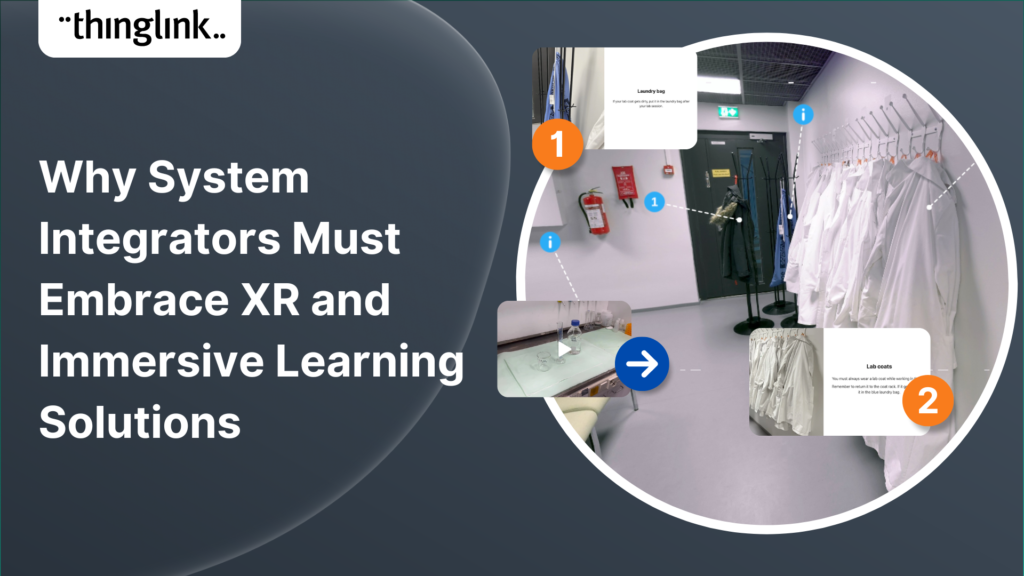
Think about roles involving physical procedures, customer interactions, safety protocols, or soft skills like conflict resolution. These are areas where scenario-based immersive learning consistently outperforms passive formats. The immersive training for workplace health and safety approach is one of the clearest examples of this principle in action.
The Cost Equation: Scaling Without Compromise
Is Immersive Training Affordable at Scale?
This is the question most L&D managers ask first — and understandably so. Early VR training projects were expensive, slow to produce, and dependent on specialist developers. That picture has changed considerably.
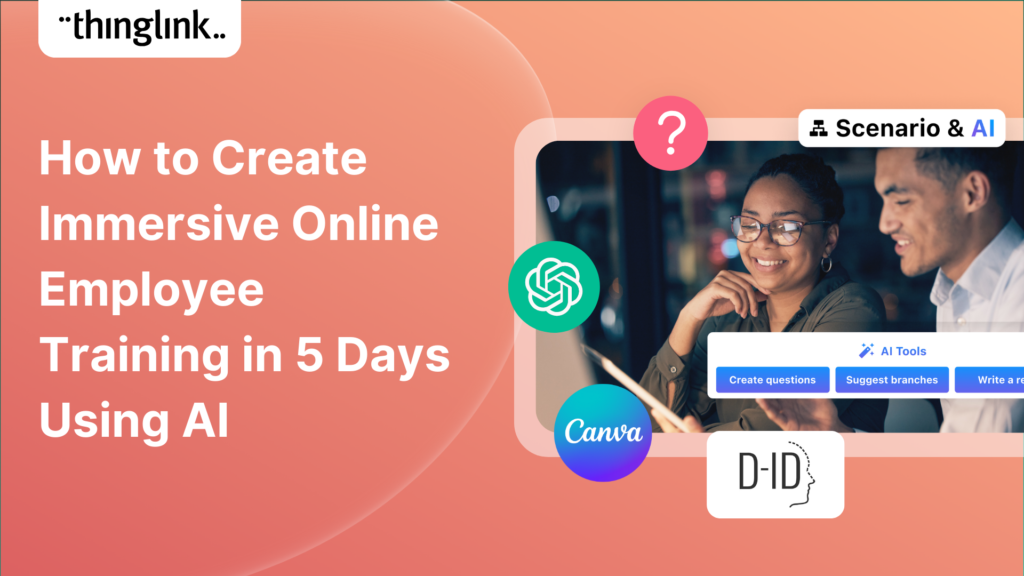
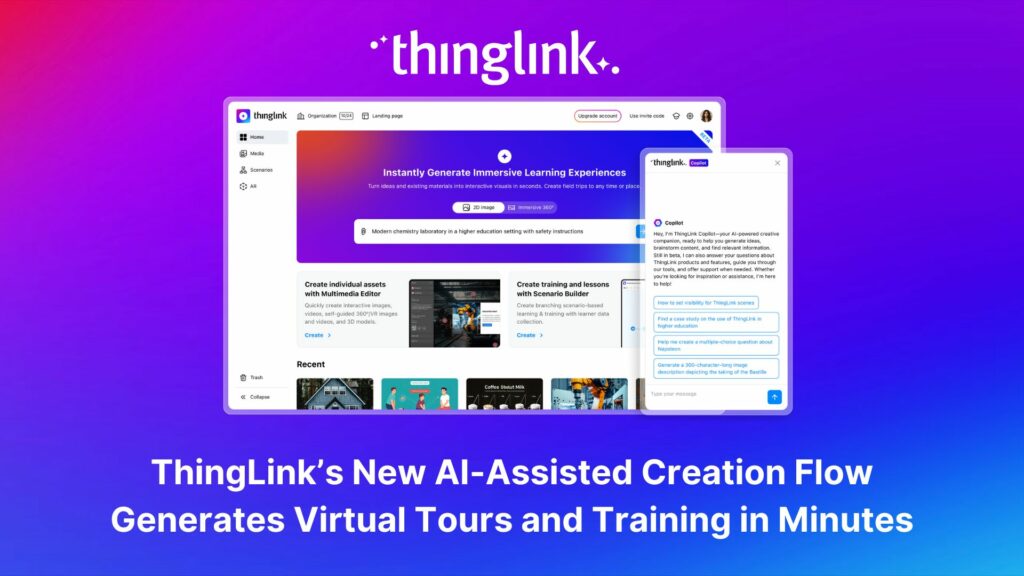
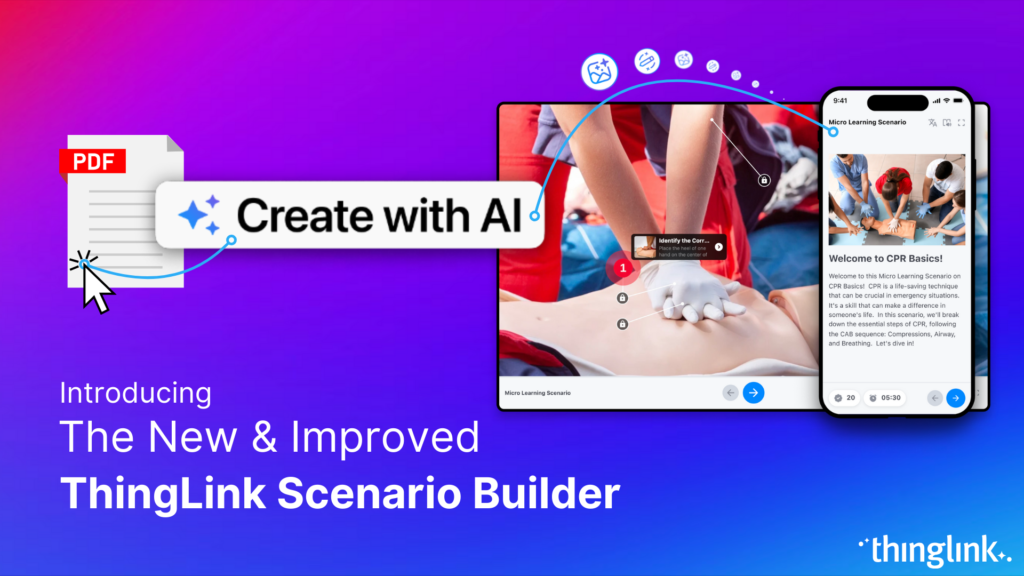
Platforms like ThingLink have made it possible to build immersive 360° training environments, interactive scenario modules, and XR experiences without needing a production team or coding skills. The post on how to create immersive online employee training in 5 days using AI is a practical illustration of how far the tooling has come.
When you factor in reduced facilitation costs, lower travel spend, eliminated venue hire, and the ability to retrain at zero marginal cost, the economics of immersive learning compare very favourably against traditional delivery over a 12 to 24 month horizon.
Device-Agnostic Delivery
Another barrier that's falling away is hardware dependency. Not every learner has access to a VR headset, and many organisations are understandably cautious about device rollout at scale.
ThingLink's immersive experiences work across devices — from desktop browsers and tablets to full VR headsets like the Meta Quest. This means you can deploy the same core training content across your entire workforce, with the experience adapting to whatever hardware is available. For organisations exploring headset-based delivery, ThingLink XR on Meta Quest offers a clear path to fully immersive experiences without abandoning accessibility for the rest of your team.
What Good Immersive Training Actually Looks Like
Scenario-Based Design
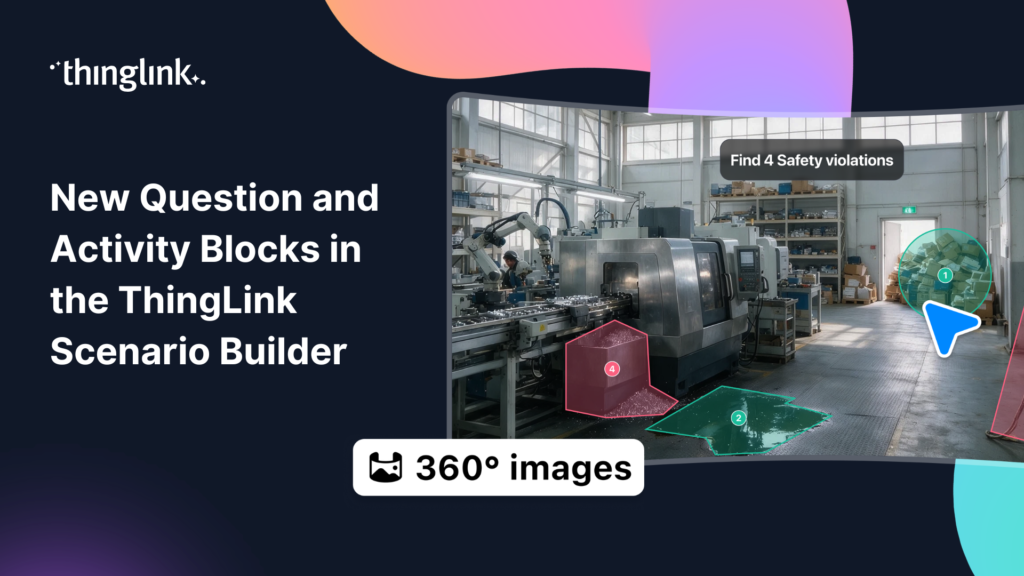
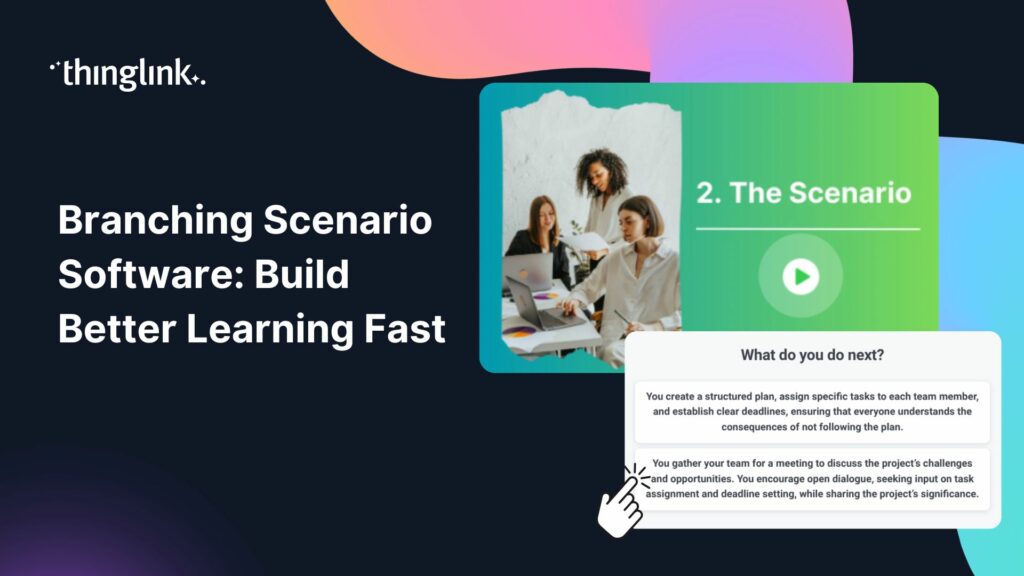
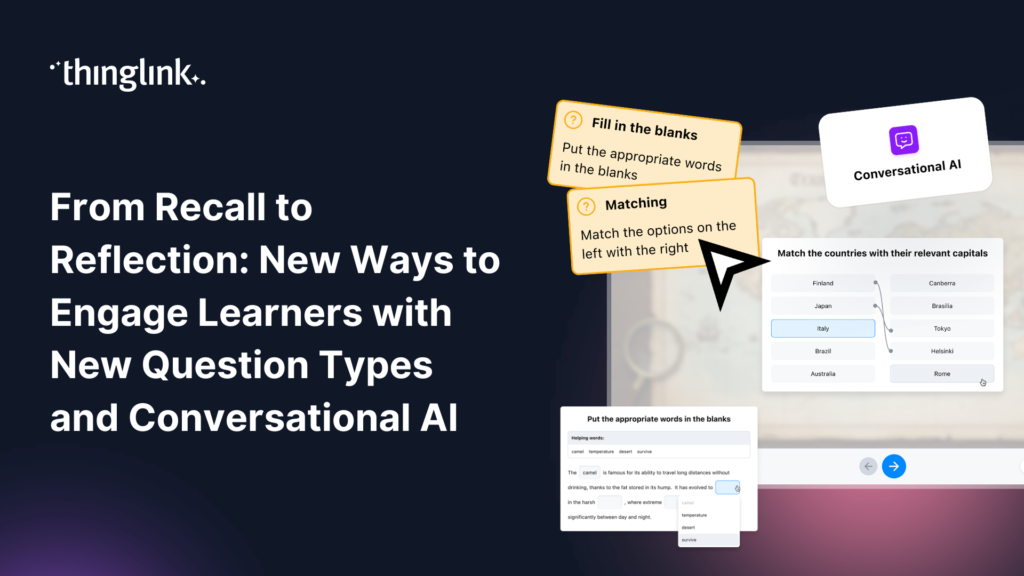
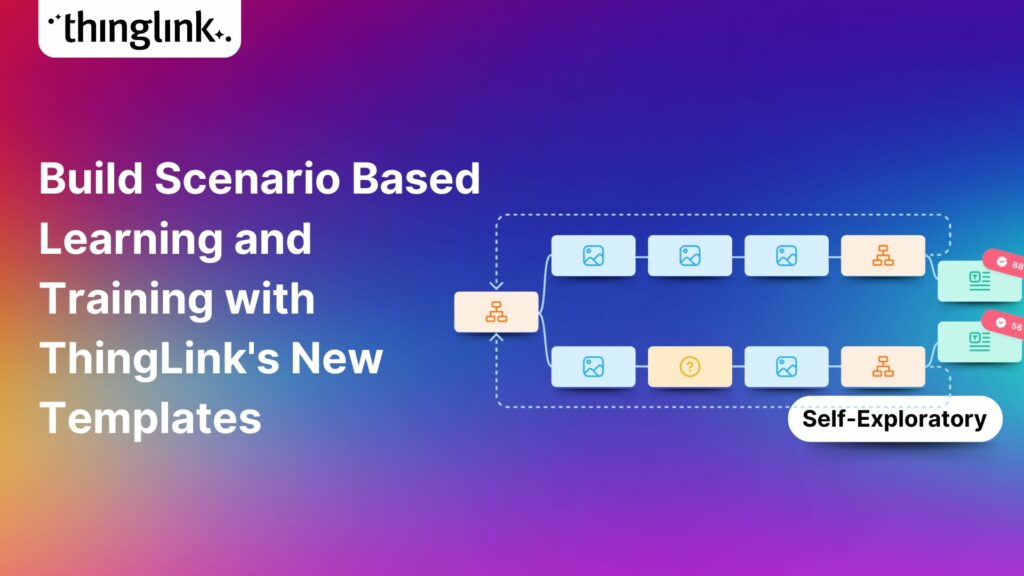
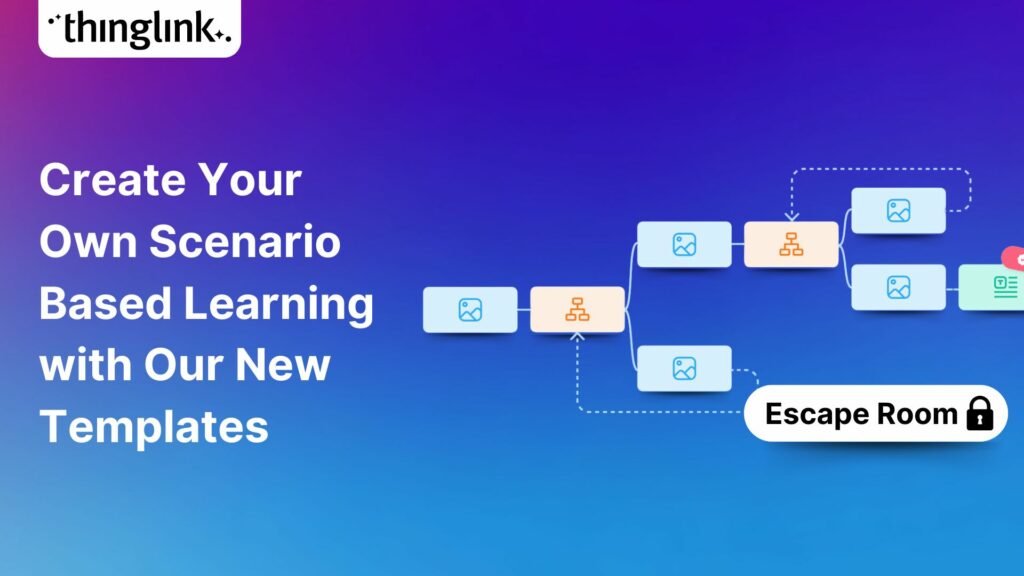
The most effective immersive training puts learners in realistic situations where the consequences of decisions are visible and meaningful. Rather than clicking through information slides, learners navigate a 360° environment, encounter challenges, make choices, and receive feedback.
This approach works particularly well for technical training, customer service, and safety procedures. The immersive customer service skills training webinar shows how this kind of scenario design can be built quickly and deployed effectively across teams.
Spatial and 3D Learning
One advantage immersive formats have over traditional training is the ability to represent physical spaces and objects accurately. Whether you're training someone to operate machinery, navigate a hospital ward, or inspect a piece of infrastructure, being able to place them inside a faithful reproduction of that environment has measurable benefits.
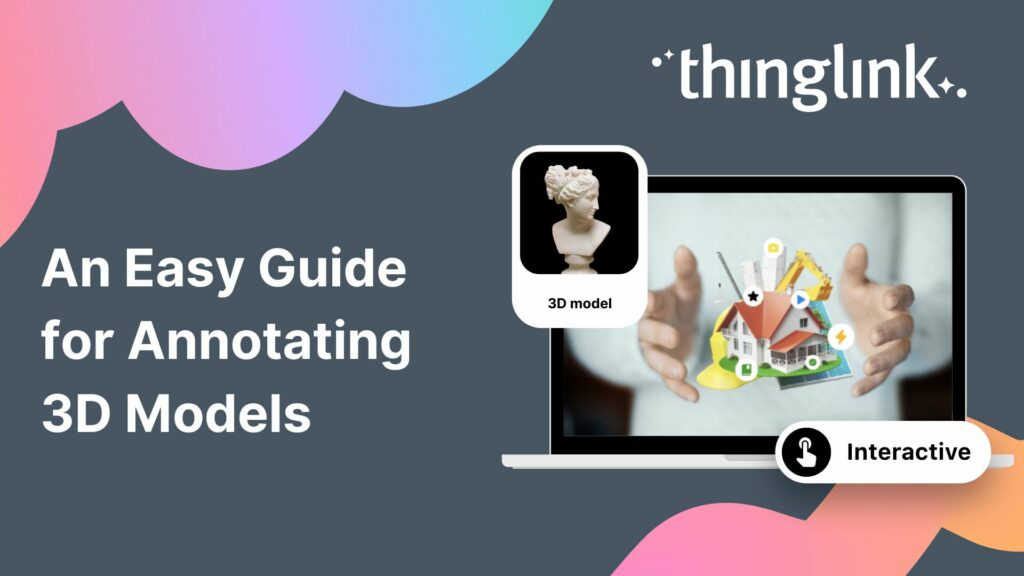
ThingLink Capture, for example, allows teams to scan real-world 3D objects and environments and integrate them directly into interactive learning experiences. The launch of ThingLink Capture represents a genuine step forward in making spatial learning accessible without specialist equipment or technical expertise.
Collaborative and Shared Experiences
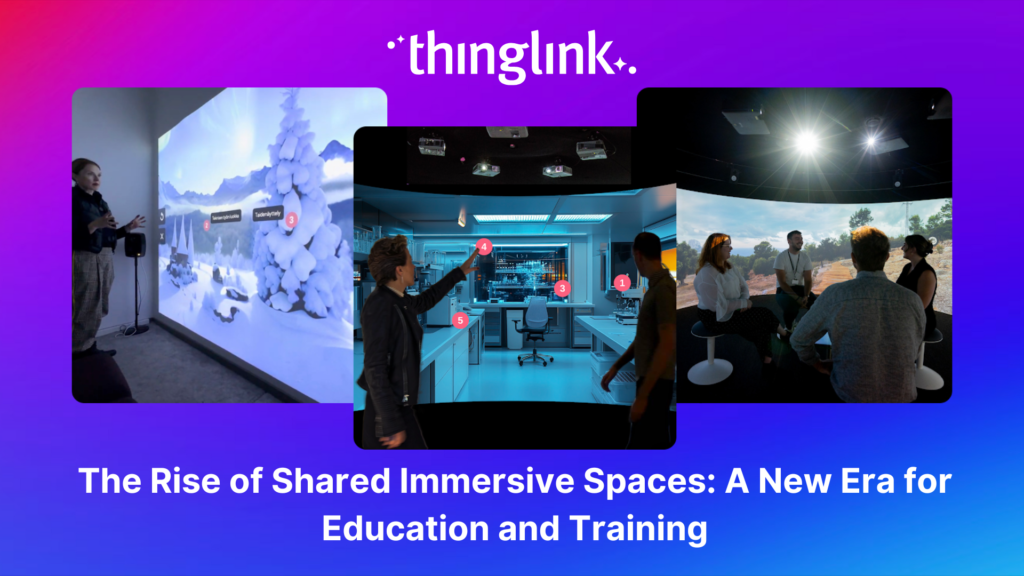
Immersive learning doesn't have to be a solo activity. The emergence of shared virtual spaces means teams can train together, debrief in real time, and develop collective procedural knowledge. This is particularly valuable for roles where teamwork under pressure is a critical competency.
The rise of shared immersive spaces is one of the more exciting developments in L&D right now, and worth exploring if you're designing training for teams rather than individuals.
Building the Internal Case for Immersive Learning
If you're preparing to pitch immersive learning to senior stakeholders, the data is on your side — but data alone rarely wins the argument.
The most persuasive case combines the evidence with a concrete pilot. Start with one high-stakes training module where current performance is measurably weak. Build an immersive version. Measure retention, speed to competency, and learner satisfaction against your baseline. The results will speak for themselves.
If you're looking for a platform that lets you move quickly without a large technical investment, ThingLink gives you the tools to build, deploy, and iterate on immersive training experiences from day one. Teams switching from tools like Articulate are finding that immersive formats open up possibilities that slide-based authoring simply can't match. The post on why learning teams are exploring immersive learning platforms is a useful starting point for that conversation.
The Bottom Line for L&D Managers
The evidence comparing immersive learning vs traditional training points in a clear direction. When it comes to retention, speed of competency development, and learner engagement, immersive formats consistently outperform passive alternatives — particularly for complex, high-stakes, or procedural content.
The technology has become more accessible, the production timelines have shortened, and the business case has strengthened. The question for L&D managers in 2026 is no longer whether immersive training works. It's how quickly you can get started.
Ready to see what immersive training looks like in practice? Explore how ThingLink helps teams build VR and 360° learning experiences — and start building your first module in days, not months.