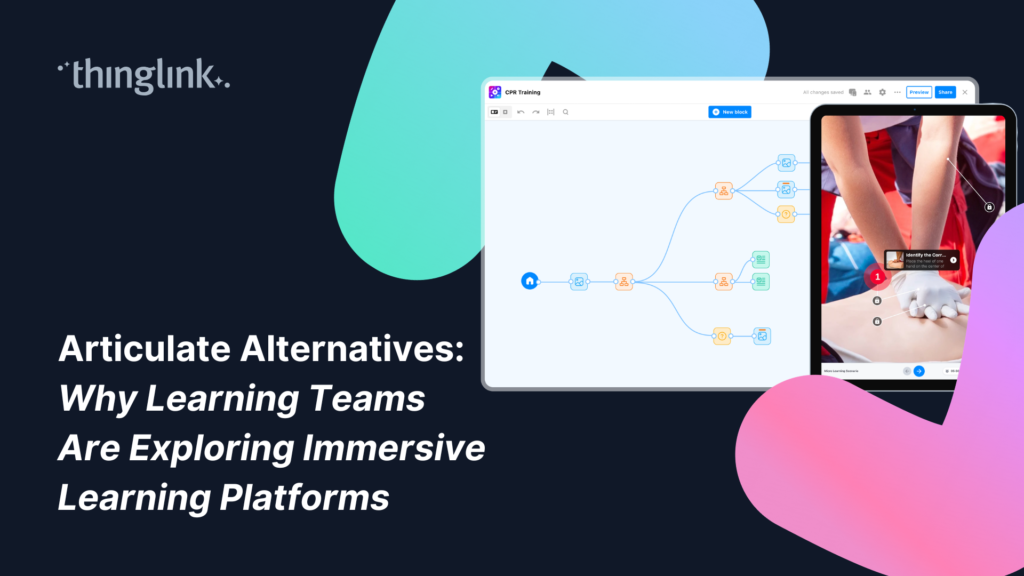
Articulate Alternatives: Why Learning Teams Are Exploring Immersive Learning Platforms
For more than a decade, Articulate has been one of the most widely used eLearning authoring platforms. Many organizations rely on tools like Articulate Storyline and Rise to build structured online courses that integrate with LMS platforms and scale across global training programs.
However, recent conversations across the learning design community suggest that many teams are beginning to reassess their tools and workflows. As a result, many instructional designers have begun searching for Articulate alternatives that offer greater flexibility in pricing, learning formats, and creation workflows.
Instructional designers, learning leaders, and freelancers have raised several recurring concerns: rising licensing costs, bundled AI pricing models, limited subscription flexibility, and the growing realization that not every learning experience fits neatly into a slide-based format.
These discussions do not necessarily mean that traditional authoring tools are disappearing. For many organizations, they remain a familiar and reliable part of the learning technology stack.
But they do reflect something important: learning teams are increasingly looking for tools that allow them to design more engaging, flexible, and immersive learning experiences.
Book a free consultation
If you’d like to learn more about how your company can save resources and effectively support employees with scalable XR and impactful training, schedule a free call with our Enterprise Executive.
Why Some Teams Are Exploring Alternatives to Articulate
Across industry forums and professional discussions, several consistent themes have emerged.
Pricing and licensing models
Many instructional designers have pointed out that traditional authoring tools are priced primarily for enterprise environments. Individual creators, freelancers, and smaller organizations often struggle with annual licensing costs that can exceed $2,000 per user.
Monthly subscription options are rare, which can make it difficult for professionals working on project-based timelines.
Bundled AI features
Another topic of discussion has been the growing trend of bundling AI functionality into higher-priced subscription tiers. While AI can be useful in learning design workflows, many practitioners already rely on external AI tools and prefer the flexibility to decide how and when to use them.
Slow feature evolution
Some learning teams have also expressed frustration with the pace at which certain feature requests are implemented in traditional authoring platforms. When development cycles stretch across many years, organizations may begin exploring new approaches to learning design.
The limits of slide-based learning
Perhaps the most important shift is conceptual rather than technical.
Many learning experiences, especially those involving real-world environments, are difficult to recreate in a slide-based course structure. Safety training, equipment simulations, spatial awareness exercises, and scenario-based learning often require something more interactive and contextual than linear slides.
This is where immersive learning environments are gaining attention.
Popular Articulate Alternatives in Learning Design
When instructional designers begin evaluating alternatives to Articulate, the goal is often not to abandon familiar tools entirely. Instead, teams are exploring new platforms that expand what kinds of learning experiences they can design.
Traditional authoring tools remain effective for structured course development. However, many organizations are also experimenting with immersive learning environments that allow learners to explore situations, interact with objects, and practice skills in context.
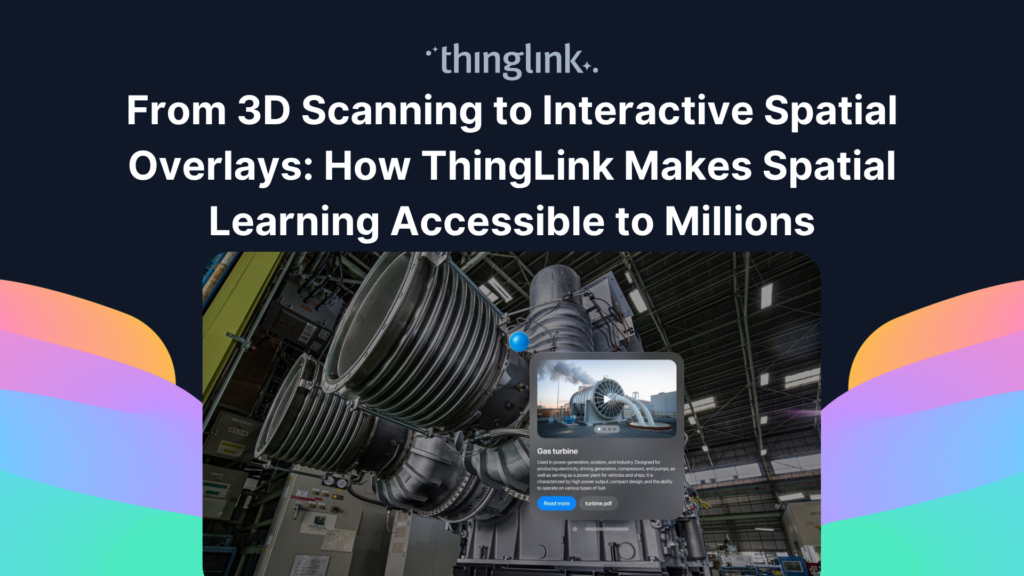
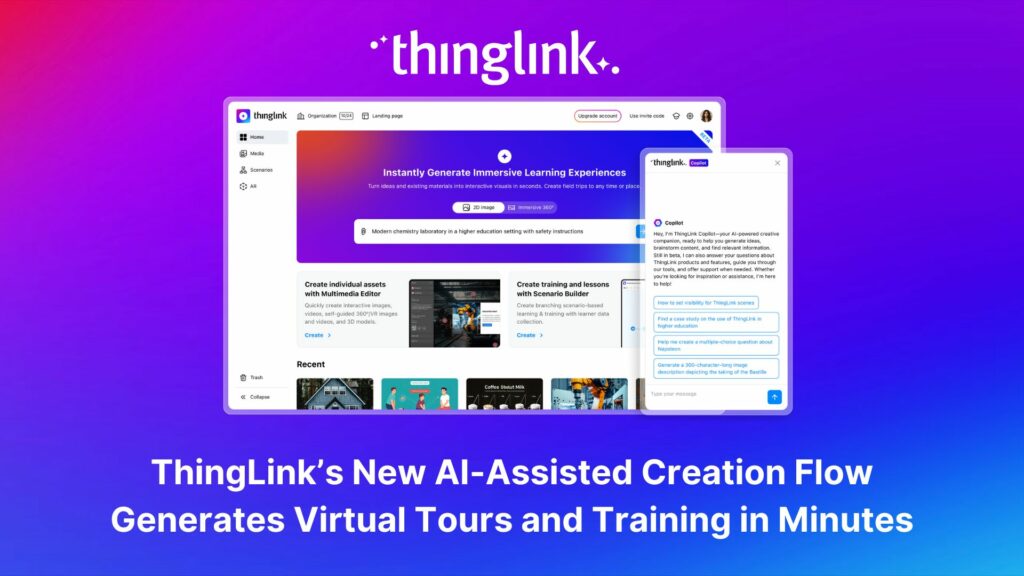
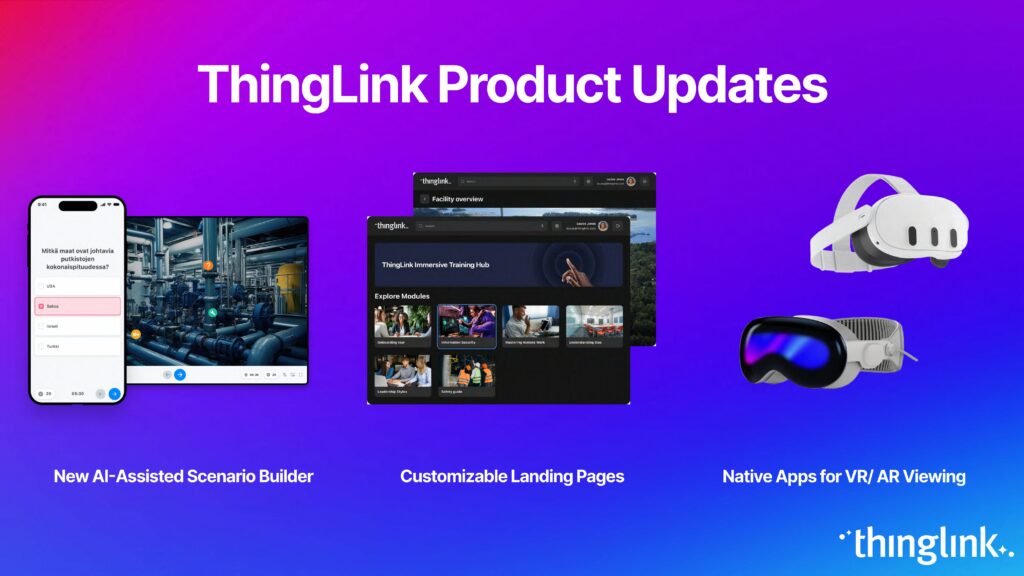
ThingLink is one platform gaining attention in these conversations because it focuses on creating interactive environments rather than slide-based courses.
ThingLink vs Articulate: Two Different Approaches to Learning Design
When evaluating Articulate alternatives, it helps to understand that different learning tools are built for different types of learning experiences.
Articulate tools such as Storyline and Rise are designed primarily for creating structured, slide-based eLearning courses that integrate with learning management systems.
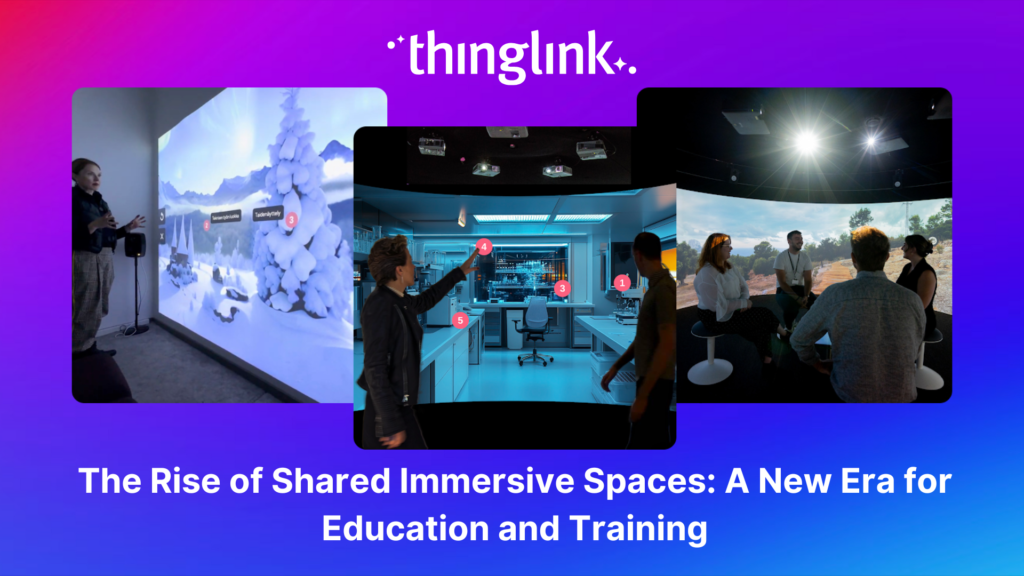
ThingLink takes a different approach by focusing on immersive learning environments that allow learners to explore, interact, and practice skills in context.
Capability
Core learning format
Learning structure
Creation workflow
Typical use cases
Pricing model
AI features
Accessibility for individuals
Articulate
Slide-based courses
Linear modules
Course development and slide authoring
Compliance training, structured courses
Primarily annual enterprise licenses
Moving all subscriptions to AI-enabled plans at a higher price point
Designed primarily for enterprise L&D teams
ThingLink
Interactive, immersive, and spatial learning environments
Exploratory learning experiences
No-code, drag and drop creation of interactive learning environments
Immersive learning environments, safety walkthroughs, scenario-based training, virtual onboarding, interactive product demos
Creator Plans with flexible monthly pricing, plus scalable licenses for schools, universities, and enterprise training teams
AI capabilities are included in the platform and plans, and are optional to use
Used by individual creators, educators, and enterprise training teams
Many organizations are beginning to combine both approaches within their learning ecosystems.
Slide-based courses remain useful for structured knowledge delivery and compliance training. Immersive environments, on the other hand, allow learners to explore real situations, interact with content spatially, and build deeper contextual understanding.
This combination allows learning teams to create experiences that better mirror real-world environments.
Articulate Alternatives for Instructional Designers
Instructional designers evaluating alternatives to Articulate are often not looking to replace every aspect of their current workflow. In many cases, they are looking for tools that allow them to expand the kinds of learning experiences they can create.
Traditional authoring platforms have long been the standard for developing structured eLearning courses that integrate with learning management systems (LMS).
However, instructional designers today are working in environments where expectations around learning experiences are changing rapidly.
Learners increasingly expect training to feel interactive, exploratory, and connected to real-world environments. Slide-based courses can be effective for certain types of content delivery, but they often struggle to recreate the context in which many skills are actually applied.
This is one reason many instructional designers are beginning to experiment with immersive learning platforms alongside their existing tools.
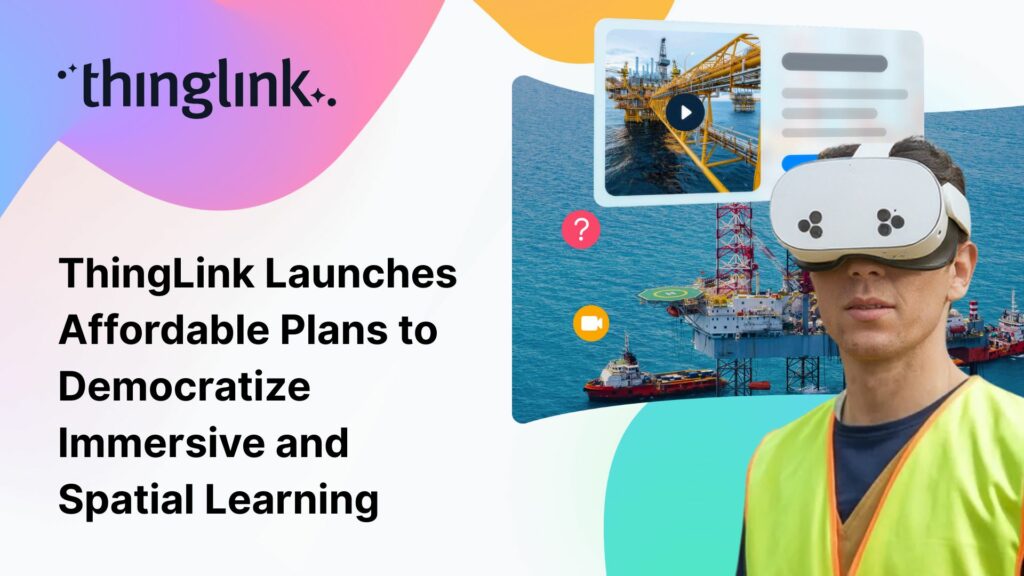
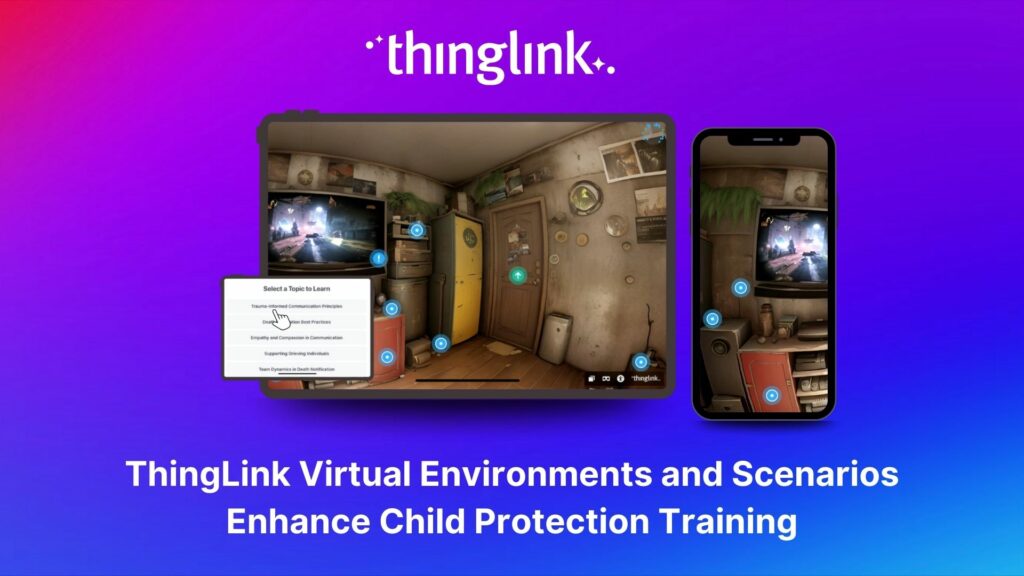
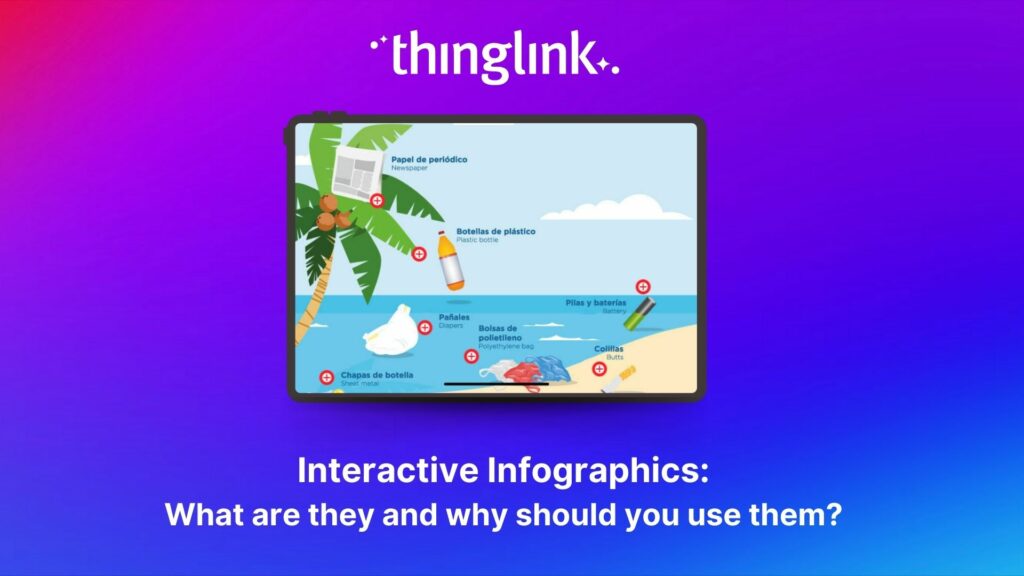
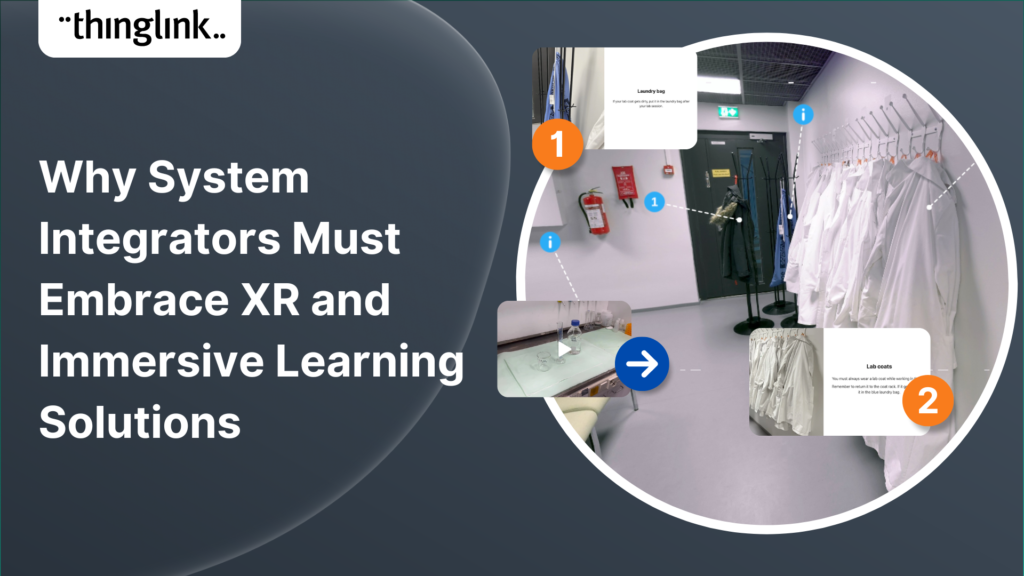
Immersive environments allow designers to build experiences where learners explore a space, investigate objects, and interact with content in context. Instead of moving through a sequence of slides, learners can navigate environments that mirror real workplaces, classrooms, or operational settings.
For example:
- A healthcare training module can allow learners to explore a virtual medical room and identify equipment or procedures.
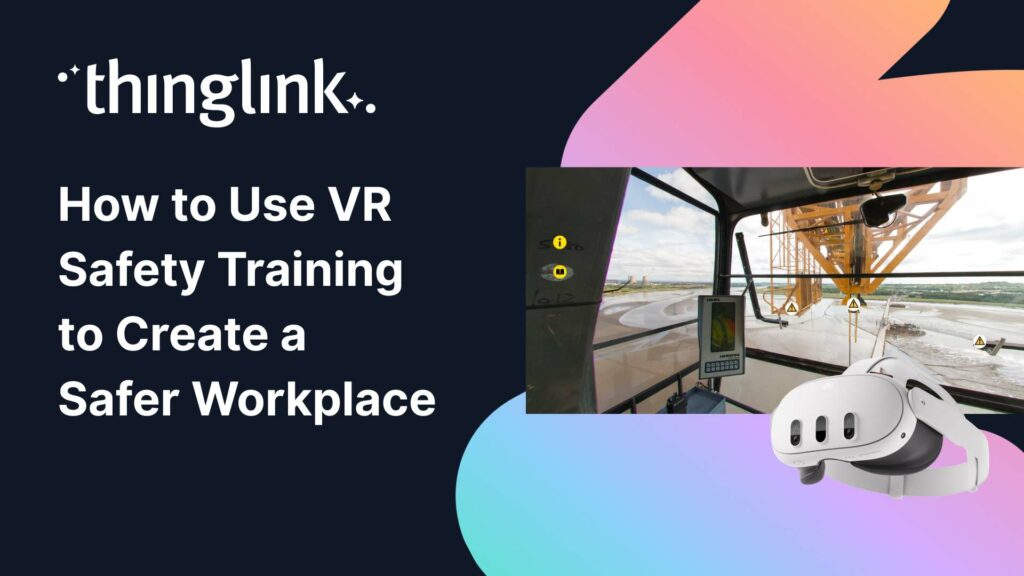
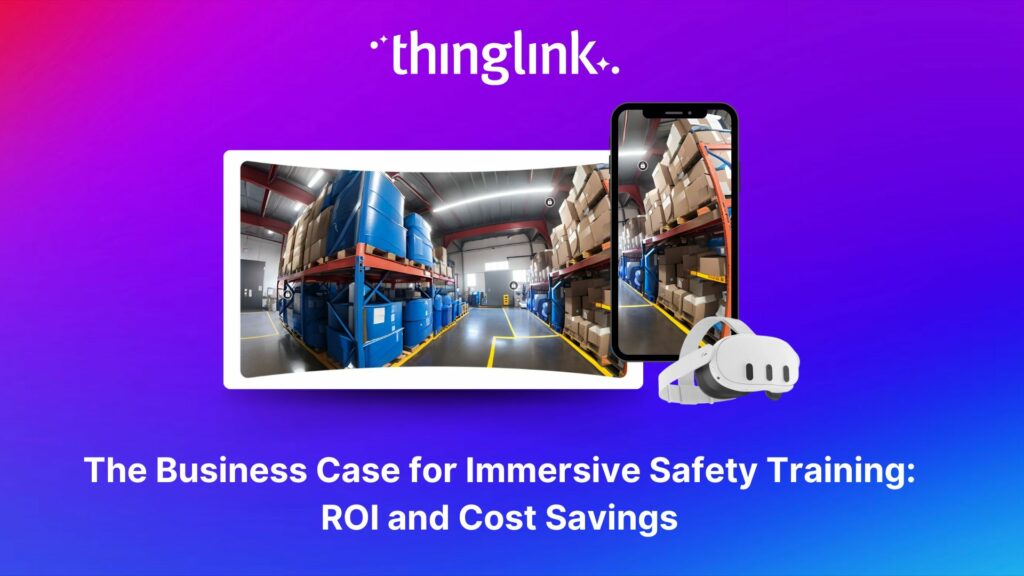
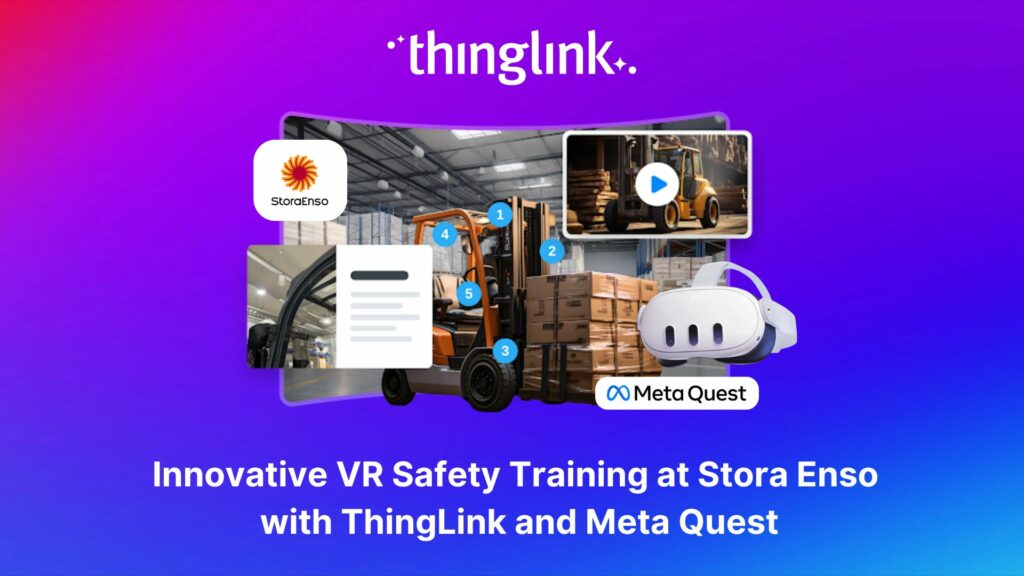
- Safety training can take place inside a simulated work site where hazards must be identified before entering the real environment.
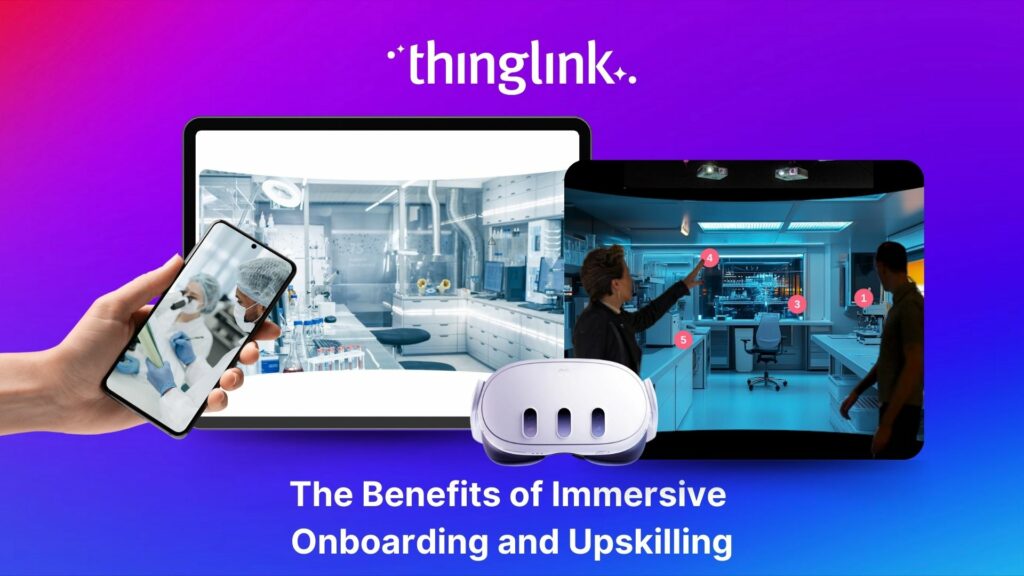
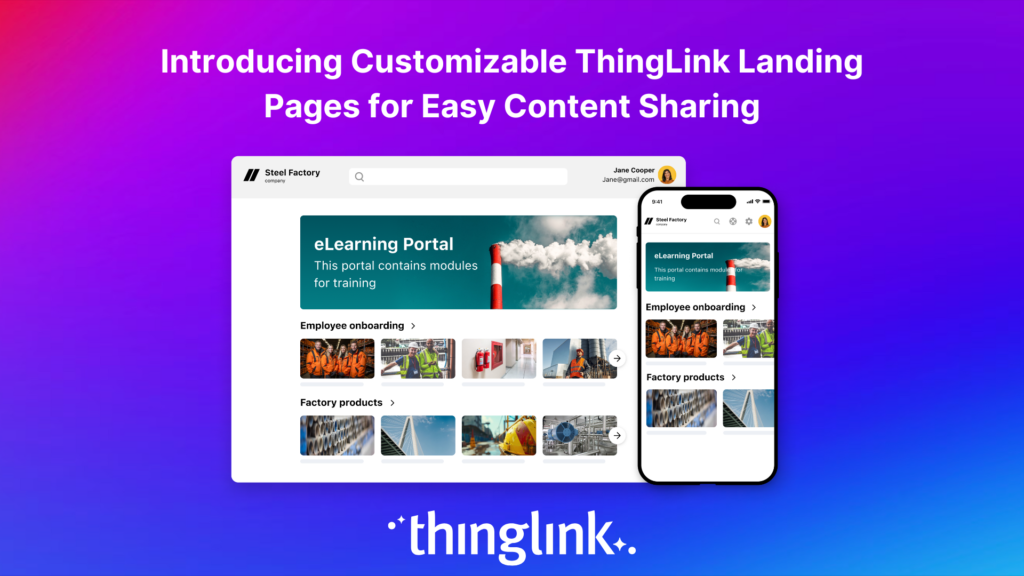
- Onboarding programs can allow new employees to explore facilities and processes before their first day on the job.
- Students can explore historical sites, scientific environments, or geographic locations through interactive experiences.
Platforms like ThingLink make it possible for instructional designers – or indeed anyone, with even limited experience of learning design – to build these environments visually without complex development workflows.
Another factor influencing tool choice is accessibility for creators. Many instructional designers working independently, consulting, or building portfolios look for tools that allow them to experiment without committing to large annual licensing costs.
ThingLink’s Creator Plans were designed with this in mind. These plans provide flexible monthly pricing options that make immersive learning creation accessible to individual designers, educators, and smaller teams.
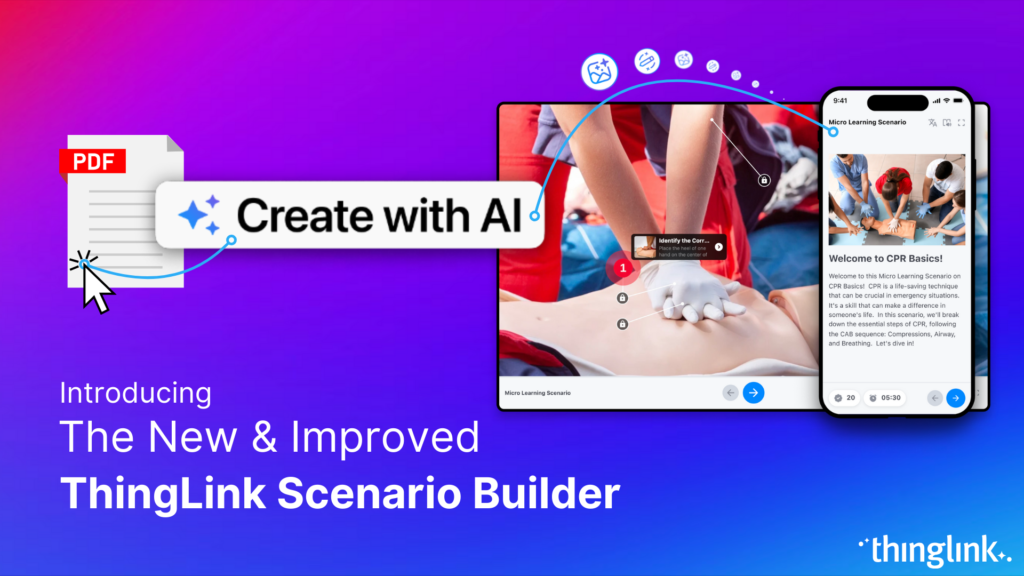
AI capabilities are also included in the platform but remain optional to use, allowing designers to decide how and when AI fits into their workflow.
For instructional designers exploring alternatives to Articulate, the goal is often not to abandon familiar tools entirely. Instead, it is about expanding their design toolkit and creating learning experiences that feel more engaging and contextual.
Why Immersive Learning Is Gaining Momentum
One reason learning teams are exploring alternatives to traditional authoring tools is that many training scenarios simply do not translate well into slide-based formats. In real workplaces, people rarely learn by progressing through a sequence of slides. Instead, they develop skills by interacting with environments, observing processes, and making decisions in context.
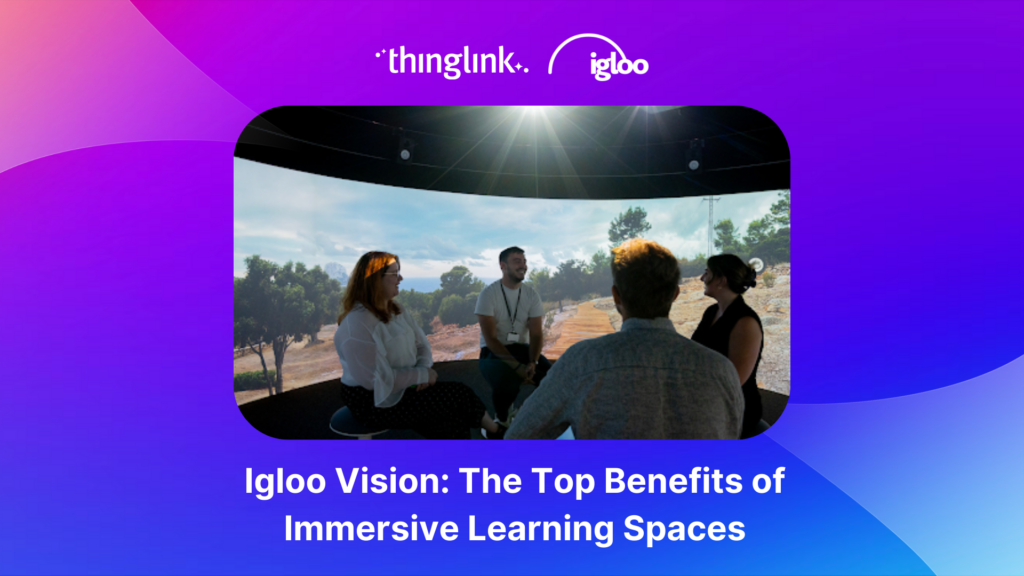
Immersive learning environments allow these types of experiences to be recreated digitally. They help learners build spatial awareness and contextual understanding that can be difficult to achieve in traditional eLearning courses. They also allow learning teams to scale training experiences that would otherwise be expensive or difficult to organize in person. As a result, immersive learning has gained traction across industries ranging from healthcare and manufacturing to higher education and K–12 classrooms.
For many learning teams, immersive learning does not replace traditional courses entirely. Instead, it expands what digital learning experiences can look like. By combining structured course modules with immersive environments, organizations can design training programs that are both scalable and deeply engaging.
Listening to the Learning Community
One of the most important drivers of innovation in learning technology is feedback from the people who use these tools every day.
At ThingLink, we closely follow conversations across the learning design community and work directly with educators, instructional designers, and training teams to understand the challenges they face.
Customer feedback plays a central role in shaping our product roadmap and guiding how we develop new features.
Learning design is evolving quickly, and the tools that support it must evolve alongside it.
If you are exploring immersive learning approaches or experimenting with new formats for digital training, we would love to hear from you. Feedback from educators, instructional designers, and training teams continues to shape the future of ThingLink and the broader learning technology landscape.
Book a free consultation
If you’d like to learn more about how your company can save resources and effectively support employees with scalable XR and impactful training, schedule a free call with our Enterprise Executive.