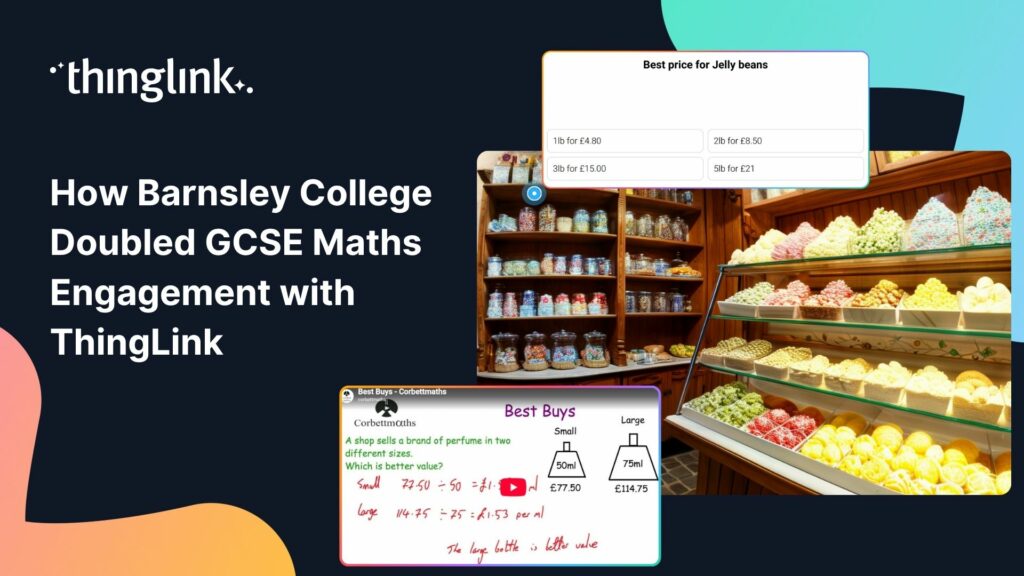
The Background Barnsley College is a Further Education college in South Yorkshire, England, which caters for over 8000 students across a number of campuses. It...
What if your employees could practise a hazardous procedure, make a wrong decision, and experience the consequences without anyone getting hurt? That is the promise...
Virtual reality headsets are an incredibly powerful way for learners to explore immersive learning experiences. By placing learners inside an environment and allowing...
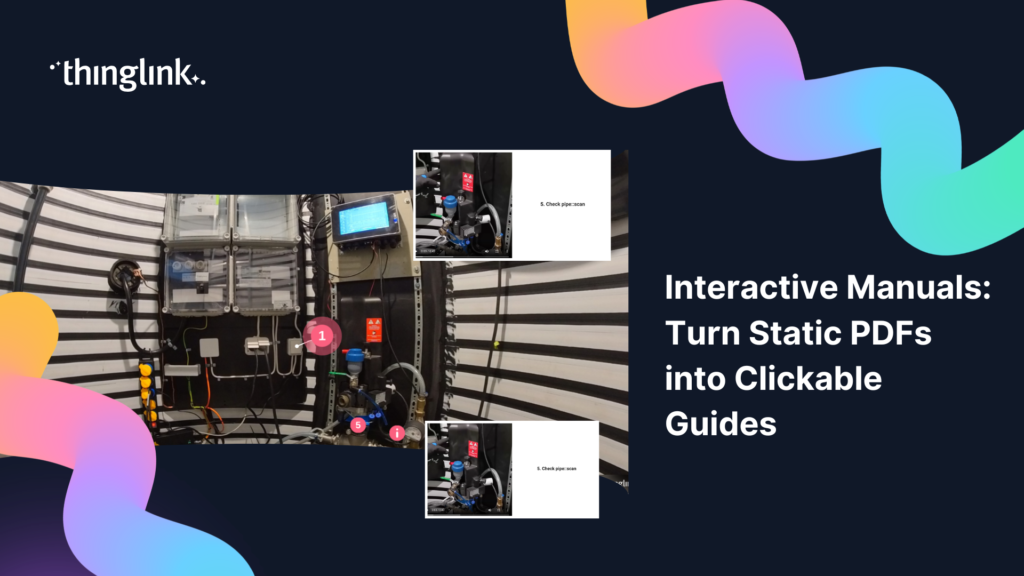
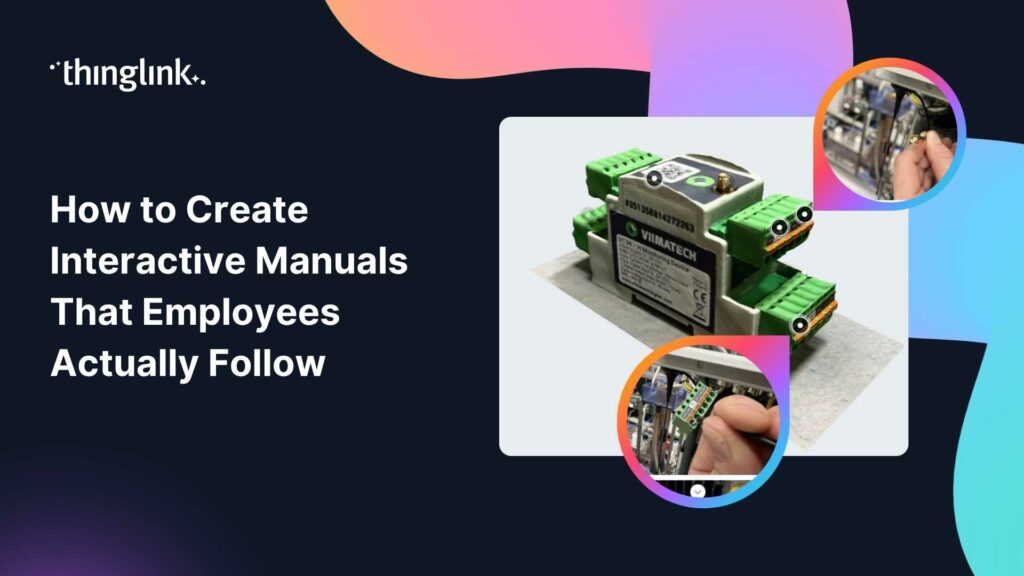
Your technicians are standing on the factory floor, tablet in hand, trying to find page 47 of a 200-page PDF. They scroll. They pinch and zoom. They give up and...
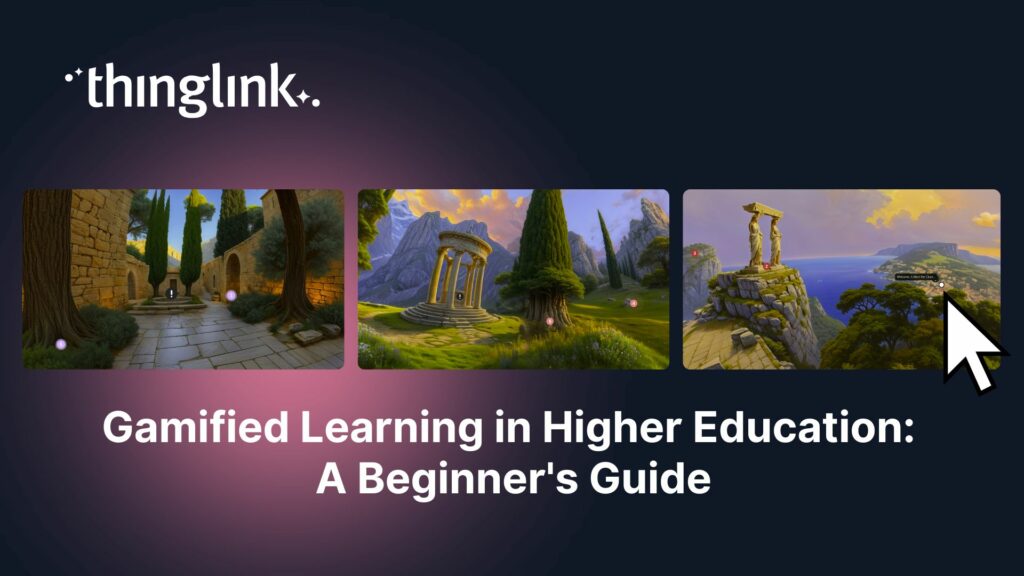
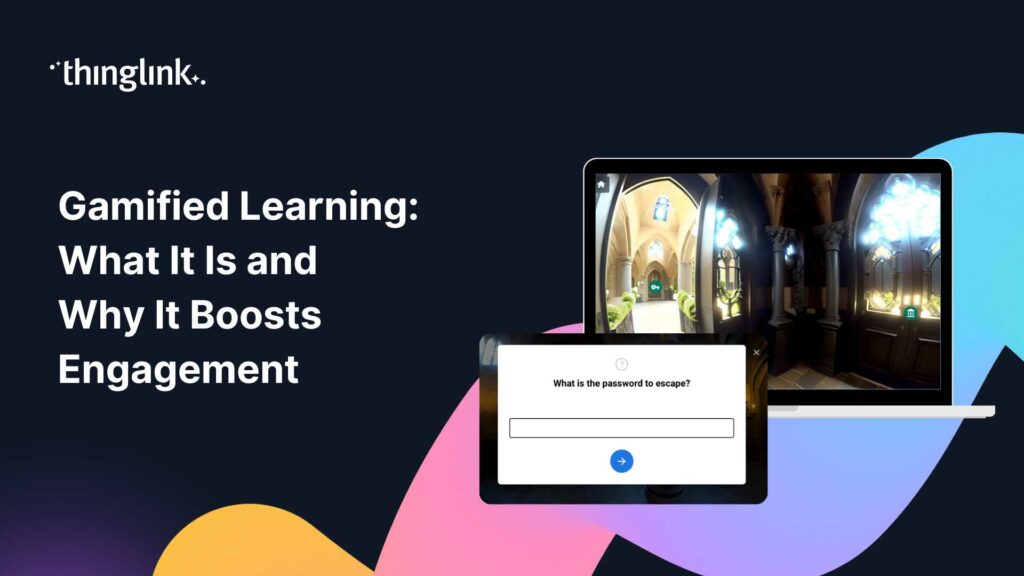
What if your students were so absorbed in a learning activity that they forgot they were being assessed? That is the promise of gamified learning, and it is more...
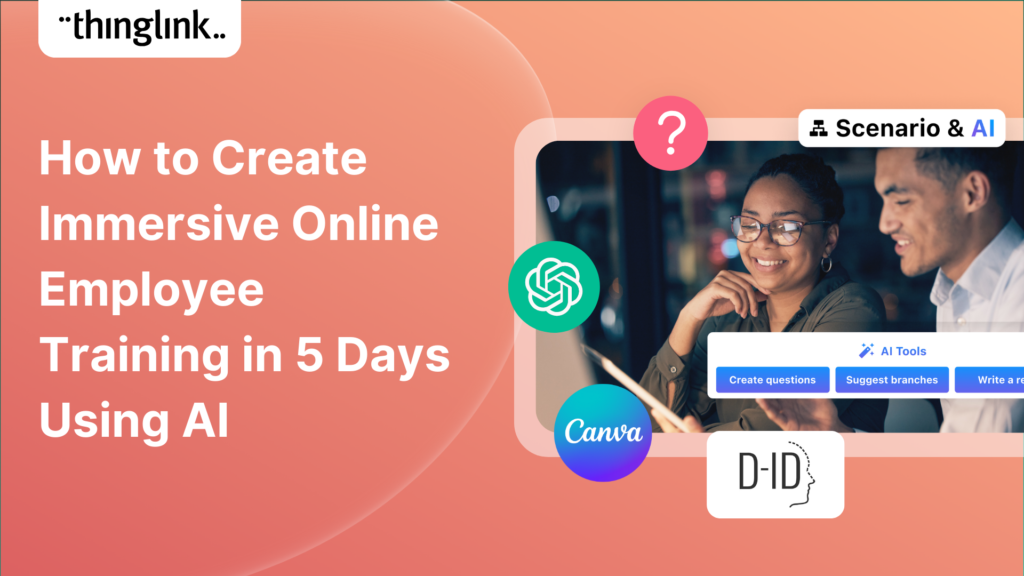
What if you could go from blank canvas to a fully immersive online employee training program in less than a working week? For most learning and development teams,...
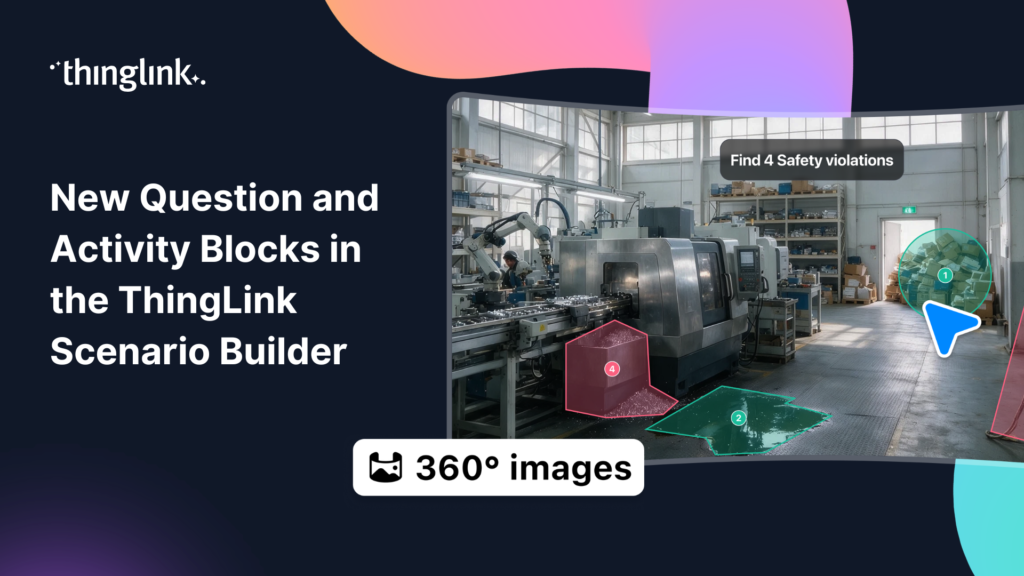
ThingLink Scenario Builder now includes an expanded range of Question and Activity blocks, giving creators more ways to collect learner responses and build interactive...
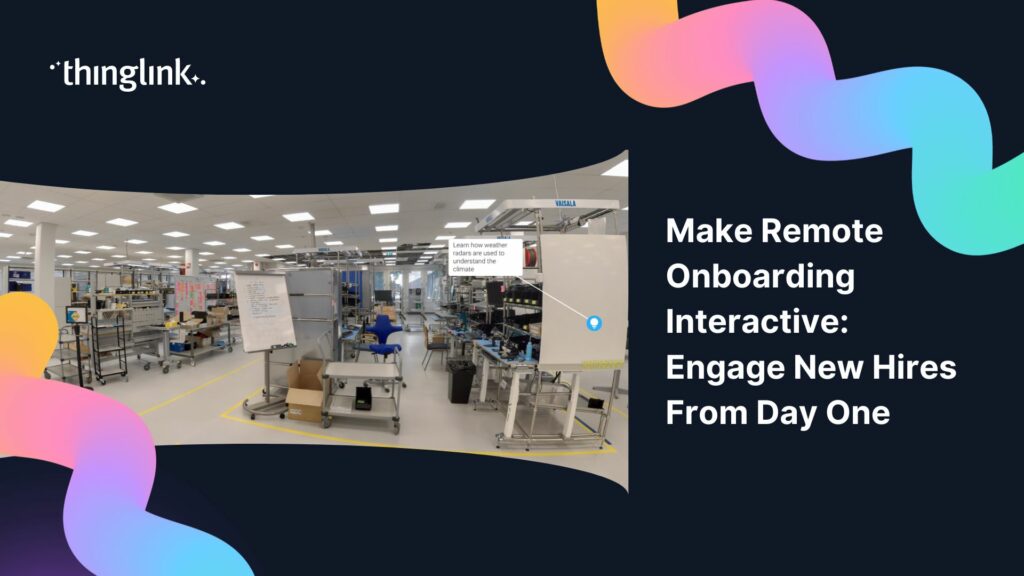
Your new hire logs in on their first day. They receive a PDF handbook, a slide deck, and a calendar full of video calls. By lunchtime, they are overwhelmed. By ...
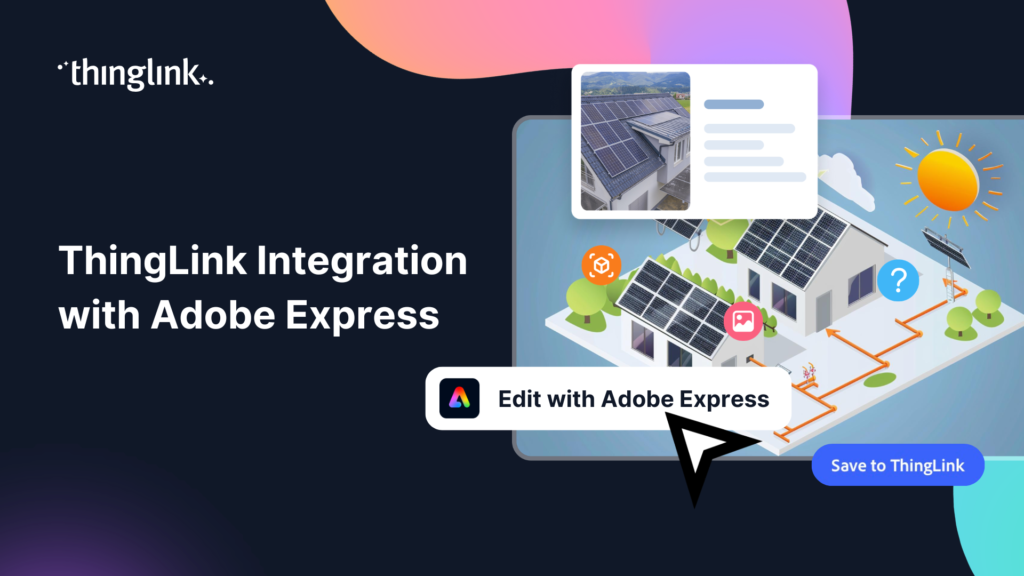
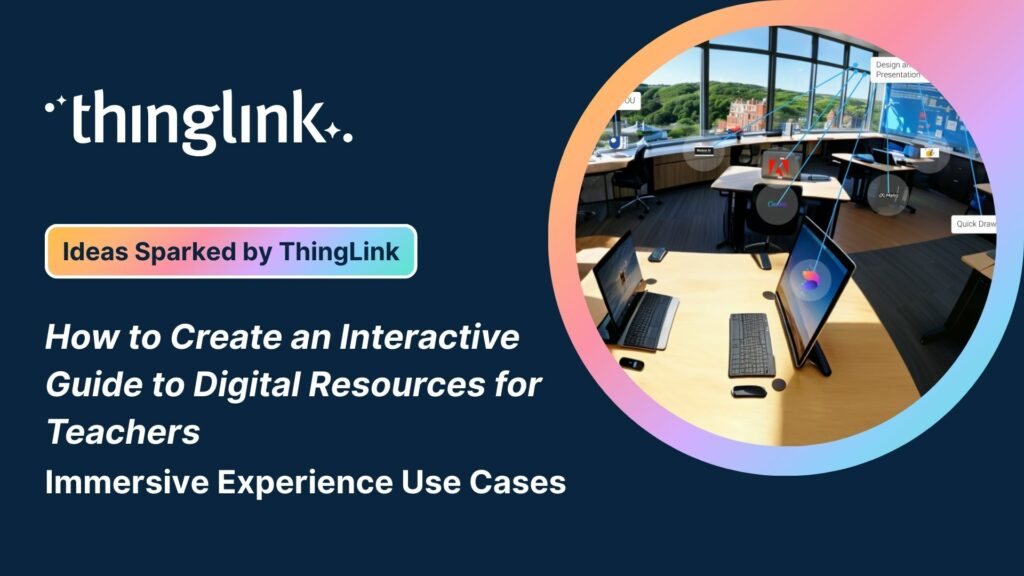
We’re thrilled to announce a brand-new integration between ThingLink and Adobe Express, making it easier than ever to design stunning visuals and turn them...
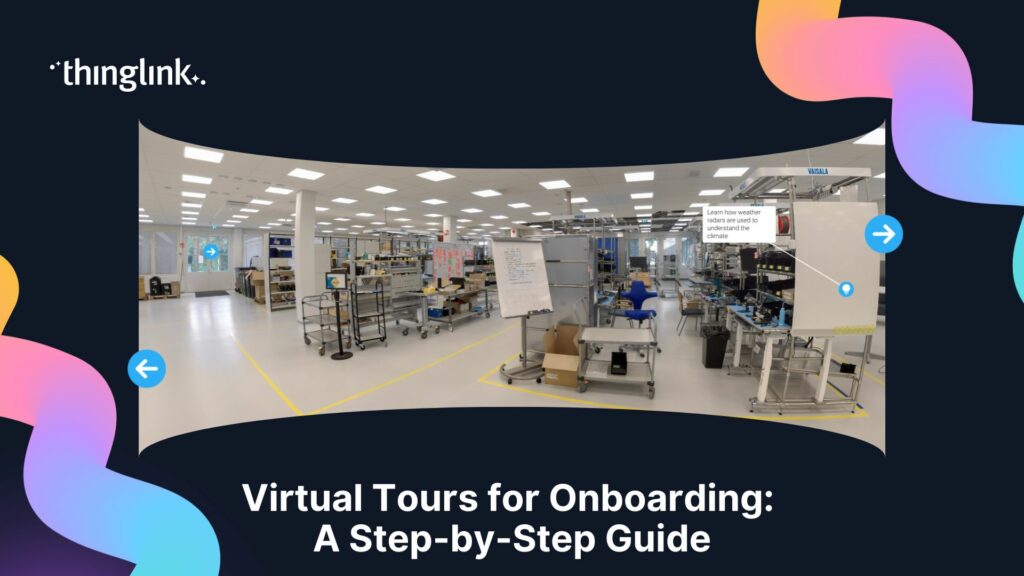
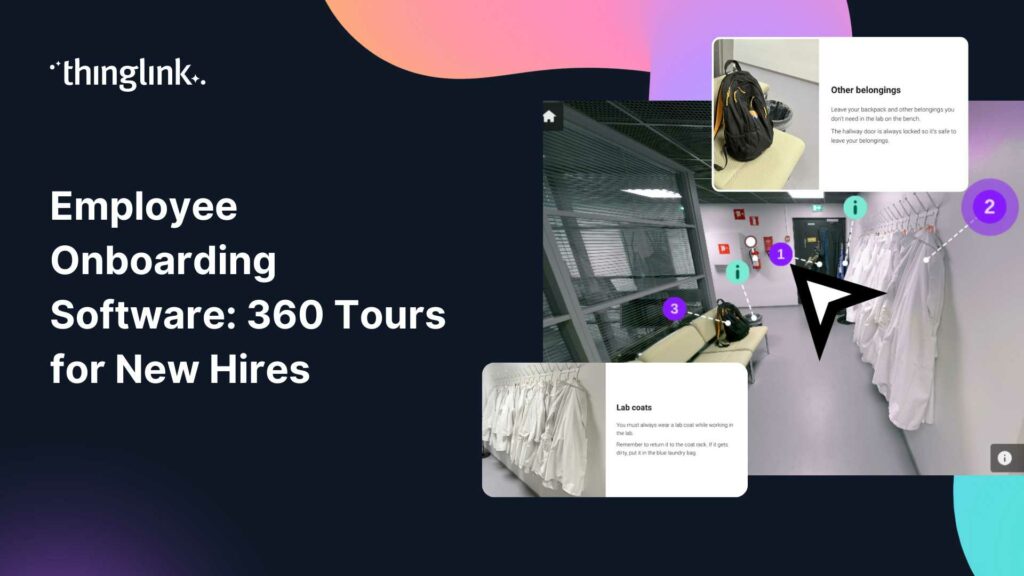
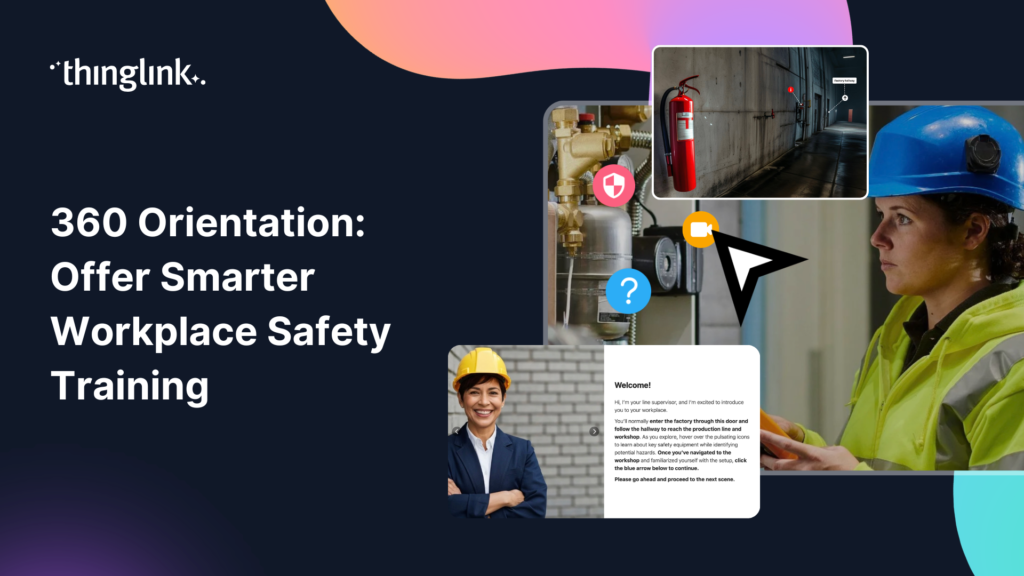
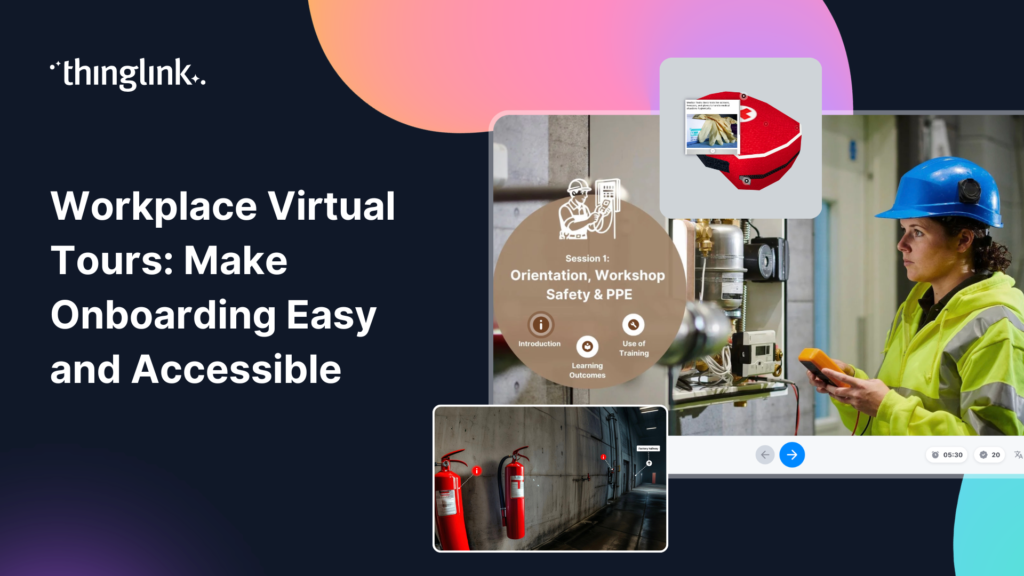
Your new hire’s first day shouldn’t be the first time they see your workplace. By the time someone walks through the door, they’re already managing...
Your learners are busy. They are balancing targets, deadlines, and back-to-back meetings. And somewhere in between all of that, they are supposed to complete their...
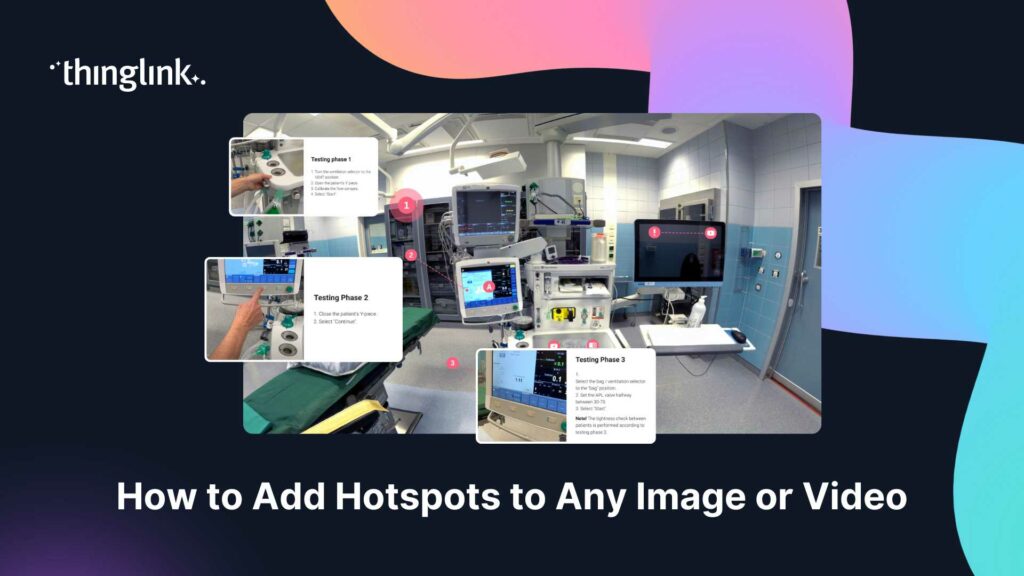
You have a great image or video. You know there is more to say about it. But a static file sitting inside a course or on a webpage can only do so much. What if ...
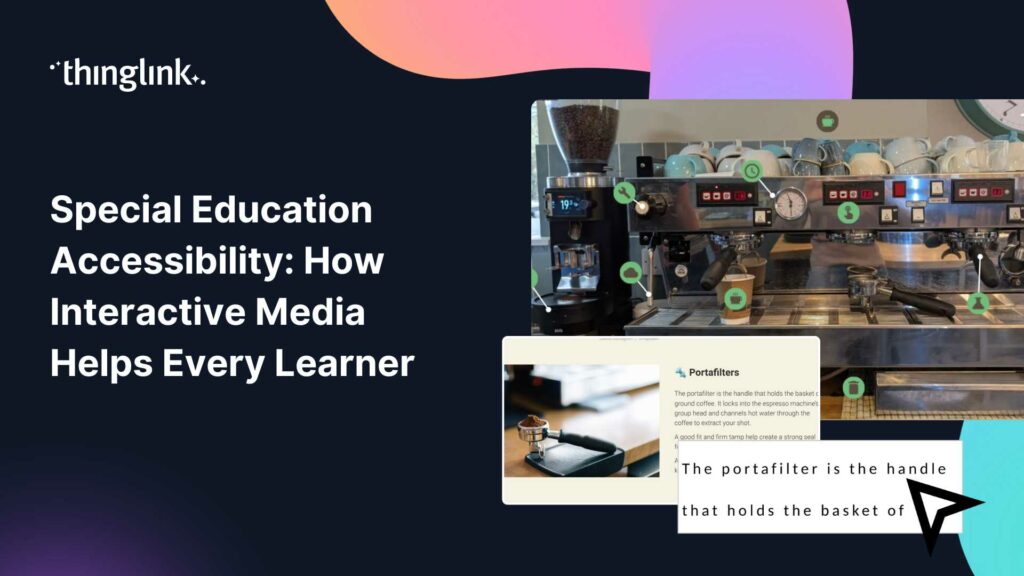
What if every student in your classroom could access the same learning experience, regardless of their communication style, sensory needs, or cognitive profile?...
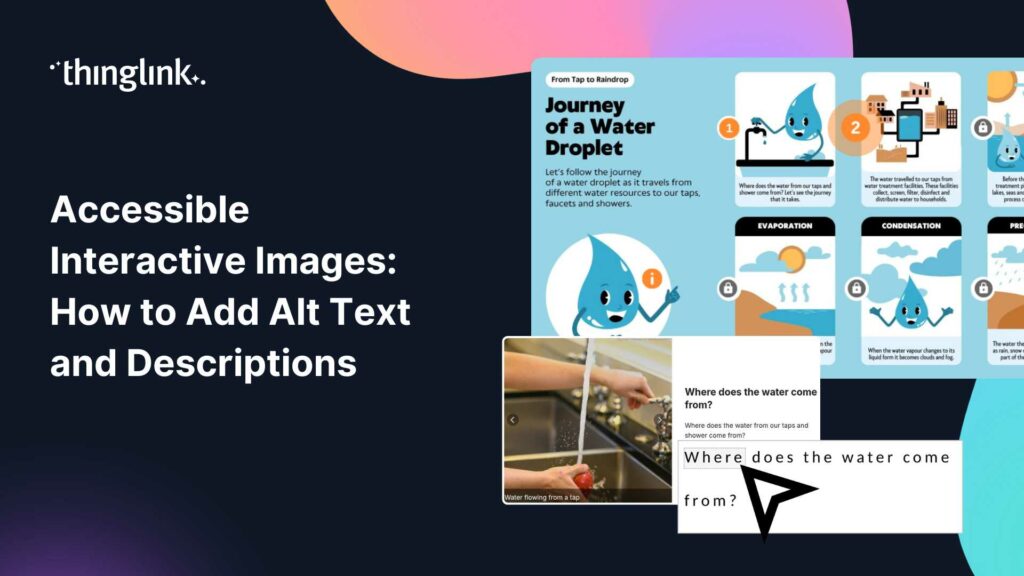
You’ve built a beautiful interactive image. Tags are placed, content is layered in, and the learning journey feels intuitive. But here’s the question...
You have printed the procedures. You have uploaded the PDFs. You have added the laminated cards near the equipment. And yet, workers still do the task their own...
What if your most important compliance training module was completely invisible to 20% of your workforce? Not because they skipped it, but because the format itself...
Your new hire has signed the contract. Now comes the part that shapes everything: onboarding. Research consistently shows that the first weeks in a role have an...
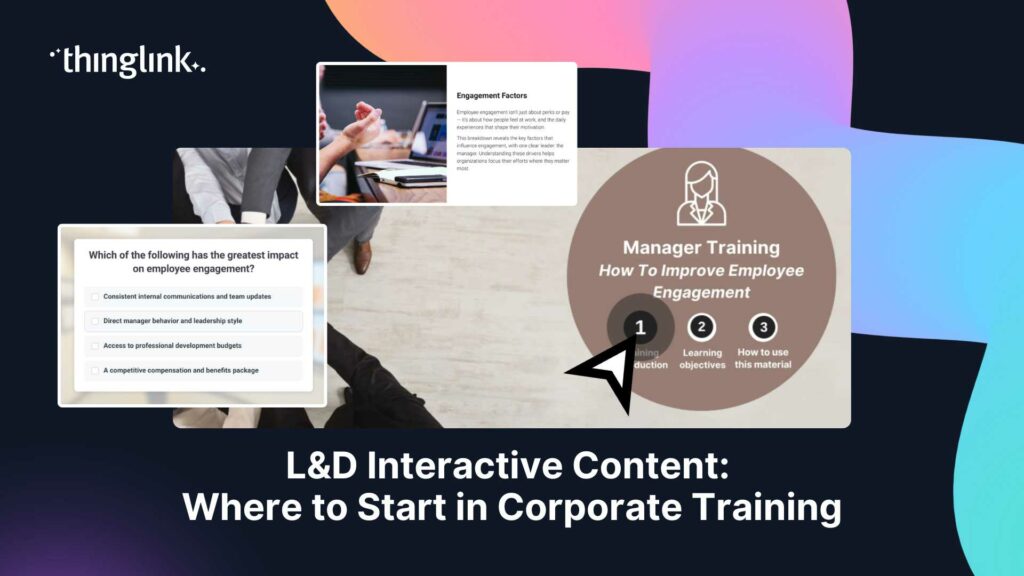
Your team completed the compliance module. They passed the quiz. Three weeks later, they freeze on the job. Sound familiar? If you lead learning and development,...
Your learners are sitting through another slide deck. They click through, they score 80% on the quiz, and two weeks later they cannot recall a single decision they...
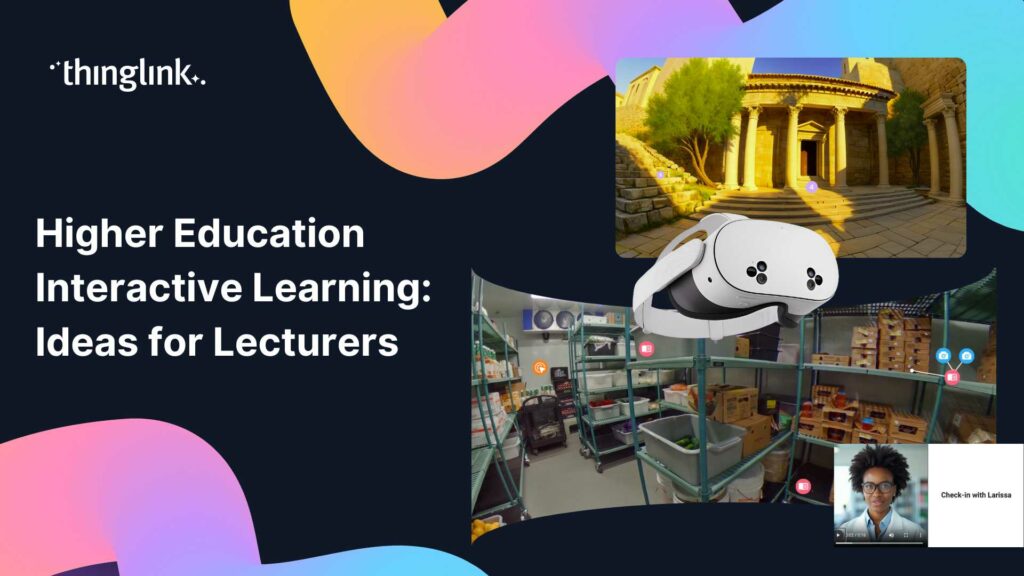
Lecturing to a room of disengaged students is one of the oldest frustrations in higher education. You know the material matters. Getting students to genuinely connect...
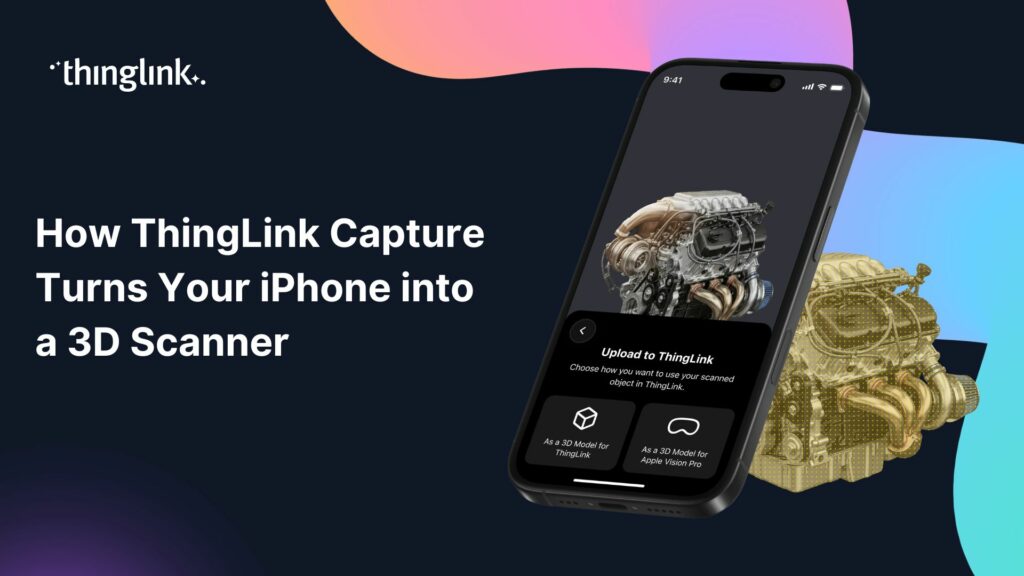
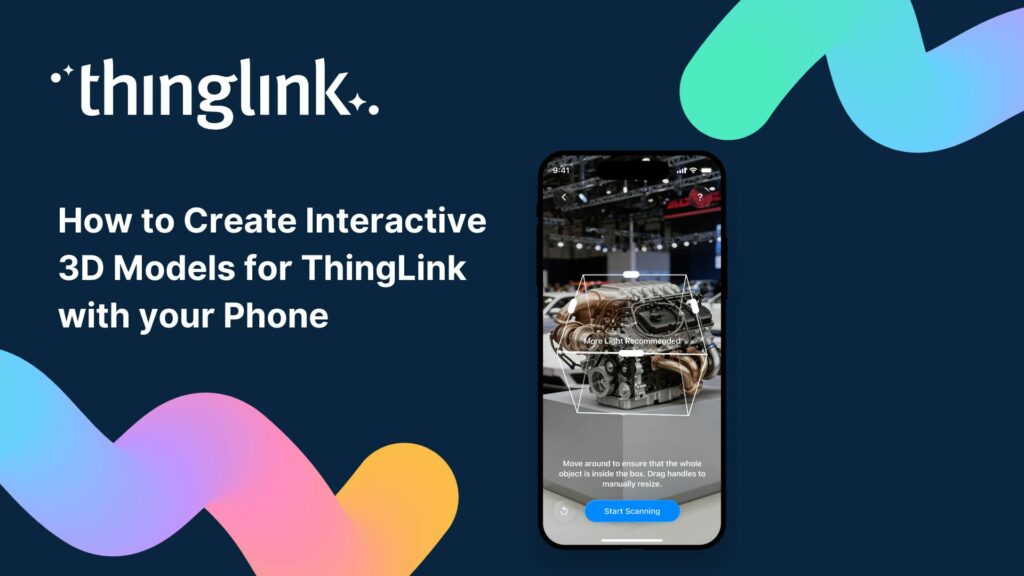
What if the most powerful 3D scanning device in your organisation was already in your pocket? For learning designers and instructional designers, capturing real-world...
Your new hire starts on Monday. Their laptop is ready, their desk is booked, and someone has ordered the obligatory welcome pack. But here is the honest question:...
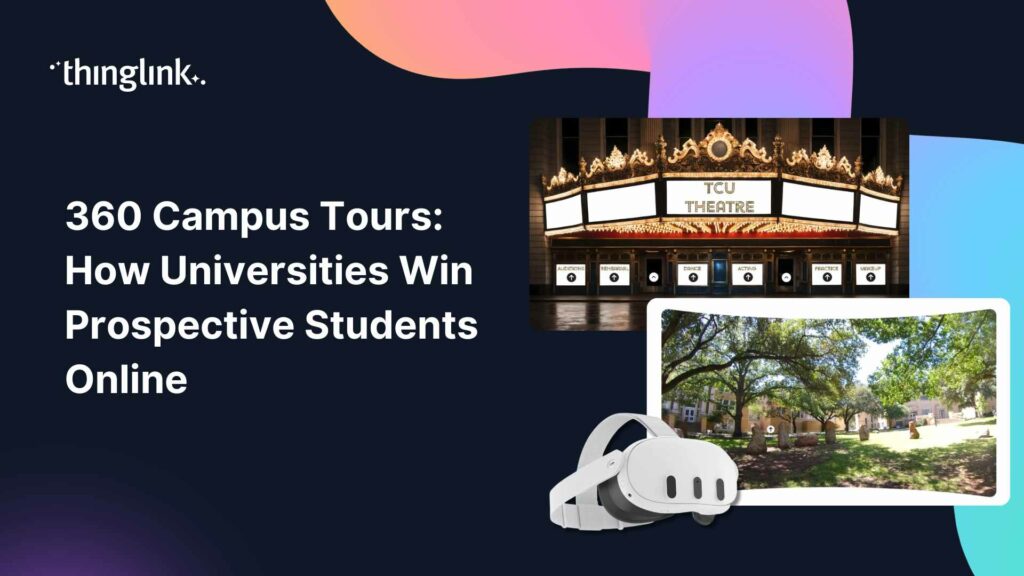
What if a prospective student could walk your campus, peek inside your labs, and feel the energy of your student union, without ever leaving their bedroom? That...
Why Traditional Training Is No Longer Enough Your learners are switching off. Slide decks, compliance click-throughs, and passive video modules have been the backbone...
What Does Immersive Learning Actually Look Like in Practice? You have probably heard the term immersive learning used a lot lately. But when you work in healthcare...
Your learners are sitting through another click-through compliance module. They’re reading, clicking next, reading, clicking next. And by the time they close...
What if your students were genuinely reluctant to stop learning? Not because you threatened a grade penalty, but because the lesson itself felt too good to quit?...
Turn Your iPhone Into a 360 Virtual Tour Creator What if the most powerful 360 virtual tour software you need is already in your pocket? With ThingLink’s ...
What Is a Digital Escape Room, and Why Are Educators Talking About It? Your students are disengaged. Lecture slides are going unread. Formative assessments feel...
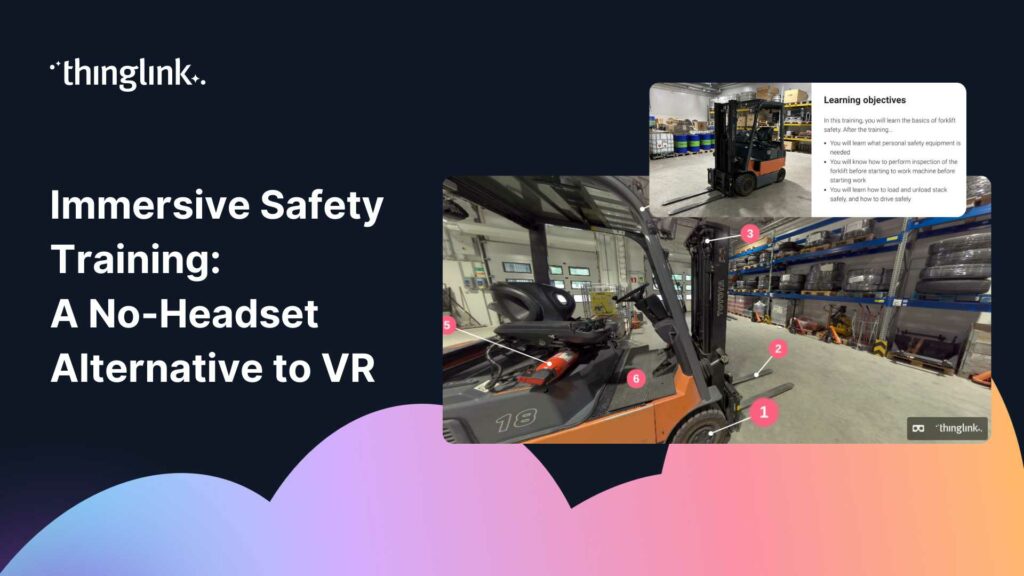
Your learners are spread across three sites. Your budget does not stretch to a fleet of VR headsets. And your compliance deadline is in six weeks. Sound familiar?...
What if your new hire’s first week included solving a mystery, navigating a virtual office, and unlocking company knowledge one clue at a time? Virtual escape...
What if your new hires could walk the factory floor, identify hazards, and practise emergency procedures before they ever set foot on site? That is exactly what...
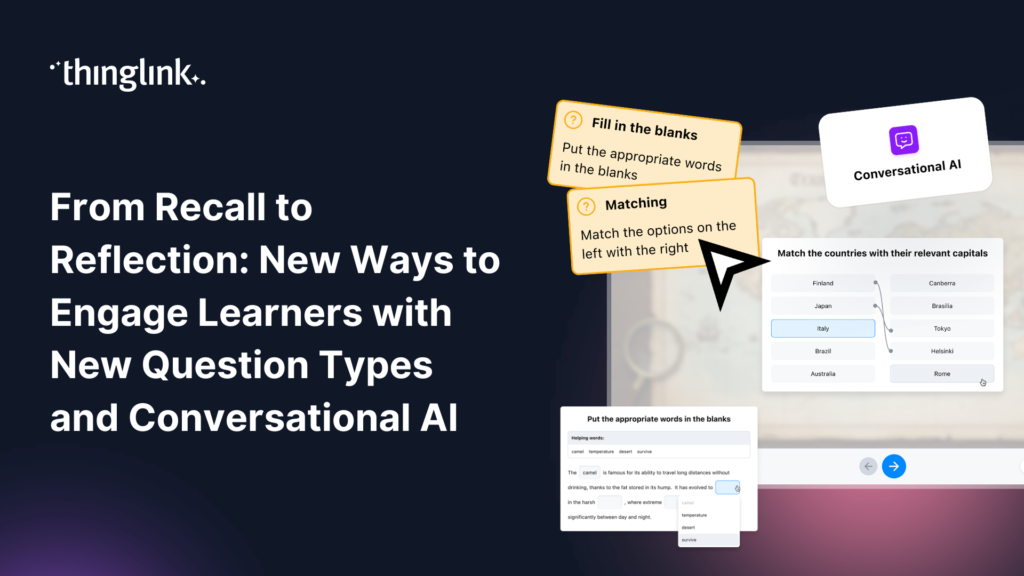
Great learning experiences don’t rely on a single type of interaction. Sometimes learners need to recall key facts. Sometimes they need to recognize patterns,...
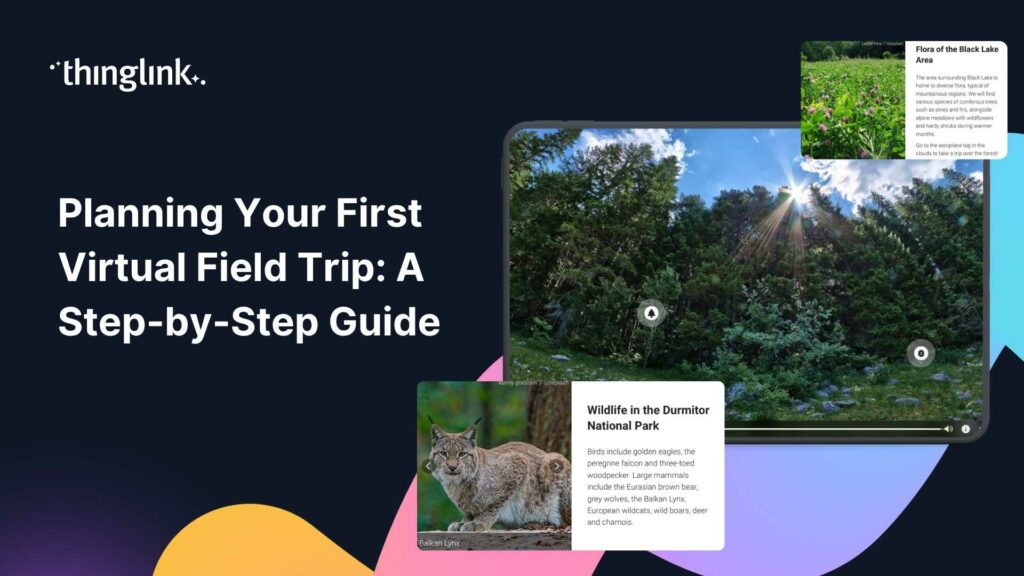
What if your students could stand inside a volcano, walk the halls of a world-class museum, or explore a university campus without leaving the classroom? Virtual...
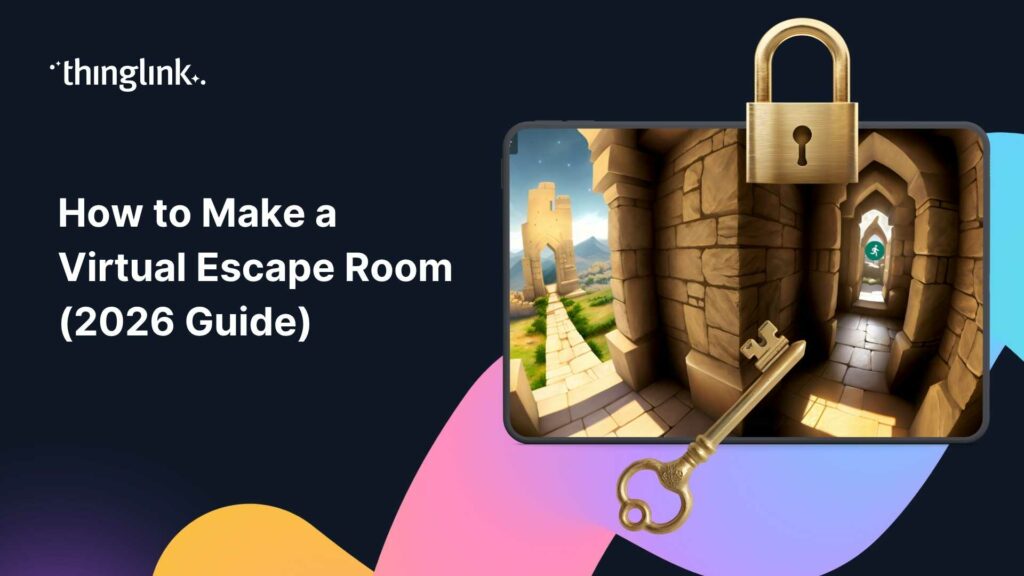
What if your next training module felt less like a slideshow and more like a mission? Virtual escape rooms are one of the most engaging formats in digital learning...
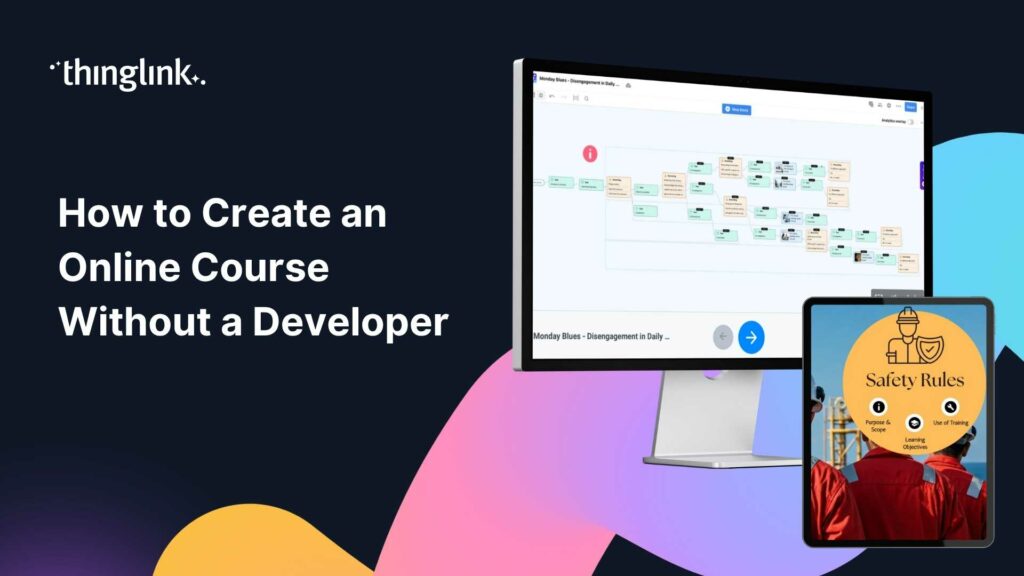
You have the expertise. You know what your team needs to learn. But every time you picture building an online course, you hit the same wall: you need a developer,...
You have great training content. You also have a team of busy learners who click away from passive video within the first two minutes. Sound familiar? Interactive...
What If Learning Felt More Like Playing? Imagine your students leaning forward in their seats, eager to find out what happens next. Imagine a lecture hall where...
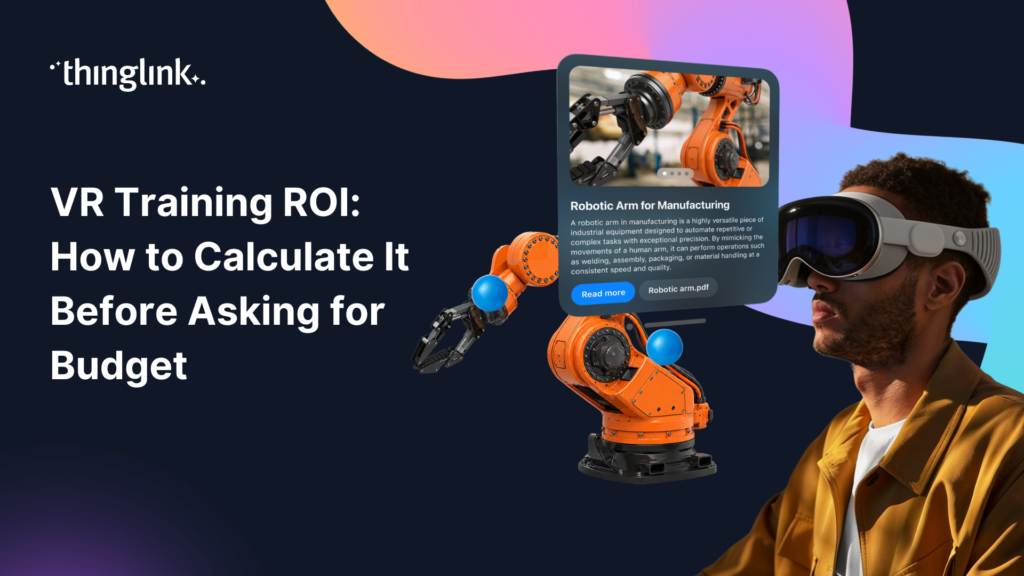
You already believe in immersive learning. Your challenge is convincing the person holding the budget. Before you walk into that meeting, you need more than enthusiasm....
You've planned the session. Booked the room. Printed the handouts. Gathered the group. And two weeks later, most of what was covered has quietly vanished from...
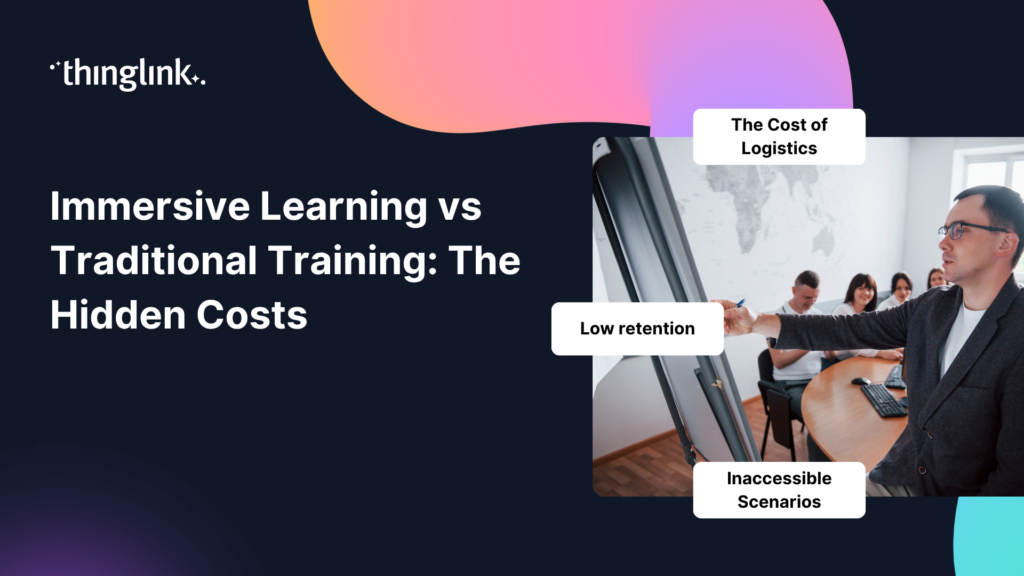
Immersive Learning vs Traditional Training: What the Data Actually Shows You've sat through the slide decks. You've administered the compliance click-throughs....
You've sat through the end-of-year review. Completion rates are acceptable. Quiz scores look fine on paper. But six months later, your employees can't recall...
You already know immersive learning works. You've seen the engagement numbers, heard the feedback from pilot participants, and watched colleagues at other organisations...
You're under pressure to prove that every training pound or dollar is well spent. So when someone suggests replacing classroom sessions or e-learning modules...
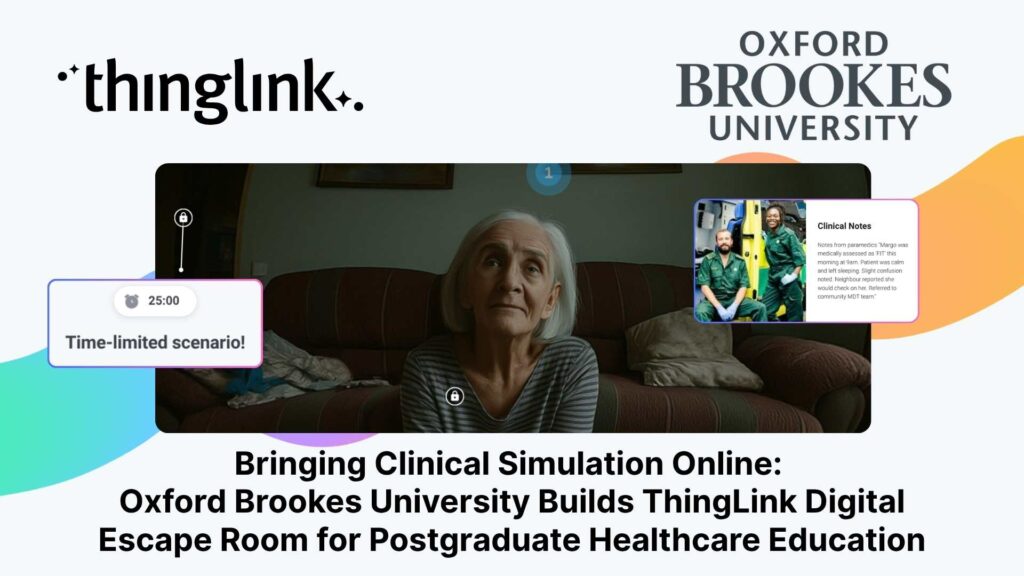
Institution: Oxford Brookes University, Faculty of Health Science and Technology Lead: Emma Mellors, Senior Lecturer Advanced and Specialist Practice / CPD Programmes...
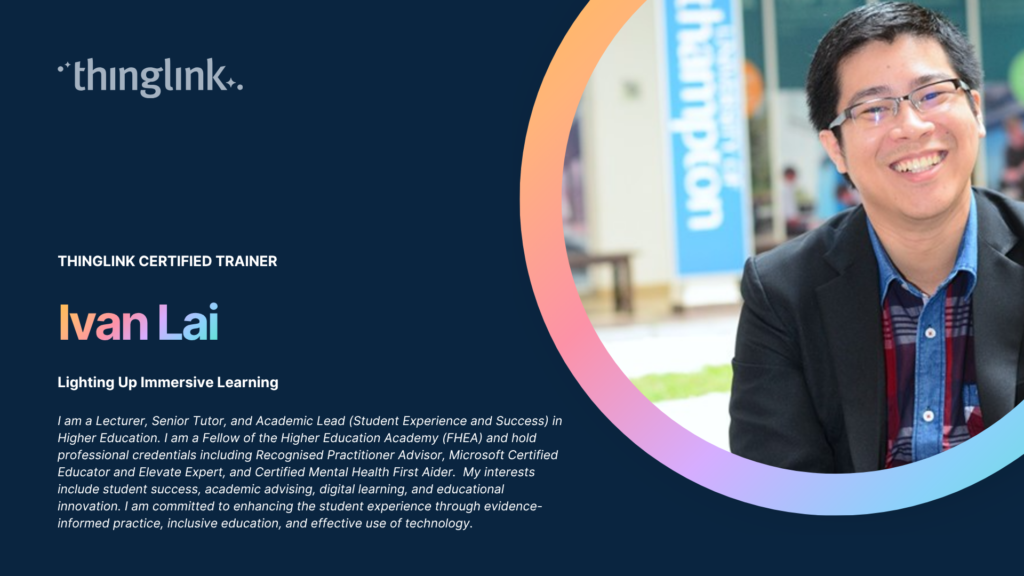
ThingLink Luminaries is a series of guest blog posts highlighting certified trainers who are creating interactive and immersive experiences to make learning...
What if your new hire could walk the floor, meet their team, and understand the layout of their workplace before they even arrive? For many organisations, the first...
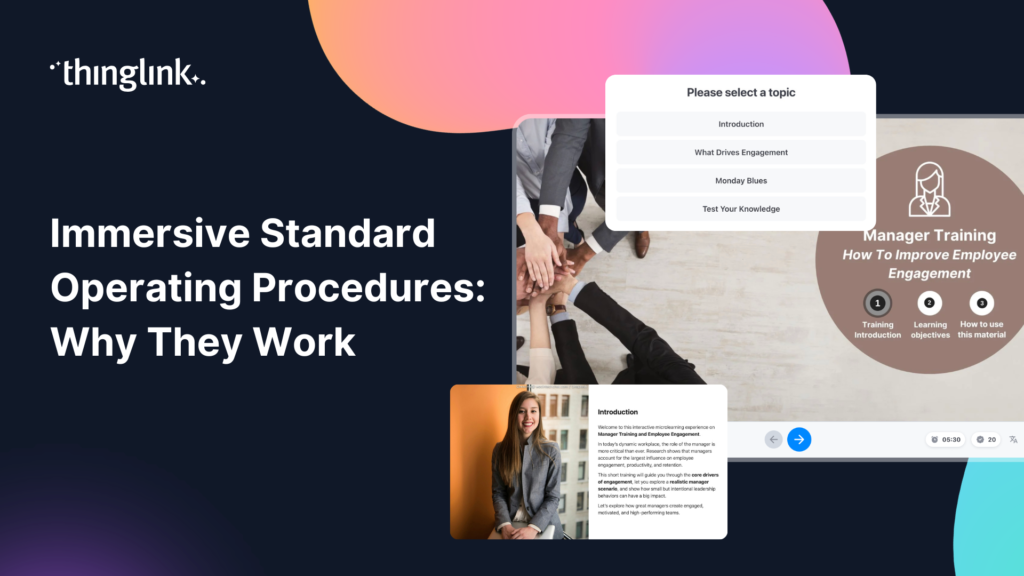
Your standard operating procedures are only as good as the training behind them. If your team is skimming PDFs, clicking through generic slide decks, or sitting...
What if your team could practise responding to a chemical spill, a fire evacuation, or a machinery fault — before anything went wrong in real life? That is the...
Christopher Sanderson, PhD, is a Senior Lecturer in the Department of Teaching, Learning, and Sociocultural Studies in the College of Education at the University...
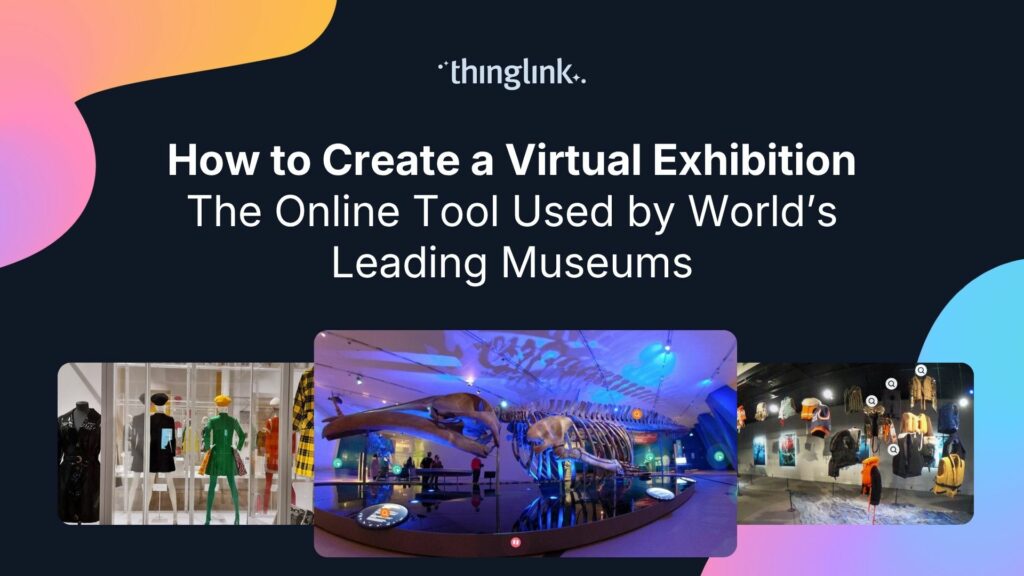
Regardless of size, museums worldwide face challenges related to funding, staffing, and audience engagement. One way that museums are overcoming these challenges...
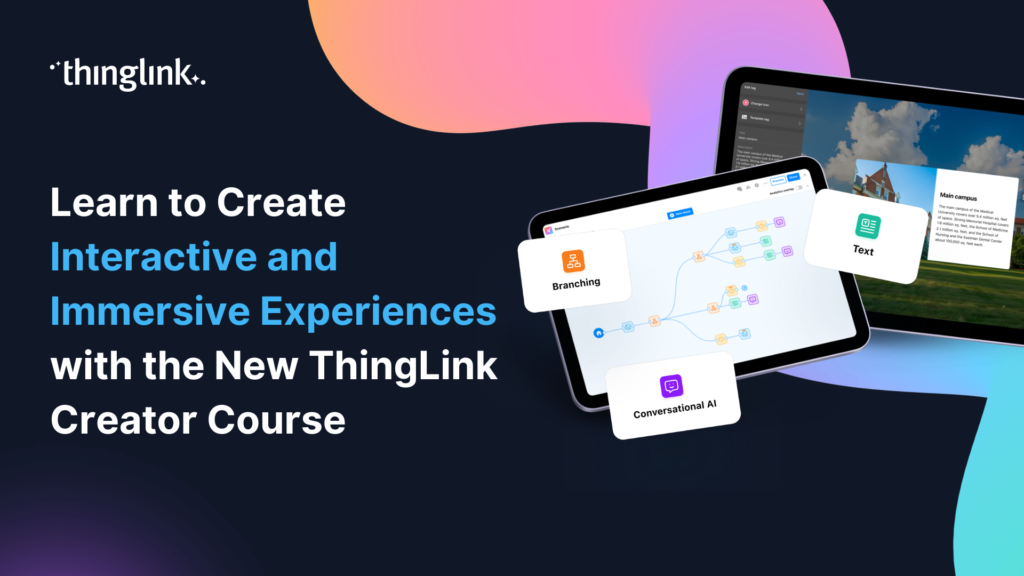
🚀 The Official ThingLink Certified Creator Course is now live! Whether you’re completely new to ThingLink or looking to deepen your skills, the new Certified...
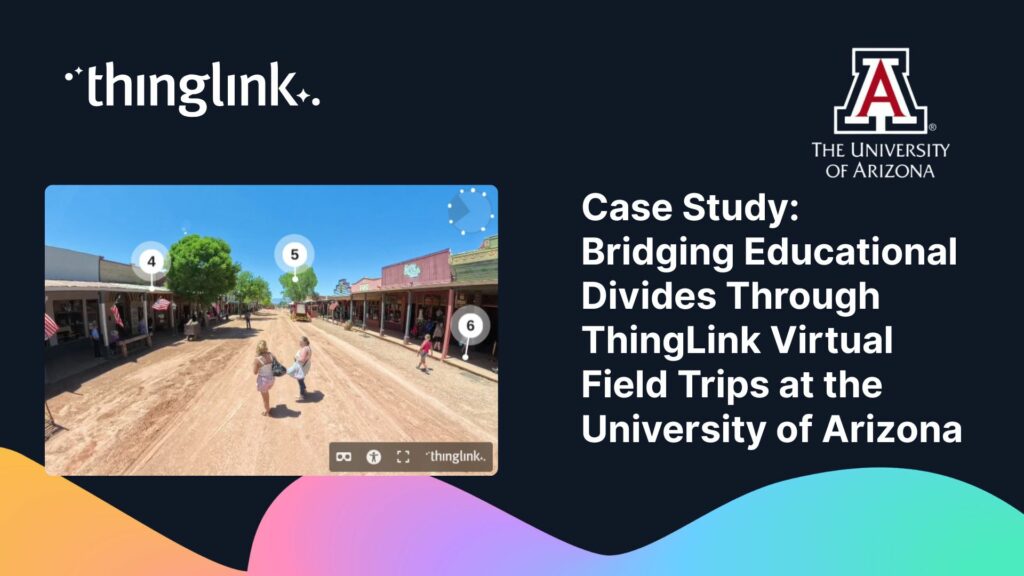
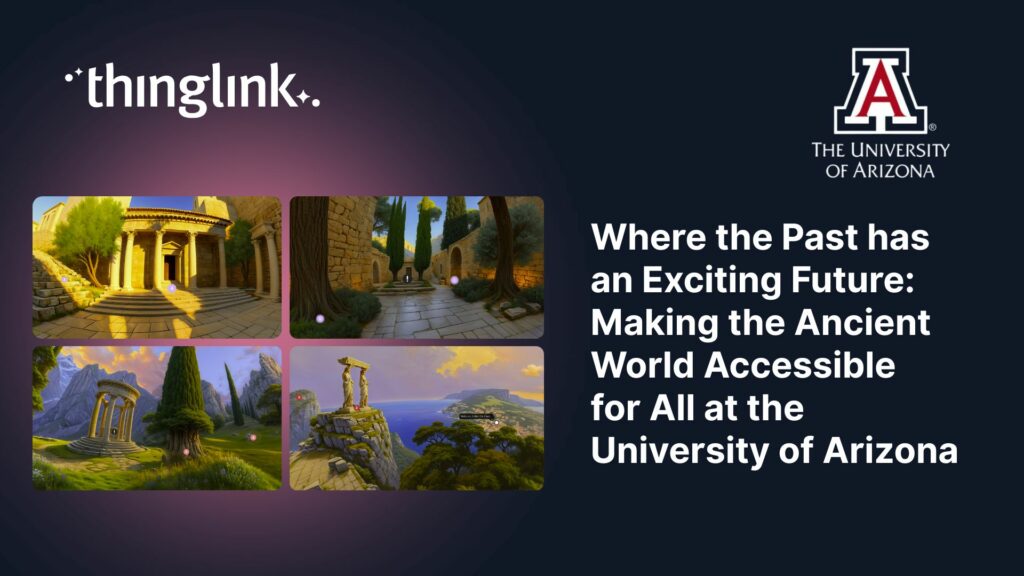
Background Dr. Rob Stephan is a classical archaeologist and Associate Dean of the Franke Honors College at the University of Arizona, whose teaching centers on ...
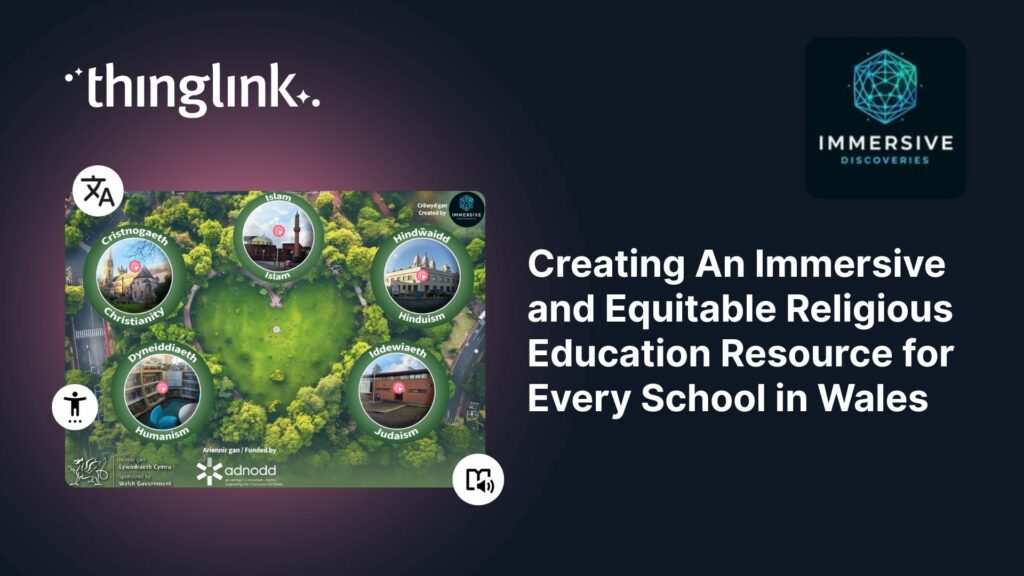
Educator Gemma Zeeman is founder of Immersive Discoveries, and a Qualified Teacher who has taught from Reception to Year 6. She currently works as a Research Assistant...
Haaste ISS Palveluiden CMS-yksikkö vastaa siivouksesta, kiinteistöhuollosta ja teknisistä palveluista Joensuun alueella. Business Joensuu hallinnoi Joensuun ...
Challenge The CMS unit of ISS Palvelut is responsible for cleaning, property maintenance and technical services in the Joensuu region. Business Joensuu manages ...
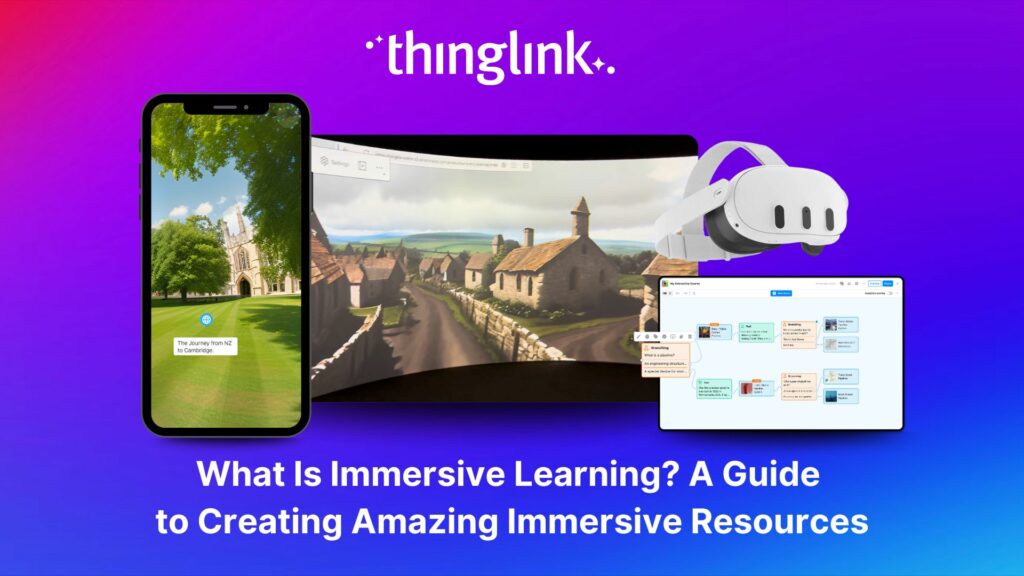
What is Immersive Learning? Immersive learning is a modern approach to education and training that uses interactive, spatial experiences to place learners in real-world...
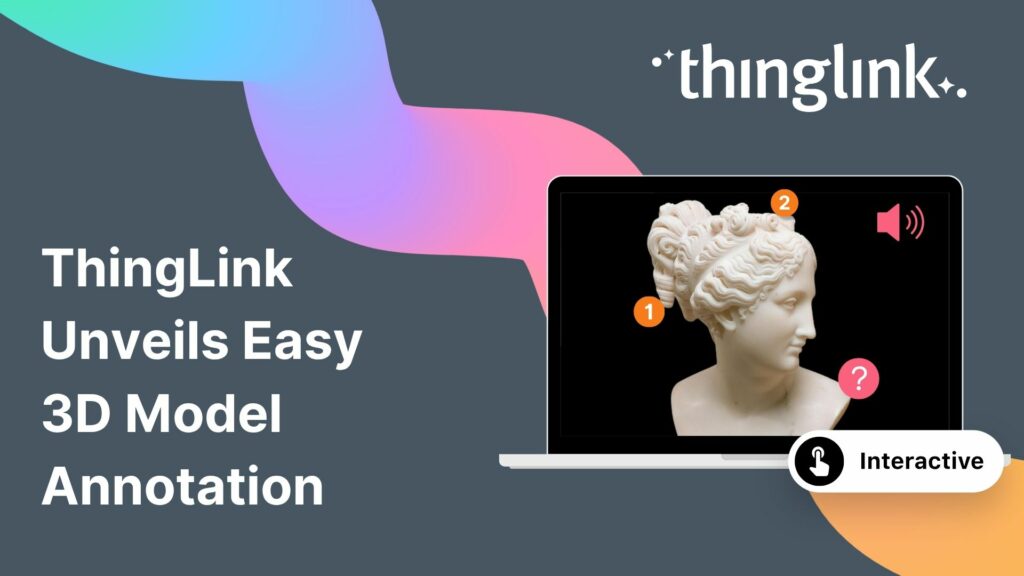
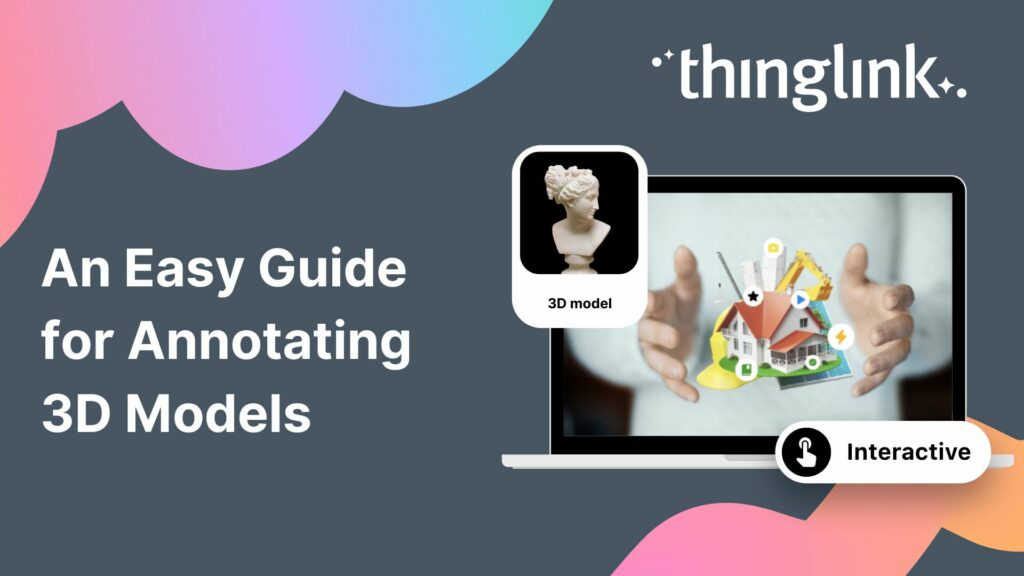
The interactive media platform ThingLink now supports 3D model annotation. In addition to images and videos, ThingLink content creators can now also enhance 3D ...
3D models are gaining popularity as the process of creating them has become more user-friendly. A few years ago you needed dedicated 3D modelling software, and ...
What is 3D Model Annotation? ThingLink allows users to create interactive 3D models as easily as they create interactive images, videos and virtual tours. The feature...
Helsinki, 12 March 2026 ThingLink has entered into a strategic partnership with Vervenest Technologies Private Limited to support the expansion of immersive learning...
Are you seeking innovative solutions to elevate your vocational education programs? Do you find traditional methods struggle to keep pace with the demands of a ...
Helsinki, 2 March 2026 ThingLink has signed a Memorandum of Understanding (MoU) with the National Skill Development Corporation (NSDC), under the Ministry of Skill...
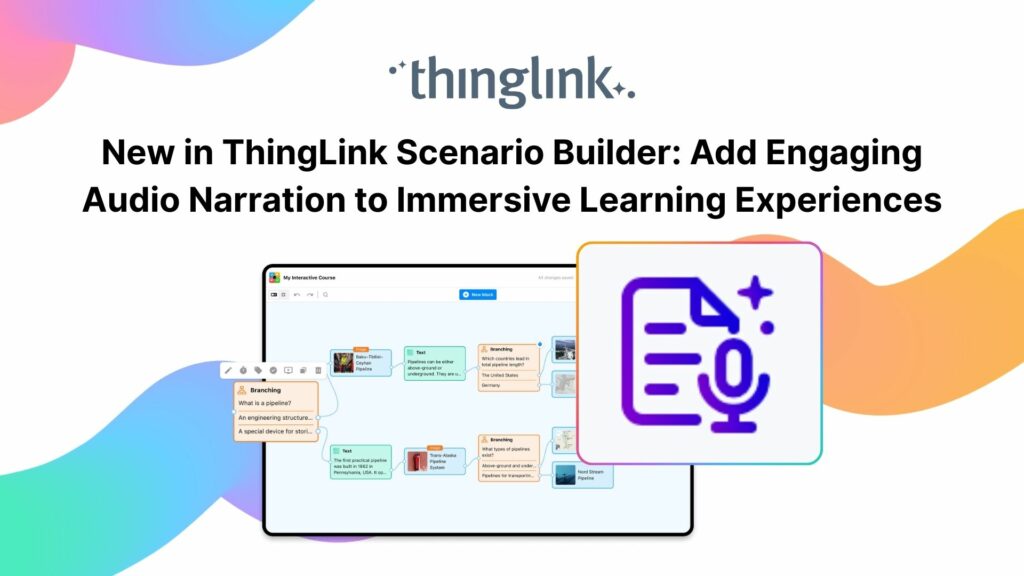
Your text becomes a part of your learning experience, create immersive, podcast-worthy audio every time. We’re excited to introduce a new audio narration feature...
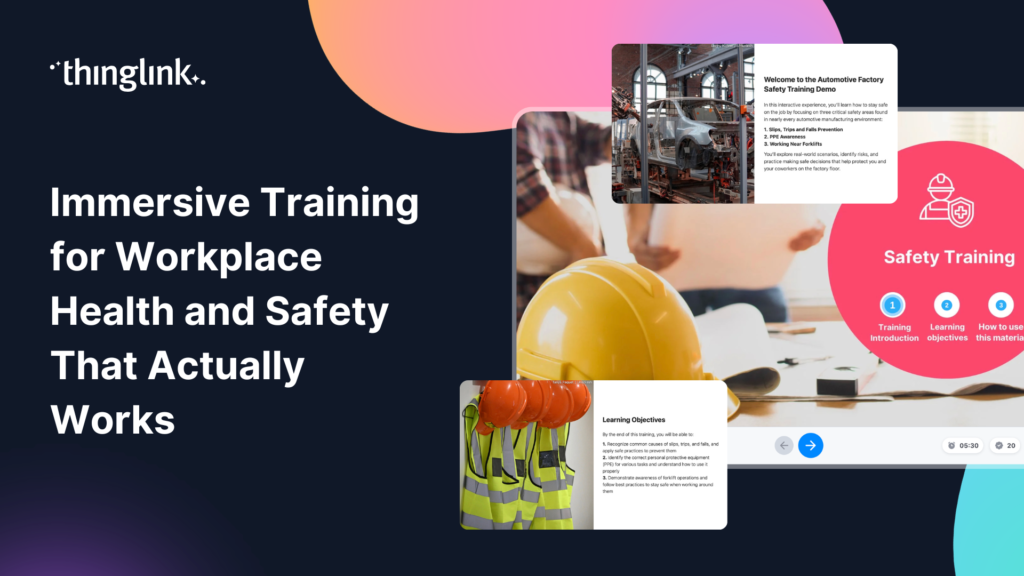
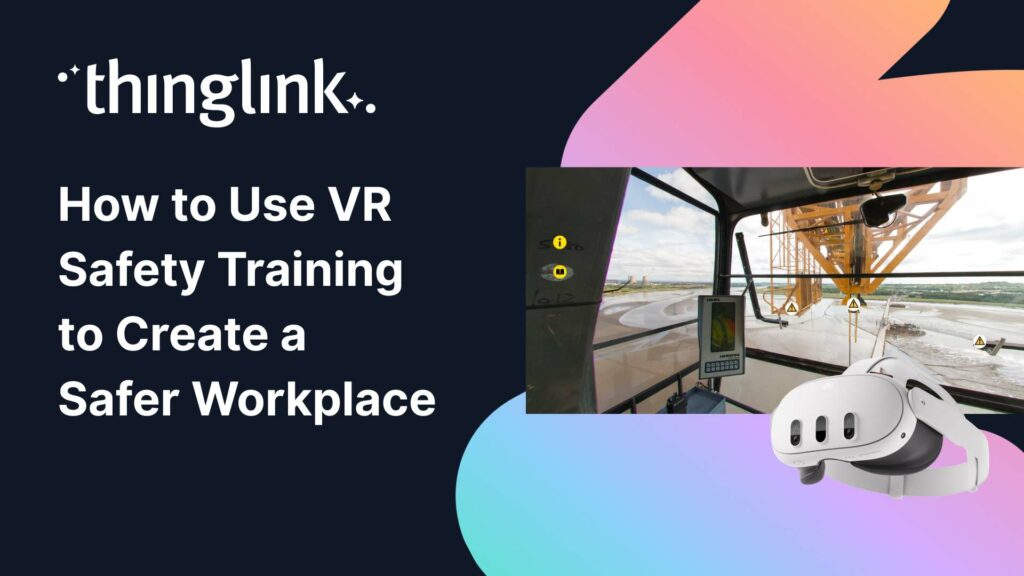
Protecting employee health and safety is one of the most fundamental responsibilities of any organization. Especially in high-risk industries, even a single incident...
ThingLink’s powerful integration with Canva, the global visual communications platform, is now slicker than ever. You can now create and edit your base images...
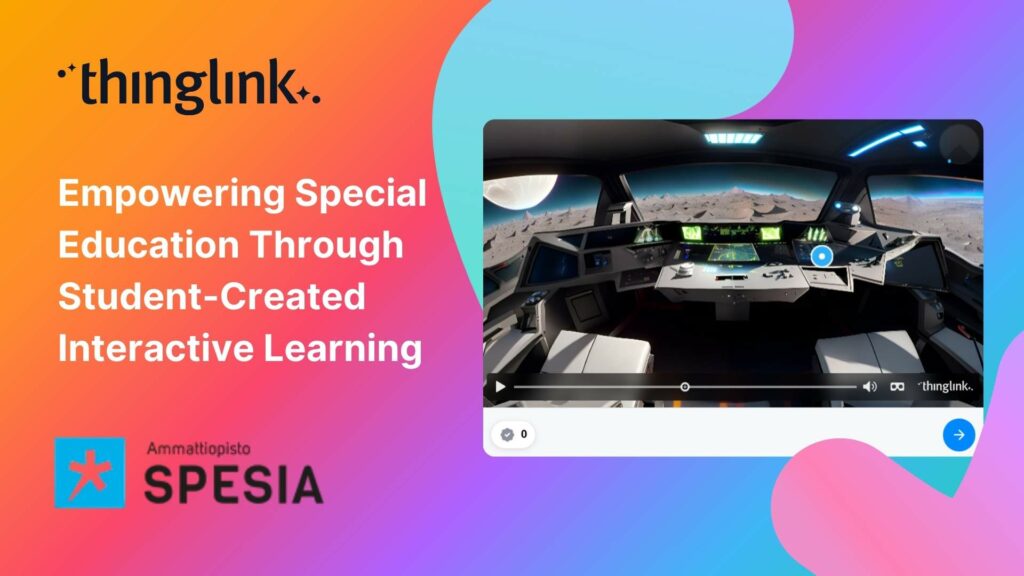
For students at Spesia vocational and special education college, ThingLink isn’t just a learning platform, but a tool for designing and building their own interactive...
Instructure is the global EdTech organization used by over 19 million unique users annually. It’s probably best-known as the home of Canvas, their flagship product...
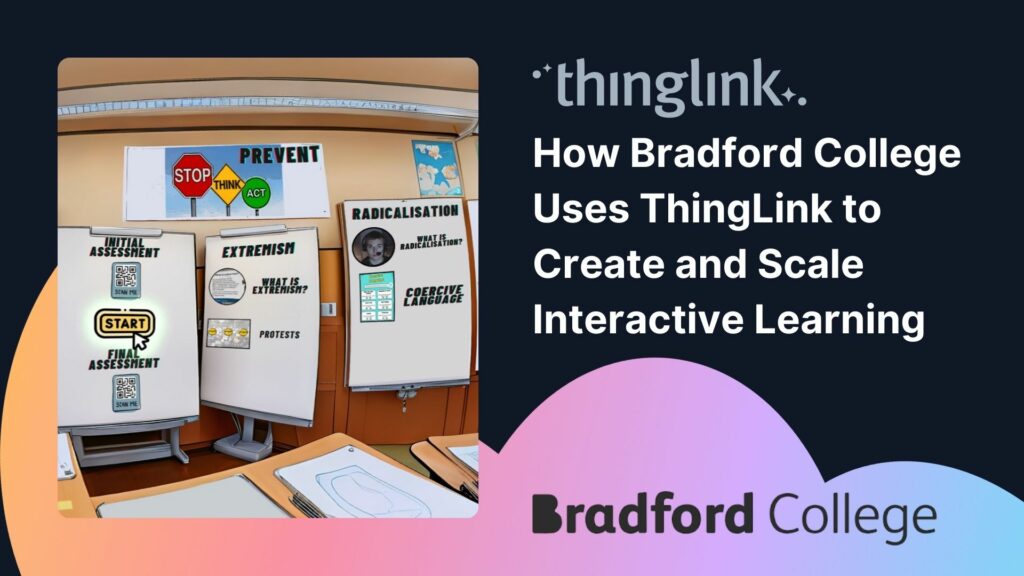
With more than 7,000 learners but only two dedicated digital learning designers, Bradford College faces a challenge familiar to many Further Education institutions:...
Transforming Education with Gamified Learning Experiences Education stands on the edge of a significant transformation, driven by innovative technologies that redefine...
Are you ready to captivate your audience with an immersive, interactive experience? Digital escape rooms offer a unique way to engage, educate, and entertain your...
This teacher training resource for students on the PGCE course (Post Graduate Certificate in Education) demonstrates how ThingLink can be used to create interactive...
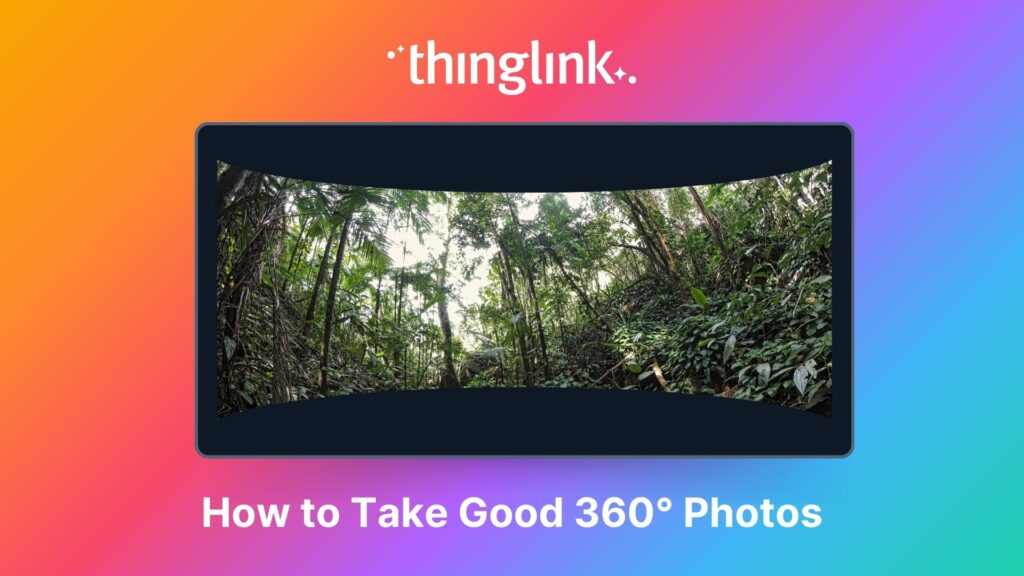
An Introduction to 360° Photography for Beginners 360 degree images or photospheres capture the entire surrounding environment in a single shot, allowing viewers...
For many higher and further education institutions, the integration of new technologies like AV equipment often presents a double-edged sword. While advancements...
Plans for Every Educator and Every Institution We’ve listened to educators about what they need from their ThingLink plans for their students, school districts,...
Nutrition and dietetics higher education programs face a critical challenge common across healthcare studies: effectively connecting theoretical knowledge with ...
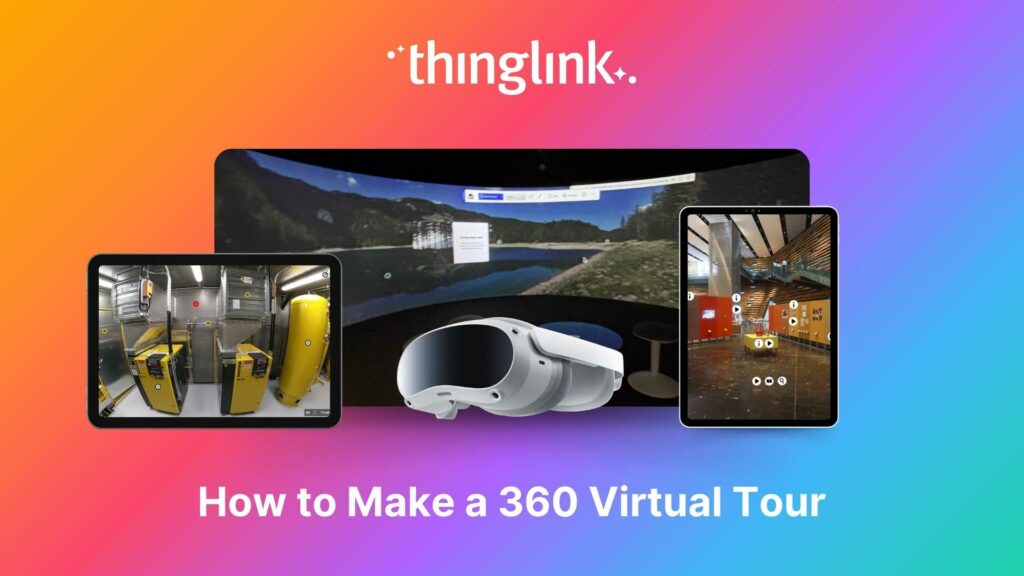
Looking for an easy way to create immersive 360° virtual tours or virtual expeditions that work seamlessly in Virtual Reality (VR)? ThingLink is the ultimate all-in-one...
Some further education courses can move online easily, but how do you engage your online students in hands-on subjects involving machinery, materials and complex...
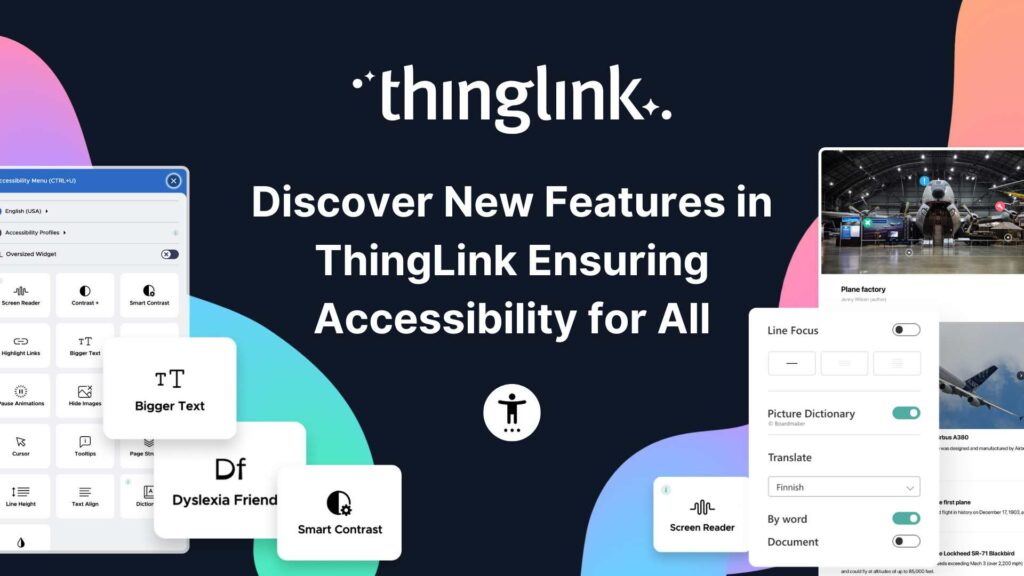
Creating accessible learning experiences is critical for educators, trainers and student creators, but it need not be daunting! ThingLink is a platform that allows...
¿Alguna vez has deseado llevar a toda tu clase a la selva amazónica, a la superficie de Marte o a los pasillos del Louvre o del Smithsonian… todo antes del ...
Ever wished you could take your entire class to the Amazon rainforest, the surface of Mars, or the halls of the Louvre or the Smithsonian… all before lunch? ...
A medida que el aprendizaje inmersivo continúa transformando las aulas en todo el mundo, cada vez más escuelas y universidades están comenzando a explorar el...
Para que tu camino en la creación de contenido educativo en XR sea lo más sencillo posible, hemos seleccionado una colección de recursos gratuitos que te ayudarán...
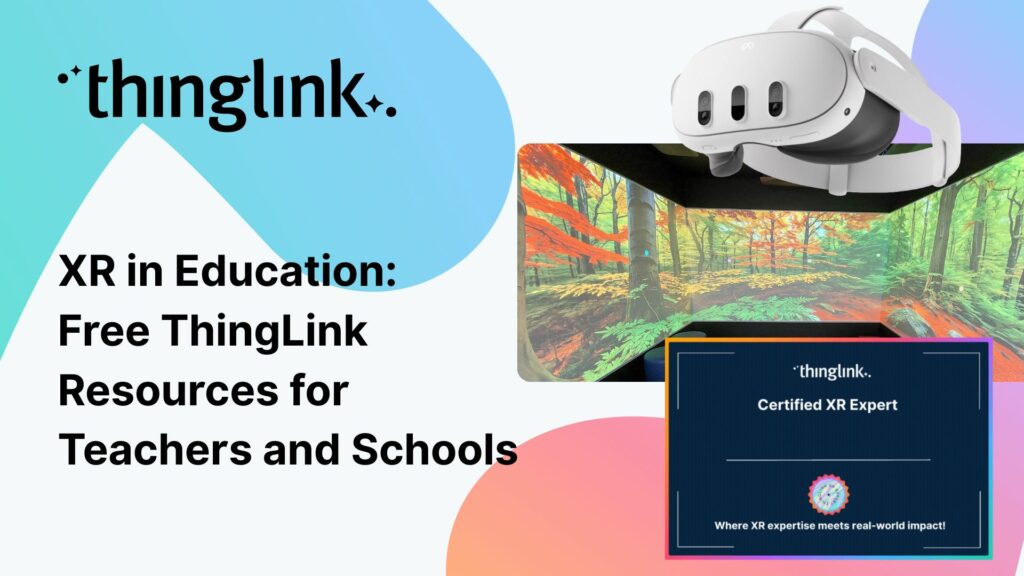
To make your journey through XR learning content creation as easy as possible, we’ve curated a collection of free resources that will help get you started. Packed...
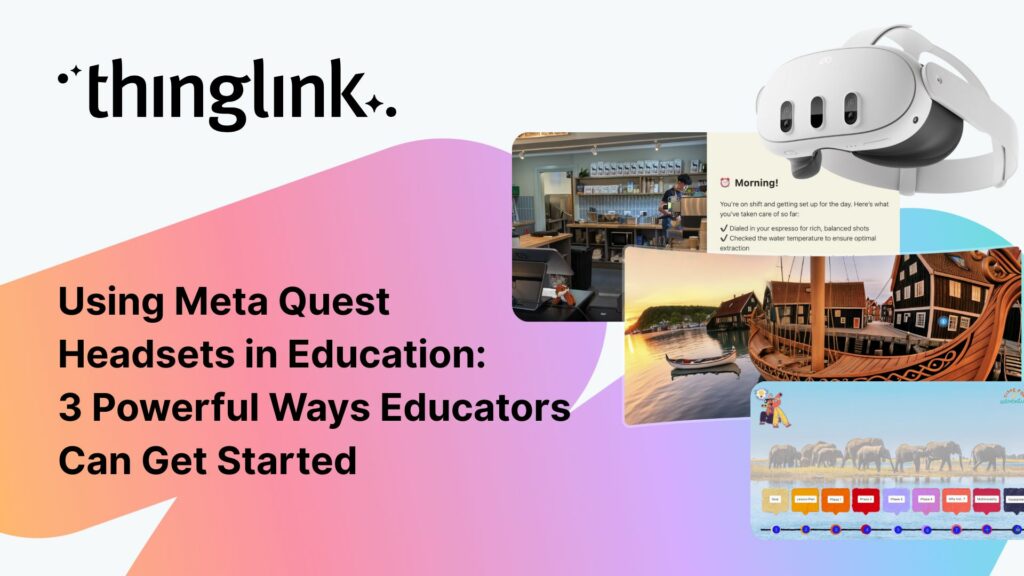
As immersive learning continues to transform classrooms around the world, more schools and colleges are beginning to explore the potential of Meta Quest headsets...
ThingLink has recently made available an inspiring set of three conservation-based 360° videos, designed for learners, educators, and anyone curious about how ...
ThingLink is a fantastic tool for creating interactive and immersive images, videos, and virtual tours. It allows you to bring visuals to life by adding hotspots,...
When creating any visual content for your business, it’s vital that your brand is reflected properly throughout the work. That goes for any content you create...
We believe immersive learning should be within reach for everyone, not just large organizations and institutions. That’s why ThingLink’s new Creator plans are...
Join Nottingham College’s Digital Innovation and Development Coach (and ThingLink Certified Trainer) Kate Whyles to hear about two inspiring case studies where...
The New ThingLink Creator Plans are available as flexible monthly subscriptions, widening access for creators, trainers, and educators worldwide. Today, ThingLink...
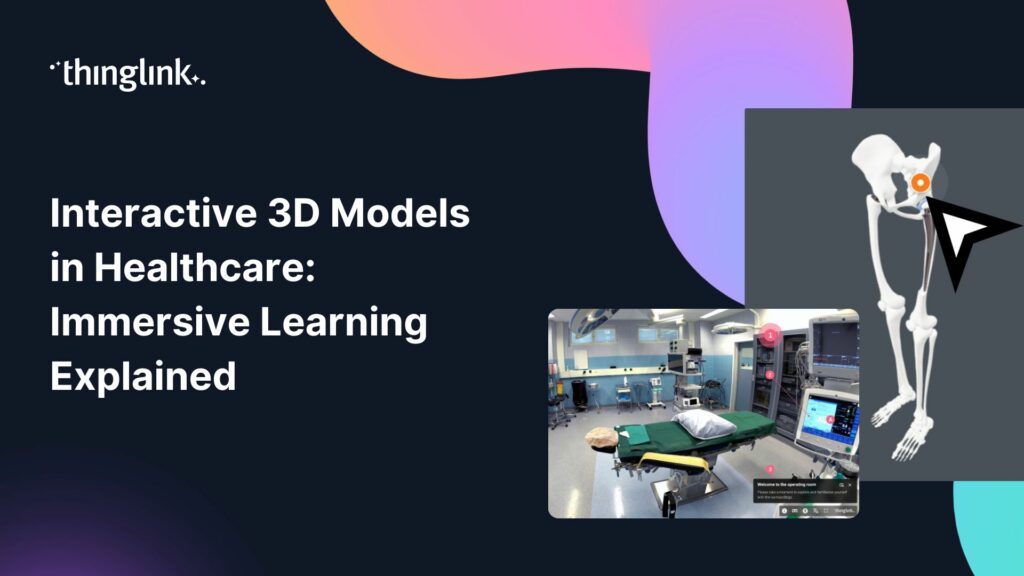
What if your clinical training materials could let learners rotate a beating heart, explore a surgical site, or inspect medical equipment from every angle, without...
Education Special | From Cupboard to Classroom: Getting the most out of your VR Headsets! Have a set of VR headsets sitting in the cupboard, barely touched since...
As organizations continue to invest in digital learning, awareness and demand for immersive learning experiences in employee training are at an all-time high. Traditional...
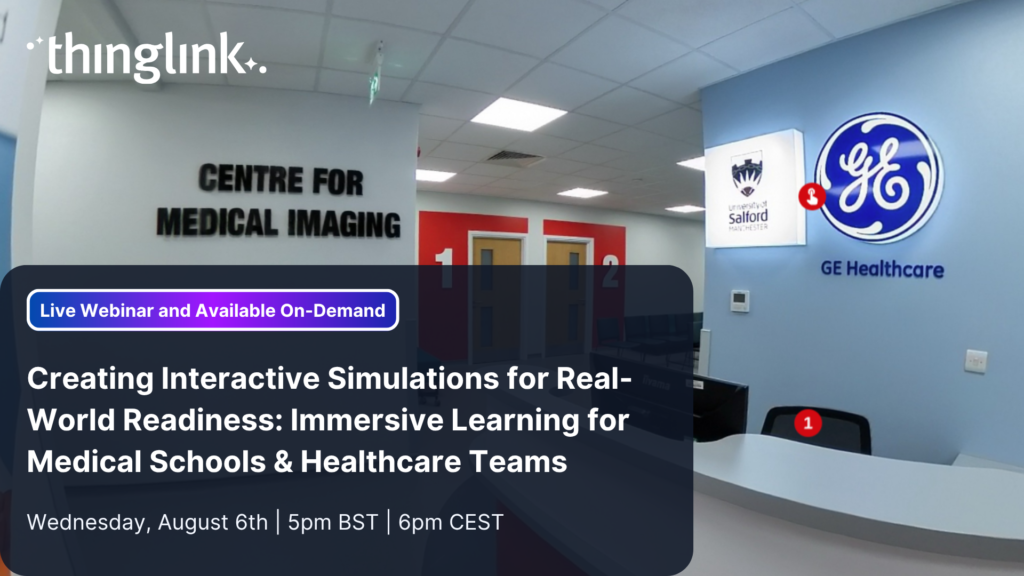
Creating Interactive Simulations for Real-World Readiness: Immersive Learning for Medical Schools & Healthcare Teams Where and When 📅 Date: Now On-Demand...
LEO, a forward-thinking British multi-academy trust, has pioneered a structured, pedagogy-first approach to digital learning that has driven significant gains in...
 Louise Jones
10 min read
Louise Jones
10 min read
At ThingLink, our mission is to empower educators, trainers, and content creators to build truly impactful digital learning experiences. We believe that great learning...
The foundations of ThingLink are rooted in the socio-cultural theory of learning developed by Lev Vygotsky. My own journey began in 2003 at the Center for Activity...
When their usual arts venue became unavailable for Nottingham College’s end-of-year show, the organizers found the ideal way to recreate and share the works...
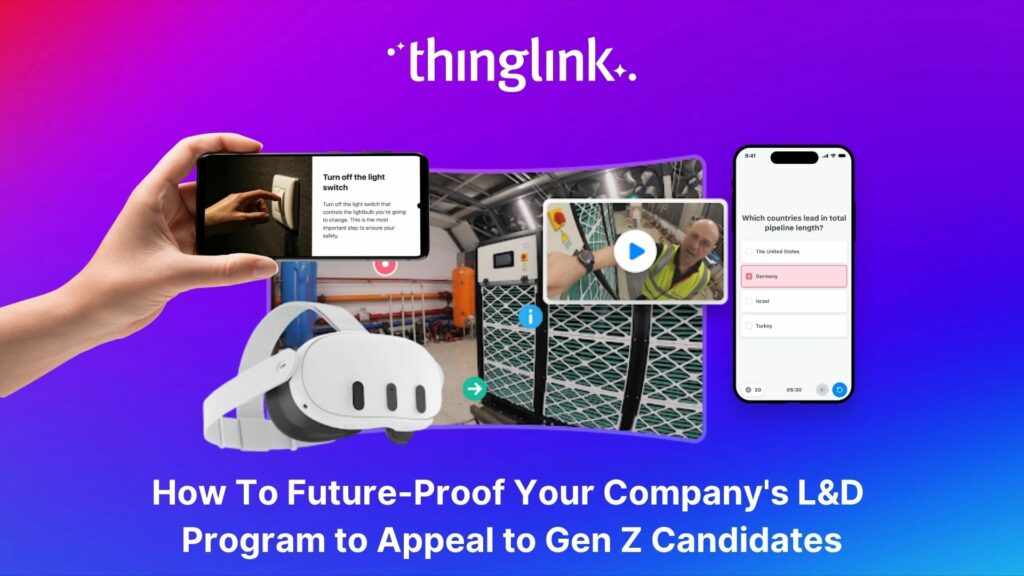
The global workforce is constantly evolving, which means that the strategies that companies use to attract and retain top talent have to evolve to keep pace. As...