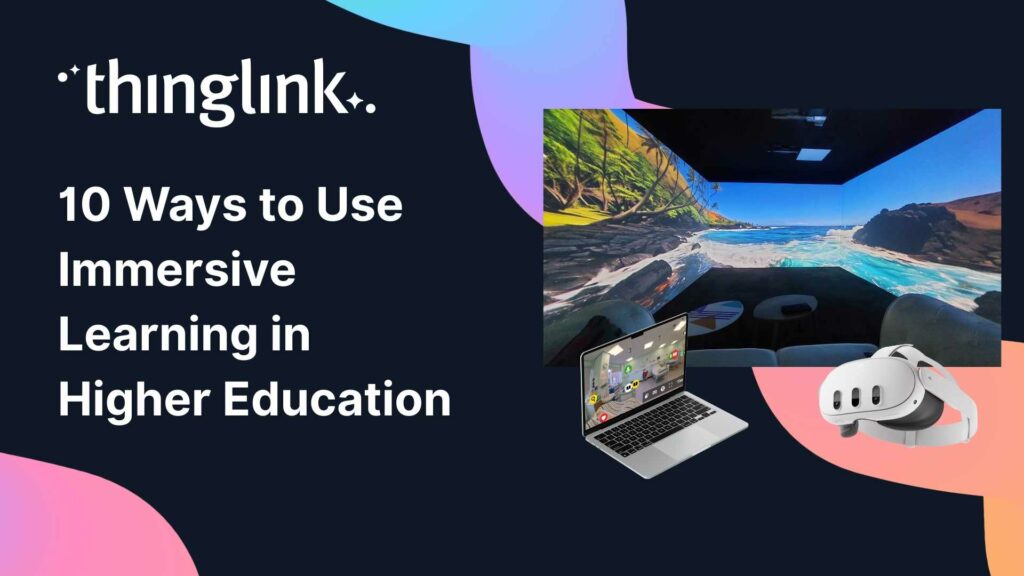
10 Ways to Use Immersive Learning in Higher Education
If you’re an educator or administrator in Higher Education, you’ll be familiar with the term “immersive technologies,” but how do they truly translate into tangible, impactful experiences within a university setting? In this blog, we’ve put together some concrete examples, practical applications, and suggestions for its implementation in higher education institutions.
What Exactly is Immersive Learning?
At its core, immersive learning in a higher education context is about creating experiences that deeply engage students by simulating real-world environments, scenarios, or concepts. Rather than delivery via a flat screen or a lecture hall, virtual reality (VR), augmented reality (AR), extended reality/mixed reality (XR), and scenarios or simulations place learners inside the content. Immersive Learning places the learner at the center of a rich, multisensory experience that demands active participation and critical thinking, rather than passive consumption.
Book a free consultation
If you’d like to learn more about how you can introduce immersive learning to your faculty, department or college, contact our Higher Education specialist to arrange a free consultation and demo.
Why Immerse? The Transformative Power in University Settings
Beyond Textbooks: Optimizing Student Engagement
Today’s university students are digital natives. Static textbooks and one-way lectures, while still valuable, often struggle to capture their attention and stimulate their inherent curiosity. Immersive learning, on the other hand, transforms abstract concepts into tangible experiences, allowing students to explore complex ideas not just by reading about them, but by doing them. This active learning process fosters deeper understanding, and knowledge retention, moving beyond rote memorization to genuine comprehension. Imagine learning about the human heart not by looking at diagrams, but by virtually dissecting it, observing its intricate pumping action in 3D. That’s the power of immersive learning experiences.
Bridging Theory and Practice
One of the oldest challenges in academia is the gap between theoretical knowledge and practical, hands on application. Students might pass an exam on fluid dynamics, but struggle to design an efficient irrigation system. Immersive learning methodology shrinks this gap dramatically. It provides a safe, controlled, virtual environment where students can apply theoretical knowledge to practical problems, make mistakes without real-world consequences, and refine their skills. They can experiment with variables, witness immediate feedback, and truly understand the why behind the what. This iterative process of learning, applying, and refining is crucial for developing the genuine expertise they will use in real life.
Developing Critical Skills for Tomorrow’s Workforce
The demands of the modern workforce are constantly evolving, placing a premium on skills like problem-solving, critical thinking, collaboration, and adaptability. Immersive scenarios are tailor-made for cultivating these competencies. When students are faced with a complex virtual engineering challenge, a simulated medical emergency, or a dilemma that requires ethical judgment, they’re not just learning facts; they’re practicing decision-making under pressure, collaborating with peers, and thinking critically about real-world implications. These are the “soft skills” that are essential for success and advancement in any professional field.
10 Game-Changing Ways Immersive Learning is Revolutionizing Higher Education
How exactly are leading institutions leveraging this transformative technology? We have curated ten examples where HE institutions have leveraged ThingLink at various stages in the student (or staff) journey.
1. Virtual Campus Tours
The transition from high school to university, and then from university to career, is a monumental leap. Immersive learning technologies can be a powerful bridge designed to make these transitions smoother and more effective.
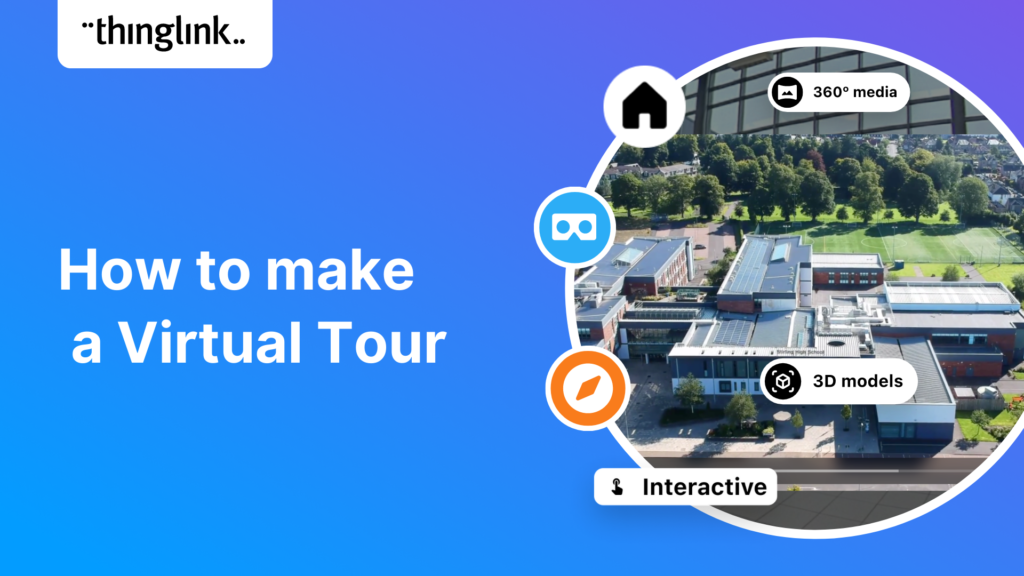
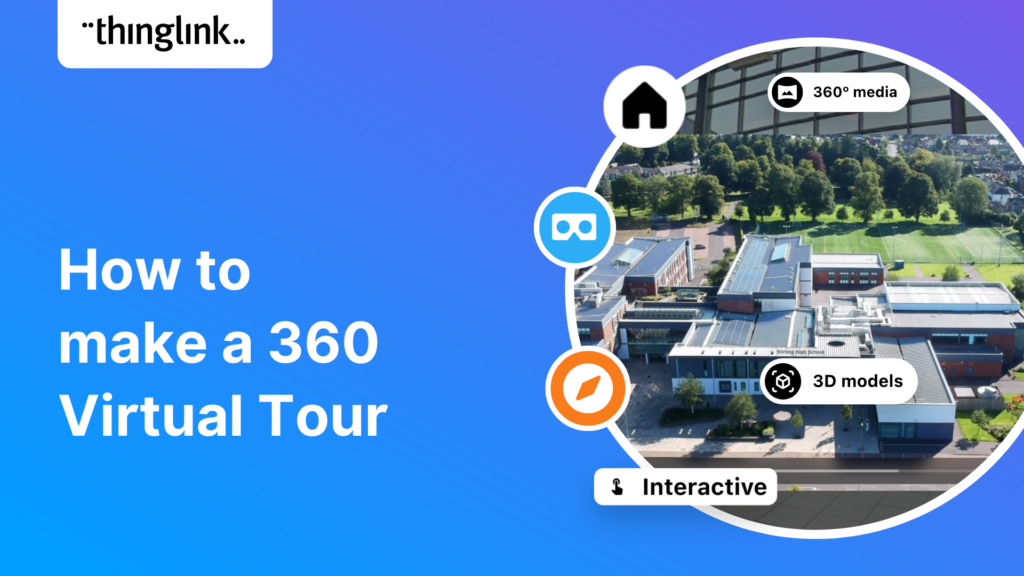
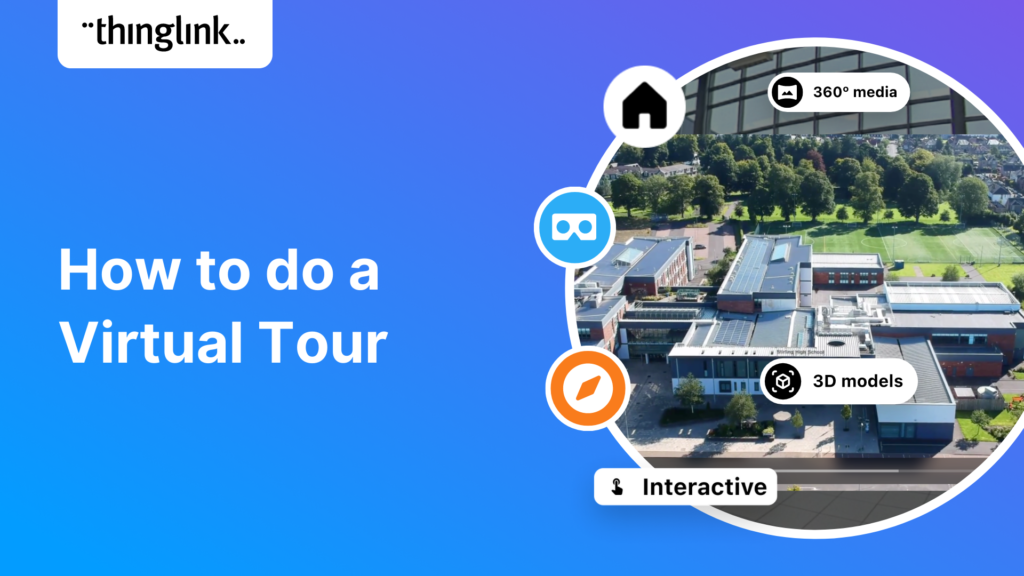
For prospective students, especially international or those too geographically distant for an in-person visit, a static website or brochure offers little insight into the campus. Virtual campus tours, often leveraging 360-degree video or full VR environments, allow future students to navigate pathways, explore dorm rooms, visit lecture halls, and even “meet” virtual students and faculty, all from the comfort of their home. This not only boosts recruitment but also helps students feel a stronger connection before they even set foot on campus. These don’t require any VR technology to view, but can be explored and navigated on a desktop or even mobile device.
Immersive Learning in action: University of Rochester School of Medicine and Dentistry creates an interactive virtual campus tour including student-created video intros and 360 tours of teaching, social and recreation spaces. Explore the interactive ThingLink tour below.
Read the full case study here.
Campus Tours using 360 Video
In another example of a virtual campus tour, Texas Christian University created a virtual tour of their theater department using immersive 360 video, to give a realistic flavor of day to day life for a theater arts student. Explore below.
Read the full TCU case study here.
2. Immersive Guides to Campus Learning Resources for Fresher Students
Navigating a university library, understanding the services offered by the student success center, or finding the right academic advisor can be overwhelming for new students. Immersive guides, perhaps accessible via AR on their smartphones, can provide interactive walkthroughs, highlight key resources, explain processes, and even lead them directly to their destination, making campus resources far more approachable and utilized.
Immersive Learning in action: University of Calgary creates ThingLink virtual tours of libraries and other learning resources for freshers and ESOL students. Explore below.
Read the full case study here.
Below: Read how University of Hertfordshire created a hybrid Escape Room with ThingLink to provide inductions for hundreds of new students, saving staff time in the process.
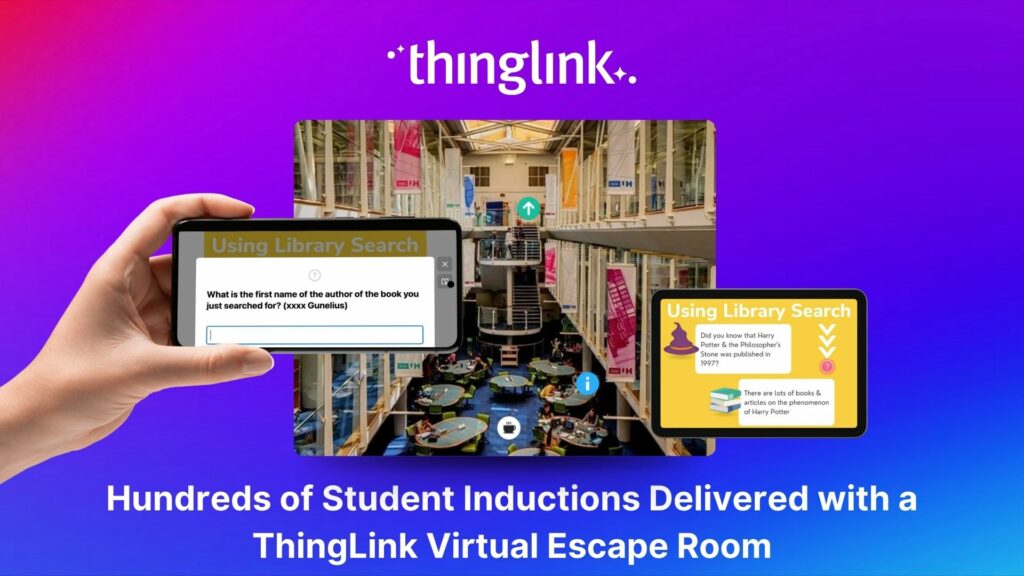
3. Virtual Field Trips and Expeditions
Virtual field trips demolish geographical and financial barriers. They allow students to visit otherwise inaccessible locations – providing a context and scale that textbooks simply cannot convey.
Immersive Learning in action: University of Southampton creates a virtual field trip with ThingLink to prepare first year marine biology students for the real thing. Explore a sample of the field trip below.
Read the full case study here.
Below: Read how Queens University Belfast created an award-winning set of virtual field trips for post-graduate Conservation Biology students using ThingLink.
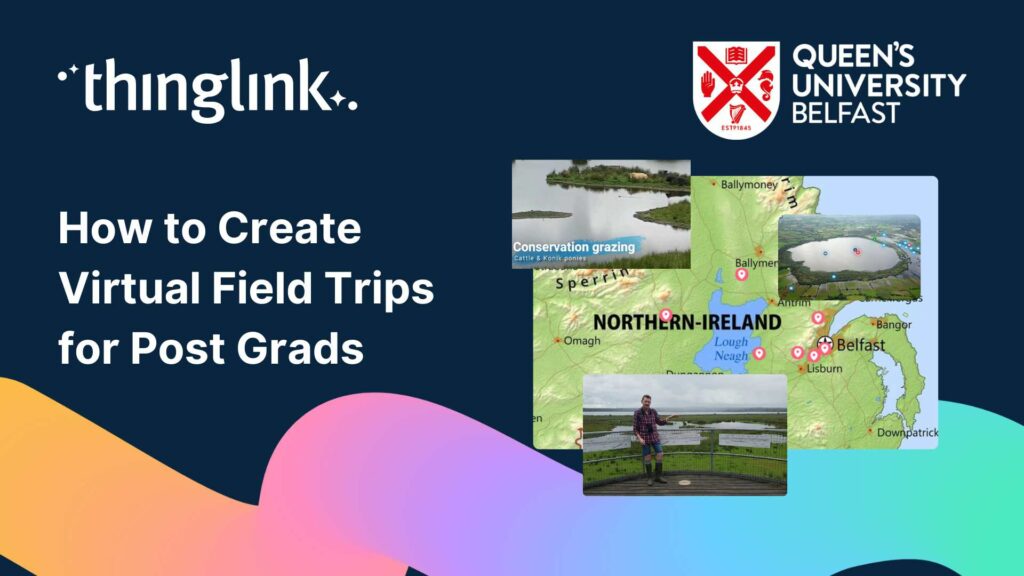
4. Simulated Labs and Scientific Skills Training
The cost of specialized lab equipment, the danger of certain experiments, and the limitations of physical space often restrict hands-on science education. VR simulations provide more experiential learning, that allows students to conduct complex chemical reactions, perform physics experiments, or manipulate intricate biological models in a safe, repeatable, and scalable virtual lab environment. These learning opportunities ensure that every student gets ample practice, making mistakes and learning from them without risking student safety or expensive equipment damage.
Immersive Learning in action: Keele University academics use ThingLink to create virtual labs, allowing students to practice core skills in spectroscopy. Explore below.
Read the full case study here.
5. Healthcare and Medical Simulations
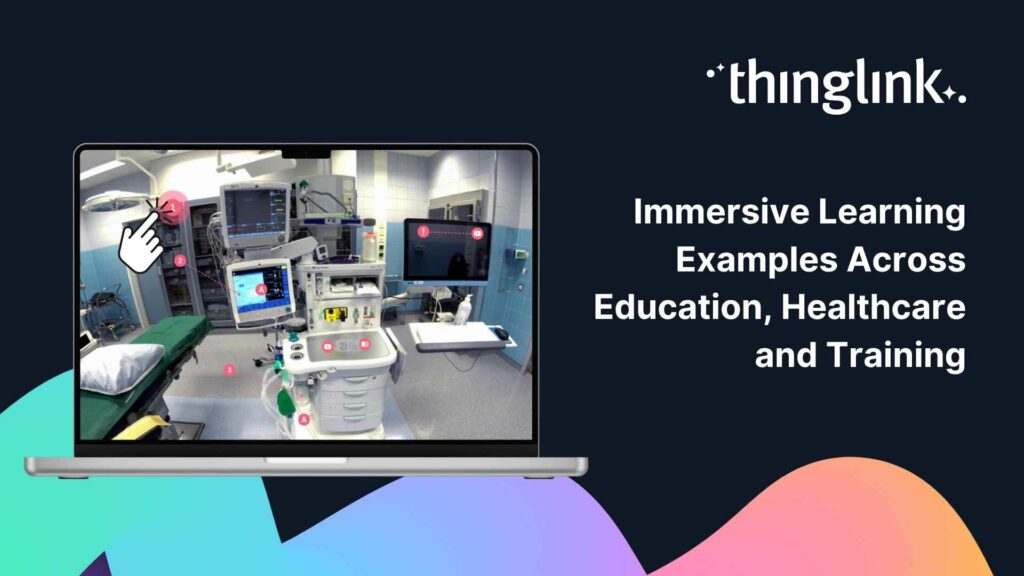
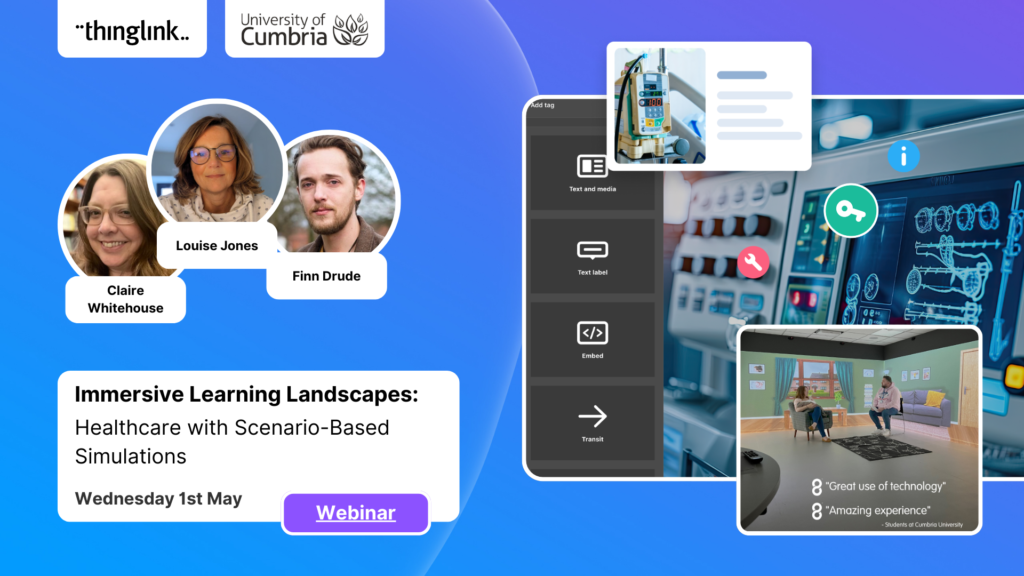
Perhaps no field benefits more from immersive learning than healthcare. Medical students can diagnose simulated patients, practice emergency procedures, and even learn empathy by stepping into the shoes of a patient. These high-fidelity simulations reduce the risk to real patients, allow for endless repetition, and prepare future doctors, nurses, and other health professionals for the pressures of clinical practice like never before.
Immersive Learning in Action: University of Lancashire created a virtual escape room in ThingLink to allow multi-disciplinary students to run through sepsis diagnosis and emergency scenarios under pressure.
Read the full case study here.
6. Supporting Staff with Interactive Technology Guides
It’s not just students who benefit. Higher Ed staff, from IT support to facilities management, can use immersive simulations for training. Imagine a new AV technician learning to operate complex lecture hall equipment through a VR simulation, or a facilities manager practicing emergency evacuation protocols in a digital twin of a campus building. This ensures staff are proficient and confident, leading to smoother operations and better support for students.
Immersive learning in action: To support academics in setting up AV equipment in each lecture theater, University of Leeds have implemented a series of interactive, immersive scenarios created with ThingLink by Learning Technologist Dr Danielle Millea. Explore below. Read the full case study here.
7. Preparing Students for their Professional Lives After Graduation
Beyond academic preparation, universities are tasked with career readiness. Immersive experiences can simulate typical work environments, or even day-in-the-life scenarios for specific professions. Students can explore different career paths virtually, gain otherwise impossible to attain insights into workplace roles, responsibilities and locations, giving them a significant edge in the competitive job market – and even giving them an insight into whether a particular career or role is suitable for them.
Below, Dr Michael B Holik of West Chester University, PA explains why immersive learning makes such a difference when teaching nutrition students. You can read the full case study here.
Soft Skills Development through Role-Playing Challenges
Interview skills, conflict resolution, public speaking, or cross-cultural communication – these vital soft skills are often best learned through practice and feedback. Immersive role-playing scenarios, featuring AI-driven virtual characters, allow students to practice these interactions in a safe space, receive instant feedback, and refine their approach without the fear of judgment, preparing them for real-world professional encounters.
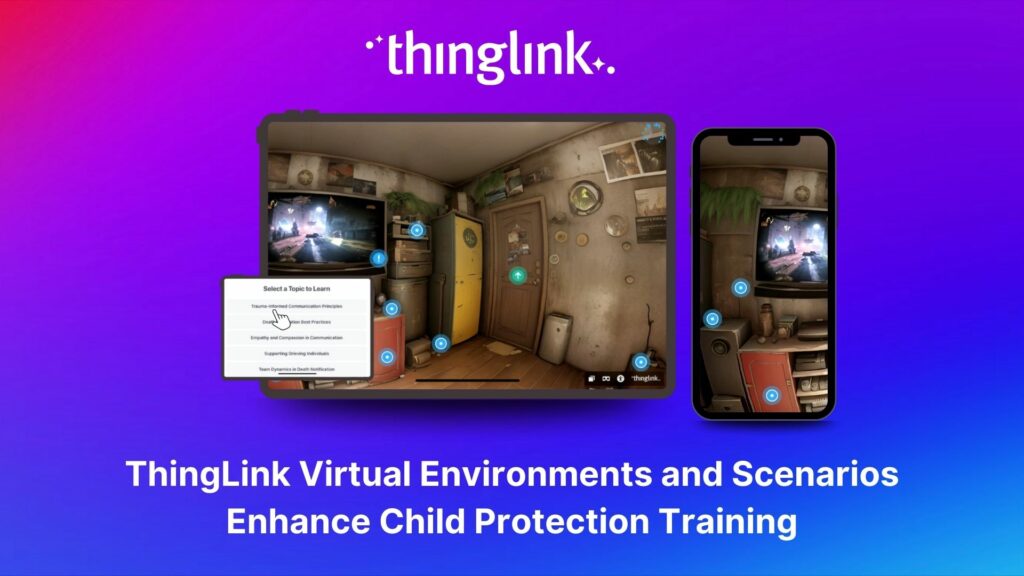
Read about Immersive Learning in Action: CAST/Zero Abuse Project creates immersive virtual visits to homes, as well as interactive training scenarios for future professionals, in their child protection programs delivered to universities across the US. Read more here.
8. Future Ready Digital Skills Development: Virtual Exhibitions
In a digital-first world, showcasing creativity and innovation in new ways is crucial. Universities can host virtual art exhibitions, engineering project showcases, or even pitch events in VR. Students can learn to design and present in virtual environments, developing crucial digital literacy skills while providing a global platform for their work, transcending the limitations of physical gallery space.
Immersive Learning in Action: Art Diploma Students at Nottingham College co-created a virtual exhibition in ThingLink when they had no exhibition space available for their end of year design showcase. As well as demonstrating their creative skills, it acted as evidence of their individual digital expertise. Explore below.
Read the full case study here.
9. Increasing Accessibility and Inclusivity
Immersive learning can dramatically improve accessibility. For students with physical disabilities, virtual field trips and lab simulations eliminate barriers to participation. For neurodiverse learners, customizable environments can reduce sensory overload and provide focused learning experiences. Furthermore, it allows for diverse perspectives to be explored through simulated cultural experiences, fostering a more inclusive and empathetic learning environment.
Multiple studies have demonstrated that assets such as Virtual Labs show enormous potential for enhancing access and inclusion:
“Users…highlighted their potential power to enhance accessibility and inclusivity, two themes that are recognized as vital for technology-based learning and are protected by the Equality Act in the U.K.”
From “ThingLink and the Laboratory: Interactive Simulations of Analytical Instrumentation for HE Science Curricula” Jeffery at al, Journal of Chemical Education Vol 99/Issue 6 May 2021
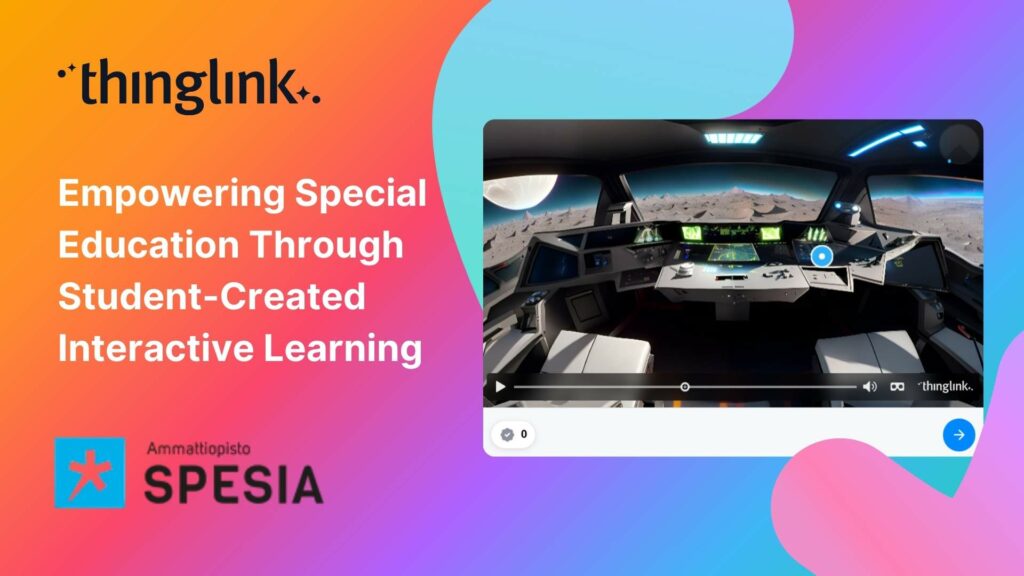
Immersive learning technologies also provide multiple ways for students to create and present their own multimedia content when traditional formats may not be as accessible to them. Read more at the case study from Spesia Special Education College below.
10. Immersive Experiences for Alumni
Immersive experiences in higher education don’t have to stop once a student leaves! With many universities worldwide facing funding shortages, and so looking to attract additional financial assistance from alumni, some are turning to immersive experiences to help keep their former students in touch with their alma mater, to expand community reach, and to showcase how donations are being used on campus and faculty. One such example is Texas Christian University (TCU) again, who created an immersive campus tour for alumni that was shared on Meta Quest VR headsets at a fundraising evening event to great success. Explore below, and Read the full case study here.
Overcoming Obstacles: Making Immersive Learning a Reality
Investment and Infrastructure: Start Small and Scale Up
The initial investment in immersive hardware such as VR headsets or immersive room technology doesn’t have to be prohibitive. Platforms like ThingLink make education technology scaleable, with interactive and immersive media that can be shared to any size of screen. When ready, departments can move to purchasing large format screens, immersive rooms or labs for shared experiences. or invest in VR headsets
Starting small, with pilot programs in specific departments, can help demonstrate ROI and secure further funding.
Faculty Training and Adoption
Technology, no matter how advanced, is only as effective as the people using it. Faculty members need comprehensive training not just on how to operate the technology, but on how to integrate it pedagogically into their curricula. This requires ongoing professional development, peer support, and champions within each department who can inspire others. Incentivizing faculty for content creation or innovative use cases can also accelerate adoption.
Content Creation and Customization
Off-the-shelf immersive content exists, but the most impactful experiences are often custom-tailored to specific course objectives and institutional strengths. Universities can also empower students themselves to become content creators, turning project-based learning into immersive experiences for future cohorts. Many of the examples above demonstrate how valuable it can be to allow students themselves to explore and refine immersive content creation – empowering them with skills that are fully transferrable to a wide range of industries and roles.
The Future is Immersive: Your University’s Next Big Leap
Immersive learning is already rapidly transforming higher education. It’s an investment not just in technology, but in the future readiness of your students and the competitive edge of your institution. Immersive learning environments can help foster a generation of critical thinkers, problem-solvers, and adaptable professionals ready to tackle the complexities of tomorrow’s world.
Book a free consultation
If you’d like to learn more about how you can introduce immersive learning to your faculty, department or college, contact our Higher Education specialist to arrange a free consultation and demo.