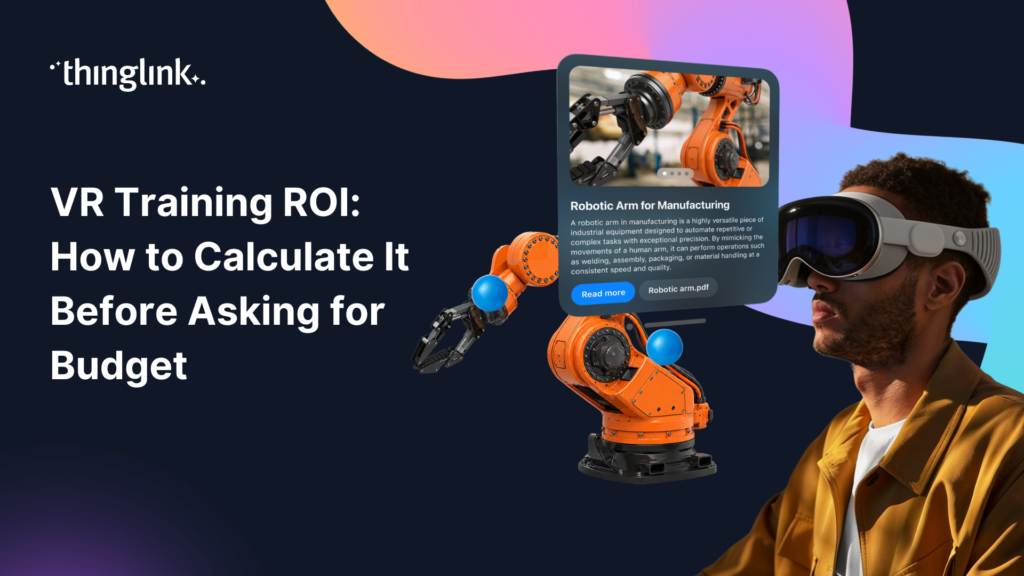
VR Training ROI: How to Calculate It Before Asking for Budget
You already believe in immersive learning. Your challenge is convincing the person holding the budget.
Before you walk into that meeting, you need more than enthusiasm. You need numbers, a clear methodology, and a compelling case that connects VR training investment to real business outcomes. This guide walks you through exactly how to build that case — step by step.
Why VR Training ROI Is Hard to Ignore
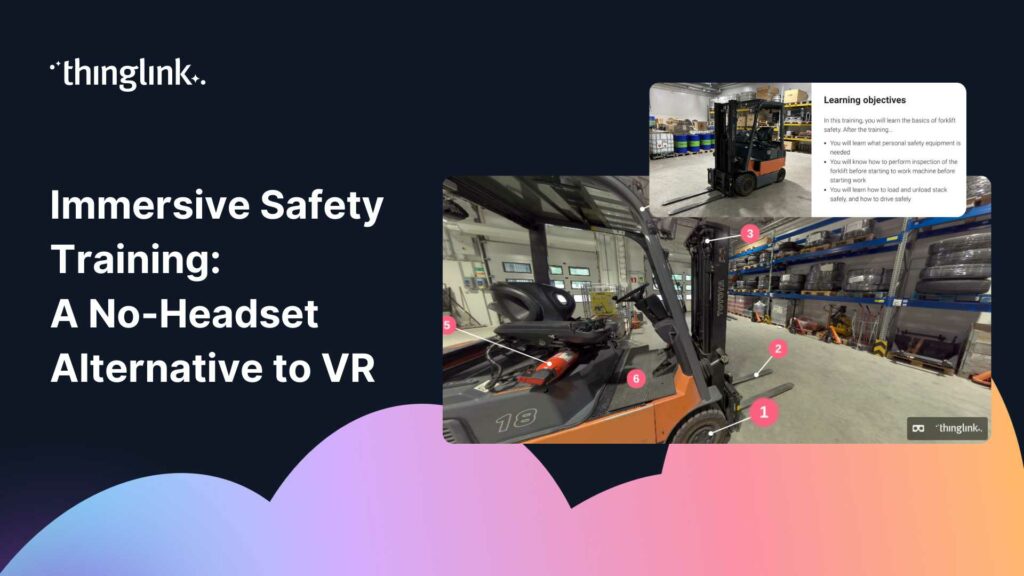
Immersive training is no longer a novelty reserved for large enterprises with deep pockets. Platforms like ThingLink have made it possible for L&D teams of any size to create VR and 360° scenario-based experiences without specialist developers or expensive custom builds.
But here is the question every finance director will ask: what do we actually get back?
The good news is that VR training ROI is measurable. You just need to know where to look — and how to frame it.
Start With the Problem You Are Solving
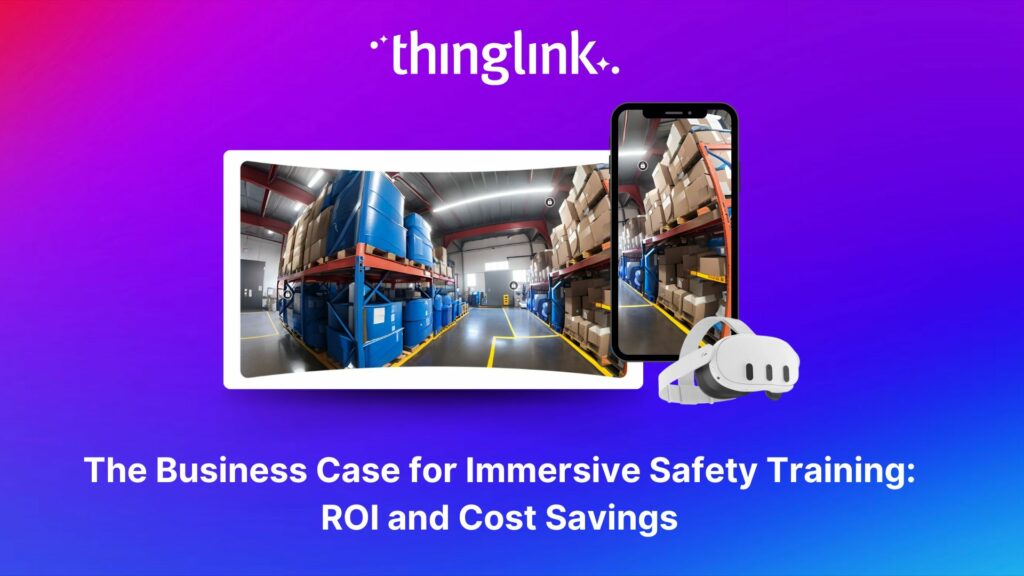
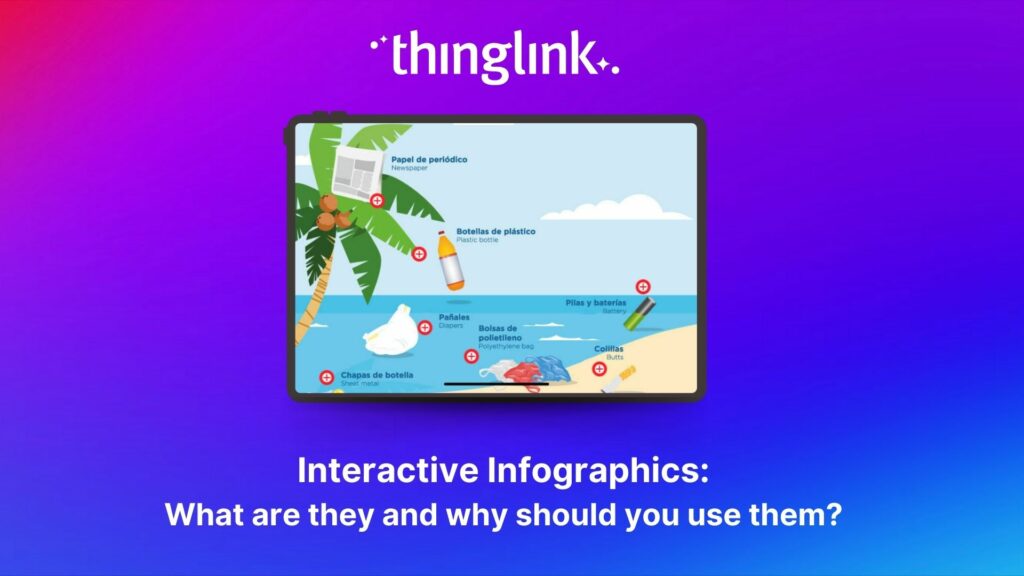
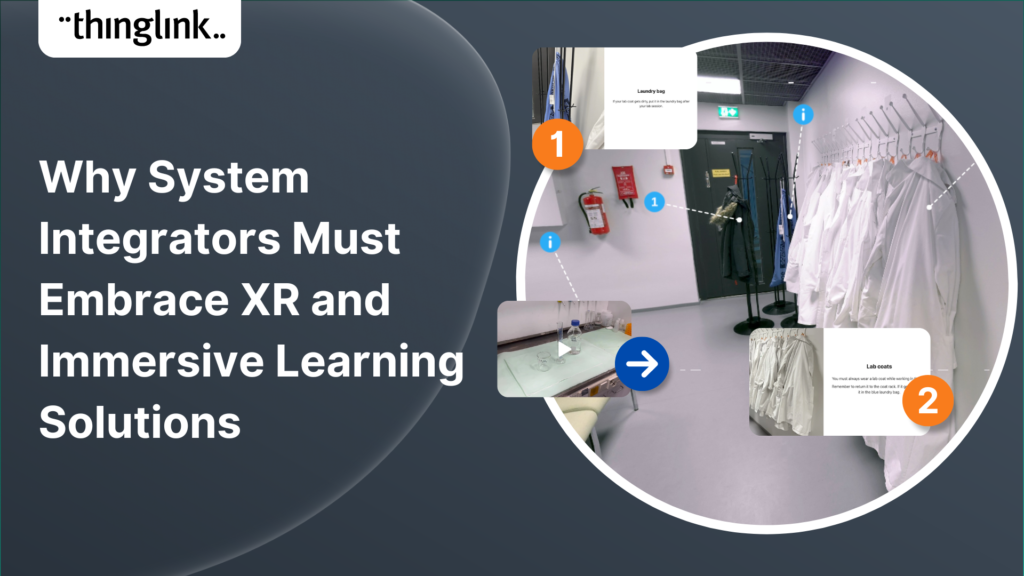
In action! Explore this example.
ROI calculations always begin with the baseline. Before you can demonstrate return, you need to articulate the cost of the current situation.
Ask yourself:
- How much does your existing training programme cost per learner per year?
- How long does it take to deliver? What is the opportunity cost of pulling employees off the floor or out of their roles?
- What are your current error rates, incident rates, or compliance failure rates?
- How often do you need to retrain because knowledge retention is low?
Document these figures. Even rough estimates are valuable because they give your stakeholders a baseline to compare against.
The Hidden Costs That Are Easy to Overlook
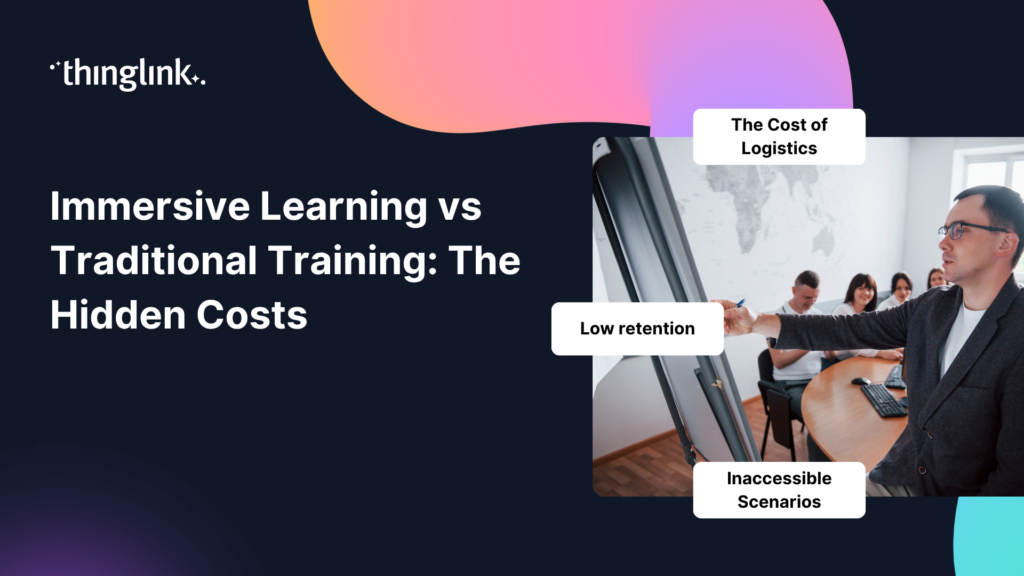
Traditional training has costs that rarely appear on a single budget line. Think about travel expenses for in-person sessions, printing and materials, the time of subject matter experts pulled into repeat delivery, and the cost of replacing equipment damaged during physical practice.
For safety-critical roles — in manufacturing, construction, healthcare, or utilities — there is also the cost of incidents that happen when training does not fully prepare people for real conditions. These are the numbers that tend to make budget holders sit up.
The Core VR Training ROI Formula
The standard ROI formula is straightforward:
ROI (%) = ((Benefits – Costs) / Costs) × 100
Your job is to populate that formula with credible figures. Here is how to break it down.
Step 1: Calculate Your Total Training Costs
For your proposed VR programme, add up:
- Platform and licensing costs — what you will pay for ThingLink or a comparable tool
- Content creation time — hours spent by your team building scenarios and experiences
- Hardware costs — if you are deploying on headsets, include purchase or lease costs spread across the expected lifespan
- Ongoing maintenance — updates, refreshes, and administration time
Divide total costs by the number of learners you expect to reach. This gives you a cost per learner that you can directly compare to your existing programme.
Step 2: Quantify the Benefits
This is where many L&D managers get stuck. Benefits from training feel qualitative — more engaged learners, better confidence, stronger culture. But most of these outcomes have a financial proxy if you look carefully enough.
Here are the benefit categories worth calculating:
Time savings. If immersive scenario-based training reduces your average training time without sacrificing quality, multiply the time saved per learner by the average hourly wage across your cohort. For a 500-person rollout, even a two-hour saving per person adds up quickly.
Reduced error and incident rates. If VR training improves procedural accuracy, estimate what a reduction in errors saves you. One fewer incident per quarter in a high-risk environment can represent a significant financial figure.
Lower retraining and refresher costs. Research consistently points to higher knowledge retention with immersive formats compared to passive e-learning or lecture-based delivery. If you retrain less frequently, that is a direct cost reduction.
Faster onboarding. Calculate how many days it currently takes a new hire to reach competency. If immersive training shortens that window, multiply the difference by the average productive value of a day's work for that role.
Scalability savings. Once a ThingLink scenario is built, it can be delivered to thousands of learners without additional delivery cost. Compare this to the marginal cost of scaling your current approach.
Step 3: Account for Intangible Benefits — Carefully
Some benefits are harder to quantify but still worth naming in your business case. These include:
- Improved learner confidence going into high-stakes situations
- Stronger employer brand for roles where training quality is a recruitment factor
- Reduced liability exposure in regulated industries
- Increased learner satisfaction and reduced attrition from poor onboarding experiences
Do not assign made-up numbers to these. Instead, describe them qualitatively and flag that they represent additional value beyond your conservative financial estimate.
Build a Phased ROI Model
One of the most effective ways to present VR training ROI to budget holders is to think in phases rather than trying to justify the full programme cost upfront.
Phase 1: A Pilot With a Measurable Outcome
Propose a focused pilot targeting one training challenge with a clear, measurable outcome. This might be a specific compliance requirement, a high-turnover onboarding programme, or a safety procedure with documented incident history.
Define your success metric before the pilot starts. Is it a reduction in incident reports? A pass rate improvement? A reduction in time to competency? Having a pre-agreed measure makes your post-pilot ROI conversation much simpler.
Phase 2: Scale What Works
Once your pilot data is in hand, use it to recalibrate your ROI model. Real numbers from your own organisation are far more persuasive than industry benchmarks.
At this point, you can make a confident case for broader rollout — because you are no longer projecting. You are reporting.
What Your Stakeholders Actually Want to Hear
Finance and operations leaders are not opposed to innovation. They are opposed to risk. Your ROI case needs to address that directly.
Frame your pitch around three things:
- Low downside risk. Show that your pilot is designed to be contained and reversible. A ThingLink-based scenario does not require a large infrastructure commitment to get started.
- Clear measurement. Commit to specific KPIs and a timeline for reporting back.
- A credible comparison. Show the cost of doing nothing — or continuing with a training approach that is not delivering the outcomes you need.
This is a different conversation from simply asking for budget for "something innovative." You are presenting a structured investment decision.
Common Mistakes to Avoid in Your ROI Case
Overpromising on engagement alone. Saying "learners love it" is not an ROI argument. Pair engagement data with outcome data.
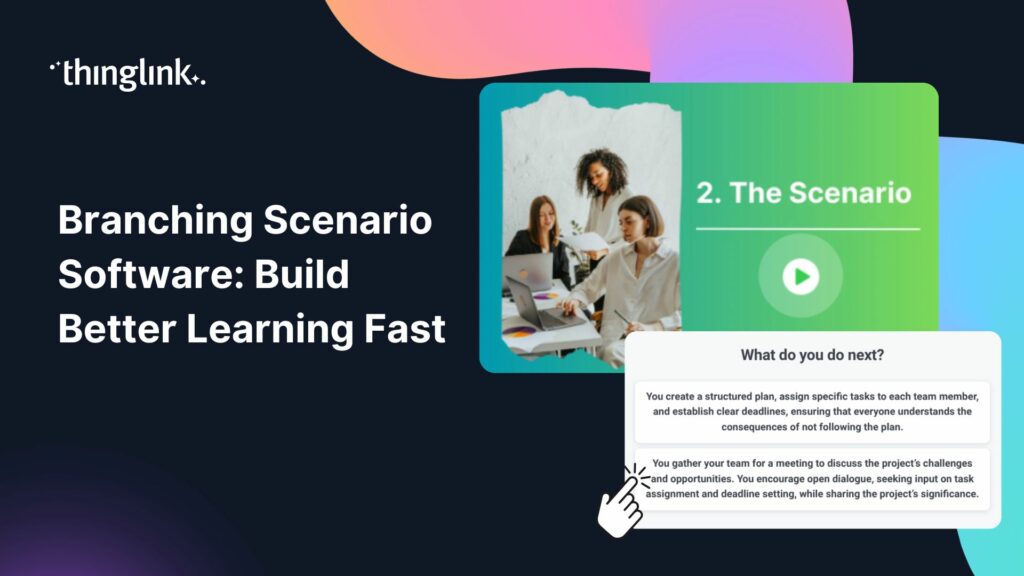
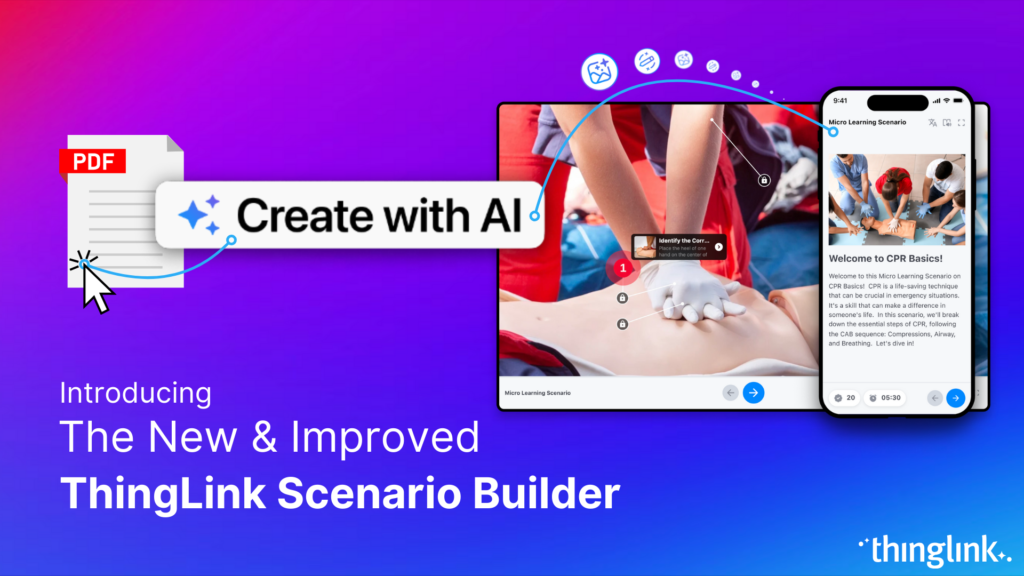
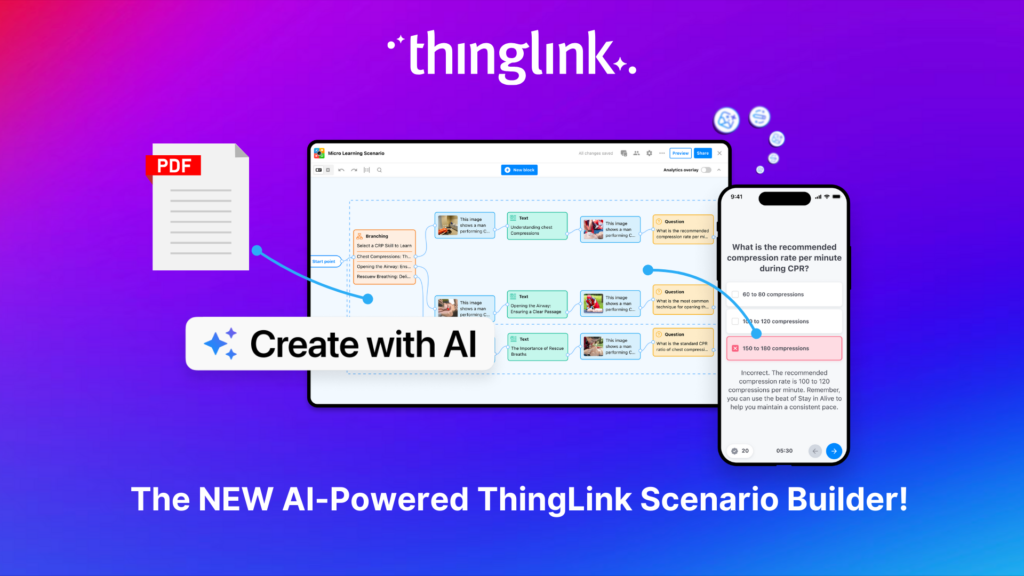
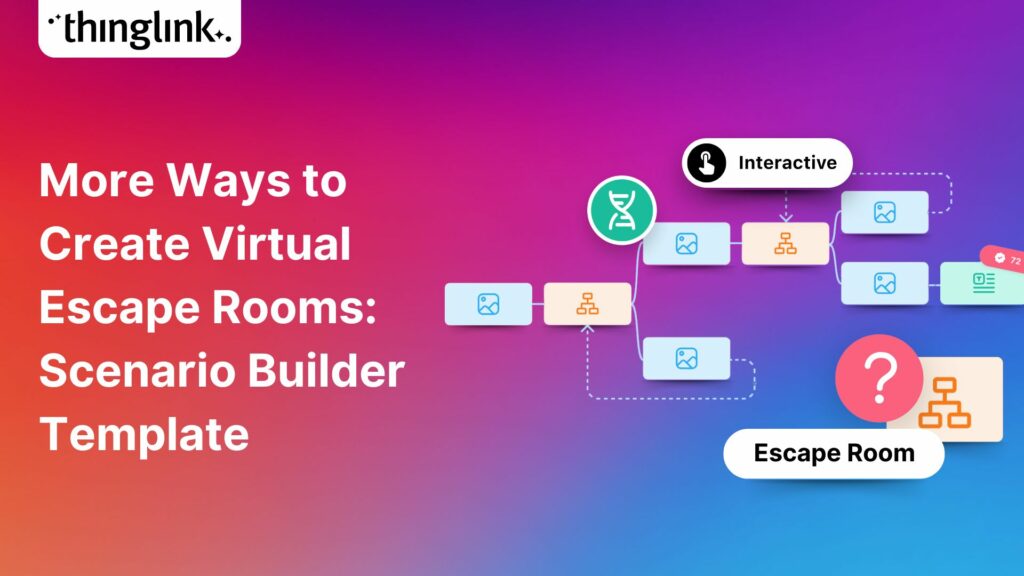
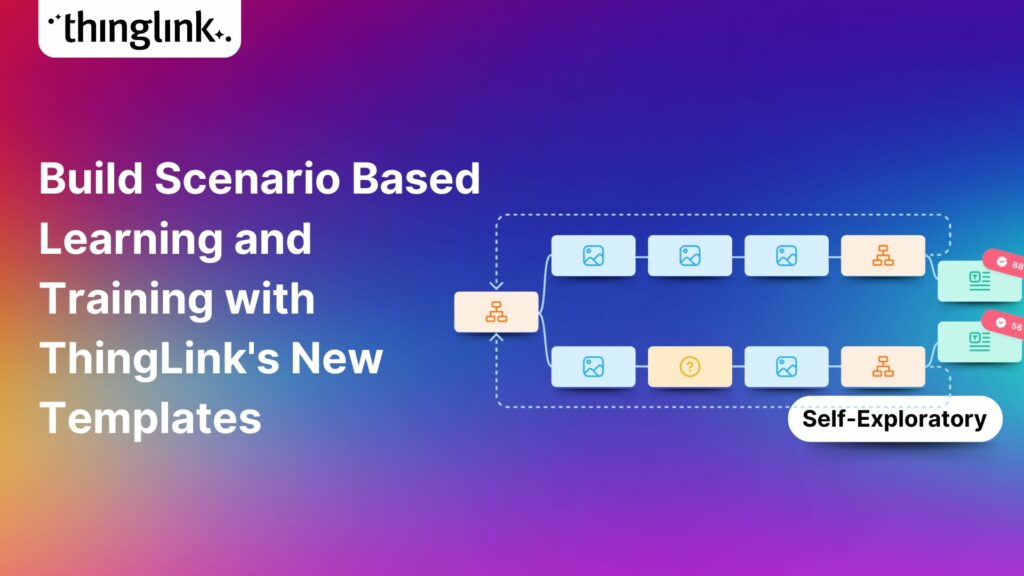
Ignoring implementation time. Content creation takes time. Be honest about this in your cost model — and remember that tools like ThingLink's scenario builder templates significantly reduce that burden.
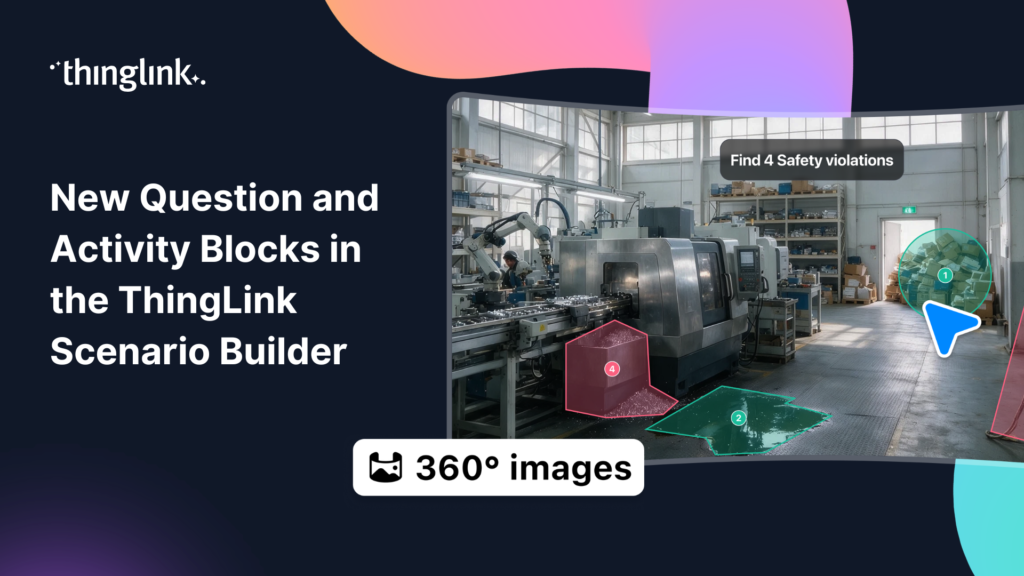
Explore ThingLink’s scenario builder templates designed for effective employee training.
Using industry statistics as your primary evidence. External benchmarks are useful for context, but your budget holder will always ask: "Does this apply to us?" Anchor your case in your own organisation's data wherever possible.
Treating ROI as a one-time calculation. Training ROI should be a living measure. Build a simple dashboard that tracks your agreed KPIs over time, and share updates with stakeholders regularly.
Connecting ROI to Your Broader Training Strategy
VR training ROI does not exist in isolation. The strongest cases connect immersive learning investment to the wider goals of your training strategy: skills development, compliance coverage, workforce readiness, and employee retention.
If you are in the process of reviewing or building your training plan, it is worth making sure your immersive learning investment is embedded in a coherent structure rather than added on as a separate initiative.
This guide on how to instantly improve your employee training plans is a useful companion read.
What ThingLink Makes Possible
One of the reasons VR training ROI is increasingly achievable for mid-sized L&D teams is that the cost side of the equation has changed. Creating immersive, scenario-based training no longer requires a specialist studio or a six-figure production budget.
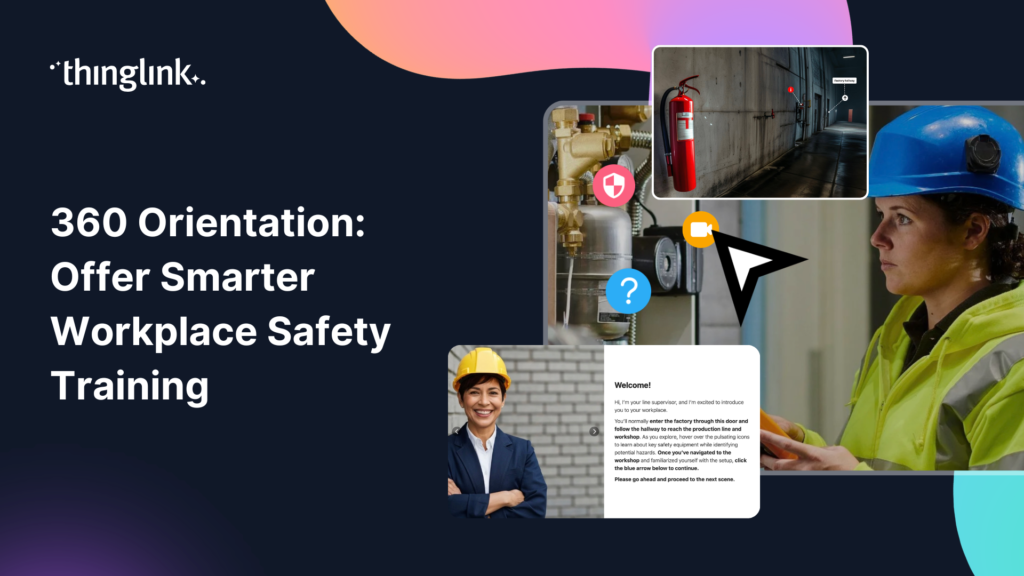
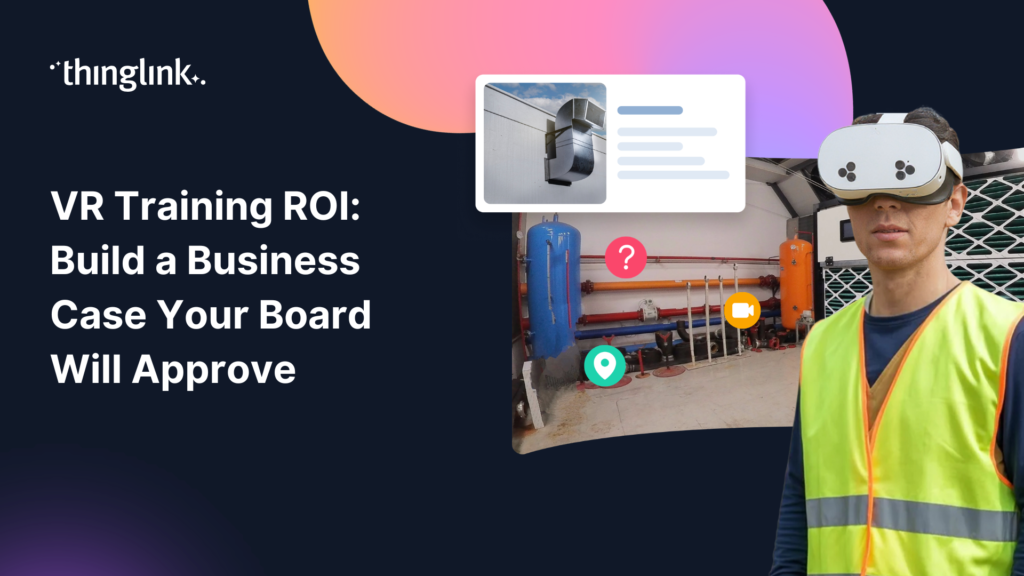
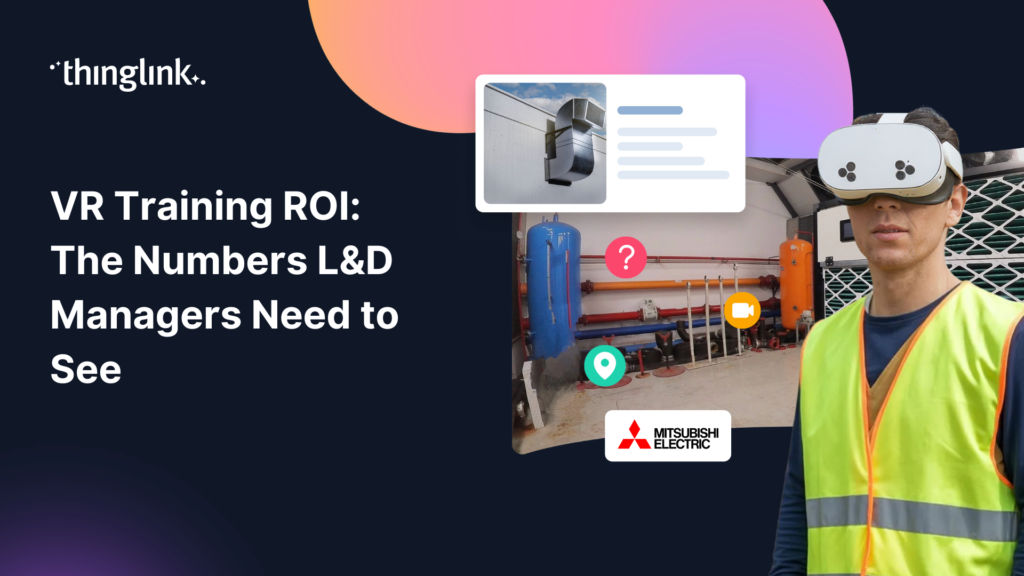
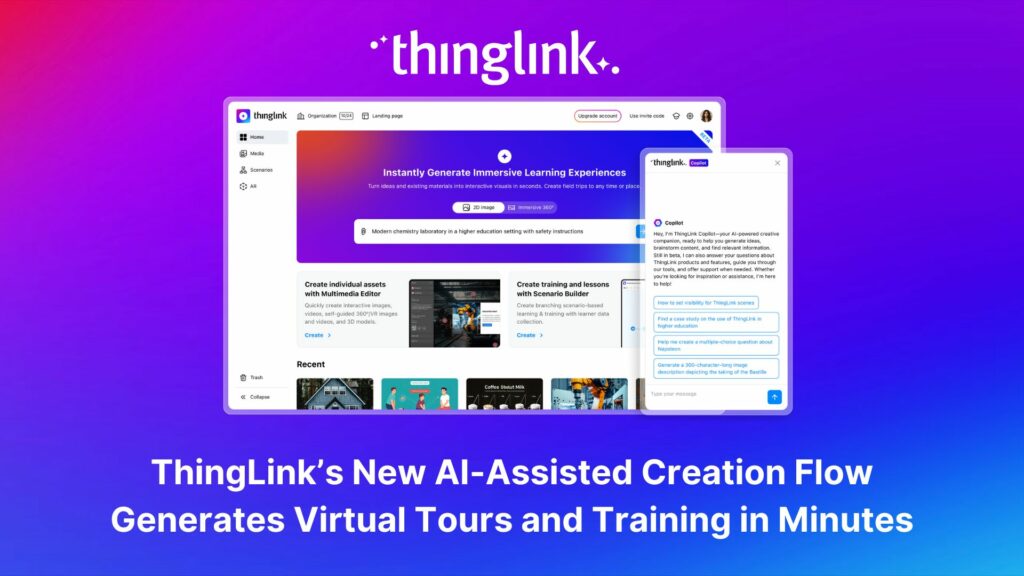
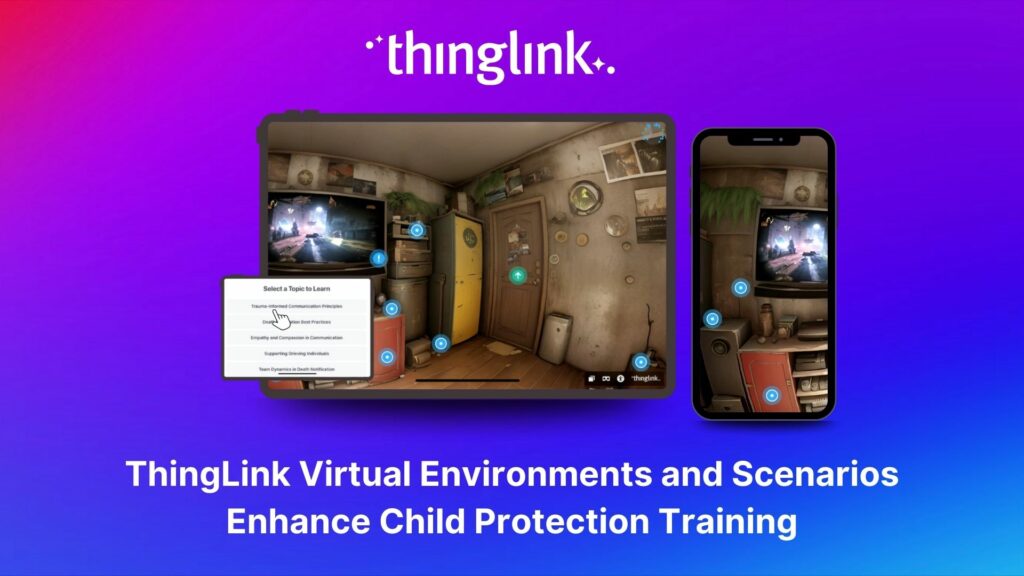
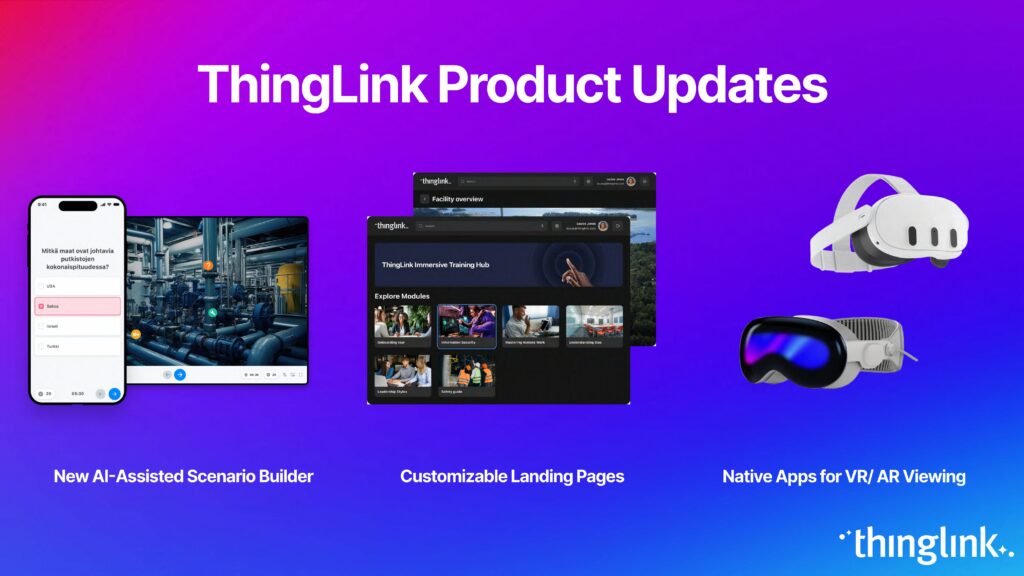
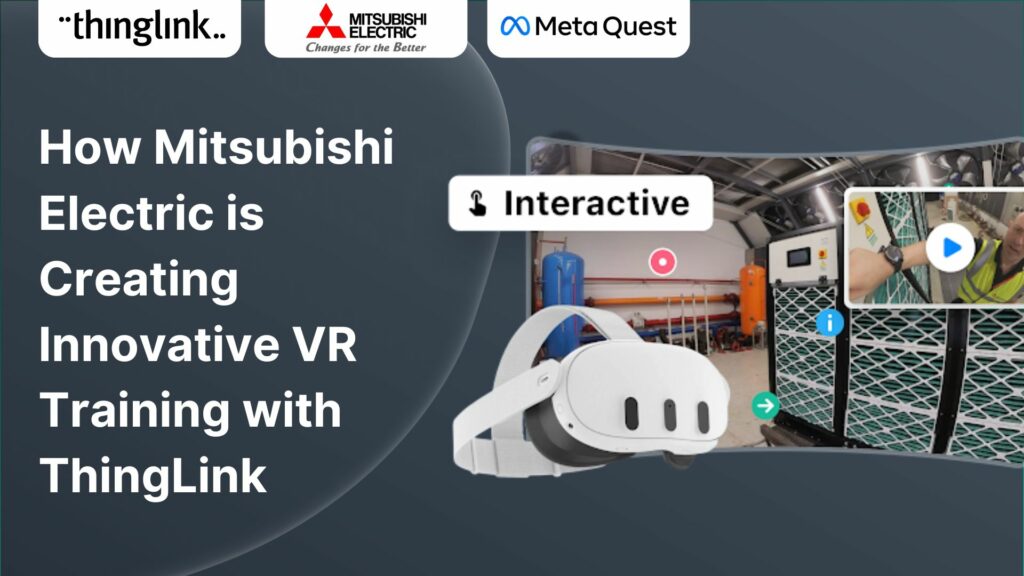
With ThingLink, you can build interactive 360° environments, branching scenario experiences, and XR content that runs on Meta Quest headsets — using your own images, video, and an AI-assisted workflow that accelerates production significantly.
That shift in production cost changes the ROI maths considerably. A programme that would once have taken months to build and a large budget to commission can now be prototyped by your own team in days.
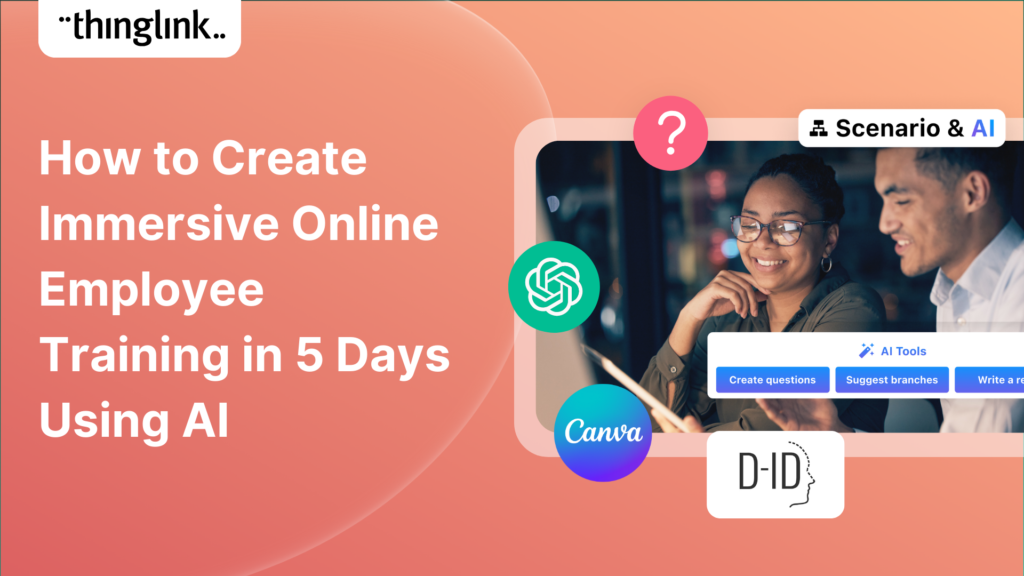
Find out how to create immersive online employee training in 5 days using AI.
You can also explore how ThingLink XR on Meta Quest is transforming employee training in practice.
Your Next Step
The strongest budget case you can make for VR training is one that is built before you need the budget — not assembled in a hurry after someone asks for justification.
Start now. Document your current training costs. Identify one measurable problem that immersive learning could address. Design a pilot with a clear success metric. And build your ROI model from the ground up, with your own organisation's numbers.
When you are ready to see what ThingLink can do for your team, the tools are already there — and they are designed to help you move quickly.