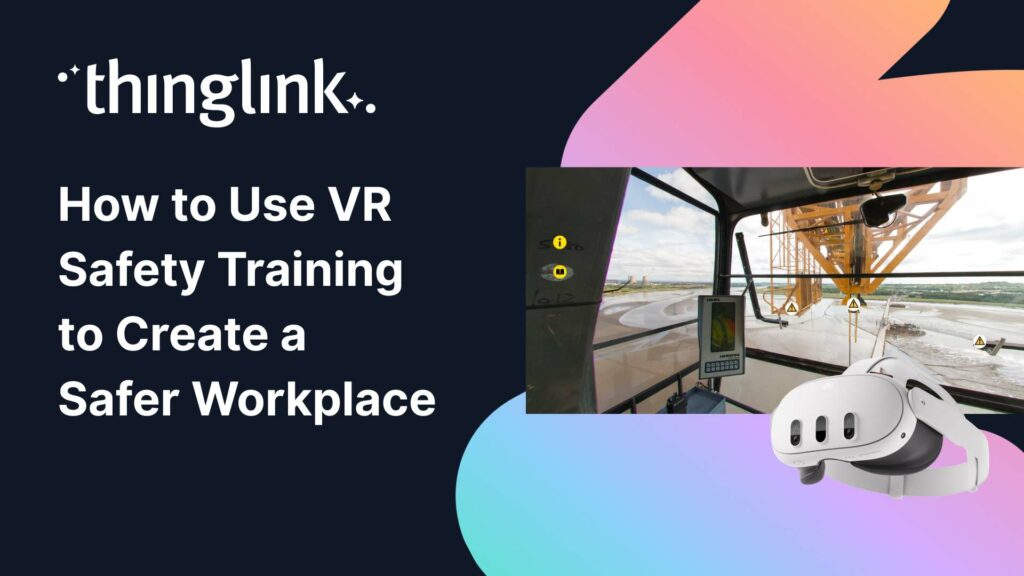
How to Use VR Safety Training to Create a Safer Workplace
Protecting employee health and safety is one of the most fundamental responsibilities of any organization. Especially in high-risk industries, even a single incident can have devastating consequences, not only for the individuals involved but for teams, operations, and long-term business sustainability.
Despite this, many organizations still rely on traditional safety training methods that struggle to prepare employees for the realities of modern workplaces. Classroom-based learning, static manuals, and one-off safety briefings often fail to reflect the complexity, pressure, and unpredictability of real-world hazards.
Virtual Reality training is changing this. By immersing employees in realistic, interactive environments, organizations can deliver safety training that is more engaging, more effective, and ultimately far better at reducing workplace injuries and ill health. In this article, we explore how VR safety training improves workplace health and safety outcomes, and why it is becoming a critical tool for organizations committed to protecting their people.
What Does VR Training Encompass?
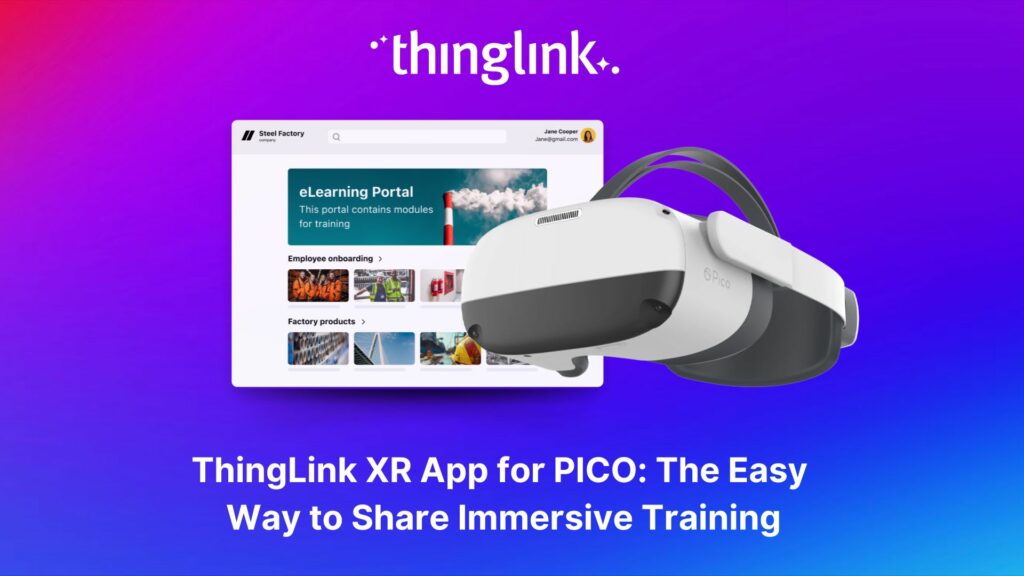
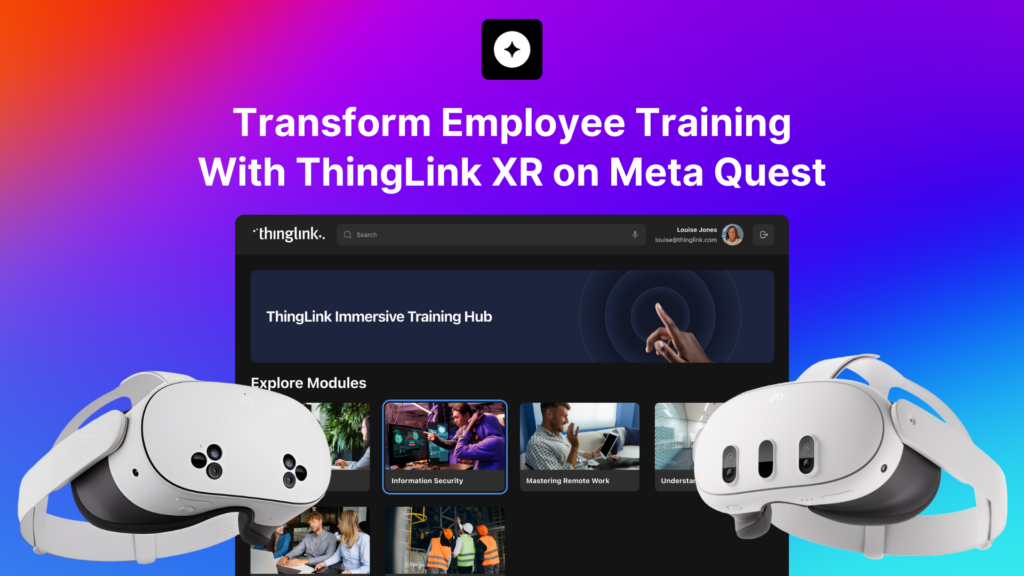
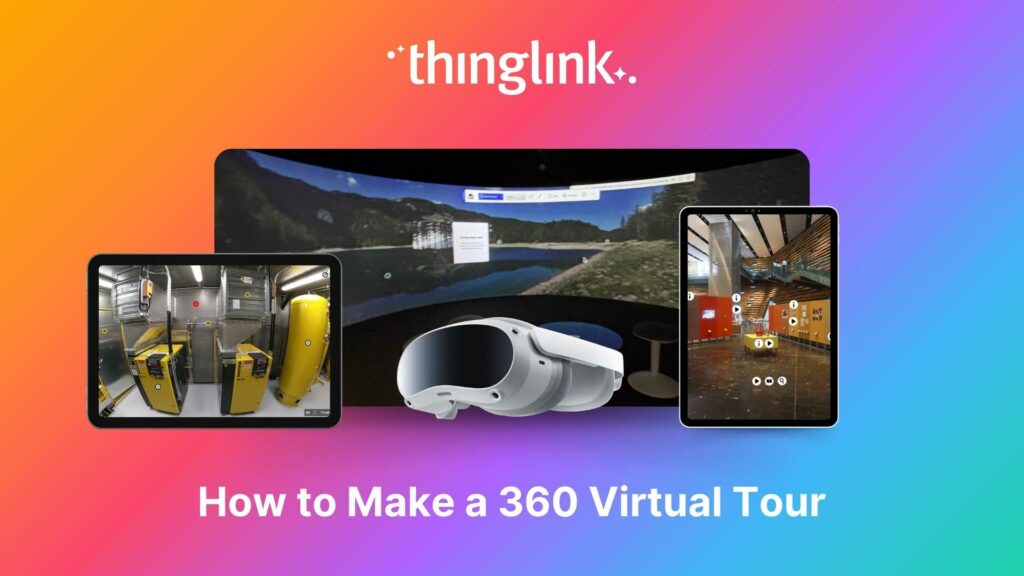
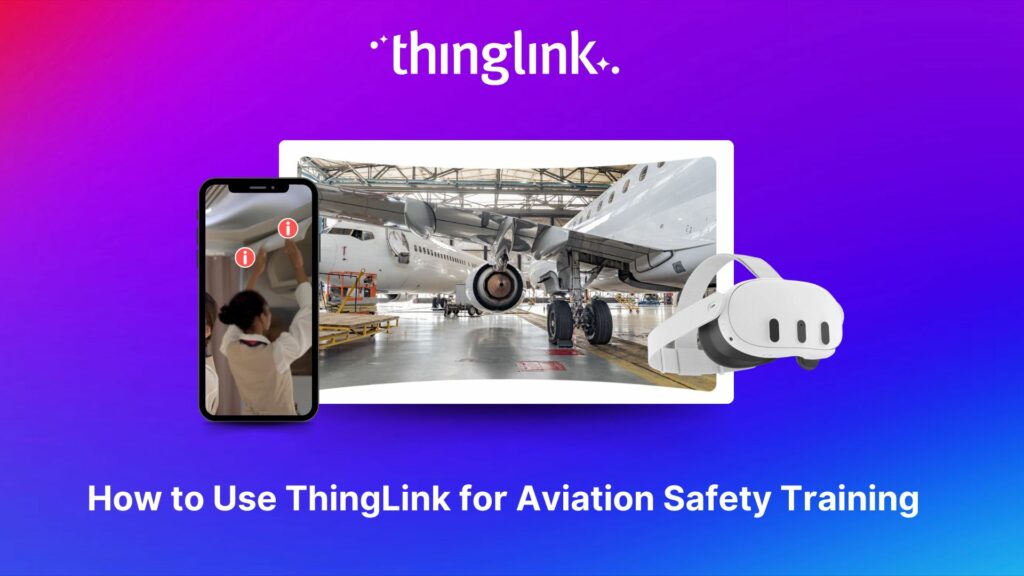
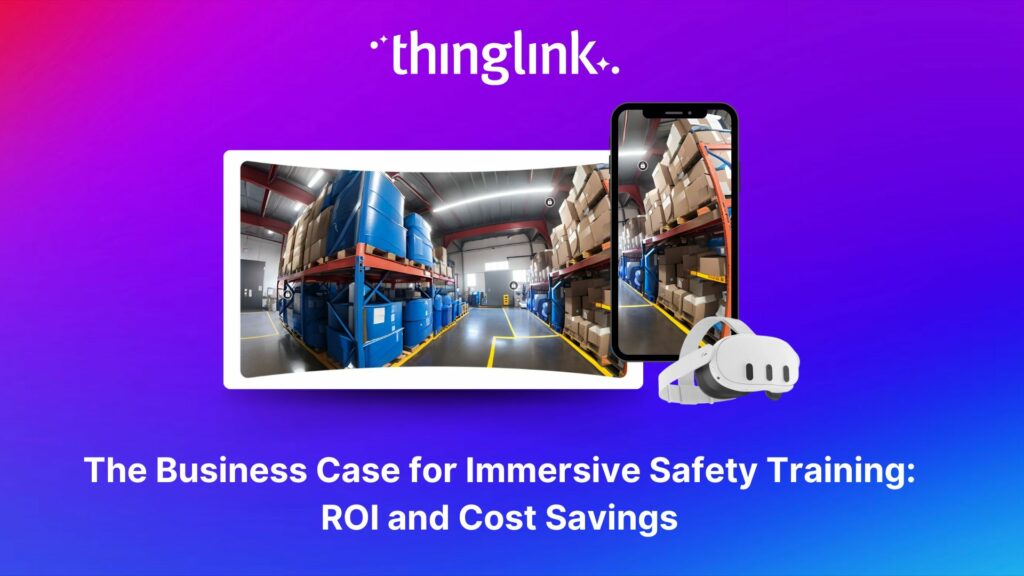
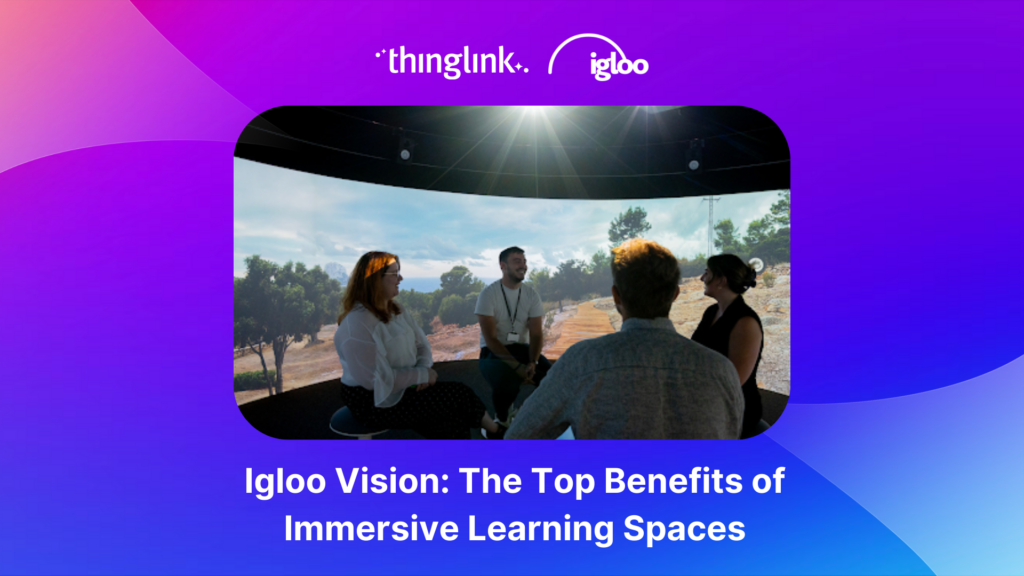
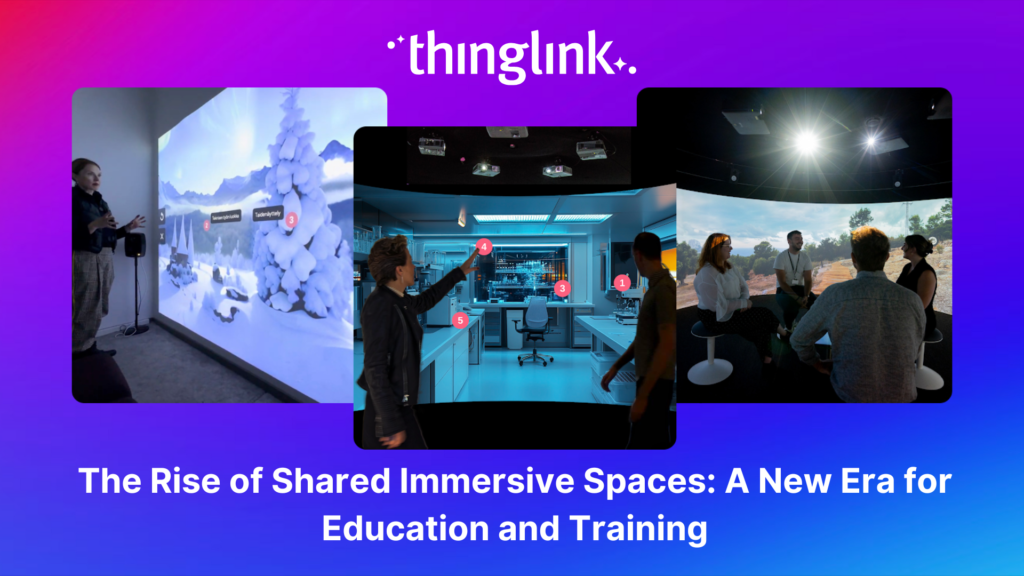
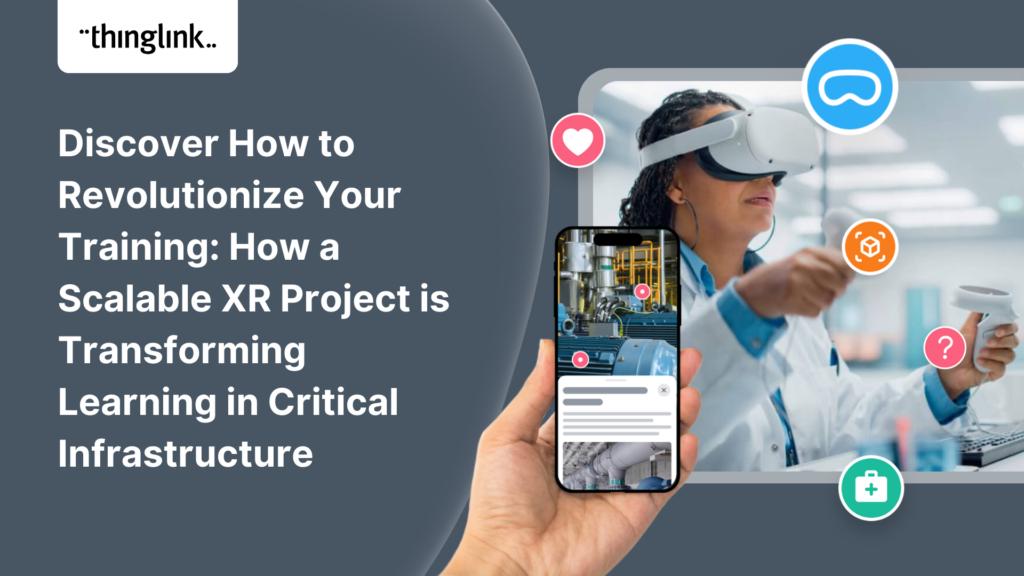
When we refer to VR safety training, we don’t just mean experiences delivered through VR headsets. VR safety training encompasses a broad spectrum of immersive technologies designed to simulate real-world environments and scenarios. This can include fully immersive headset-based experiences, but also projection-based immersive rooms, large interactive screens, simulated spaces, and 360° images or videos that employees can explore and interact with on a desktop, tablet, or smartphone. The key defining feature is not the hardware, but the level of immersion and interactivity – enabling learners to engage with realistic environments in a way that enhances understanding, retention, and safe decision-making.
Book a free consultation
If you’d like to learn more about how your company can save resources and effectively support employees with scalable XR and impactful training, schedule a free call with our Enterprise Executive.
The Challenges of Traditional Workplace Safety Training
Traditional safety training approaches face several persistent challenges:
- Low engagement: Passive learning methods struggle to hold attention, reducing knowledge retention.
- Limited realism: Learners are often asked to imagine hazardous environments rather than experience them.
- Inconsistent delivery: Training quality can vary depending on the instructor, location, or time constraints.
- Risk during training: In some sectors, employees are exposed to real hazards before they are fully prepared.
When safety training fails to reflect real working conditions, employees may understand procedures in theory, but struggle to apply them under pressure. This gap between knowledge and action is a major contributor to workplace accidents, near misses, and in the worse case scenarios, fatalities.
How VR Safety Training Improves Health and Safety Outcomes
Realistic, Risk-Free Exposure to Hazards
VR safety training allows employees to experience hazardous situations without being exposed to real danger. Workers can practice responding to:
- Equipment malfunctions
- Fire and evacuation scenarios
- Chemical spills or leaks
- Working at height or in confined spaces
- Medical or emergency situations
In the realistic simulations that can be provided in VR, employees build familiarity and confidence, improving their ability to respond correctly in real-life situations. Importantly, this exposure happens in a completely risk-free environment, protecting employees from potential hazards while they learn.
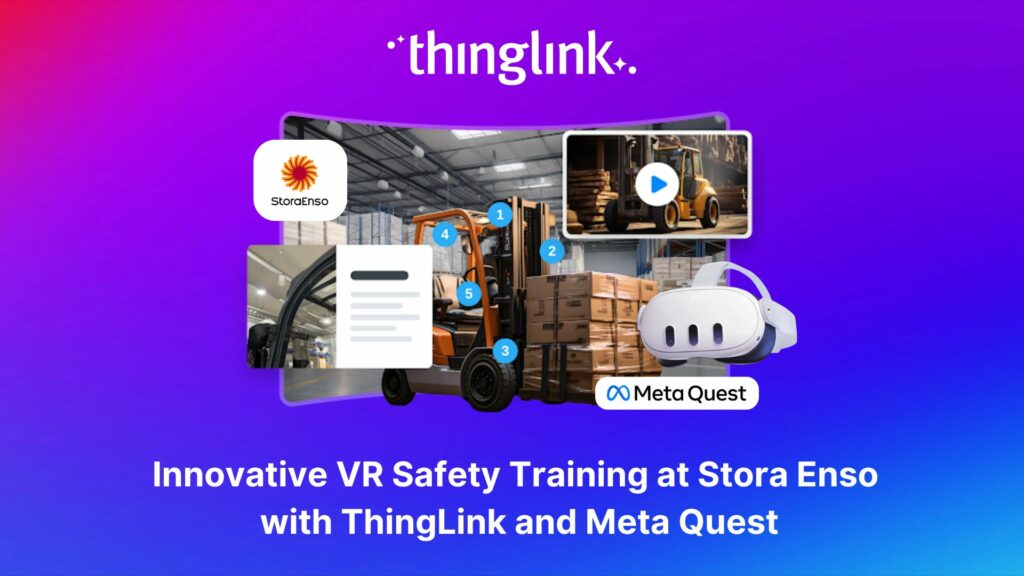
ThingLink in action: Read how Stora Enso used ThingLink to deliver VR simulations for employees working in and around forklifts in their warehouses
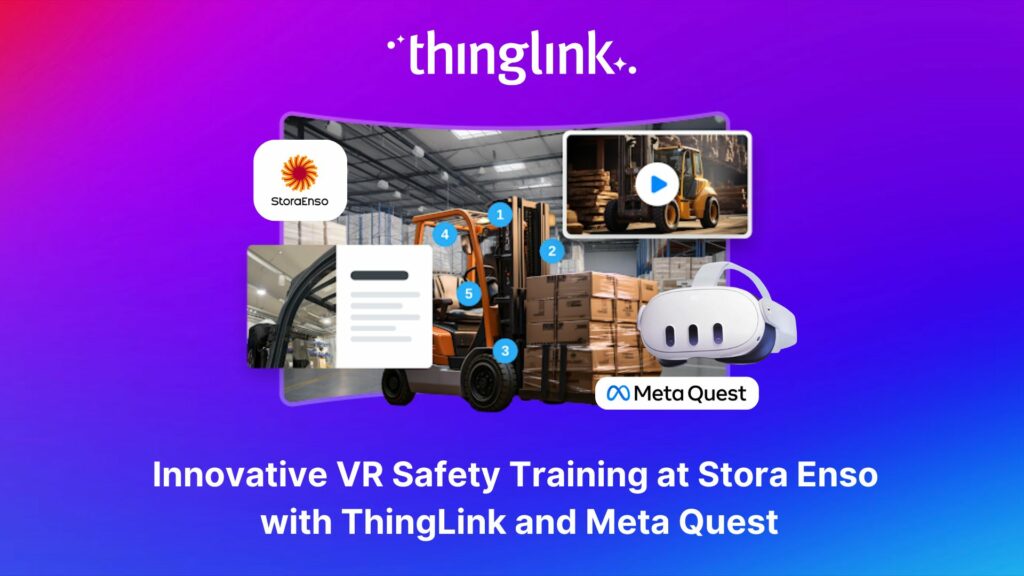
Safer Safety Training for Hazardous Environments
In industries such as manufacturing, construction, energy, and healthcare, traditional safety training may require employees to enter dangerous environments before they are fully competent. VR learning experiences remove this risk.
Employees can:
- Learn equipment operation and hazard recognition before using real machinery
- Practice emergency responses without exposure to harm
- Make mistakes and learn from them safely in a controlled environment
This significantly reduces the likelihood of injuries occurring during safety training itself, a potentially serious risk when hands-on training takes place.
ThingLink in action: Explore this ThingLink interactive 360 image of a crane created for immersive site safety training
Improved Knowledge Retention and Safer Behaviors
Research consistently shows that immersive learning leads to higher knowledge retention than traditional methods. VR safety training engages multiple senses, reinforcing learning through experience rather than memorization.
This has a direct impact on workplace health and safety:
- Employees are more likely to remember safety procedures when taking part in an interactive experience
- Correct responses become instinctive in advance of tackling the real experience hands-on
- Human error is reduced
- Unsafe behaviors can be identified and corrected early
The UK Health and Safety Executive (HSE) highlights employee engagement as a critical factor in effective safety training solutions, something that immersive VR training excels at delivering.
Free Immersive Vocational Training Download
Interested in learning more about immersive vocational training? Download the ThingLink white paper now.
Better Preparation for High-Stress Situations
Workplace incidents are often accompanied by stress, time pressure, and emotional responses that are difficult to replicate in traditional safety training. Immersive training allows employees to practice decision-making in realistic, high-pressure, but virtual environments.
This controlled exposure helps workers:
- Recognize early warning signs of stress
- Manage stress responses
- Follow correct safety protocols under pressure
- Communicate effectively with colleagues during incidents
As a result, employees are better prepared not just technically, but psychologically, to respond safely when it matters most.
ThingLink in action: Read how CAST/ The Zero Abuse Project used ThingLink to create virtual child safety training environments and scenarios for their training modules for both current future professionals
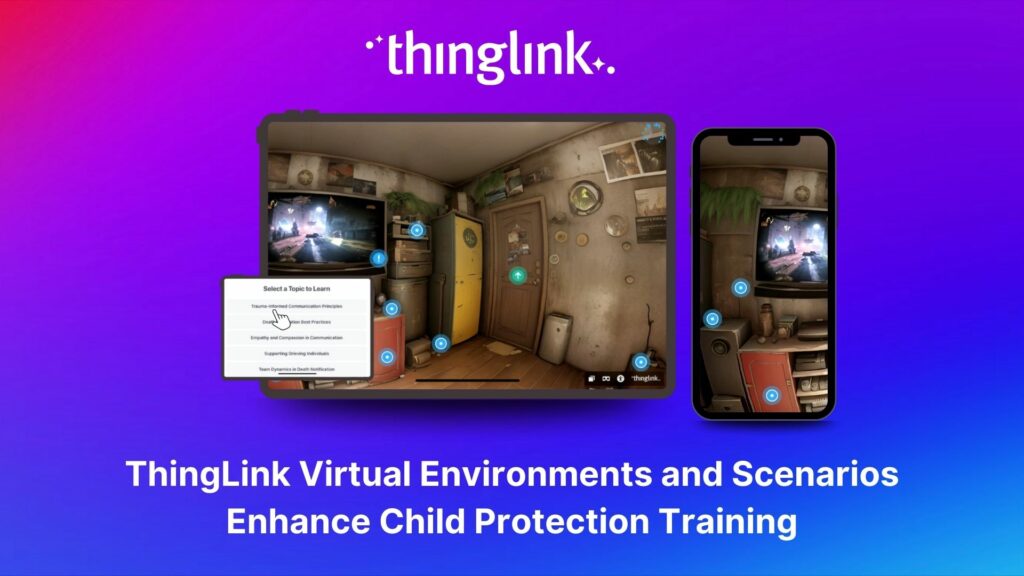
Supporting Workplace Health Beyond Accident Prevention
Reducing Long-Term Health Risks
VR safety training is not limited to accident prevention. It can also support long-term employee health by training workers to:
- Identify ergonomic risks
- Use correct manual handling techniques
- Recognize signs of fatigue or strain
- Follow safe working practices consistently
By reinforcing healthy behaviors, organizations can reduce musculoskeletal disorders, stress-related illness, and other long-term health issues that contribute to absenteeism and reduced productivity.
Faster, More Effective Onboarding
New employees are statistically more likely to be involved in workplace incidents. VR safety training helps close this gap by providing consistent, high-quality safety training from day one.
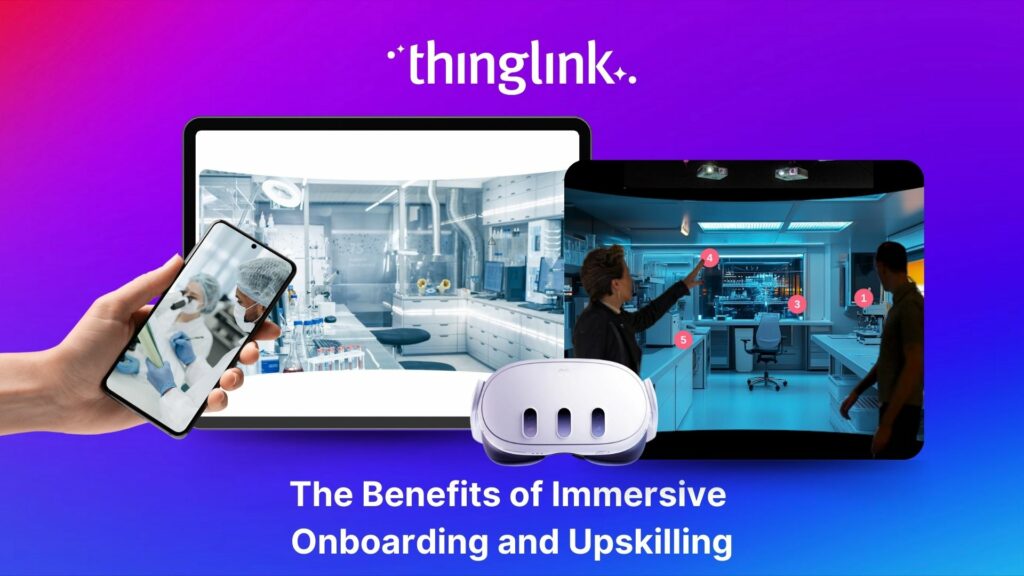
Because VR safety training can be accessed on-site or remotely, onboarding can happen:
- At the employee’s own pace
- Without removing experienced staff from operations
- Without delaying operational readiness
This ensures new starters are competent, confident, and safe before entering high-risk environments.
ThingLink in action: Read how FINGRID created virtual safety briefings for all their electricity substations to speed up onboarding of new employees
Building a Stronger Safety Culture
Consistency and Accountability
VR safety training delivers standardized safety training experiences across teams, locations, and even countries. Every employee receives the same high-quality instruction, aligned with organizational safety standards and regulatory requirements.
Training data can also be captured and analyzed, allowing organizations to:
- Track completion and performance
- Identify skills gaps
- Demonstrate compliance during audits
- Continuously improve safety training programs
This data-driven approach strengthens accountability and supports a proactive safety culture.
Enhancing Employer Brand and Employee Trust
Investing in advanced safety training sends a clear message: employee health and safety is a priority. Organizations that adopt immersive safety training often see improvements in:
- Employee confidence and morale
- Trust in leadership
- Talent attraction and retention
Younger workers in particular expect training to be interactive, digital, and engaging. VR safety training aligns perfectly with these expectations, reinforcing an organization’s commitment to modern, responsible workplace practices.
Getting Started with VR Safety Training
While immersive technology was once seen as expensive or complex, scalable platforms now allow organizations to integrate VR safety training gradually and in a cost-effective way. Solutions like ThingLink enable organizations to transform existing safety training materials into immersive experiences without replacing their entire training framework. Watch how easy it is to create and convert existing training content below.
In ThingLink, immersive training using 360 media can be shared on VR headsets, but equally on desktop and mobile devices. This means that organizations are not obliged to undertake large initial investments in VR technology, but can use the hardware they already own, and scale up when able.
This makes VR safety training accessible for organizations of all sizes, from small teams to global enterprises, while delivering meaningful improvements in workplace health and safety.
Book a free consultation
If you’d like to learn more about how your company can save resources and effectively support employees with scalable XR and impactful training, schedule a free call with our Enterprise Executive.