Everyday Maths: Teach It with Real-World Contexts
Your students can solve a quadratic equation on a worksheet. But ask them to work out the best mobile phone contract, calculate how much paint they need for a room, or figure out whether a loan deal is actually worth it, and suddenly the room goes quiet.
This is the gap between maths GCSE and everyday maths. And it is one of the most persistent challenges secondary maths teachers face. The good news is that closing that gap does not require a complete curriculum overhaul. With the right tools, you can bring real-world context directly into your existing lessons and make abstract skills feel genuinely useful.
ThingLink gives you a practical, creative way to do exactly that.
Why Everyday Maths Matters for GCSE Students
The maths GCSE curriculum covers a wide range of skills, from number and ratio to statistics and geometry. Many of those skills map directly onto tasks students will do every week as adults: budgeting, reading timetables, interpreting graphs, calculating percentage discounts, and understanding scale.
Yet for many students, maths feels like a subject that exists only inside the classroom. When there is no visible connection between a skill and real life, motivation drops. Research in mathematics education consistently points to contextualised learning as a key driver of both engagement and retention.
Teaching everyday maths is not about making the curriculum easier. It is about making it stickier. When a student can see why they are learning to calculate interest rates, they are more likely to remember how.
The Challenge of Teaching Real-World Maths in the Classroom
In action! Explore this example by Reece Tinkler, Maths Teacher at Barnsley College.
Most teachers know they should be contextualising maths. The challenge is finding the time and resources to do it well.
Printing worksheets with real-world scenarios helps, but static materials only go so far. A flat image of a supermarket shelf or a printed bus timetable does not invite curiosity in the way that an interactive, explorable environment does. Students need to investigate, not just read.
This is where immersive, interactive learning makes a real difference.
What Is ThingLink and How Does It Help Maths Teachers?
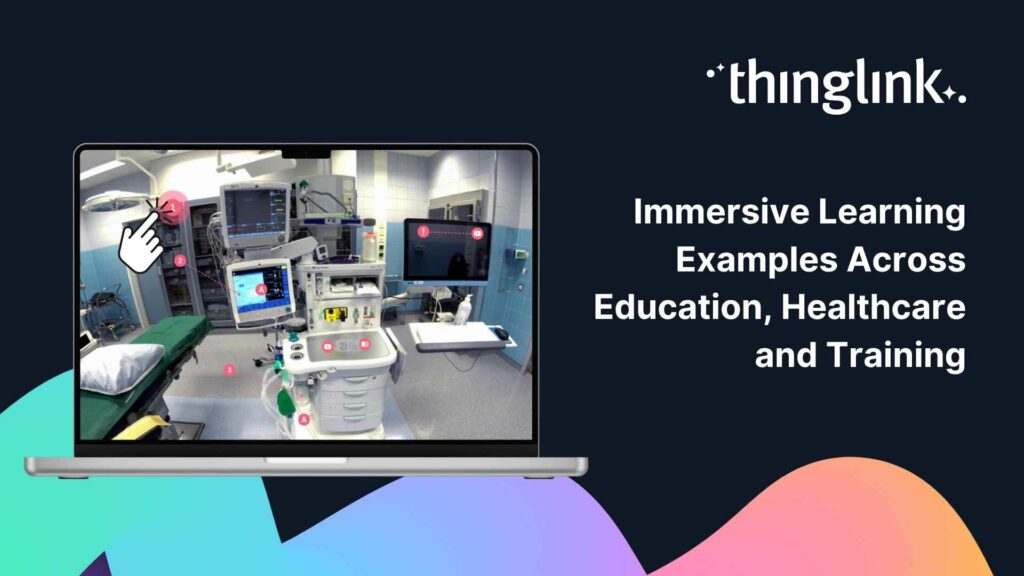
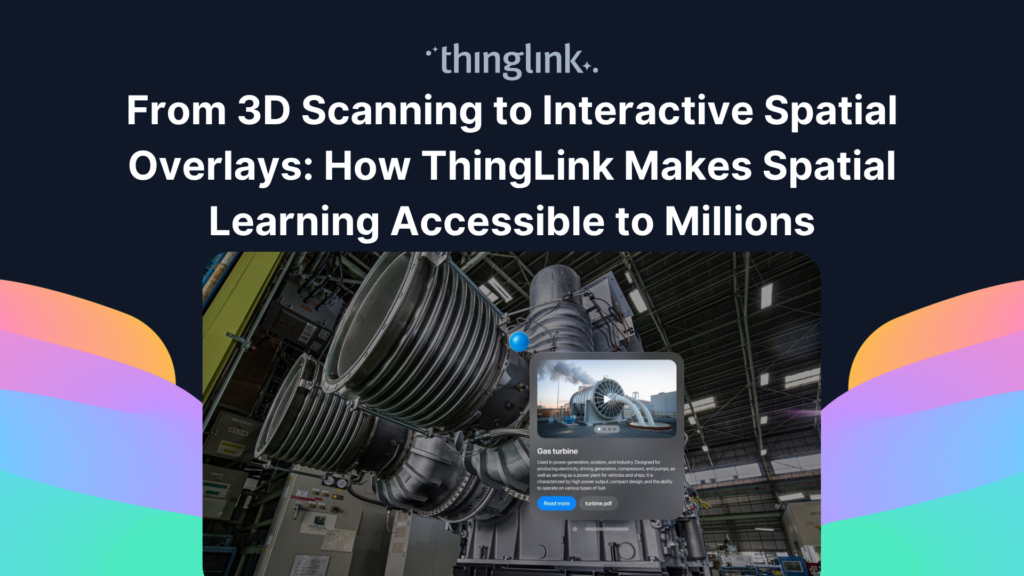
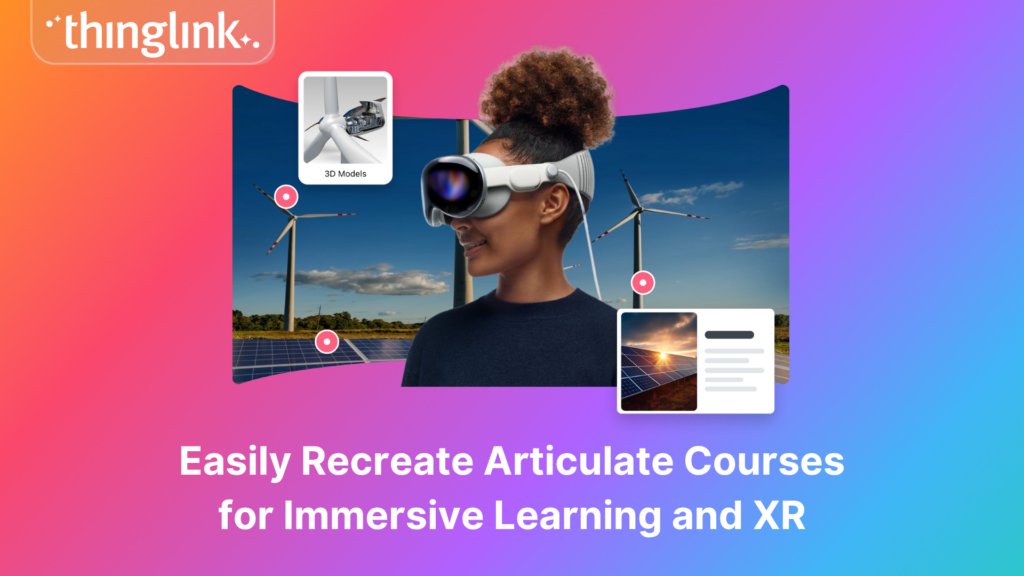
ThingLink is a platform that lets you turn images, photographs, 360° scenes, and videos into interactive learning experiences. You add clickable tags to any visual, and each tag can contain text explanations, questions, audio, video, links, or even embedded quizzes.
For maths teachers, this means you can take a photograph of a real-world environment, a supermarket, a building site, a kitchen, a transport timetable, and layer mathematical challenges directly onto it. Students click through the scene, encounter problems in context, and work through them as part of an exploration rather than a passive exercise.
You do not need any coding or design experience. ThingLink's editor is built to be accessible for busy teachers, and you can have a first interactive lesson resource ready in under an hour.
Real-World Maths Scenarios You Can Build with ThingLink
Here are five everyday maths contexts that work brilliantly as ThingLink interactive scenes, and that connect directly to GCSE maths skills.
1. Supermarket Shopping and Percentage Calculations
Upload a photograph of a supermarket aisle or a printed receipt. Tag different products with questions: Which deal gives better value per 100g? If this item is 15% off, what is the sale price? A student earns £8.50 an hour. How many hours would they need to work to afford this weekly shop?
This hits GCSE topics including percentages, ratio, unit pricing, and basic financial literacy, all in a context students recognise from their own lives.
2. Reading and Interpreting Transport Timetables
A 360° photograph of a bus or train station, or a high-quality image of a timetable, becomes a rich interactive resource. Tags can ask students to calculate journey times, work out the latest train they can catch to arrive by a given time, or compare costs across different ticket types.
This covers time calculations, reading tables, and problem-solving under real-world constraints, all common areas of difficulty in maths GCSE examinations.
3. Home Improvement and Area, Perimeter, and Scale
Share an image of a room plan or a photograph of a living space. Students can tag and calculate the area of walls that need painting, work out how many rolls of wallpaper are needed given a pattern repeat, or convert between measurements. You can adjust the difficulty easily by adding scaffolding tags that offer hints or worked examples before the challenge questions.
These tasks connect directly to geometry and measures content in the GCSE maths specification.
4. Financial Literacy: Budgets, Bills, and Loans
Create an interactive scene around a household budget or a fictional bank statement. Students explore different line items, answer questions about income versus expenditure, and calculate whether a short-term loan is good value once interest is applied. You can include tags that explain vocabulary, like APR or direct debit, so the resource works for all ability levels.
Financial literacy is a growing focus in secondary education, and this kind of task makes it concrete and relevant.
5. Cooking, Recipes, and Ratio
A photograph of a kitchen or a recipe card becomes a ratio and proportion challenge. Tags ask students to scale a recipe up or down, convert between metric and imperial measurements, or work out the cost per portion. You can even add a timer element to introduce the idea of rate.
Ratio and proportion are topics where everyday maths and GCSE maths overlap almost perfectly, and students often find them more intuitive when the context is food.
Building Branching Scenarios for Differentiation
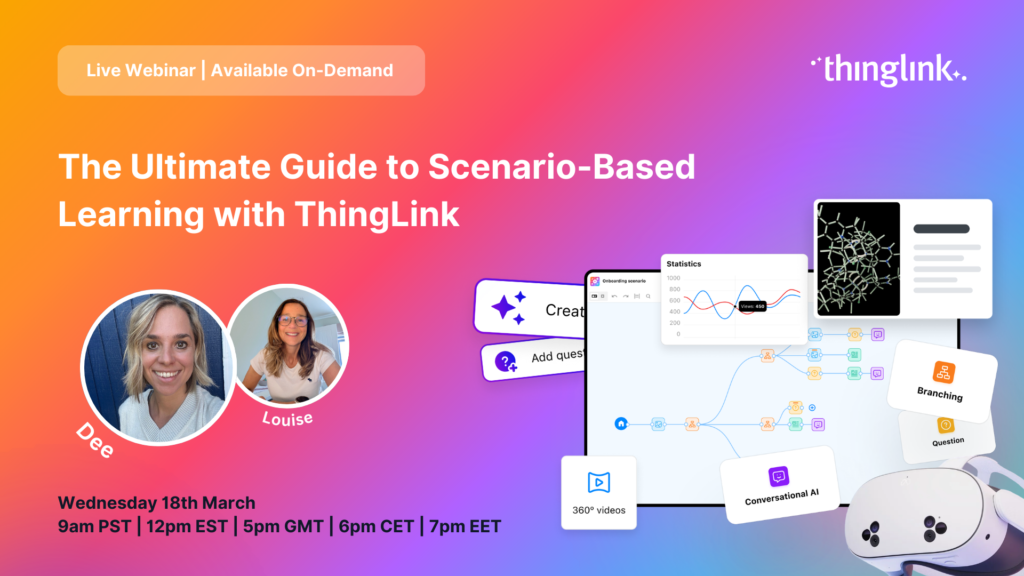
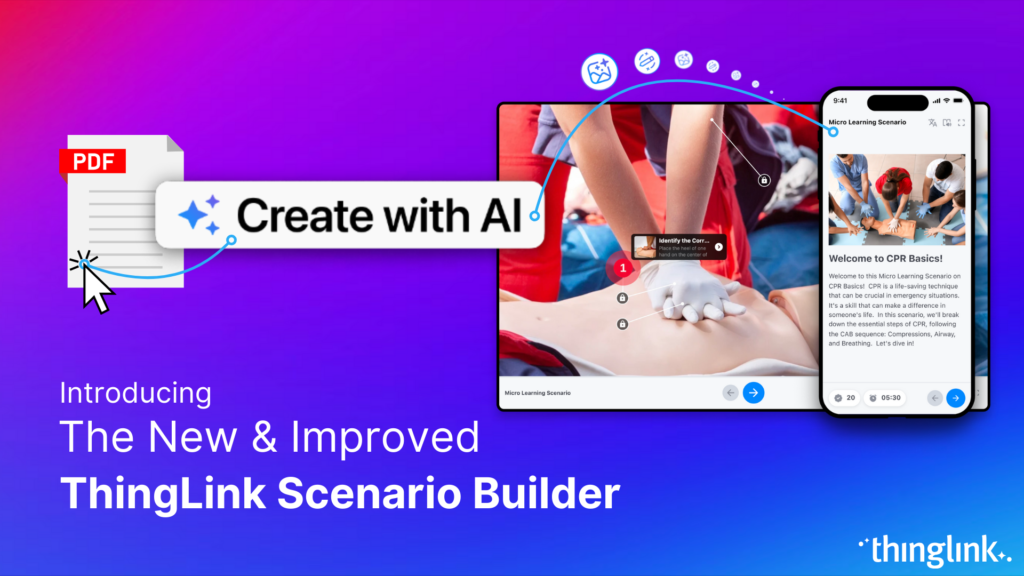
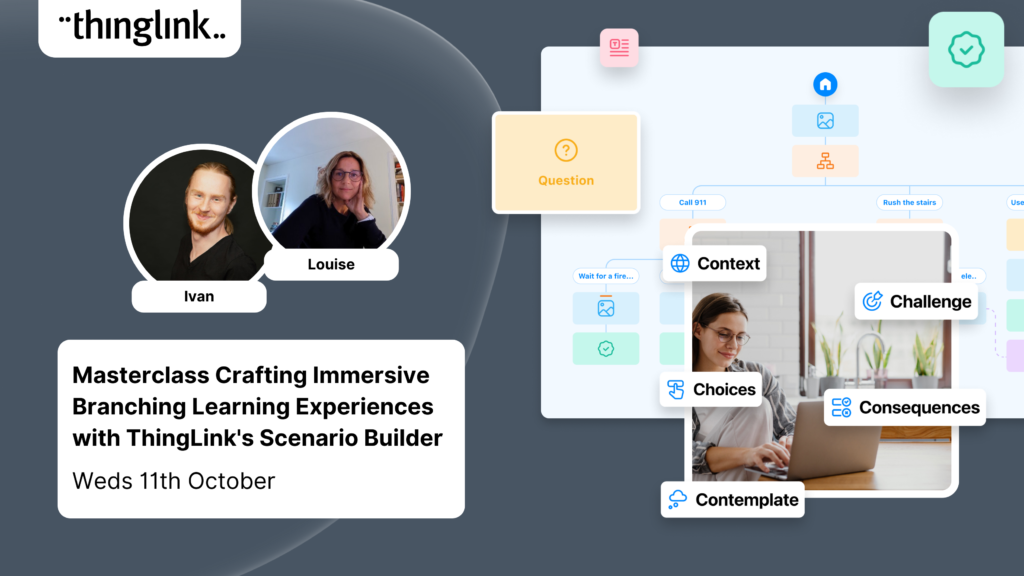
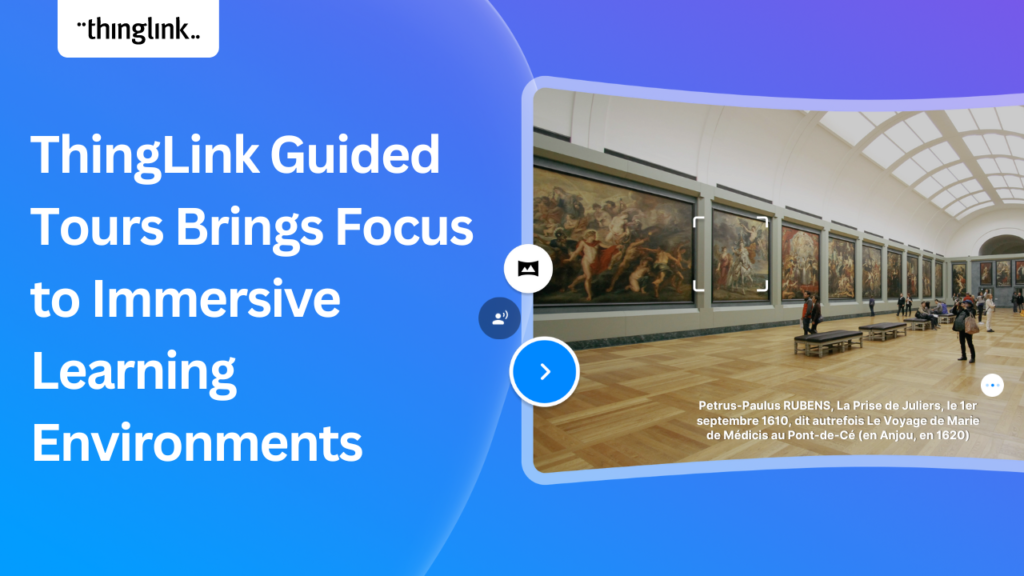
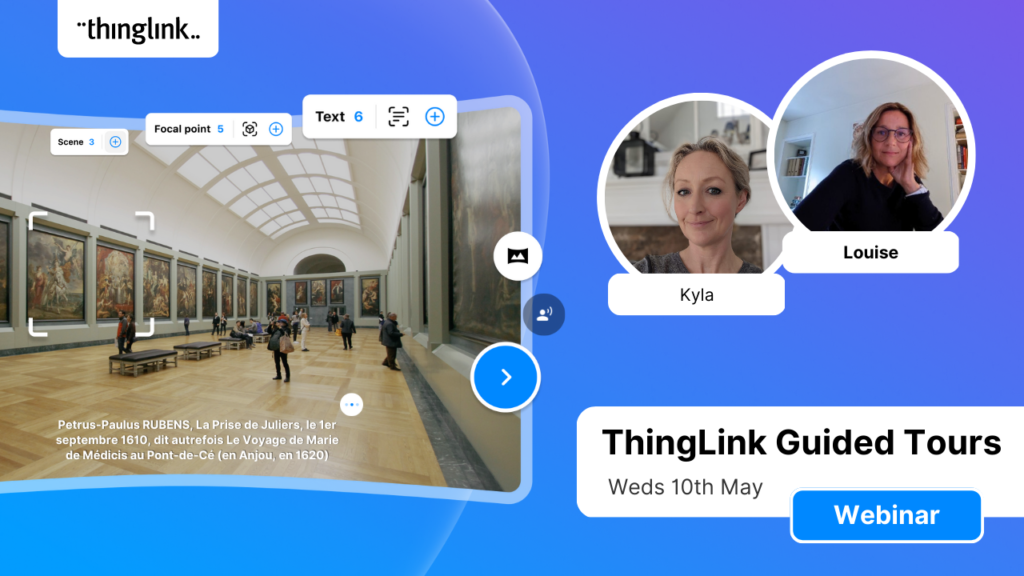
One of ThingLink's most powerful features for maths teaching is the Scenario Builder, which lets you create branching, multi-scene learning journeys. A student who gets a question right moves on to a more challenging version of the problem. A student who struggles is taken to a scaffolded hint or a worked example before trying again.
This kind of built-in differentiation is hard to achieve with printed materials and genuinely transforms how you can support a mixed-ability class. You can set up conditional transitions so that a student must answer a question correctly before progressing to the next scene, turning your everyday maths resource into an interactive challenge that rewards understanding.
You can also control exactly how students navigate your scenario using the General settings in the Scenario Builder, including whether they can revisit previous scenes and whether their progress is tracked.
Collaborating with Your Department
Building a library of real-world maths resources is much more achievable when you work as a team. ThingLink supports collaborative editing through shared folders, meaning your whole maths department can contribute to and access the same set of interactive resources.
One teacher might build the supermarket scene. Another might develop the transport timetable challenge. A third could focus on financial literacy. Over a single term, your department can build a bank of high-quality, contextualised maths resources that covers the whole everyday maths curriculum, and that can be reused and updated year after year.
This kind of collaborative resource-building also works well across schools in a multi-academy trust, where shared ThingLink folders let teachers in different buildings contribute to and benefit from a shared resource library.
Connecting Everyday Maths to Vocational and Functional Skills
If you teach functional skills maths or work with students on vocational pathways, contextualised learning is not just useful, it is essential. Students working towards functional skills qualifications need to demonstrate that they can apply maths in realistic, practical situations.
ThingLink's immersive approach has already been used in vocational education settings to help learners develop real-world skills in realistic virtual environments. You can read more about how immersive learning supports vocational skill development in this post on virtual workshops and real-world vocational skills.
The same principles that make immersive learning effective in a workshop context apply directly to functional skills and everyday maths teaching. Students engage more deeply when the problem feels real.
Making Your Resources Accessible to Every Learner
Accessibility matters in maths teaching, particularly for students with dyscalculia, dyslexia, or other learning needs. ThingLink gives you tools to build in accessibility from the start.
You can include audio explanations in your tags so that students who struggle with reading can still access the context and the questions. You can use large, clear images that work well on screen. You can add worked examples and visual step-by-step guides as tag content, so that students who need more support have what they need without requiring you to run separate sessions.
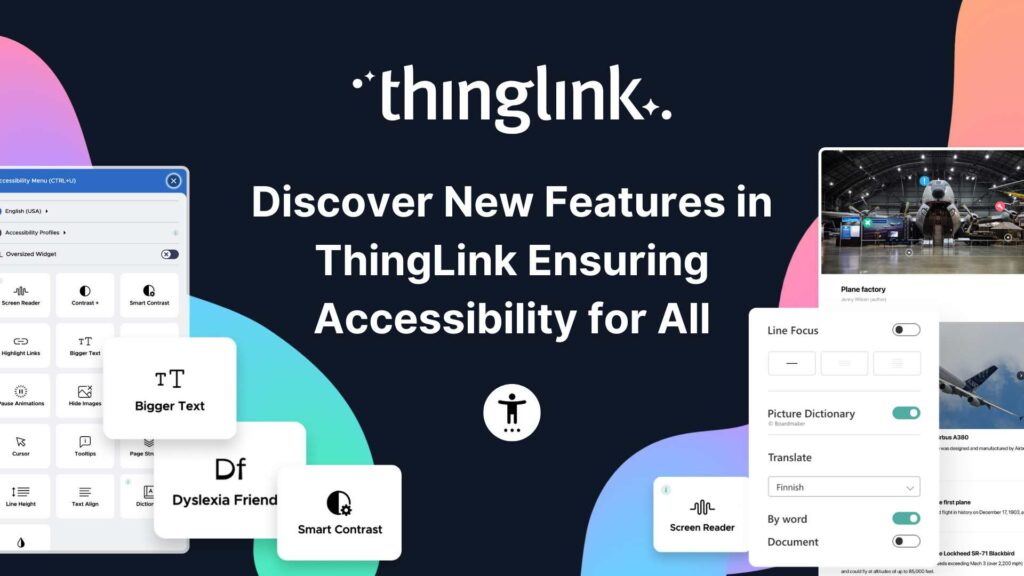
The Editor tools in ThingLink give you full control over how your content is structured and presented, making it straightforward to build inclusive resources from the ground up.
Getting Started: Your First Everyday Maths ThingLink
If you are ready to try this with your class, here is a simple way to begin.
Take a photograph of something your students see every day: a receipt, a menu, a bus stop, a section of a supermarket. Upload it to ThingLink. Add three to five tags with questions that connect the image to a specific GCSE maths topic you are currently teaching. Share the link with your class.
That is it. You do not need to build a full branching scenario on day one. Start small, see how your students respond, and build from there.
As you get more comfortable with the platform, you can explore the Scenario Builder to add branching, track student progress, and create more sophisticated learning journeys that take students from one real-world context to another.
Why Everyday Maths Deserves More Than a Worksheet
Students who understand why maths matters are more motivated, more confident, and more likely to remember what they have learned. Everyday maths and GCSE maths are not in tension, they are the same skills, viewed from different angles.
ThingLink gives you a way to bring both together, in resources that are engaging, accessible, and reusable. Whether you are teaching a top set preparing for higher-tier GCSE papers or a group working towards functional skills, contextualised interactive learning meets your students where they are.
Ready to see what your maths classroom could look like? Explore how ThingLink supports immersive, real-world learning and start building resources your students will actually want to engage with.