How Museums are Using Interactive Media to Boost Visitor Engagement
Are Your Visitors Truly Engaged, or Just Present?
There is a difference between a visitor who walks through your galleries and one who connects, questions, and remembers. Museums have always told powerful stories, but the tools available to tell those stories have changed dramatically. Interactive media is now one of the most effective ways to close that gap between passive observation and genuine engagement.
Whether you are a museum educator planning school visits, a digital engagement officer building online audiences, or a visitor experience manager looking for fresh ideas, this post is for you.
What Do We Mean by Museum Interactive Media?
In action! Explore this example.
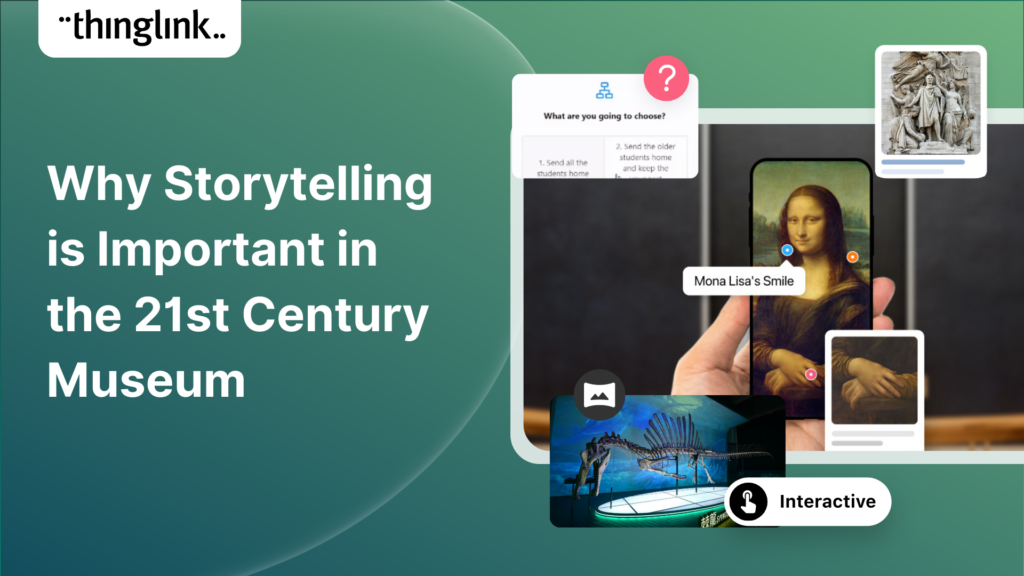
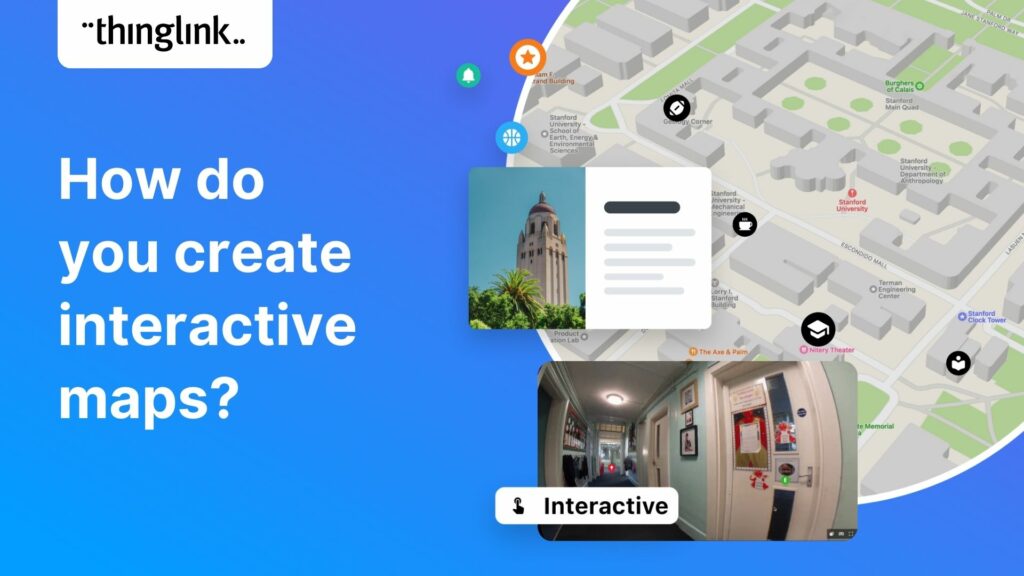
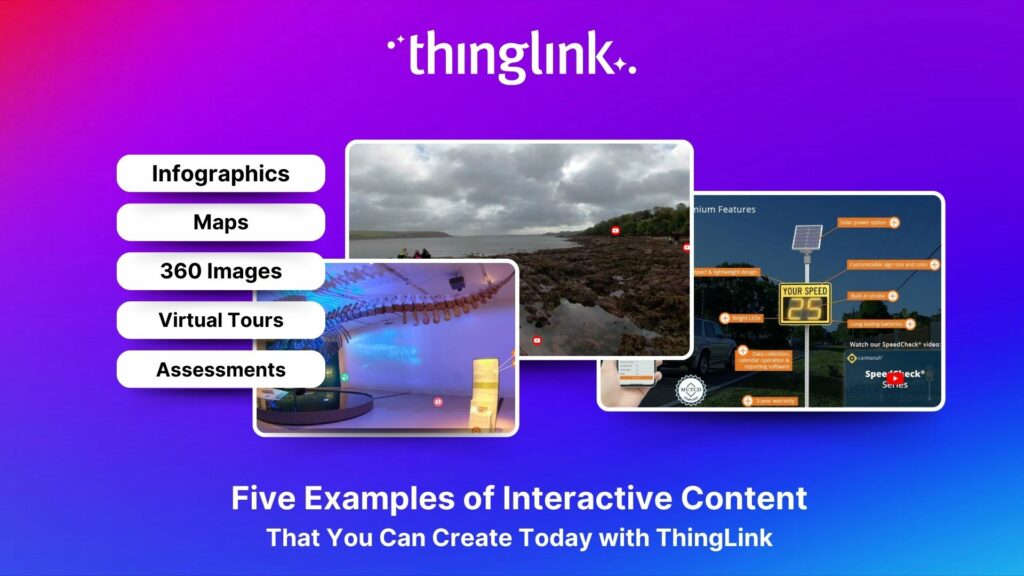
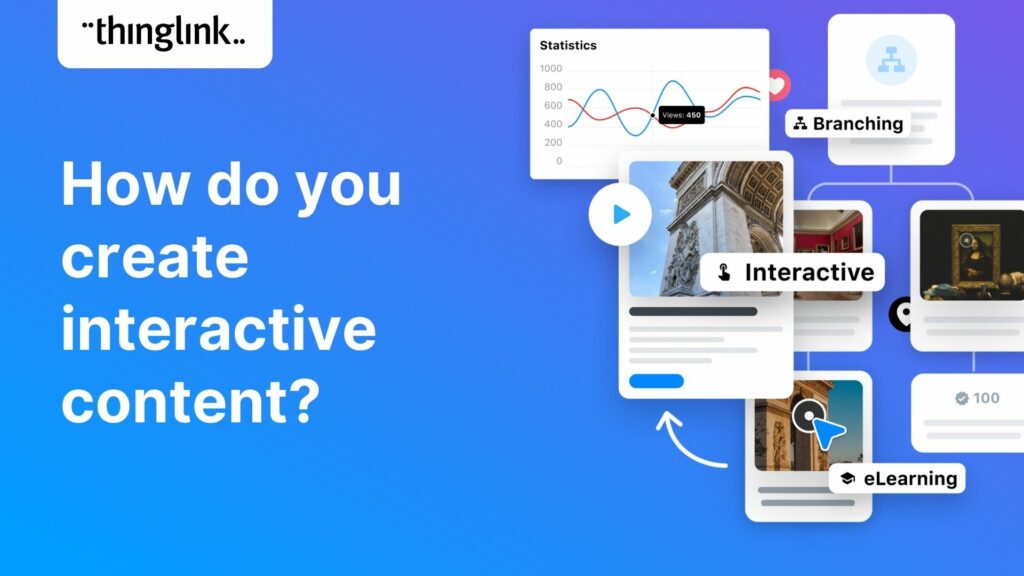
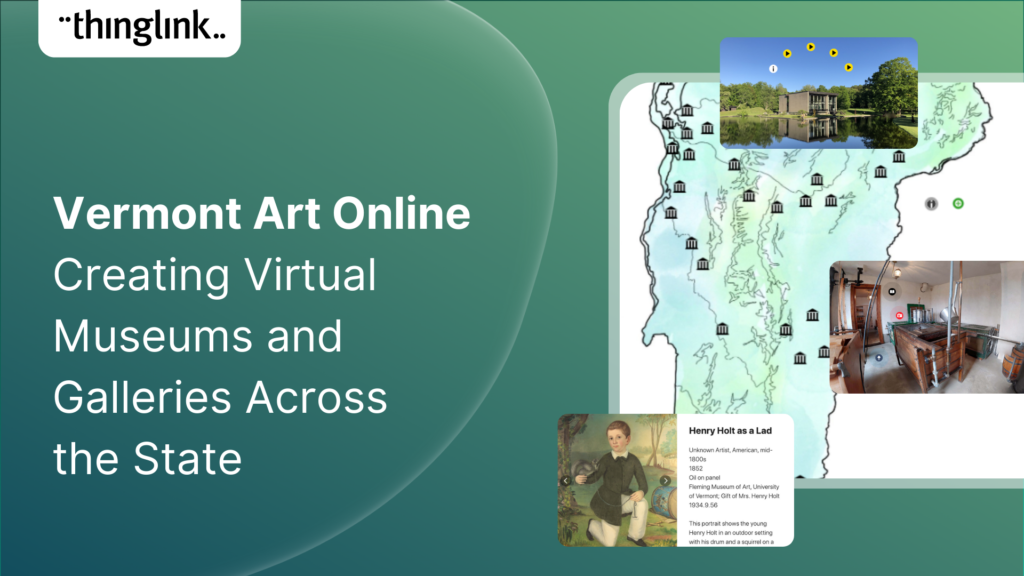
Interactive media in a museum context covers a wide spectrum. It includes clickable digital exhibits, 360-degree virtual tours, augmented reality layers over physical objects, audio and video hotspots, scenario-based learning journeys, and 3D object exploration. The common thread is that visitors are active participants rather than passive observers.
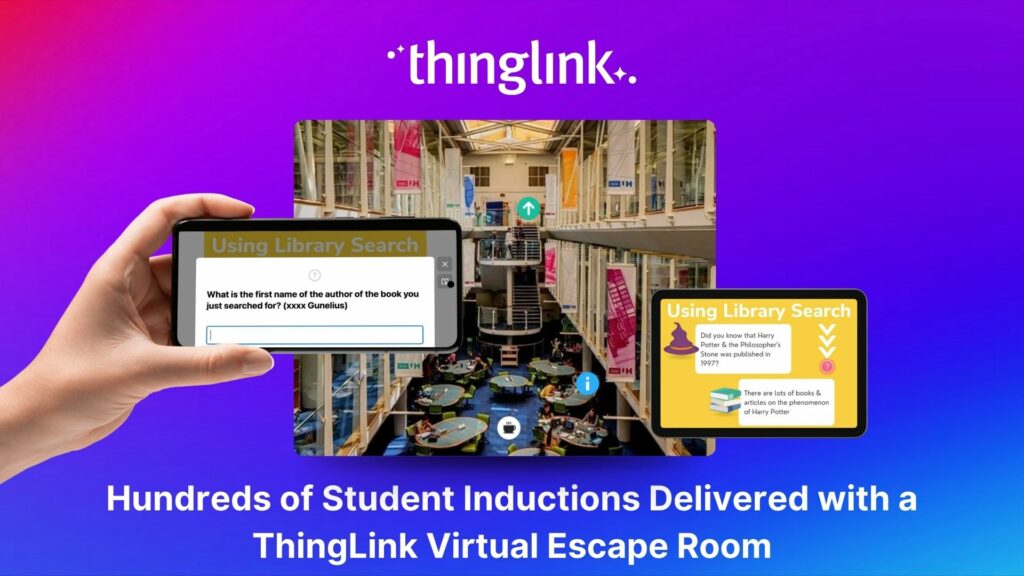
Platforms like ThingLink make it possible to build these experiences without specialist coding knowledge, which means your curatorial and education teams can lead the process directly.
Why Interactive Media Works for Museums
It Meets Visitors Where They Already Are
Today’s visitors, especially younger audiences, arrive expecting digital interaction. They use smartphones, touchscreens, and immersive apps every day. When a museum offers a layer of digital interactivity over its collections, it speaks a language visitors already understand.
Interactive media also extends your reach far beyond your physical walls. A compelling virtual exhibition can attract audiences in other cities, other countries, and other time zones, turning your institution into a genuinely global resource.
It Supports Deeper Learning
Research in learning design consistently shows that active engagement produces stronger retention than passive viewing. When a visitor clicks a hotspot to hear the story behind an artefact, watches an embedded video explaining historical context, or navigates a 360-degree reconstruction of a lost landscape, they are processing information in multiple ways at once.
For museum educators, this is transformative. Interactive content can be designed to align with curriculum objectives, making your museum a destination that teachers actively seek out rather than a nice-to-have add-on to the school calendar.
Real-World Examples of Interactive Media in Museums
Virtual Tours That Travel the World
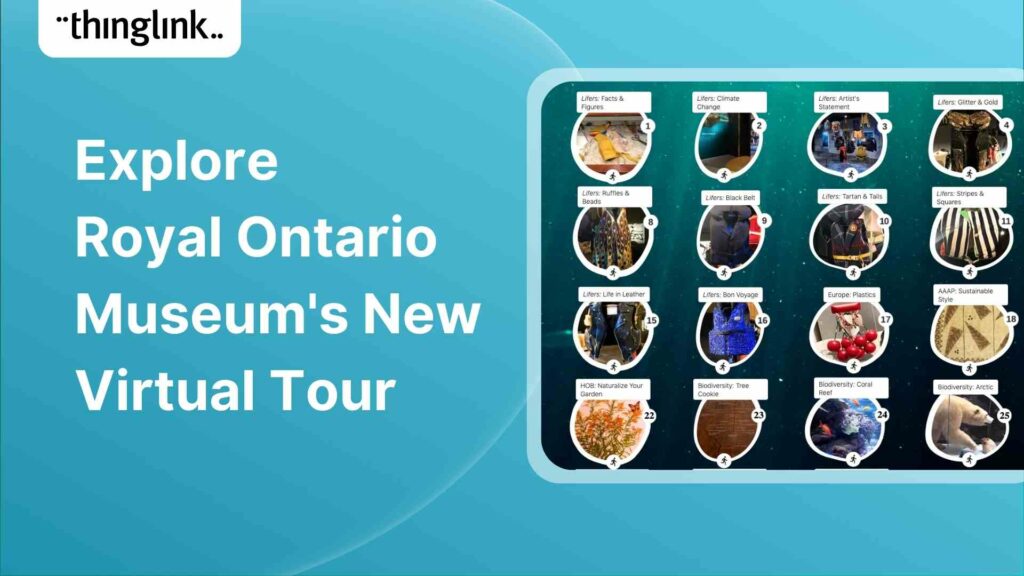
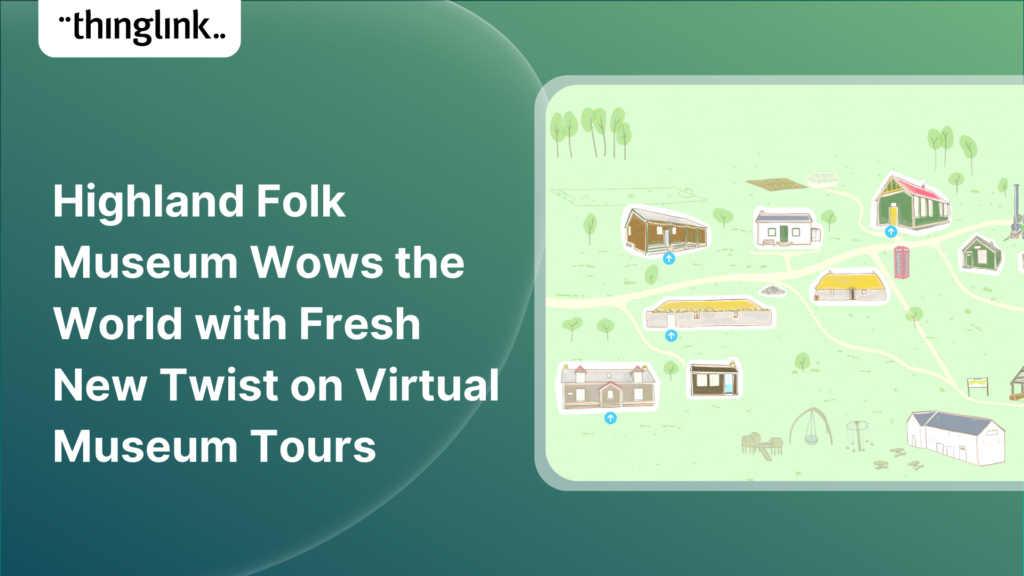
One Scottish folk museum used ThingLink to create an interactive virtual tour that brought their outdoor collection to life for audiences who could not visit in person. The result was a digital experience that attracted attention internationally and demonstrated how interactive content can amplify a museum’s reach far beyond its geography. You can read more about how the Highland Folk Museum approached this challenge.
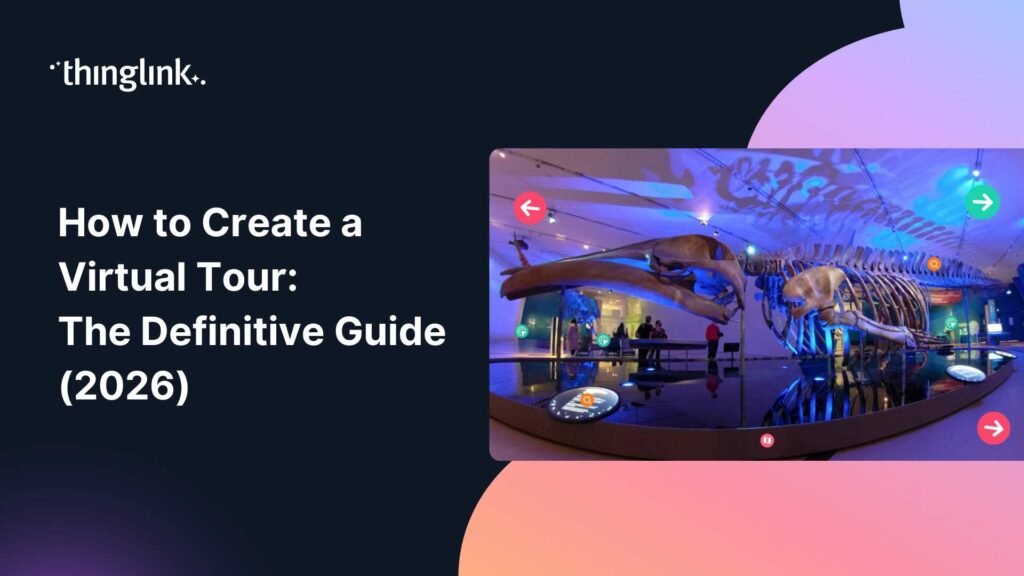
If you are exploring virtual tour formats for your own institution, the ThingLink guide on how to make an interactive virtual tour is a practical starting point.
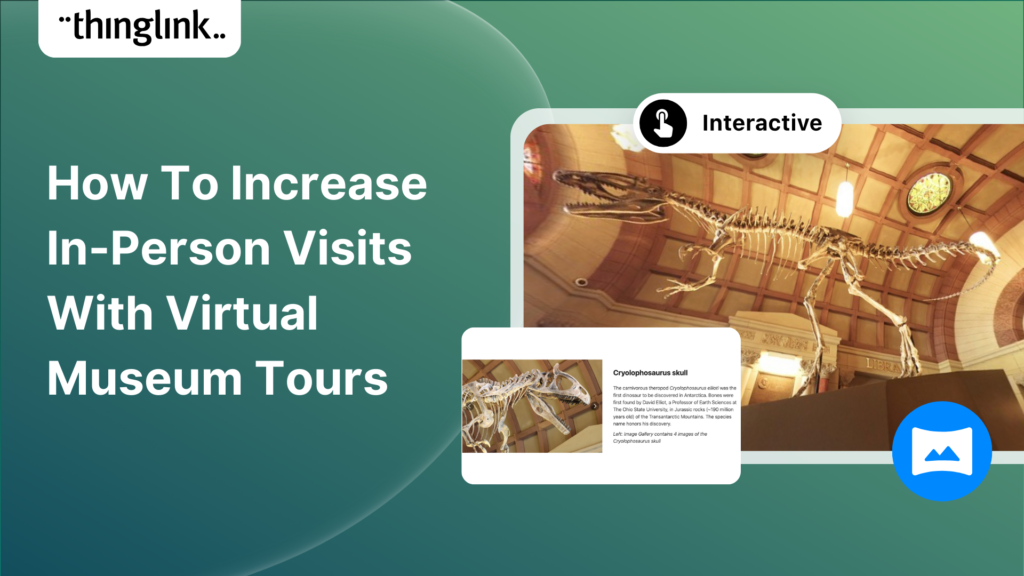
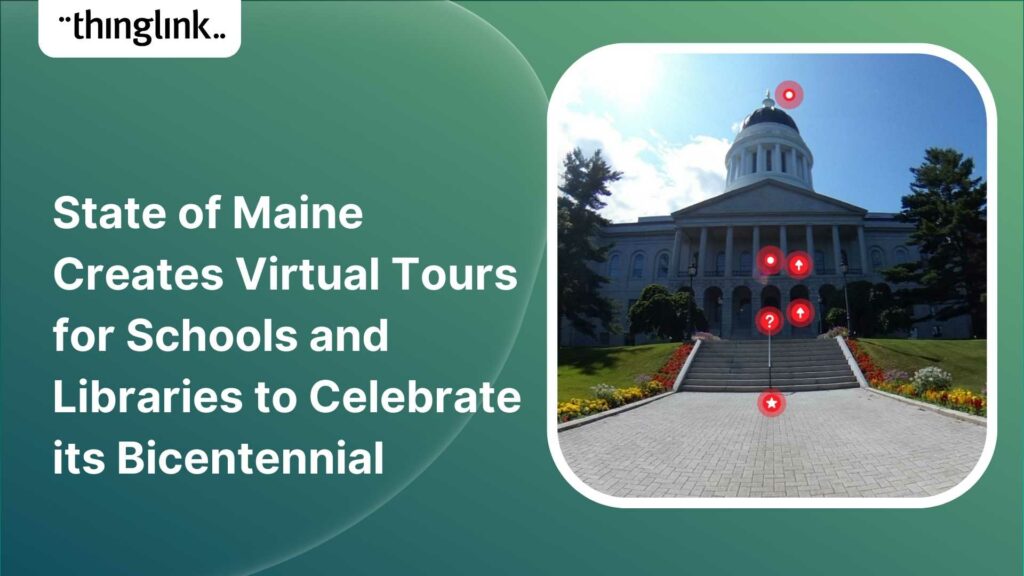
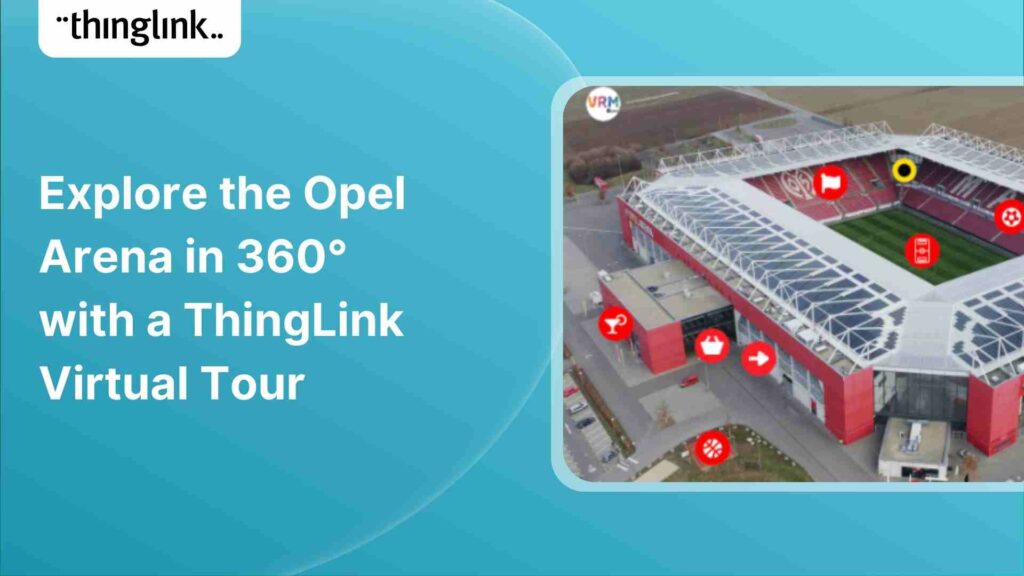
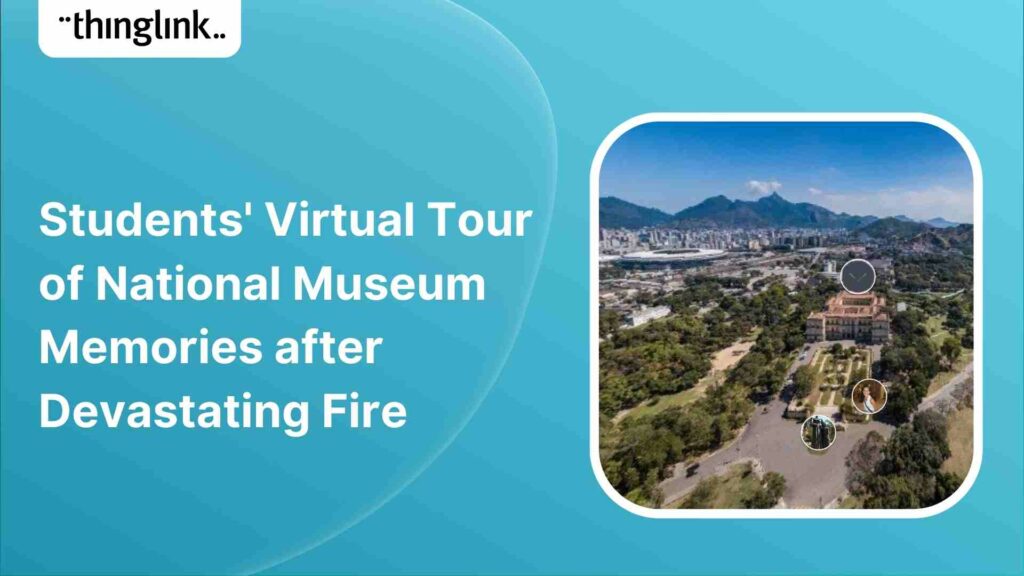
360-Degree Spaces That Immerse Visitors
This format is particularly powerful for cultural heritage sites where physical access is limited, whether due to conservation concerns, geographic remoteness, or accessibility barriers for certain visitors.
Augmented Reality Layers for Physical Exhibits
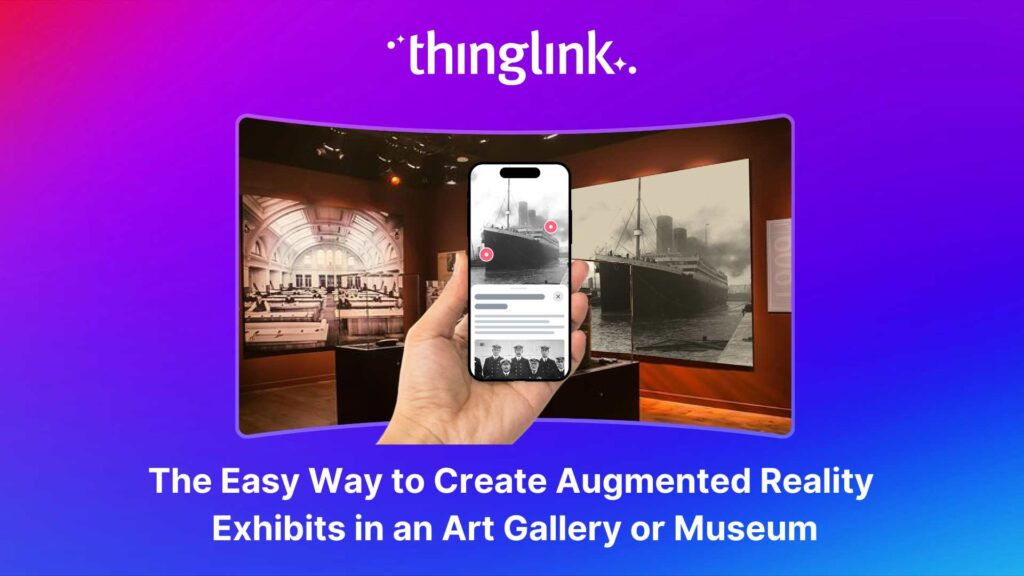
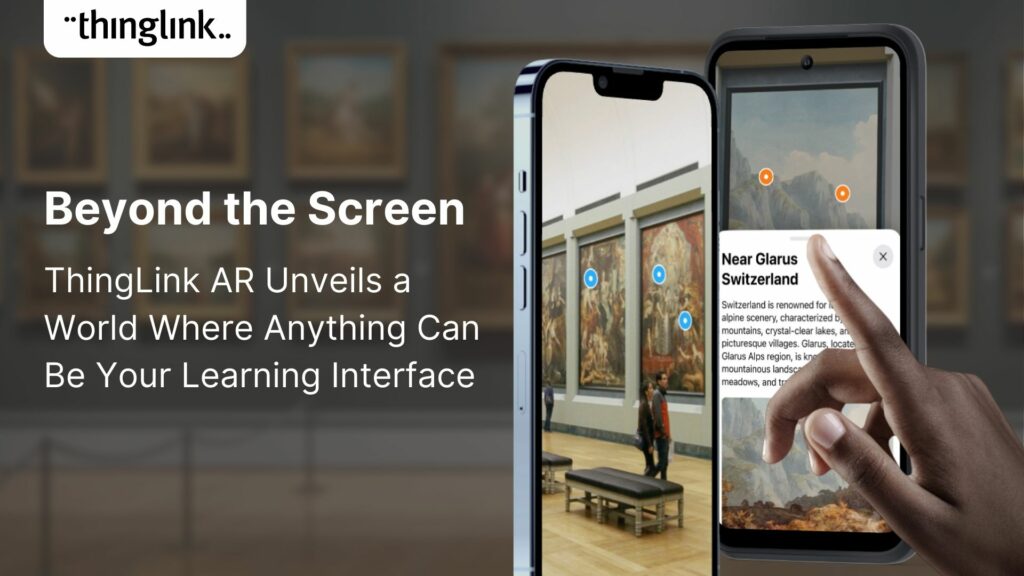
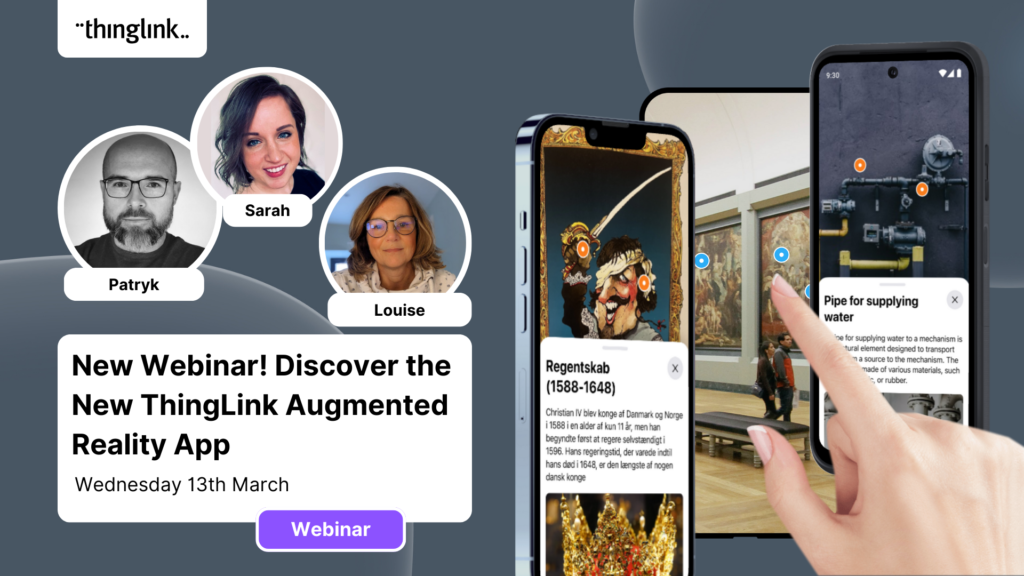
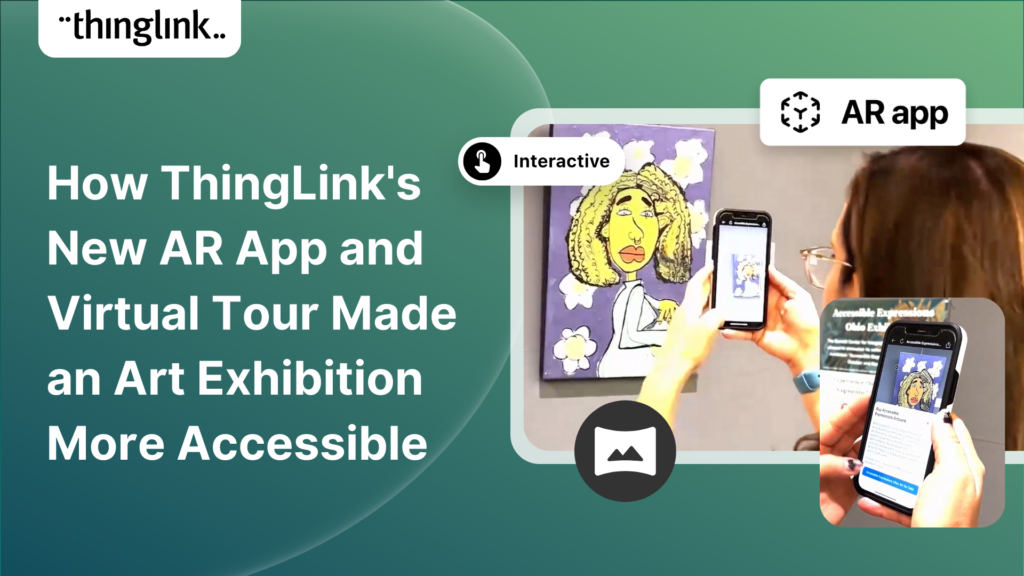
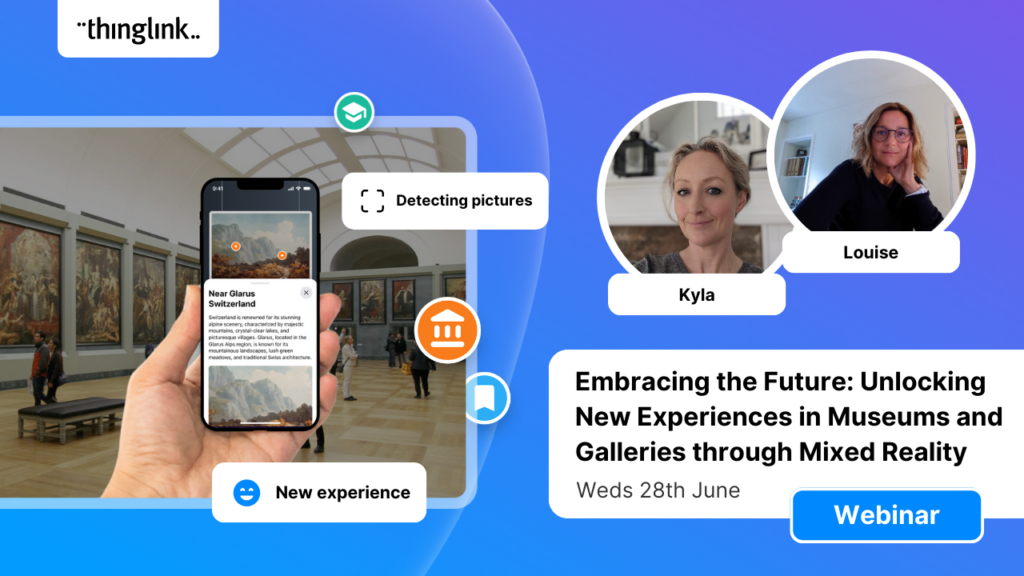
Augmented reality does not have to mean expensive proprietary hardware. ThingLink offers a straightforward way to add AR-style interactive layers to gallery exhibits, allowing visitors to point a device at an object and unlock additional content: artist commentary, historical records, comparative images, or multilingual descriptions.
This approach is detailed in the ThingLink post on the easy way to create augmented reality exhibits in an art gallery or museum, which is worth bookmarking if AR is on your roadmap.
3D Object Scanning and Interactive Overlays
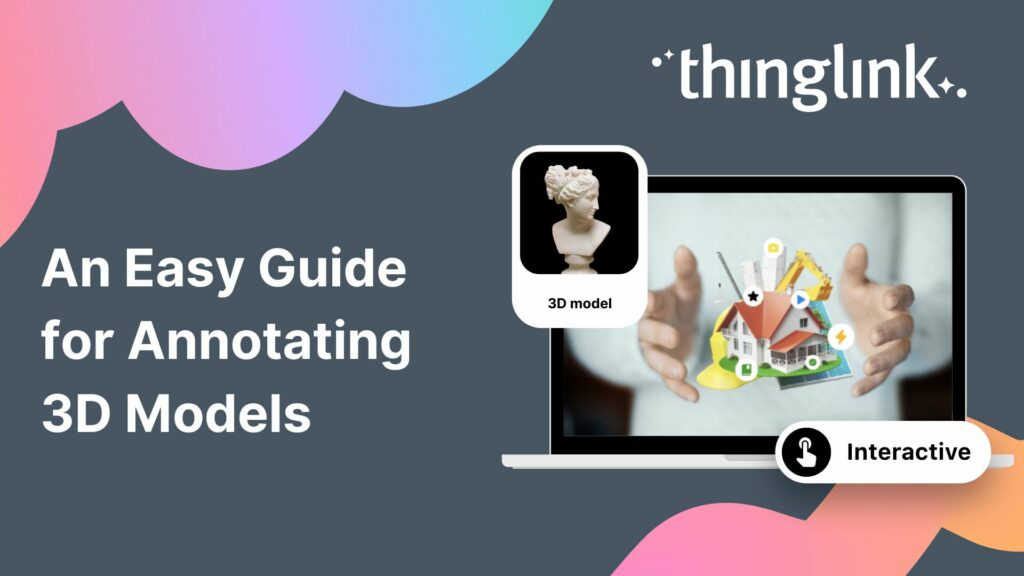
One of the most exciting recent developments for museums is the ability to scan physical objects and turn them into interactive 3D models. ThingLink Capture enables teams to integrate scanned 3D objects directly into interactive learning experiences, giving remote audiences a tactile-feeling encounter with artefacts they could never otherwise touch.
Learn more about how ThingLink Capture enables integration of scanned 3D objects and explore the wider context of how ThingLink makes spatial learning accessible.
Practical Ideas for Your Museum Team
Virtual Exhibitions for Online Audiences
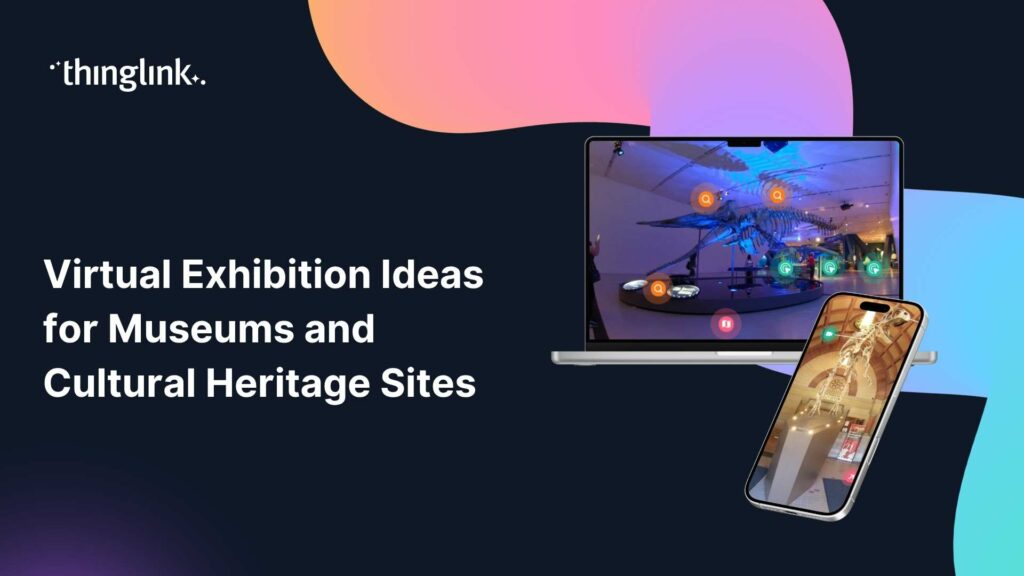
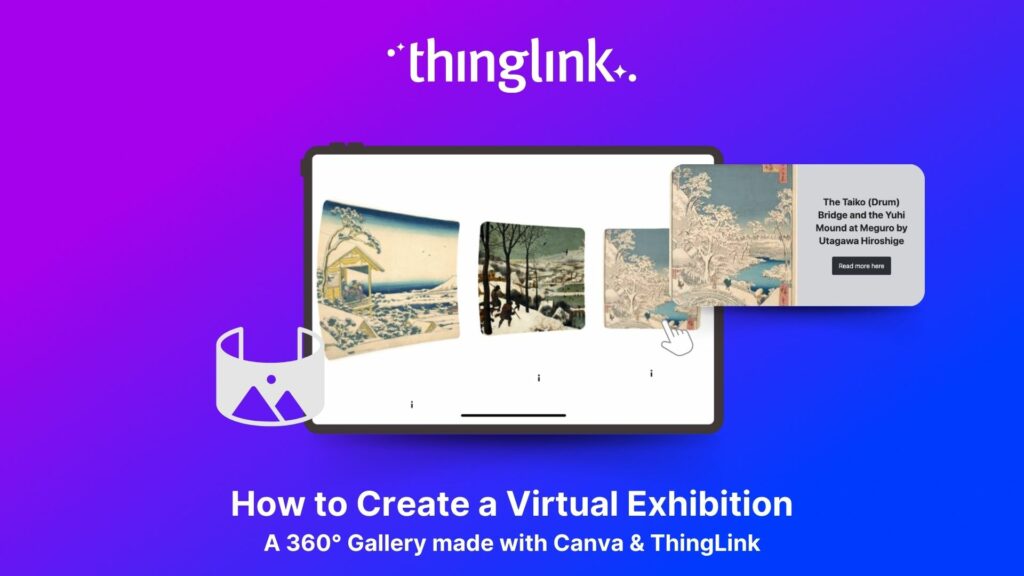
A virtual exhibition does not need to be a replica of your physical show. It can be a curated digital journey through your collection, with rich media hotspots, curator commentary, and embedded quizzes to test understanding. For inspiration, explore these virtual exhibition ideas for museums and cultural heritage sites and find out about the online tool used by the world’s leading museums.
Interactive Presentations for Education Programmes
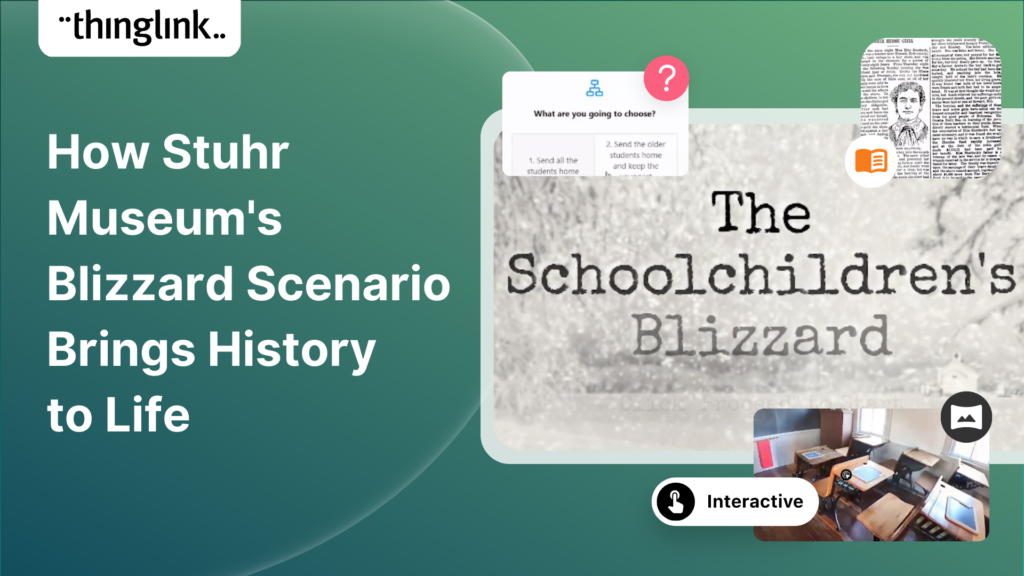
If your museum runs school programmes, community workshops, or staff training, interactive presentations are a powerful upgrade from static slides. They allow facilitators to branch into different content paths, embed video testimony, and include live polls, keeping every audience member active.
Offline-Ready Content for Gallery Installations
Not every gallery space has reliable Wi-Fi, and not every visitor arrives with a data plan. ThingLink’s offline viewing feature allows you to download interactive content for desktop use, meaning your digital exhibits work smoothly even without an internet connection. This is particularly useful for kiosk-style installations or travelling exhibitions. Find out how offline viewing for desktop works in practice.
Getting Started with ThingLink
The barrier to creating professional interactive media has never been lower. ThingLink’s editor requires no coding, supports a wide range of content types, and allows your team to publish to web, embed in your existing site, or deploy on in-gallery screens.
If you want to build your skills quickly, the ThingLink Creator Course is designed to get you creating confidently in a short amount of time.
The Opportunity Is Now
Visitor expectations are evolving, and the museums that thrive over the next decade will be those that invest in digital engagement alongside their physical programmes. Interactive media is not a replacement for the in-person museum experience. It is an amplifier of it, one that reaches more people, supports deeper learning, and keeps your institution relevant in a crowded attention economy.
Your collections have stories worth telling. Interactive media gives you more ways to tell them.