Gamified Learning: What It Is and Why It Boosts Engagement
What If Learning Felt More Like Playing?
Imagine your students leaning forward in their seats, eager to find out what happens next. Imagine a lecture hall where participation is not something you have to coax out of people, it just happens naturally. That is the promise of gamified learning, and it is closer to everyday classroom reality than you might think.
Gamified learning is one of the most talked-about approaches in education right now, and for good reason. When you layer game mechanics onto learning experiences, you tap into something deeply human: the drive to explore, to solve, to achieve, and to try again. In this post, we break down what gamified learning actually means, why it works, and how tools like ThingLink make it surprisingly straightforward to bring into your classroom or course.
What Is Gamified Learning?
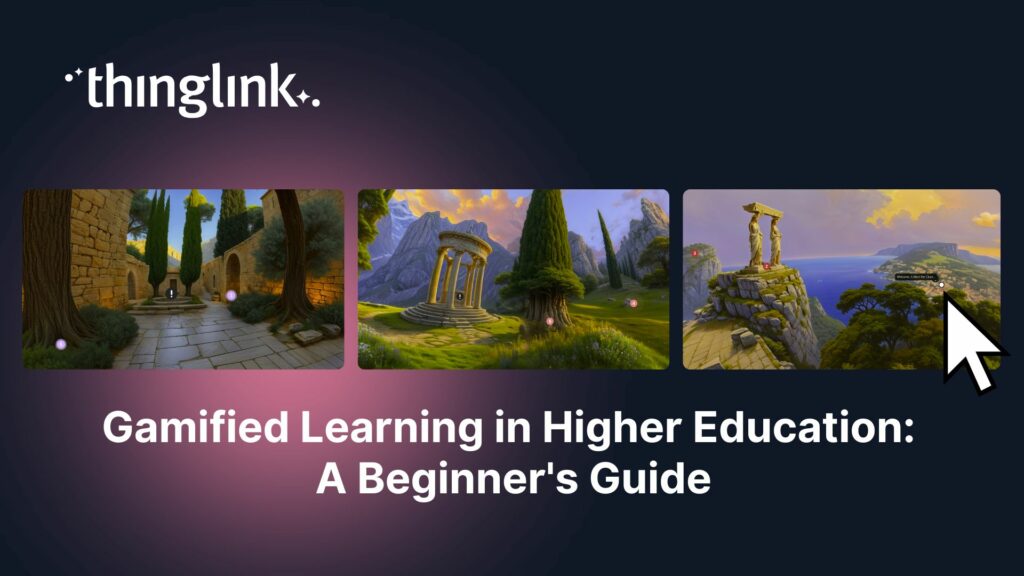
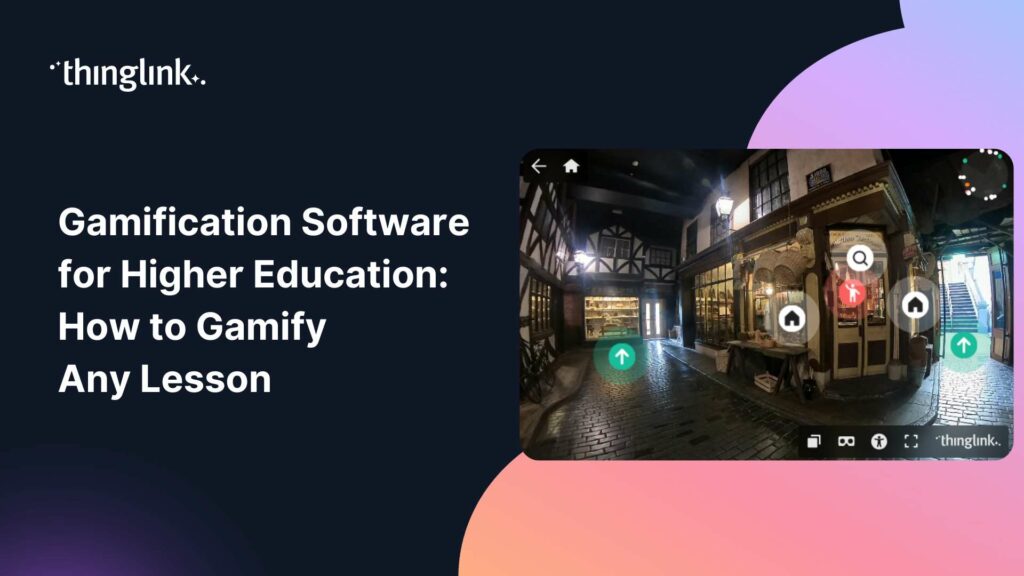
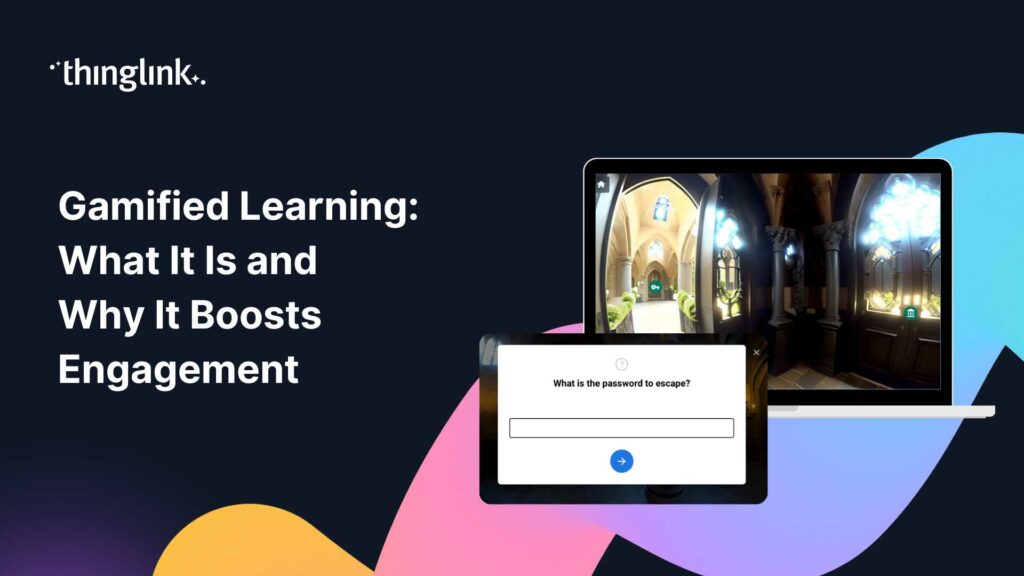
In action! Explore this example.
Gamified learning is the application of game design elements to educational contexts. It does not mean turning every lesson into a video game. Instead, it means borrowing the features that make games compelling, progress tracking, challenges, rewards, narrative, choice, and immediate feedback, and weaving them into the learning experience.
You will often hear gamified learning discussed alongside related terms like game-based learning and serious games. Here is a quick way to tell them apart:
- Gamified learning applies game mechanics to existing content (points, badges, levels, branching choices).
- Game-based learning uses an actual game as the primary learning vehicle.
- Serious games are purpose-built games designed to teach a specific skill or concept.
All three approaches share a common goal: making learning more active, more motivating, and more memorable. But gamified learning is particularly appealing to educators because you do not need to build a game from scratch. You just need to rethink how your existing content is experienced.
Why Gamified Learning Boosts Engagement
Engagement is not a nice-to-have in education, it is the gateway to learning. If a student is not engaged, they are not encoding information, making connections, or building skills. Gamified learning targets engagement directly, and it does so through several well-understood psychological mechanisms.
Intrinsic Motivation and Autonomy
Games give players agency. They let you choose a path, make a decision, and live with the consequences. When learners feel they have control over their experience, intrinsic motivation goes up. Self-determination theory, one of the most robust frameworks in educational psychology, tells us that autonomy, competence, and relatedness are the three pillars of lasting motivation. Gamified learning supports all three.
Immediate Feedback
One of the biggest frustrations in traditional learning is the lag between doing something and finding out whether you did it correctly. Games solve this elegantly. Every action gets an instant response. In a learning context, that means students can identify and correct misconceptions in the moment, rather than discovering weeks later that they misunderstood a concept.
The Power of Narrative and Challenge
A well-designed challenge sits just beyond the learner’s current comfort zone, difficult enough to feel meaningful, achievable enough not to discourage. This is sometimes called the “flow state,” and games are extraordinarily good at producing it. When you add a narrative layer, a story, a mission, a character to guide the learner, you give students a reason to care about the outcome.
Progress and Accomplishment
Progress bars, unlocked levels, and earned badges are not just decorative. They make invisible learning visible. When students can see how far they have come, they are more likely to keep going. This is especially powerful for learners who struggle with long-form projects or who need more frequent reinforcement to stay on track.
Gamified Learning in Practice: What It Looks Like in Real Classrooms
Theory is useful, but examples are better. Here is what gamified learning can look like across different educational settings.
Scenario-Based Challenges
One of the most effective forms of gamified learning is the scenario-based challenge. Instead of reading about a concept, students step into a situation and make decisions that affect the outcome. This could be a historical dilemma, an ethical decision in a science context, or a real-world professional challenge.
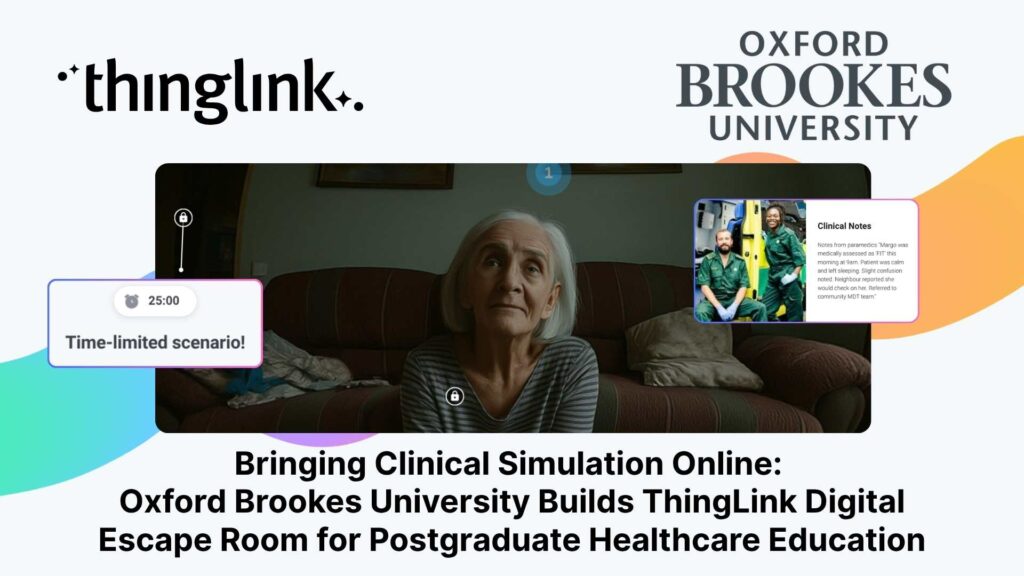
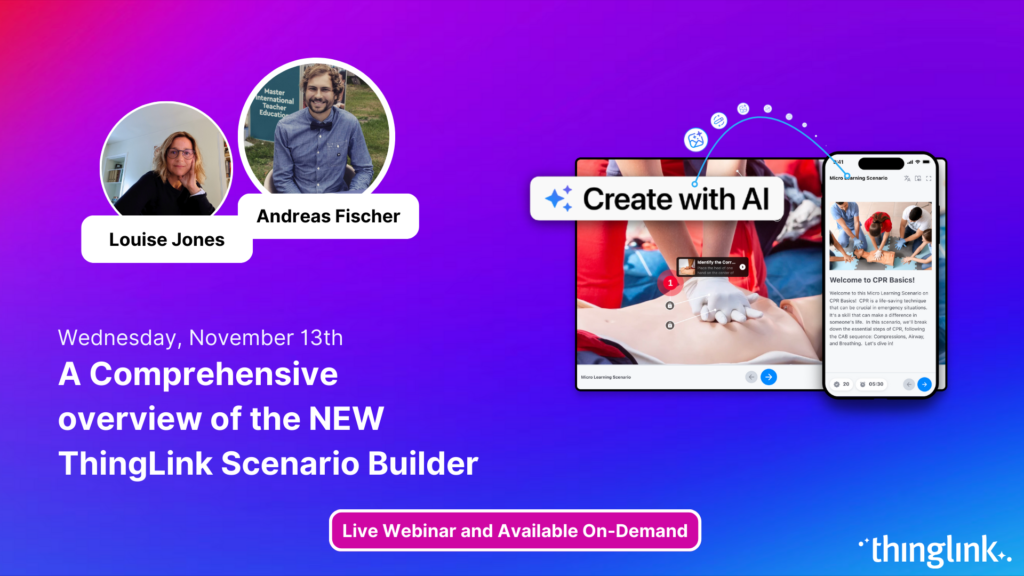
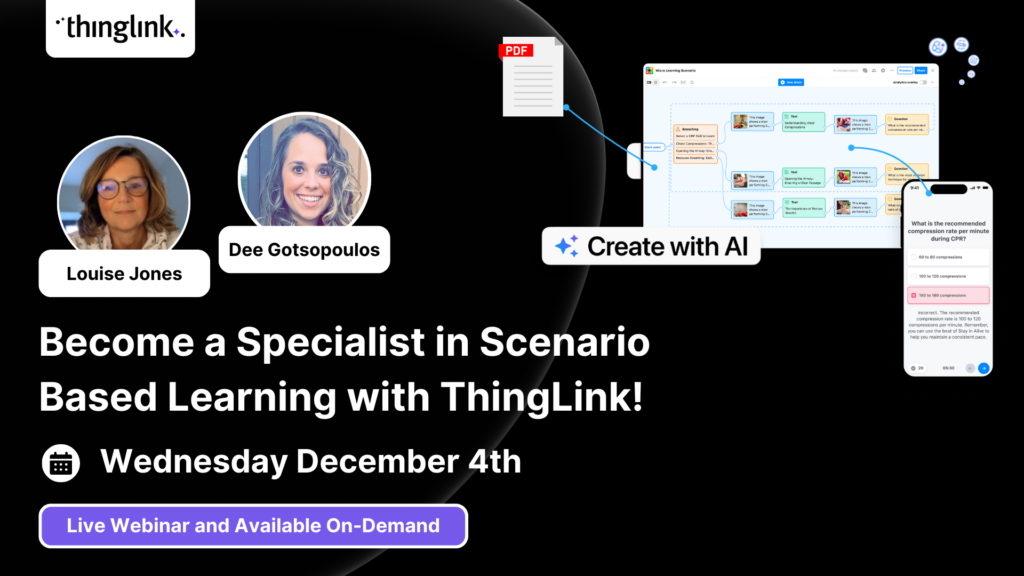
ThingLink’s Scenario Builder is built exactly for this purpose. It lets you create branching, choice-driven experiences where every decision leads somewhere new. You can explore a live example of this kind of scenario-based, gamified learning experience here: ThingLink scenario example. The Scenario Builder has been updated to make building these experiences faster and more intuitive than ever, you can read more about what is new in the ThingLink Scenario Builder overview.
Interactive Exploration and Discovery
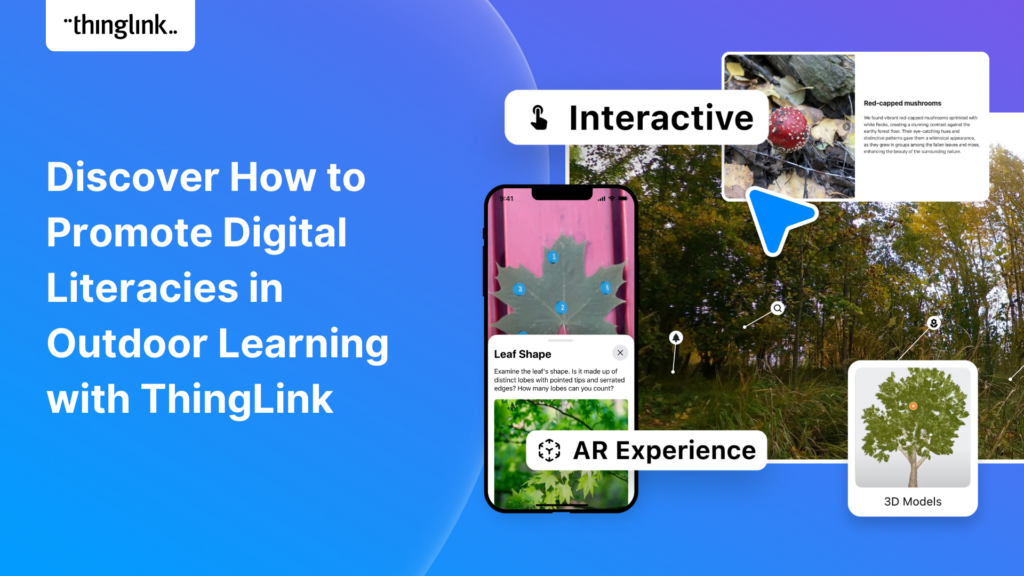
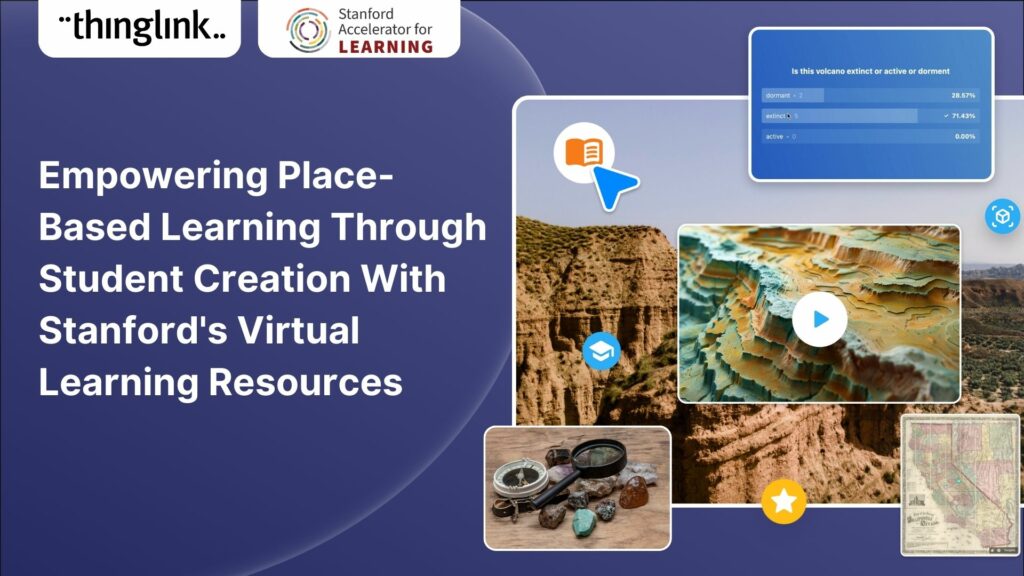
Gamified learning does not always involve branching narratives. Sometimes it is as simple as giving students an interactive environment to explore and discover information at their own pace. Interactive images, 360-degree tours, and virtual environments all support this kind of self-directed, curiosity-driven learning.
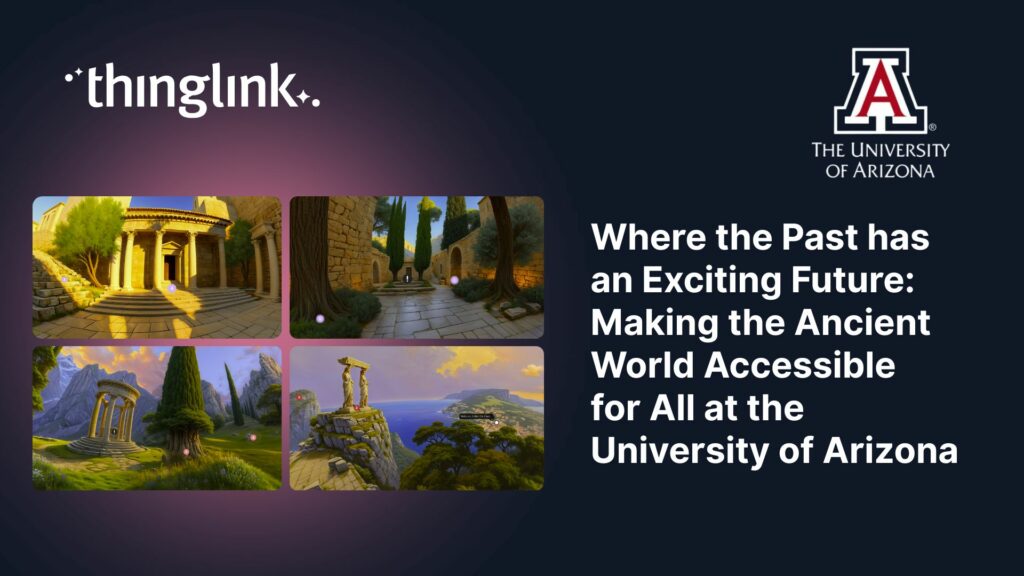
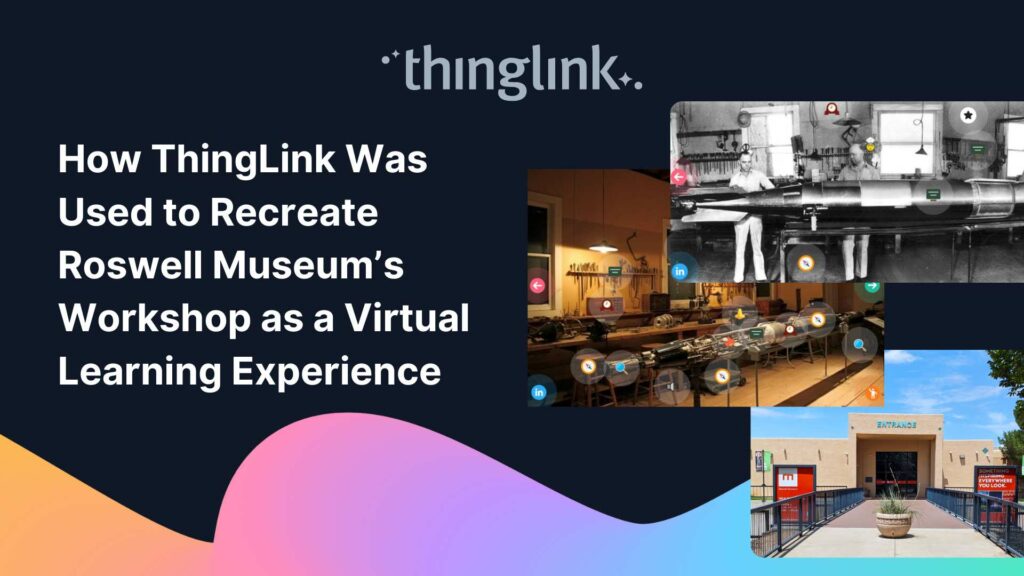
At the University of Arizona, educators have used immersive digital environments to make the ancient world tangible and exciting for students, turning passive study into active exploration. You can read about their approach here: Making the Ancient World Accessible at the University of Arizona.
AI-Assisted Engagement
Artificial intelligence is opening up new possibilities for personalised, responsive gamified learning. When a learning experience can adapt to what a student already knows and adjust the challenge level accordingly, it starts to feel genuinely game-like. One Toronto teacher has been combining ThingLink with AI tools to create more responsive and engaging online learning experiences for students, a great example of what is possible when technology and pedagogy work together. Read their story here: How a Toronto Teacher Combines ThingLink and AI to Better Engage Students.
Interactive Timelines and Visual Narratives
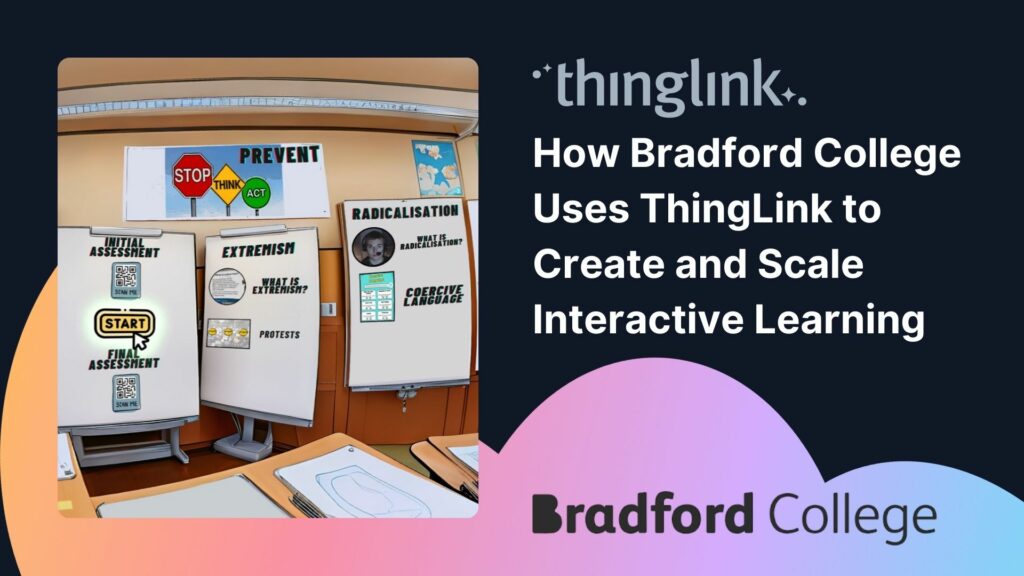
Storytelling is a core element of gamification. Giving students a visual narrative to move through, a timeline they can explore, a map they can navigate, turns passive content into an active journey. An Anglo-American School brought this to life with an interactive touchscreen timeline that engaged both students and parents. It is a reminder that gamified learning experiences do not have to live only in the classroom.
Common Gamified Learning Techniques You Can Use Today
You do not need to overhaul your entire curriculum to start using gamified learning. Here are some techniques you can begin experimenting with right away.
Branching Scenarios
Design a situation with two or three decision points. At each point, students choose a path. Different choices lead to different outcomes. You can build these with ThingLink’s Scenario Builder without any coding knowledge.
Unlockable Content
Organise your content so that completing one section reveals the next. This creates a sense of progress and reward, and it keeps students moving forward with a clear sense of direction.
Exploration Challenges
Create an interactive image or 360-degree environment and ask students to find specific pieces of information hidden within it. This is a simple but highly effective way to make review and consolidation feel like a game. The awesome examples of interactive learning online post is packed with inspiration for exactly this kind of activity.
Reflection and Consequence
After a branching scenario or exploration activity, prompt students to reflect on the choices they made. Why did they decide what they decided? What would they do differently? This metacognitive layer is what turns engagement into deep learning.
Inclusive Gamified Learning: Making It Work for Every Student
One concern educators sometimes raise about gamified learning is accessibility. What about students who do not connect with competitive mechanics? What about learners with additional needs who may find certain formats confusing or overwhelming?
The good news is that thoughtful gamified design is inherently inclusive. When you build scenarios with multiple pathways, you are already accommodating different learning styles. When you use visual and interactive formats, you are supporting students who struggle with text-heavy content. And when you offer self-paced exploration rather than timed challenges, you remove one of the most common barriers to participation.
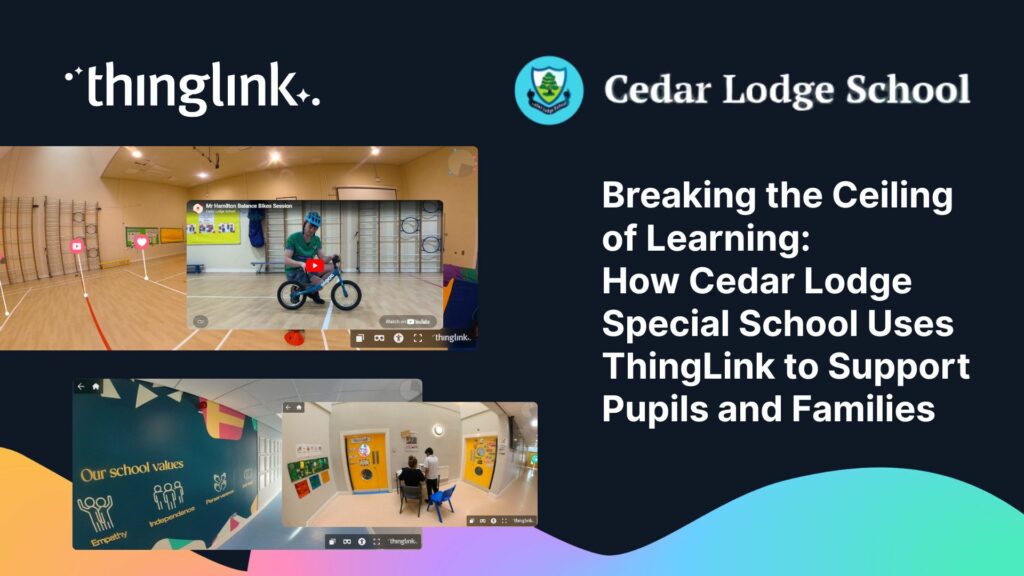
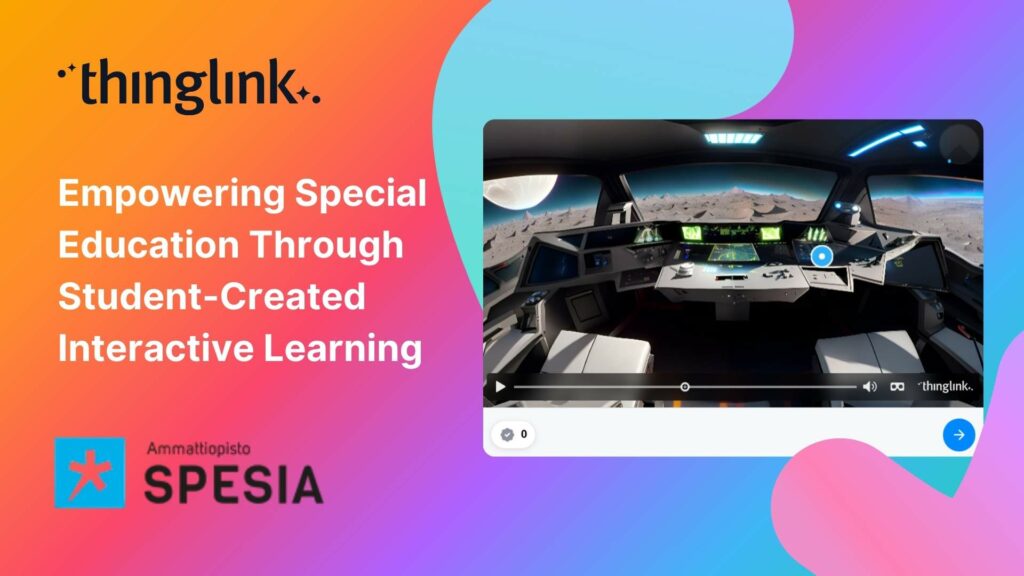
ThingLink is used by schools supporting students with a wide range of learning needs. One special school in the UK has used ThingLink to support both pupils and their families with accessible, visual learning experiences, you can read about their work here: How Cedar Lodge Special School Uses ThingLink.
When you design your gamified learning experience, think about:
- Offering text alternatives for audio and visual content
- Using clear, simple language in scenario prompts and feedback
- Avoiding mechanics that punish failure harshly, instead, frame incorrect paths as learning opportunities
- Giving students time and space to process, rather than racing against a clock
How ThingLink Makes Gamified Learning Accessible to Every Educator
Building gamified learning experiences used to require technical skills, big budgets, or specialist development teams. ThingLink changes that. With an intuitive editor, a powerful Scenario Builder, and a growing library of interactive formats including 360-degree images, virtual tours, and augmented reality, ThingLink puts gamified learning creation within reach of every educator.
You can start with something as simple as an interactive image that rewards exploration, or go further with a fully branching scenario that responds to student choices. The platform grows with your ambitions.
If you are looking for inspiration on how to enhance your existing courses with interactive and immersive content, the guide to enhancing your existing courses with immersive learning assets is an excellent starting point. And if you want a broader understanding of what immersive learning can look like, the guide to immersive learning covers the landscape clearly and practically.
Ready to Bring Gamified Learning Into Your Classroom?
Gameified learning is not a trend that is passing. It is a pedagogy that is backed by psychology, proven in classrooms, and increasingly straightforward to implement with the right tools.
Whether you teach primary school students who need movement and play woven into their learning, secondary students who respond to challenge and narrative, or higher education cohorts who need real-world context and decision-making practice, gamified learning has something to offer you.
ThingLink is here to help you build it. Explore how ThingLink supports educators at every level in the education upgrade guide, and take your first step toward learning experiences that your students will actually look forward to.