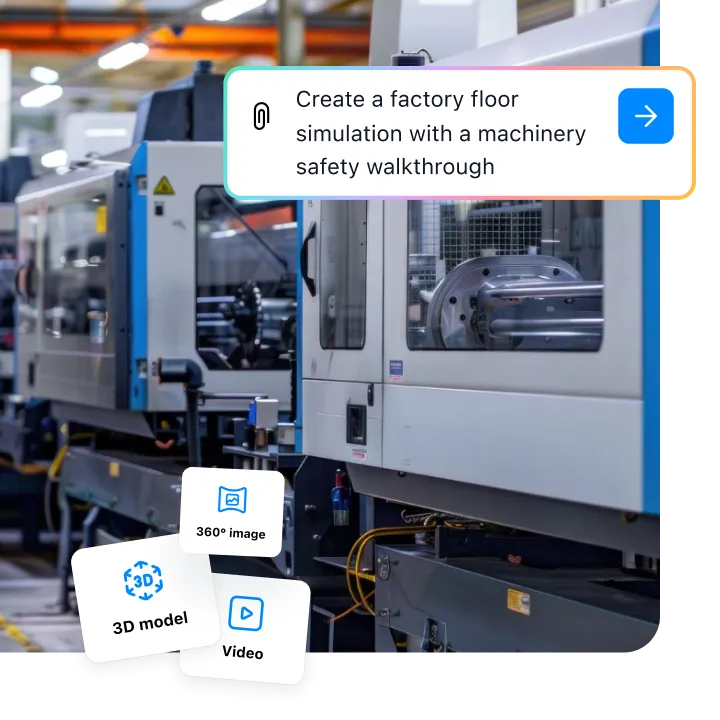
Transform Your Assets or Start From Scratch
Use images, videos, 360° media, or existing assets to build experiences grounded in how people learn and work.
📋 Discover research and real-world results from immersive vocational training!

From immersive learning experiences to real-world training simulations, see how teams and educators use ThingLink to engage learners and build skills with ThingLink.







Design experiences that help people explore ideas, understand context, and build real-world skills.

Guide learners through content with structured, interactive experiences

Use scenarios and environments to help people apply knowledge in context

Scale the same experience in lessons, onboarding, and training programs
See how industries leverage ThingLink to create impactful visual experiences.
Help young learners retain information through active exploration by simplifying complex topics through immersive learning. Spark curiosity and boost student participation, leveraging immersive learning to turn abstract lessons into engaging visual journeys.
Bridge the gap between theory and practice with virtual simulations that allow students to conduct complex experiments in a safe digital environment. This immersive approach prepares graduates for professional challenges through hands-on mastery of advanced concepts.
Provide scalable, hands-on training that speeds up onboarding and ensures consistent technical skills across the workforce with interactive, immersive, and spatial learning experiences. By simulating real-world workflows, companies reduce operational risks and training costs while improving employee performance.
Save time in learning design by transforming existing materials into interactive, scenario-based experiences. Help learners and trainees explore content, understand context, and apply knowledge in real-world situations. Whether you’re teaching a concept or preparing someone for an on-the-job task, you can make learning more active and practical.
Use images, videos, 360° media, or existing assets to build experiences grounded in how people learn and work.
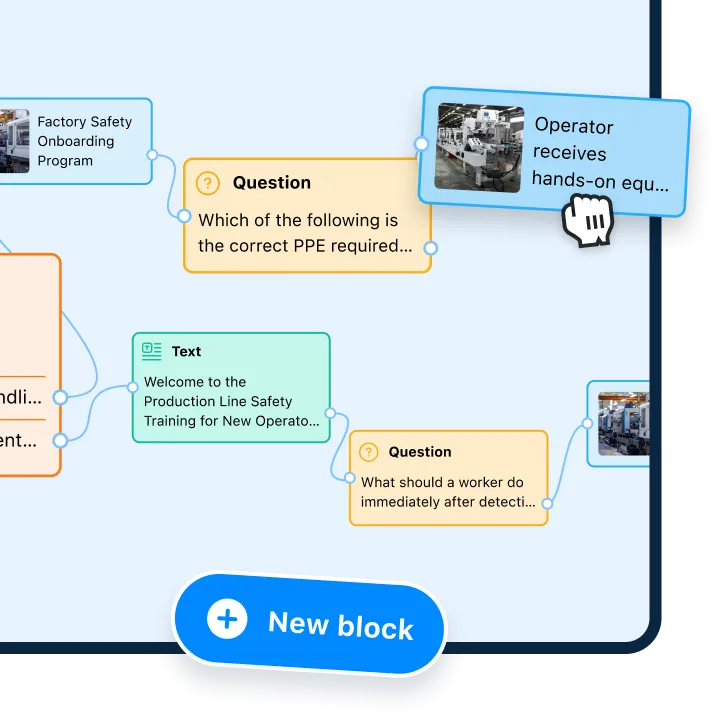
Layer in explanations, media, and decision points to guide learners through structured, scenario-based experiences.
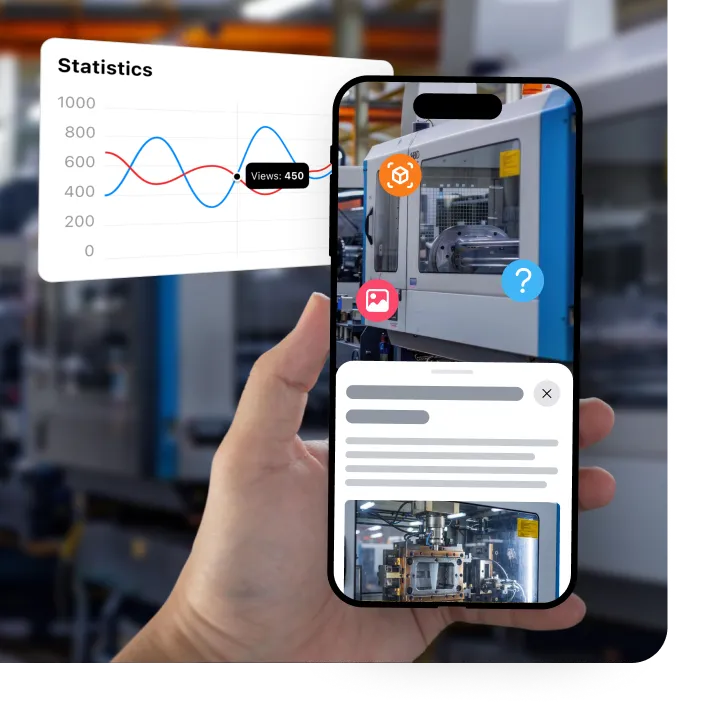
Deliver experiences in lessons, onboarding programs, or team training environments where knowledge is applied.
Create interactive experiences using the content you already have, no technical skills required.